
Commercial roofing in Johns Creek, GA
Repairs, replacement and maintenance
Commercial Spray Foam Roofing in Johns Creek, GA
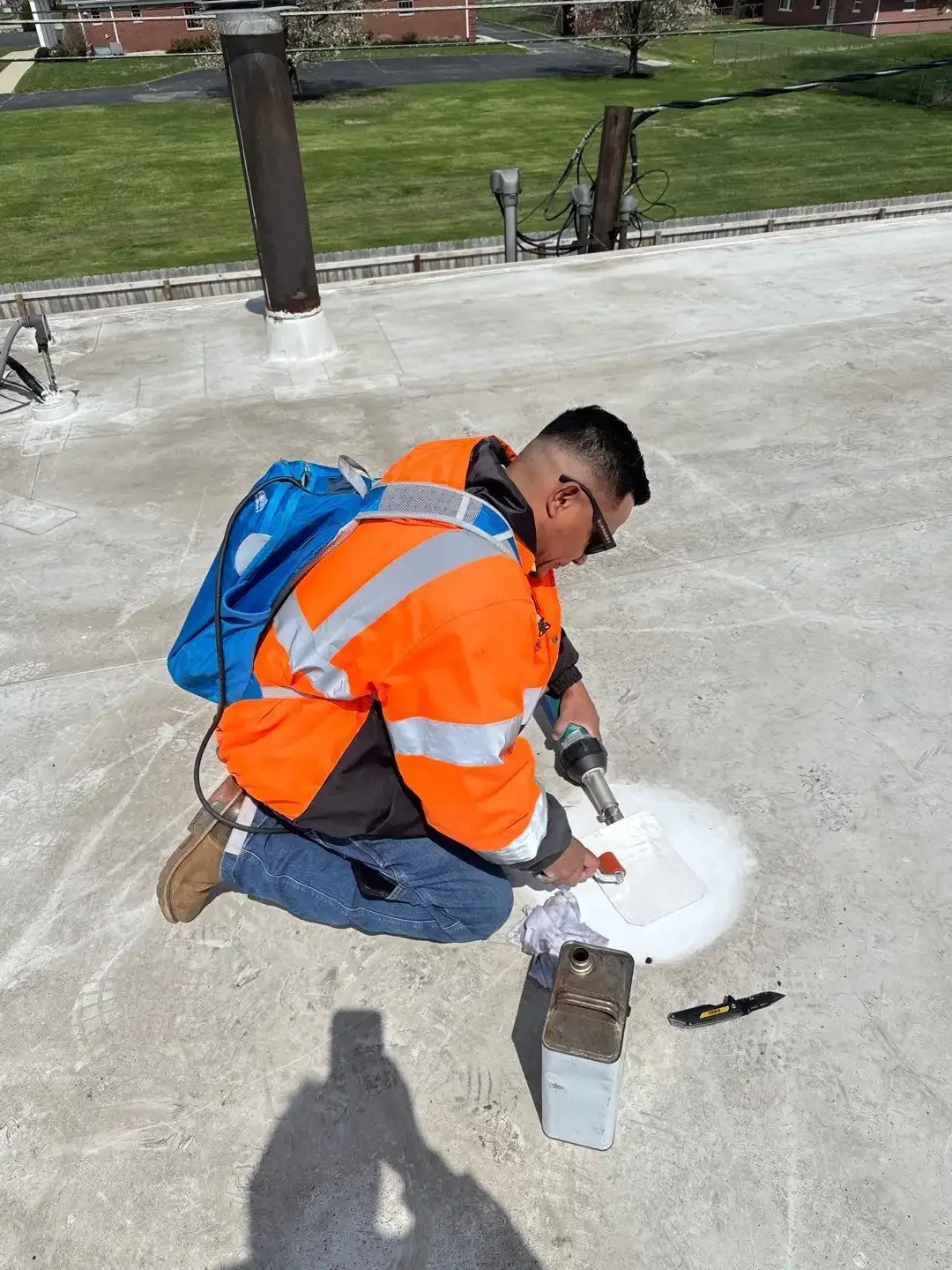
Assess a Johns Creek spray-foam roof for foam condition, protective coating, drainage, adhesion, and repair needs before restoration.
Is water getting through a worn coating, or has the foam beneath it lost its bond? Spray polyurethane foam roofing forms an insulating layer with few field laps when properly applied, then relies on a protective coating to shield the foam from weather and ultraviolet exposure. The topcoat and foam must be evaluated together. We inspect for erosion, cracks, blisters, ponding, and exposed foam before recommending repair or restoration. Atlanta climate normals record precipitation every month, making drainage and coating continuity relevant; the roof survey identifies the conditions on each building.
What should a foam roof inspection include?
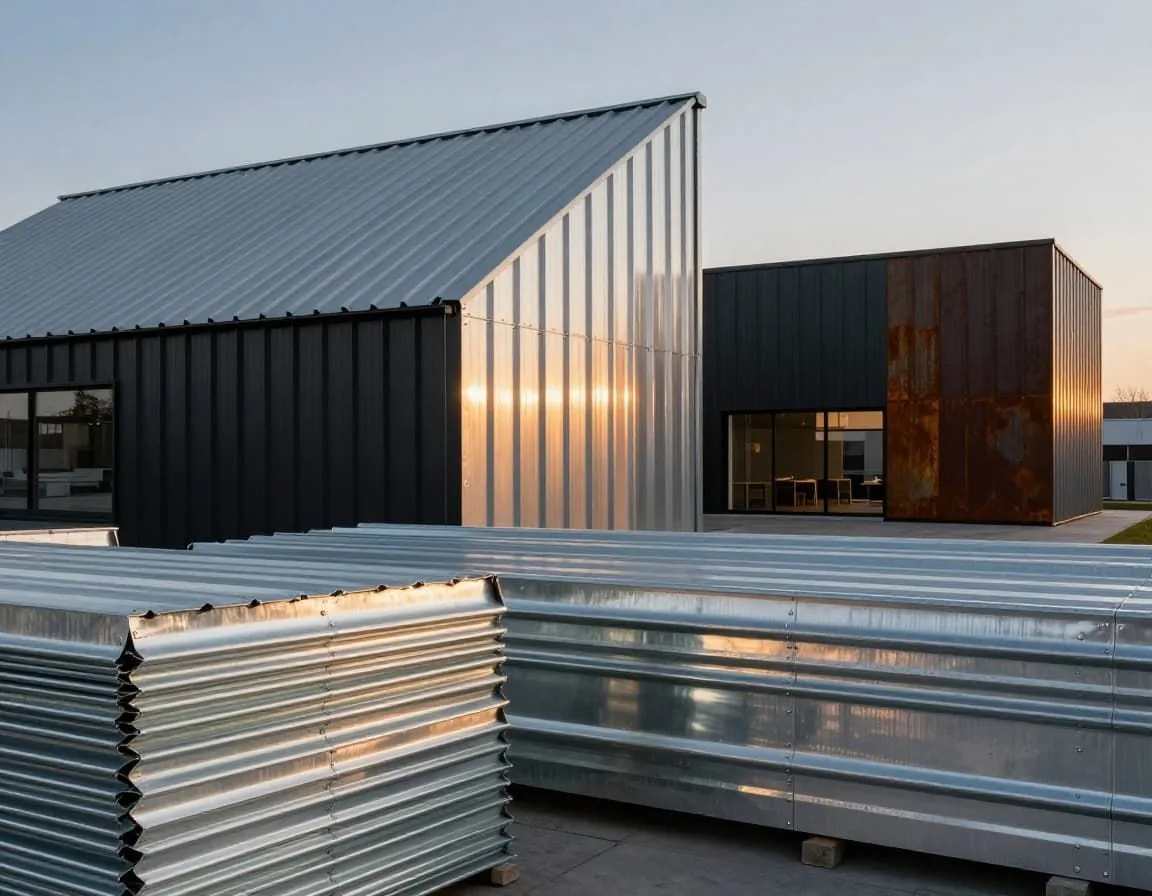
Roof Systems from Commercial Roofers Johns Creek.
We examine the coating for erosion, pinholes, open cracks, alligatoring, blisters, and areas where the surface has become thin. At seams, drains, curbs, and penetrations, we look for separation or a detail that holds water. Exposed foam can absorb moisture and deteriorate, but surface appearance alone may not show how far the damage extends. We probe suspect areas carefully and map the repair boundary rather than coat over material that has lost adhesion.
SPF can create positive slope in some roof designs, though low areas and outlet elevations still need to be checked. We inspect how water travels toward drains and whether later equipment work cut through the foam. The commercial roof inspection records observed conditions, while a moisture survey can help identify areas for direct testing. Johns Creek office and industrial properties have different equipment and access needs; inspection findings belong to the roof itself, not just its property category.
Why does the foam need a topcoat?
Foam roofing needs a compatible protective coating to shield it from sunlight, moisture, and physical wear. The coating must bond to a clean, prepared substrate at the specified coverage. We identify the existing coating type, measure areas with loss or erosion, and prepare test patches if the new product's compatibility is uncertain. Applying another layer without removing loose material or correcting blisters can leave an unstable surface beneath the restoration.
Silicone and acrylic products have different water tolerance, application limits, and maintenance characteristics. Selection follows the roof's slope, drainage, existing coating, and project conditions. A silicone coating system may suit particular exposure and detail requirements; an acrylic coating system has its own surface and weather criteria. We state the coating type, primer, reinforcement at details, and application thickness in the proposal so the owner can compare complete scopes.
Can damaged foam be restored?
Small areas of sound foam with a worn coating may be cleaned and recoated after preparation. Cracked, wet, or poorly bonded foam needs to be removed or repaired before a protective layer is applied. We cut back damaged material only within an approved limit, rebuild the profile with compatible materials, and restore coating coverage at the patch and its edges. The repair should not create a ridge that blocks drainage or a thin feather edge that opens again.
If deterioration covers broad roof zones or moisture is present beneath the foam, restoration may no longer fit. We test suspect areas, document the results, and compare localized repair with removal or replacement. A coating restoration evaluation can set the test plan and exclusions. Where foam is part of an older repair, we also check nearby curbs and drains for changes in finished height. New materials need to tie into a stable edge, not a loose coating layer.
When can foam or coating work be installed?
SPF application and coating each have narrow requirements for temperature, humidity, surface moisture, and wind. We check the substrate and forecast against product data, and protect the area from moisture until the coating has cured. Frequent hot days can affect safe work hours; confirm surface conditions and rain-free cure time for each application window. Work does not continue across damp foam just to keep a calendar slot.
North and central Georgia also experience severe thunderstorms, including damaging wind and hail. A storm check should look for actual punctures, lifted details, or coating impact, not assume a roof condition from the alert alone. We document any temporary protection and return to examine the surface before applying permanent material. In hot weather, dark coating and exposed equipment may hold heat; crew access, staging, and protection below the work area are part of the day's plan.
How do operations affect the work plan?
Johns Creek Town Center is planned as a mixed-use redevelopment with office, retail, hospitality, and housing. On an active property in or near the district, access, deliveries, occupied spaces, and equipment scheduling may affect how foam removal or spraying is staged. We confirm the site rules and the area that can be isolated. The local development context helps frame coordination, but it does not establish roof condition or project access at a particular address.
Spray application requires control of overspray and protection for nearby equipment, vehicles, landscaping, and air intakes. We agree on wind limits, exclusion zones, shutdowns, and notices before mobilizing. If tenant or production activity continues below, the work sequence and ventilation plan need review with the site contact. Our occupied-building plan identifies affected zones, access changes, and temporary protection. Where the roof has multiple equipment areas, each can have a separate work window and sign-off.
What goes in the restoration record?
The closeout should identify foam repairs, coating product, preparation, primer, coverage, weather limits, and areas excluded from restoration. Photos should show representative transitions, drains, penetrations, and repaired foam before and after coating. We note any surface condition that needs future review and provide the product maintenance instructions. The owner should know whether access by HVAC technicians, sign installers, or other trades requires a specific repair detail.
Send roof plans, known coating history, leak locations, access rules, and the project date. We will inspect the foam and topcoat, test compatibility where needed, and mark what can be restored and what must be removed. A roof condition report keeps the findings available for maintenance planning. Operators with facilities in Suwanee can coordinate a separate assessment while preserving a distinct record for each roof.
Commercial Roofing Questions
Can new coating go over exposed foam?
Exposed foam needs inspection and repair before it receives a protective layer. We check for moisture, erosion, and bond failure, then rebuild unsound sections and prepare the surface. The selected coating and primer must be compatible with the repaired substrate.
How do you locate moisture under SPF?
We look for soft or eroded foam, coating blisters, ponding, and leak evidence, then use moisture tools or test openings where they help confirm the scope. Readings point to areas for review rather than proving every layer is wet. Test locations and repair limits are recorded.
Is a coating enough for a cracked foam roof?
A topcoat protects a stable, prepared surface but cannot bridge an active split or replace deteriorated foam. We open or probe the suspect area as needed, repair the foam, and reinforce the transition before recoating. The estimate separates substrate repair from field coverage.
Can SPF roofing correct ponding water?
Foam can be shaped to influence slope where the roof layout, outlet height, and design permit. Existing low areas may instead reflect blocked drains or deck movement. We map the flow path and specify where slope correction ends and drainage work begins.
What should an SPF maintenance check look for?
The inspection should track coating wear, exposed foam, cracks, blisters, penetrations, drains, and damage from rooftop trades. We photograph defects and note any area that should be repaired before the next wet season. Maintenance cannot replace a needed substrate correction.
Back to Roof Systems, or request a roof assessment and call 555-555-5555.