Commercial roofing in Johns Creek, GA
Repairs, replacement and maintenance
Commercial Roofing in Medlock Bridge and State Bridge Corridor, Johns Creek, GA
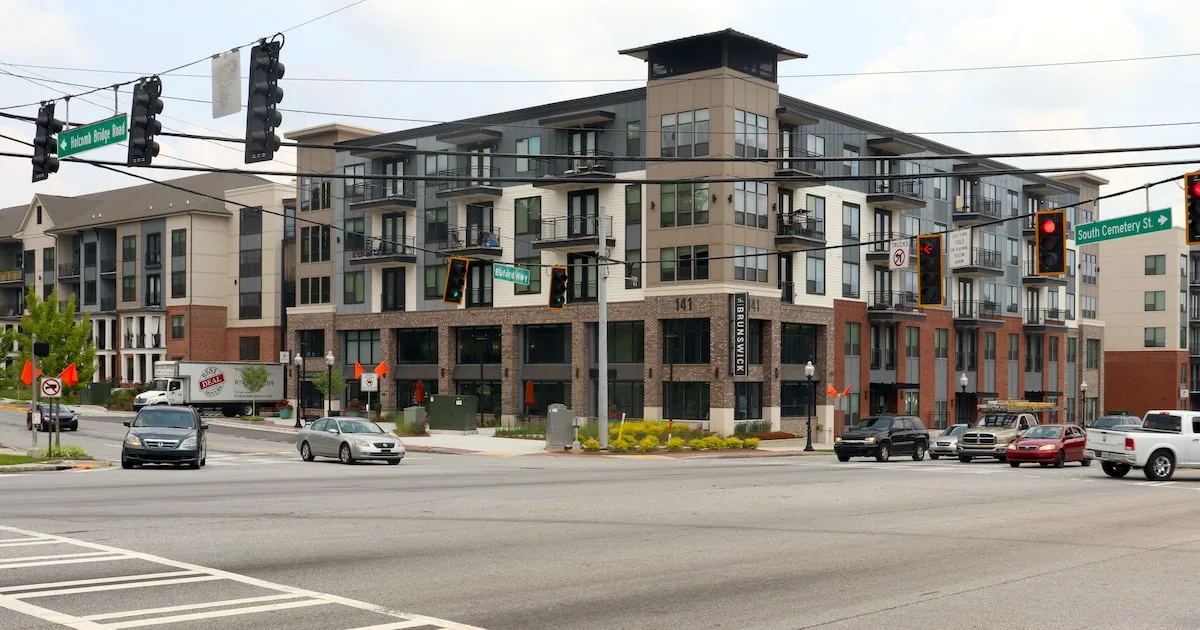
Commercial roof inspections and repair planning in Johns Creek's Medlock Bridge and State Bridge corridor, with building-level findings and access coordination.
A roof project near the Medlock Bridge and State Bridge commercial node needs a building name before it needs a crew date. Johns Creek's revitalization study focuses on this intersection and describes an auto-oriented mix of parking-fronted retail, underused commercial space, and gaps in pedestrian connections. Those plans inform site coordination, but they do not identify a roof condition or a particular building's current use. We inspect the named property and document its roof zone before defining work.
How should a corridor-level roof request be narrowed?
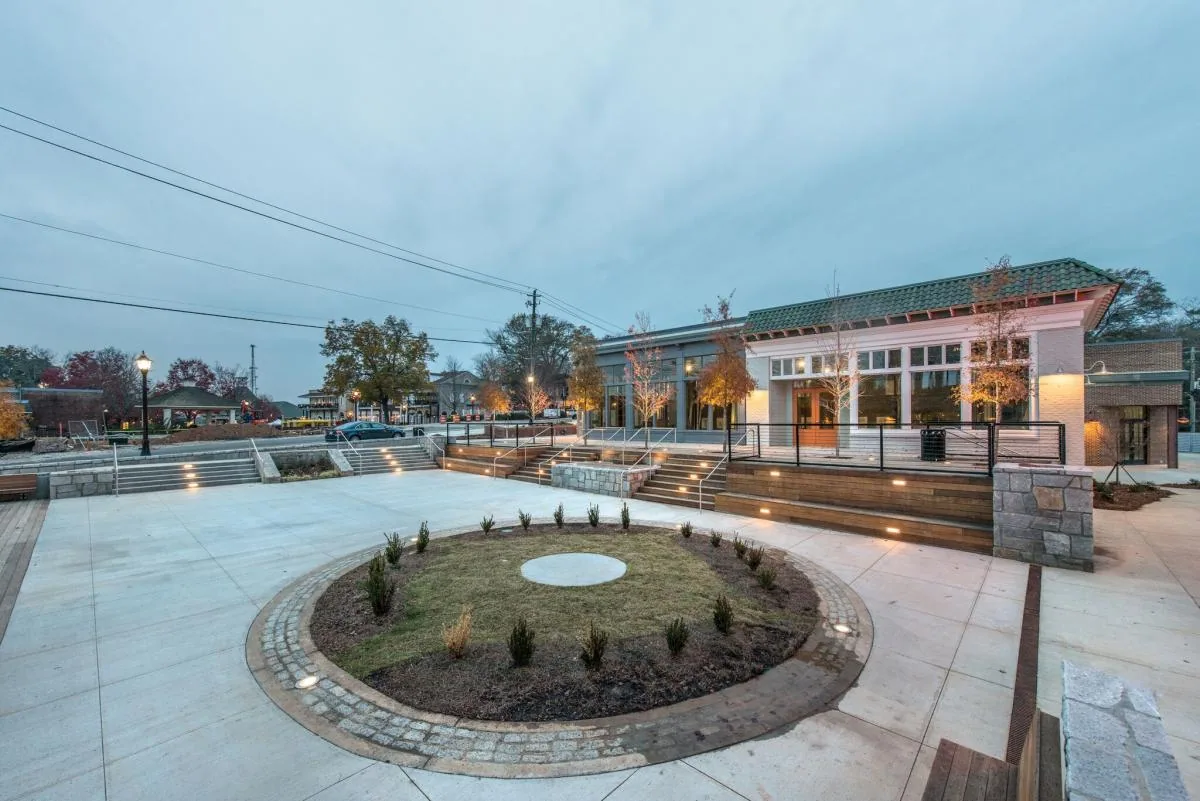
Service Areas from Commercial Roofers Johns Creek.
Give the property identifier, entrance, roof plan, reported symptom, and facilities contact. A corridor name can cover several parcels with separate ownership and access rules. Medlock Crossing, a 21-acre shopping center with a cinema, sits at the corridor's key intersection. That fact helps locate the commercial node; it does not establish that other nearby properties share its roof type, tenant mix, or redevelopment schedule.
On arrival, confirm which building and roof level are included. Locate drains, curbs, membrane seams, metal transitions, skylights, and prior repairs against the plan. Photograph each suspected defect in context and note whether a parapet, canopy, or equipment screen limits the view. A commercial roof inspection can separate observed conditions from an interior report that still needs tracing.
The planning study's reference to underused commercial space is a land-use observation, not a roof assessment. Before a sale, tenant renovation, or reuse project, inspect the existing assembly and record what can be reused, what requires testing, and where documentation is missing. Do not assume a proposed future use dictates the existing deck, membrane, or support capacity. Those decisions depend on drawings and the building itself.
Retail properties along a road corridor can have constrained loading, customer circulation, and roof access. Ask the property representative to confirm active entrances, delivery windows, staging locations, and any work that overlaps public sidewalks. If building access runs through a tenant space, identify who grants entry and who approves a temporary closure. The scope can then show the access limits instead of leaving them to the installation crew.
What should the inspection verify at the roof?
Trace the reported leak toward a plausible opening rather than assigning the cause from the ceiling mark. Inspect seams, edge metal, wall transitions, rooftop curbs, drains, scuppers, and earlier patches. Look for a split, lifted lap, open termination, puncture, or blocked outlet. Record the material where known and identify details that need a test cut or closer access before a permanent repair is priced.
If the roof spans several tenants, pair interior reports with the building plan and dates. Water can travel below the surface and appear in an adjacent suite. A moisture survey may help choose areas for confirmation when the observed conditions support it. The written report should state its limits and identify any opening needed to confirm insulation or deck condition.
Check drainage independently from membrane condition. A blocked bowl, damaged sump, and failed seam can each lead to water entry, but they require different work. Measure the affected area and examine how discharge reaches a safe outlet. A drain or scupper service should describe the obstruction, outlet, flashing, and any standing water rather than calling the entire roof defective.
North and central Georgia's storm climate includes damaging winds, hail, and tornadoes. After an event is reported, inspect perimeter details, exposed corners, rooftop equipment transitions, and impact points. A regional storm notice is not proof of damage in the corridor. Note the date supplied by the owner and connect each recommendation to a condition visible on this property.
What repair boundary fits the evidence?
A local repair is a candidate when the source is confirmed, adjacent material remains sound, and a compatible tie-in can be made. List preparation, materials, flashing or seam work, test method, access, and closeout photos. If removal may expose wet insulation or damaged deck, define where work pauses and how added quantities are approved. That gives the owner a controlled decision point without treating every unknown as included work.
Recurring entry at separate locations, widespread seam problems, or repeated repairs can justify a larger investigation. A repair scope should address each observed condition and distinguish it from untested areas. A replacement study can review layer count, deck, insulation, drainage, perimeter height, rooftop equipment, access, and removal assumptions when the evidence reaches beyond a local detail.
Recovering or coating an existing roof requires checks for moisture, attachment, adhesion, added height, and drainage. The city's revitalization plan may support future reinvestment, but it does not show whether an individual roof can accept an overlay. If a building is being evaluated for reuse, coordinate the roof review with project drawings and the relevant design professional. Record the structural or code question that needs separate confirmation.
Where a transaction or renovation is driving the schedule, a roof due-diligence survey can preserve the condition at the time of review. It should list access limits, documents examined, tests performed, and open issues. If a tenant renovation follows, connect the existing roof report to the new curb and penetration details so the handoff does not erase the original condition.
How can work protect corridor access?
Set the work period with the property manager. Confirm delivery times, customer circulation, lift use, pedestrian barriers, material storage, and routes for debris. If a crew needs to close an entry or occupy a loading area, identify who gives notice and who confirms the route can reopen. The plan should show what portion of the roof remains open at any point and how it will be secured at the end of the shift.
Atlanta's long-term climate record shows rain in every month and hot summer days. These are Atlanta station normals, not readings for a particular parcel. Before membrane, coating, or adhesive work, check the actual substrate and weather limits stated for the product. Keep a weather-tight stopping point and name who inspects it if conditions change during the shift.
For the shopping center itself, Medlock Bridge Road near Medlock Crossing has a site-specific redevelopment context and access arrangement. The adjacent Johns Creek Town Center follows a separate plan. Each property contact should confirm approved staging, roof access, and any tenant or construction restrictions rather than inheriting a corridor-wide assumption.
When another trade controls equipment, conduit, signage, or roof openings, name its contact and the task needed before roofing starts. Record which party removes and restores the item, checks flashing, and signs off on the completed detail. That coordination matters when retail activity continues below a roof section under repair.
What should stay with the corridor property record?
Keep the property plan, roof photos, system identification, test locations, approved scope, change orders, and completion details together. Name the building and roof area on every record. Identify temporary protection, areas excluded from work, and unresolved items. If a future redevelopment plan changes the roof configuration, retain the accepted detail and the person who approved it.
A roof condition report can tie each finding to a photo and roof section. A multi-property owner can use a roof capital plan to compare timing, but the evidence behind each building should remain distinct. Use the inspection record to separate an urgent leak correction from a longer-term assembly decision.
Commercial Roofing Questions
Does the revitalization study describe my building's roof?
No. It describes the commercial node and its planning context, not the roof assembly or condition at a parcel. Confirm the building identity and inspect the actual system before planning a repair or redevelopment scope.
How should we handle a roof inspection during a property sale?
Provide the roof plan, service files, access rules, and transaction timeline. The survey should state the areas reached, documents reviewed, tests performed, and any concealed condition that could change the recommendation.
Will a storm alert support an insurance repair scope?
An alert alone does not show building damage. Record the reported date and inspect the roof, edges, seams, penetrations, and interior symptoms. A claim record should connect each requested repair to a confirmed condition.
What details belong in a corridor retail repair estimate?
Name the property and roof section, then show materials, access, tenant coordination, staging, protection, tests, exclusions, and any condition allowance. The estimate should state how customer routes and the daily dry-in will be maintained.
Back to Service Areas, or request a roof assessment and call 555-555-5555.