Commercial roofing in Johns Creek, GA
Repairs, replacement and maintenance
Commercial Roofing for School Districts in Johns Creek, GA
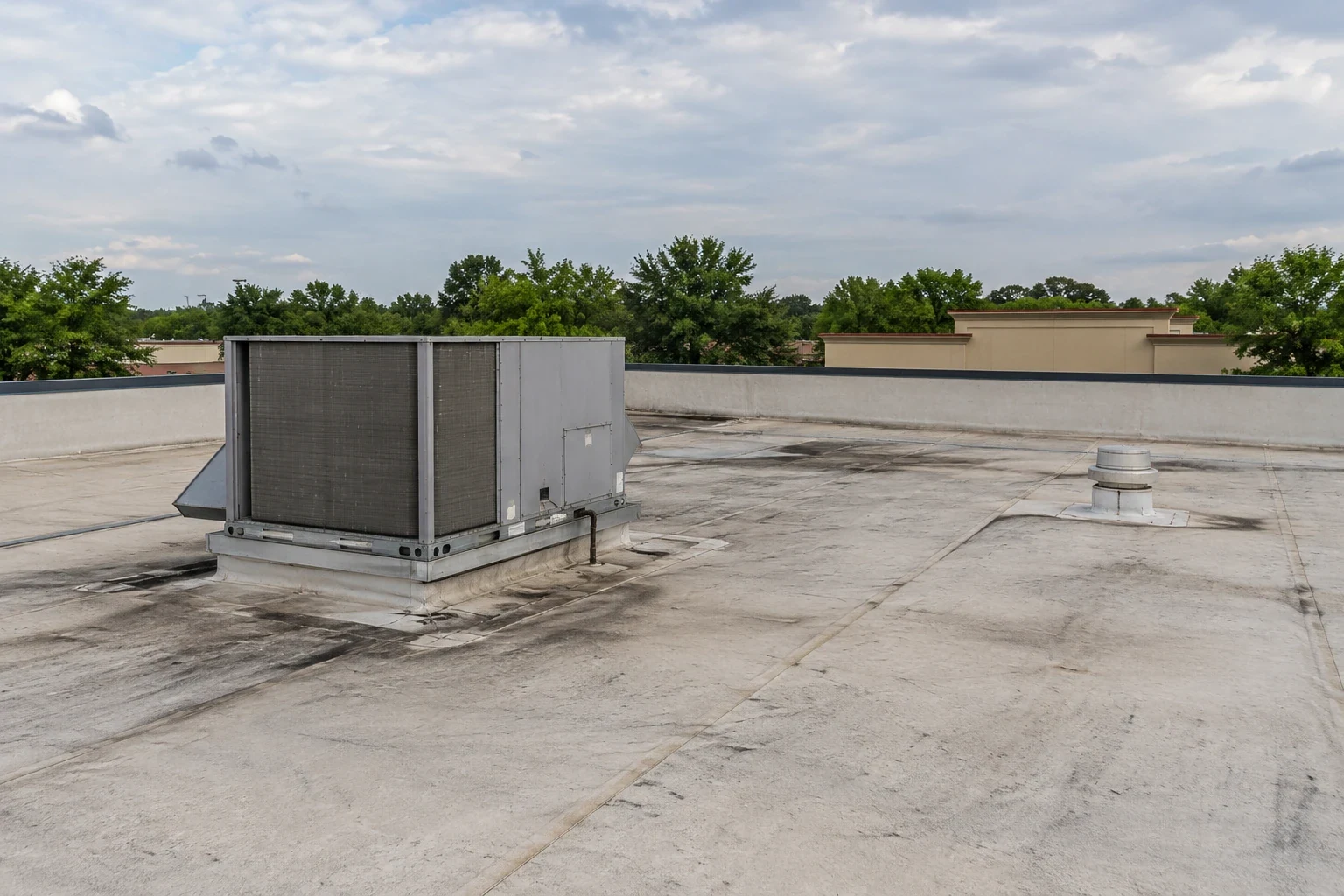
Roof inspections, repairs, and phased projects for school districts in Johns Creek, GA, planned around calendars, campuses, and student access.
Which school, wing, gym, cafeteria, or administrative building is tied to the roof concern? District roofing begins with the campus and room below the reported condition, then traces the likely roof area before anyone scopes removal. We record what we see, what we test, and what remains unverified. School buildings can have different owners, schedules, and access rules. The work plan should follow the actual district building list and the campus contact who can authorize roof access. The Technology Park Johns Creek employment area sits near GA 141/Medlock Bridge Road and McGinnis Ferry Road; campus bus and roof-access routes remain separate.
How should a district organize a roof survey?
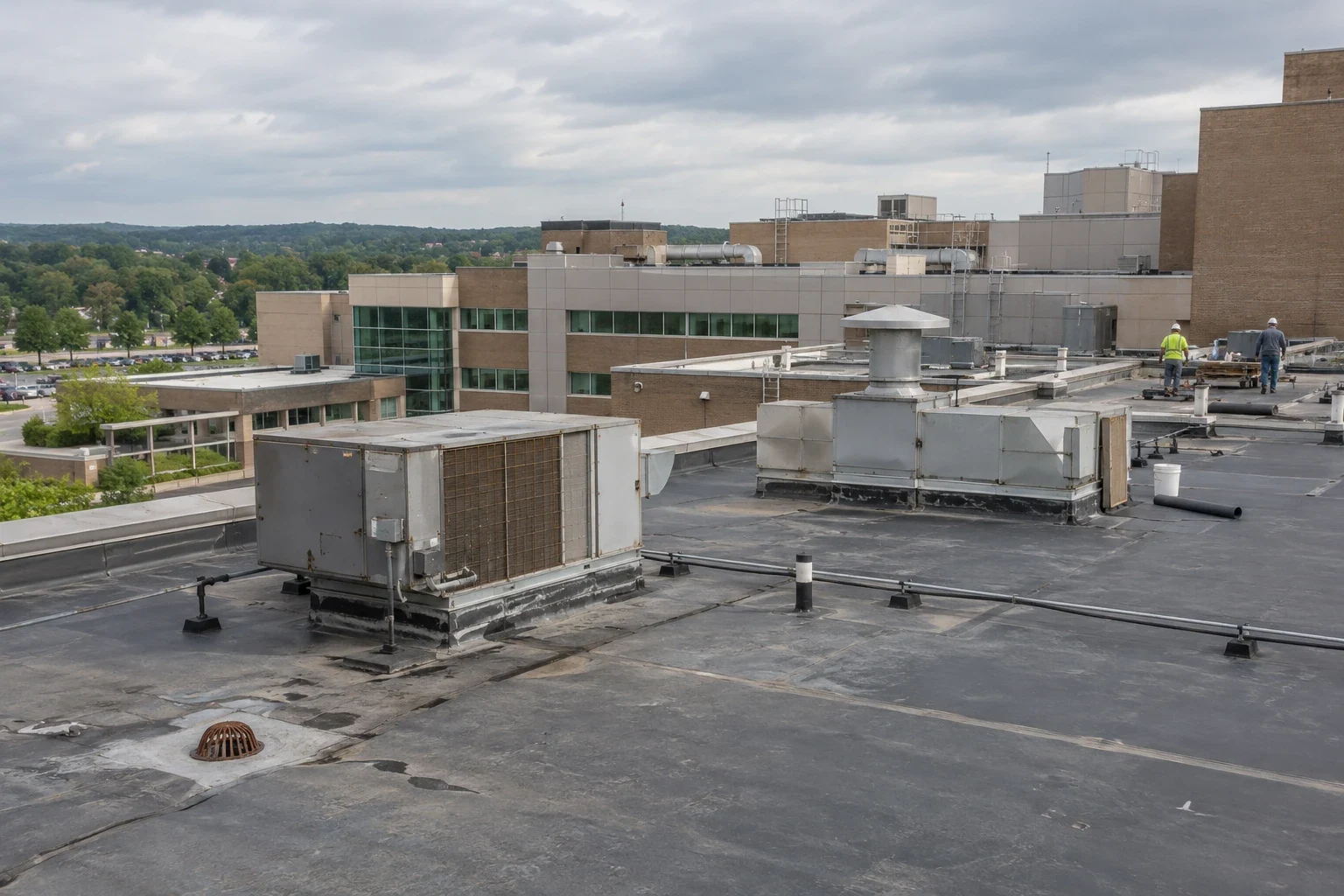
Industries We Serve from Commercial Roofers Johns Creek.
Start with a current roof plan, building name, room or ceiling location, leak date, prior repair notes, and the staff member who can arrange access. We compare the reported location with roof drains, seams, penetrations, curb flashing, edge details, and earlier patches. The closest roof point is a lead, not proof of the entry location. Water may travel along a deck, insulation joint, or framing before it appears in a classroom or corridor, so we document the path we can support and the areas we could not reach.
A commercial roof inspection can map visible conditions by building and roof zone. If an approved infrared moisture survey indicates an anomaly, we identify locations for direct confirmation rather than label every warm or cool area as wet. A roof condition report can keep photos, test points, and access limits with the relevant school record. District staff can then compare separate campuses without blending one roof's observations into another's.
Before arrival, the district identifies roof access, escorts, restricted rooms, alarms, and any advance-notice requirements. We confirm nearby kitchen exhaust, rooftop equipment, communications gear, and recent work. Prior plans, warranties, and closeout files can narrow the survey; Diligence Notes flag outdated drawings and areas that still need access. The survey boundary then supports a repair or capital decision.
How can roofing fit the academic calendar?
Districts often have limited windows between terms, during holidays, or over summer break, but an available week does not ensure that the full scope will fit. We confirm procurement timing, notice requirements, material lead time, school events, and when staff can release the roof area. A phased occupied-building reroofing plan can separate daily work zones and identify the point where each section must be watertight before crews leave. The district sets student and staff access controls; the roofing scope identifies lift placement, staging, noise, temporary barriers, and cleanup.
The planned Johns Creek Town Center mixes housing, retail, office, and hospitality nearby; school access remains campus-specific. We confirm the school calendar and site contact rather than assume a campus is empty when classes are out. A gym may host activities, a cafeteria may serve a summer program, or maintenance staff may need service access. The phase plan names the affected area and the person coordinating operations.
If the project cannot finish before students return, the district needs a clear interim plan. The scope should state which areas remain under construction, what temporary protection stays in place, how access is controlled, and who checks the building before reopening. Roofing over a classroom may also require an interior protection plan coordinated with facilities staff. We do not assume a room can simply be covered and left; the district identifies materials, equipment, or finishes that need special handling. The work sequence can then set realistic daily limits and identify the district decision needed if weather or a concealed condition changes the schedule.
When does a leak repair become a capital project?
A loose flashing edge, isolated puncture, or failed seal may have a limited correction when nearby material and attachment remain sound. Several wet areas, deteriorated insulation, repeat leaks across multiple rooms, or deck damage can justify evaluating a wider assembly. We distinguish confirmed findings from assumptions and show the line between repair quantities and any allowance for concealed conditions. A proposal should identify the roof zone, material, access method, disposal, interior protection, and what approval is required before added work begins.
When water threatens electrical equipment, classroom materials, a server room, or food-service equipment, the district may need a temporary response while a permanent scope is developed. We record the material used, the affected building, and the next inspection needed to verify the roof detail. If the district calls for emergency roof repair, that response stabilizes the immediate condition; it does not automatically establish the full repair or replacement quantity. The permanent decision should follow the observed assembly and test results.
For a multi-building proposal, separate each roof's findings, quantities, and schedule. An open perimeter detail at one campus and wet insulation at another should not be combined into a generic line item. The district can compare immediate safety, repeat calls, and renewal needs while retaining each building's evidence. Name the contact responsible for any required mechanical shutdown.
What should staff check after heavy rain or wind?
A new ceiling mark is a reason to inspect, not a diagnosis. We compare the report date with the roof condition and check seams, penetrations, drains, scuppers, edge metal, and previous repairs around the likely area. A drain and scupper repair belongs in the scope only when the observation supports a drainage correction. Staff can help by recording the room, time, weather at the time of the report, and whether the mark changed after the next rain. That timeline can narrow the investigation.
Atlanta climate normals include precipitation in each month, and the region can experience strong thunderstorms. Districts should base a repair decision on the roof itself: displaced edge material, an open seam, a puncture, or a drain detail that fails inspection. A regional warning does not tell us whether an individual school has damage. Weather also affects the safe duration of an open work area. We set the daily boundary around conditions and the district's access plan, then document temporary dry-in before leaving the site.
Runoff can cross a bus loop, accessible entrance, play area, or pickup lane. The district identifies routes that must stay clear, and we confirm that temporary drainage and staging will not redirect water toward pedestrian areas.
What should be in the district's closeout file?
Keep the building and roof area, dated photographs, repair material, test locations, approved quantities, access limits, and remaining items together. The closeout should say whether the work was permanent or temporary and identify any area not included. If the contractor encountered a concealed condition, record the district's decision and the resulting change in scope. A consistent file helps a facilities manager respond to a later leak without relying on memory or an undated invoice.
For a school near Johns Creek, confirm the district, building, and authorized access contact before dispatch. A public agency or district purchasing contact can provide bid and file requirements; a property management team can arrange entry when it controls the facility.
A portfolio summary can compare inspected buildings, confirmed repair needs, and open tests, while each roof file retains its own photos, approved quantities, warranty, and maintenance responsibilities.
Commercial Roofing Questions
Can roof work continue while a school is open?
We identify the work zone, access route, staging area, daily dry-in point, and rooms that may need protection. District staff set student and employee restrictions, and the sequence reflects those rules.
What should a school report when water appears indoors?
Record the building, room, date, time, and any change after rainfall. A roof plan, prior repair file, and access contact help us trace the report without presuming the nearest roof detail is the source.
Can summer break support a full reroof?
That depends on roof size, material availability, weather, access, and any summer programs or facility use. We can phase the work and state what must be complete before the school reopens.
Can one inspection cover several schools?
A district can arrange a multi-campus program, but observations, test limits, photos, and repair quantities should remain tied to each building. A summary can compare findings without merging separate roofs.
Back to Industries We Serve, or request a roof assessment and call 555-555-5555.