Commercial roofing in Johns Creek, GA
Repairs, replacement and maintenance
Roof Systems
The system name is only a starting point for a commercial roof decision. Existing layers, attachment, insulation, deck, drainage, edge details, repairs, and moisture can change what work is appropriate. Commercial Roofers Johns Creek documents the assembly that can be verified and identifies questions that need testing or records. Each assembly has different inspection points, compatibility limits, and repair details. Confirm which system is installed at the property before choosing a work method.
Single-ply membranes
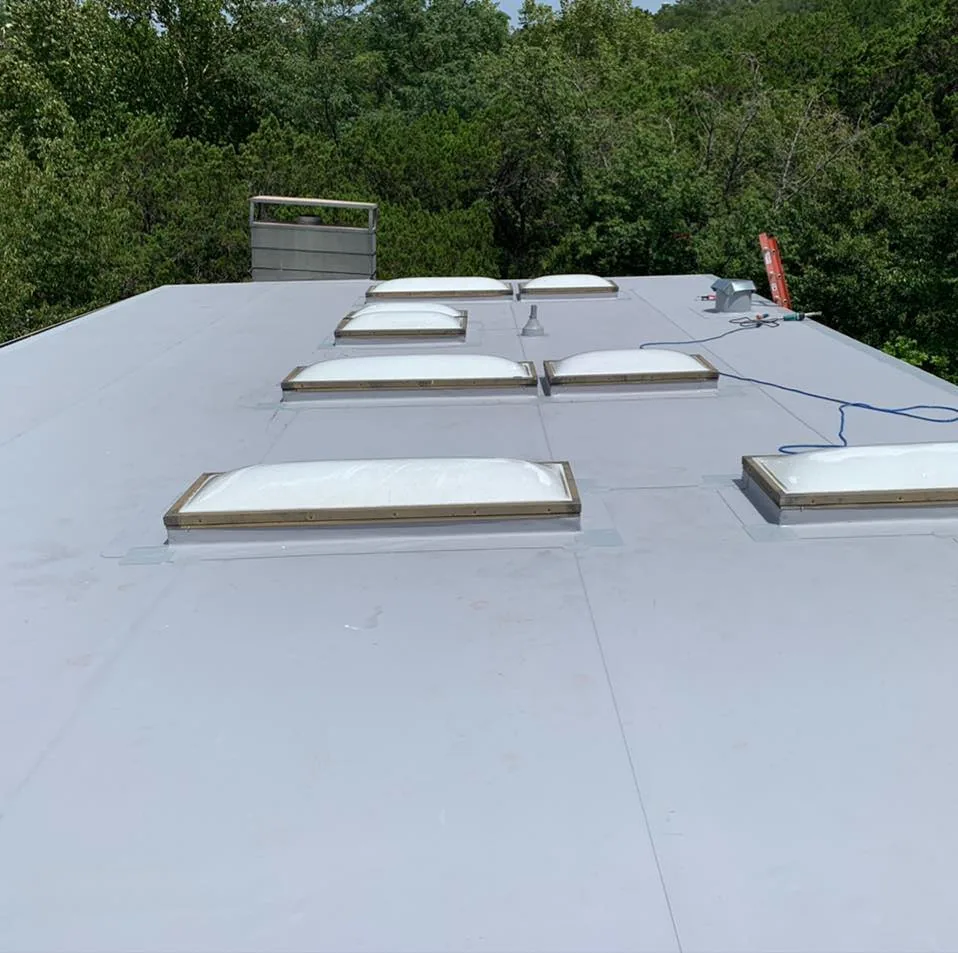
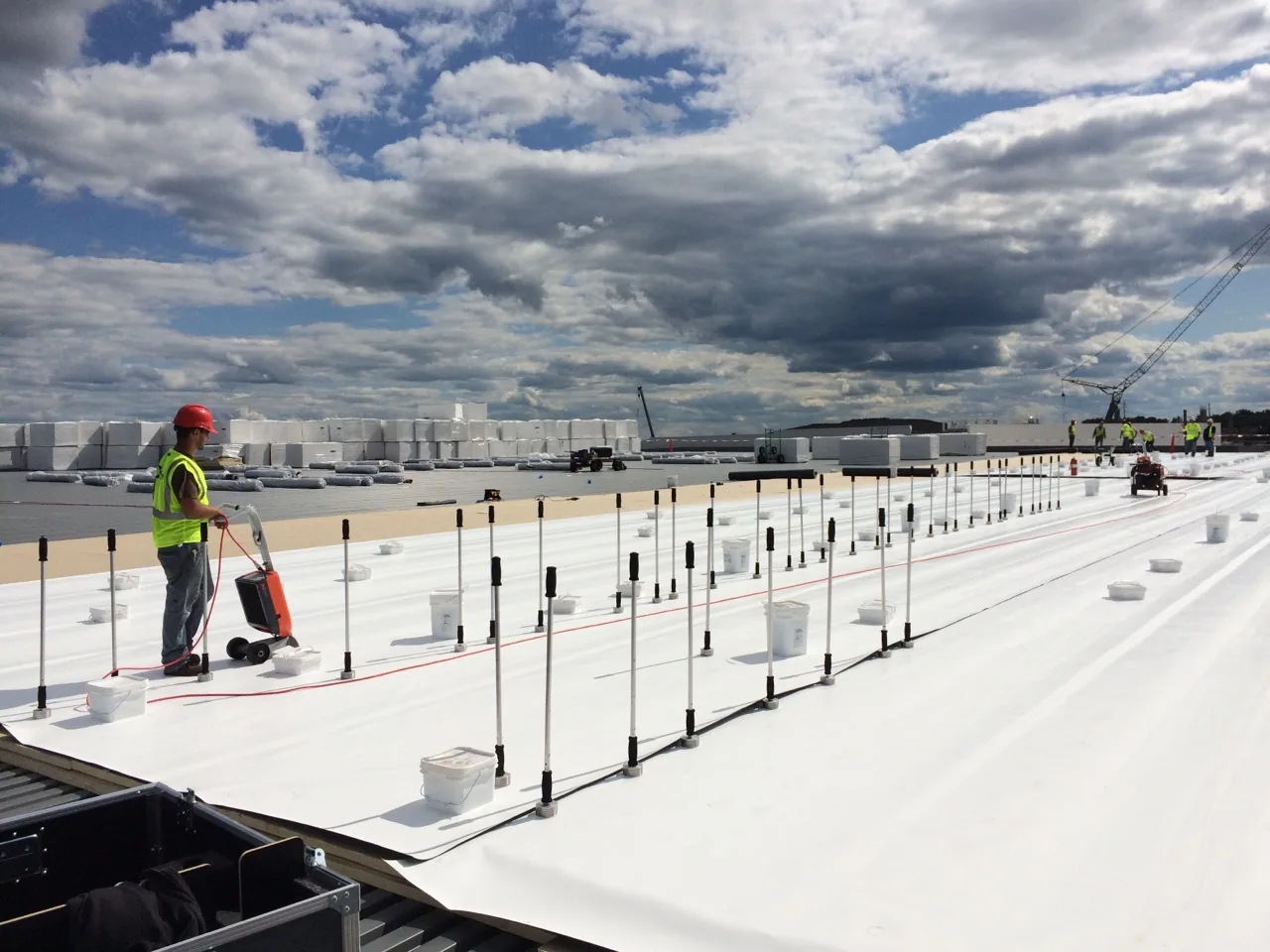
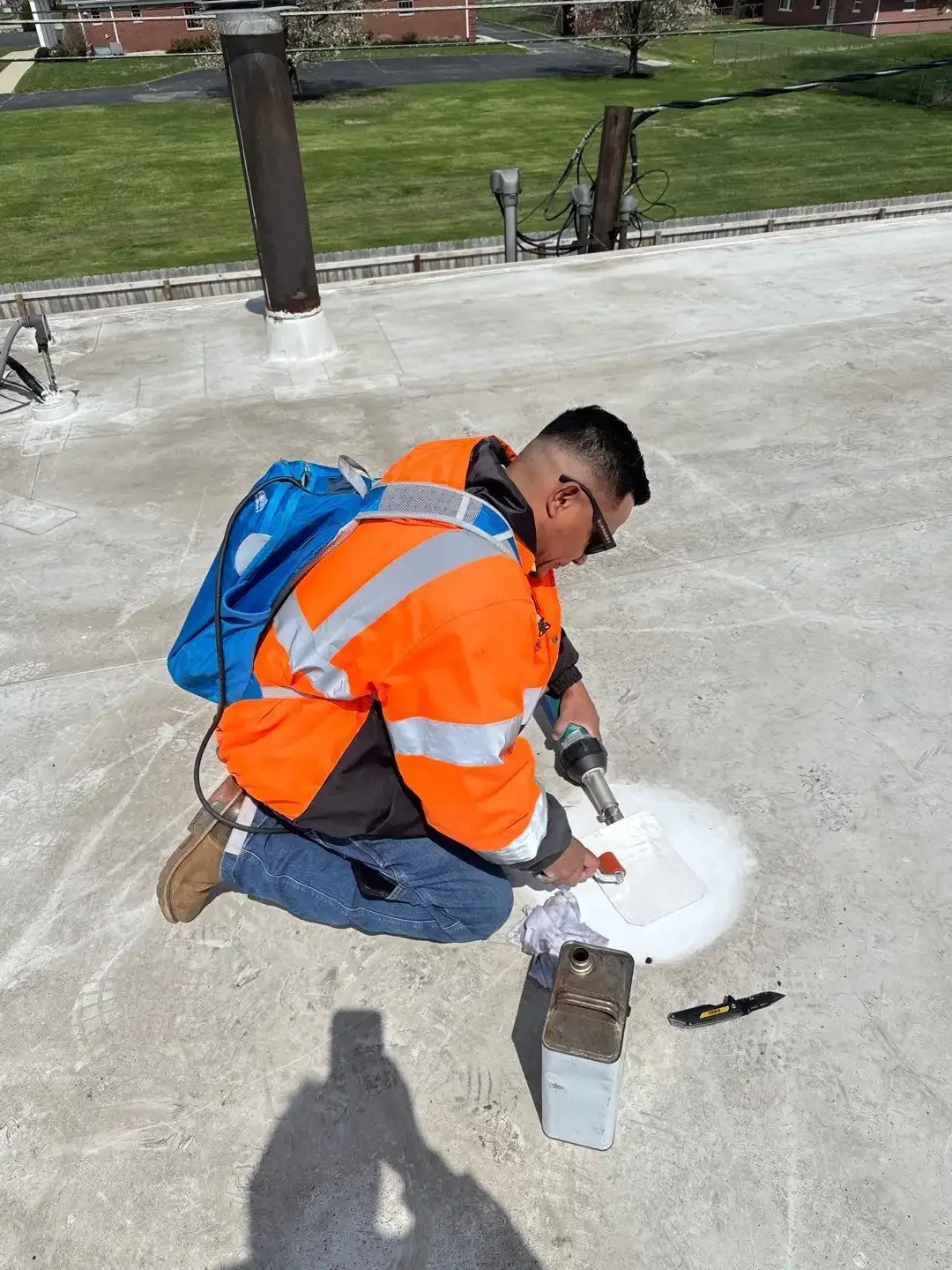
TPO roofing and PVC roofing rely on welded seams and compatible flashing details. Inspection should identify seam condition, patches, penetrations, attachment, and transitions to curbs or walls. EPDM uses a different seam and repair approach, so products and preparation must suit the existing membrane. Do not select a patch based on color alone. Verify system records or confirm material in the field before proposing work.
Metal and built-up assemblies
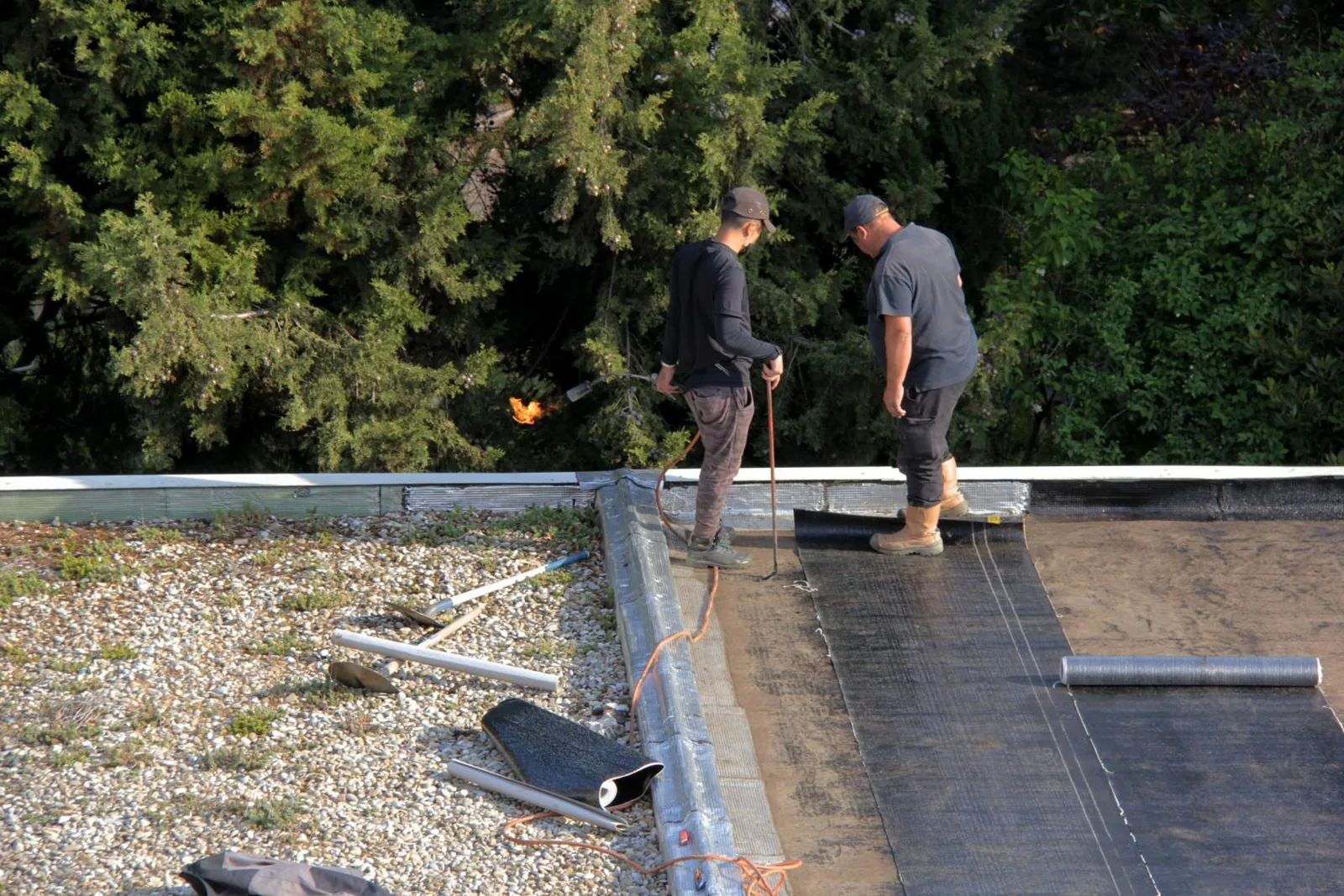
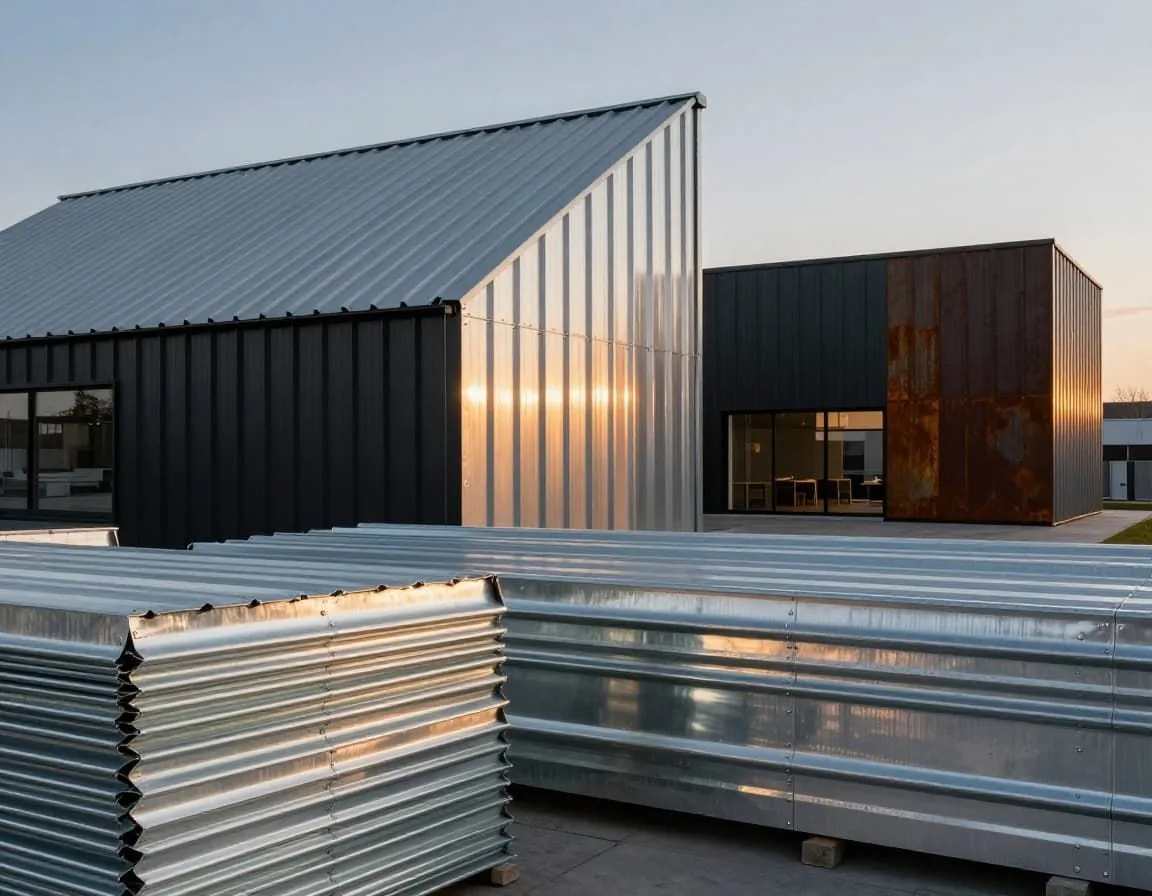
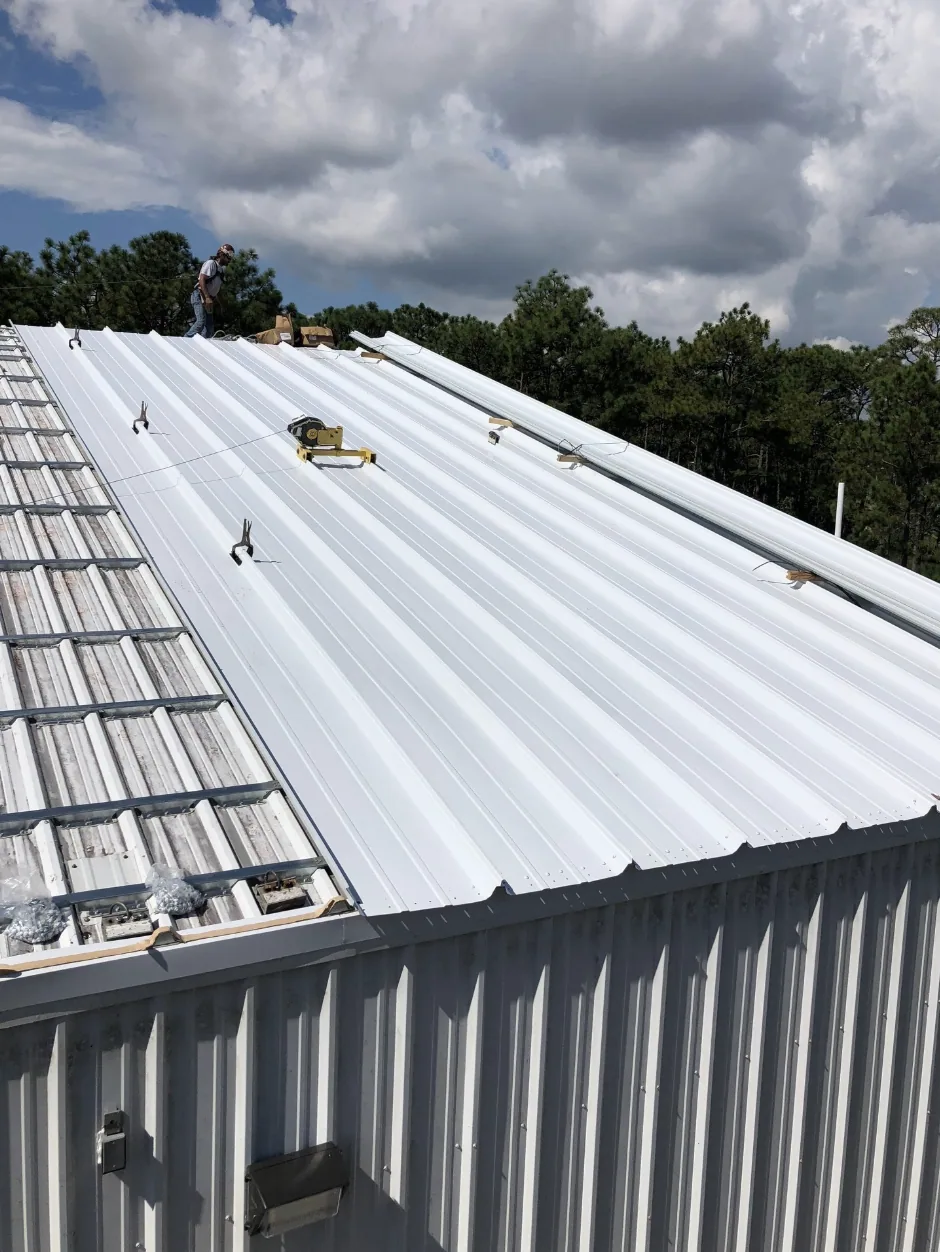
standing-seam metal roofing requires attention to panel laps, fasteners, coatings, penetrations, and movement at long runs. For modified bitumen and built-up roofing, inspect laps, surfacing, transitions, blisters, and evidence of prior overlays. A visible surface condition may not reveal the deck or insulation beneath it. Record what was observed and identify when a test opening or further investigation is needed.
Recover, coating, and replacement choices
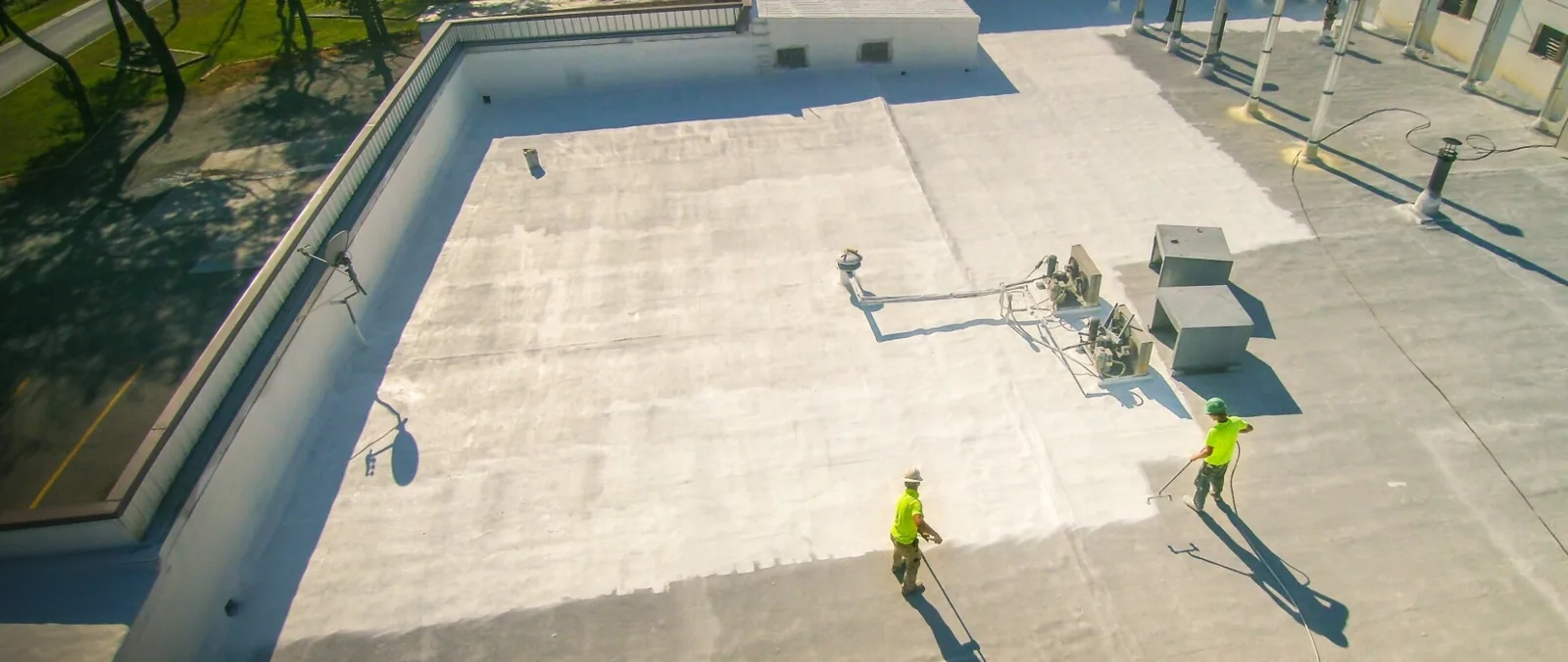
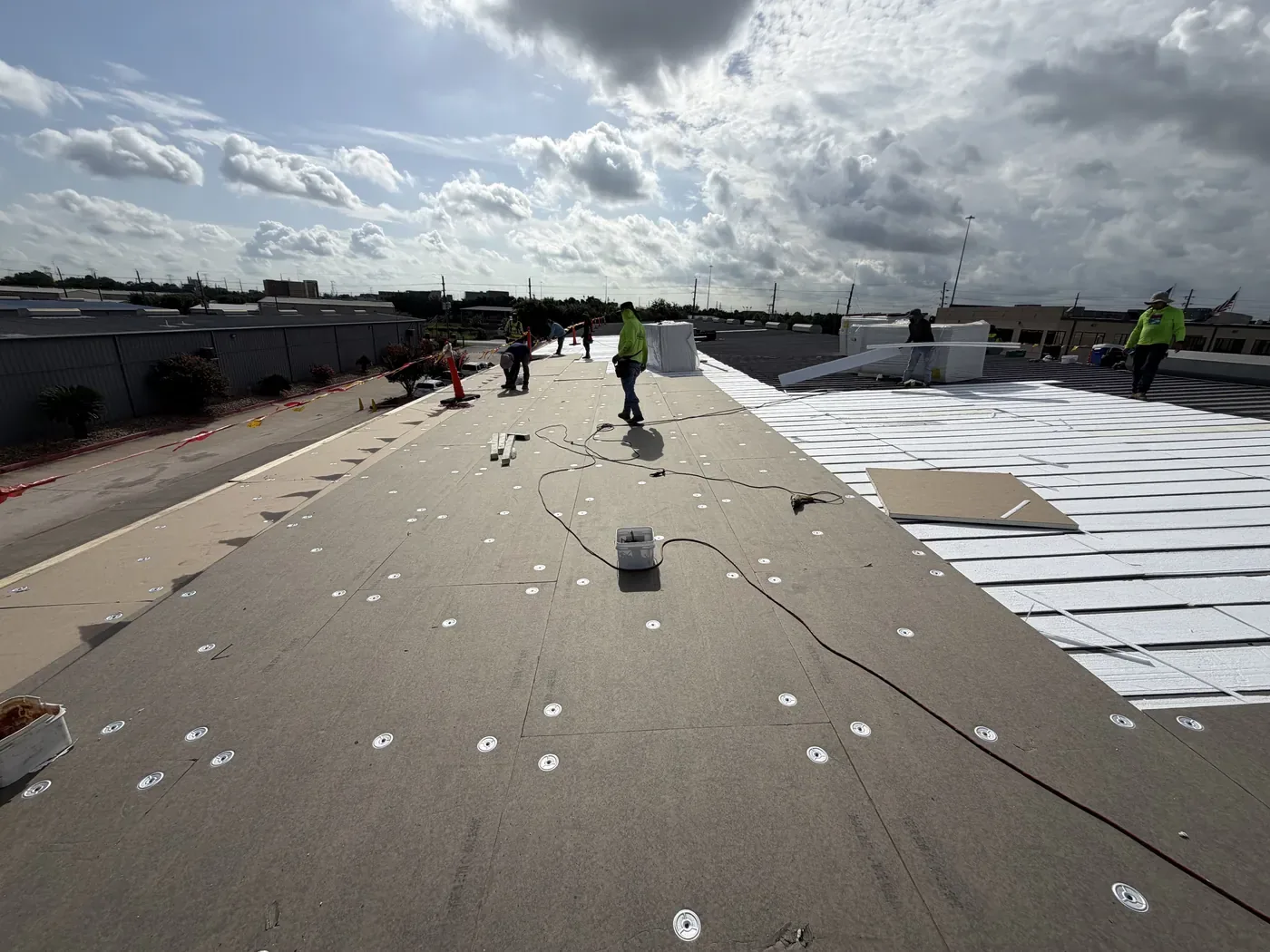
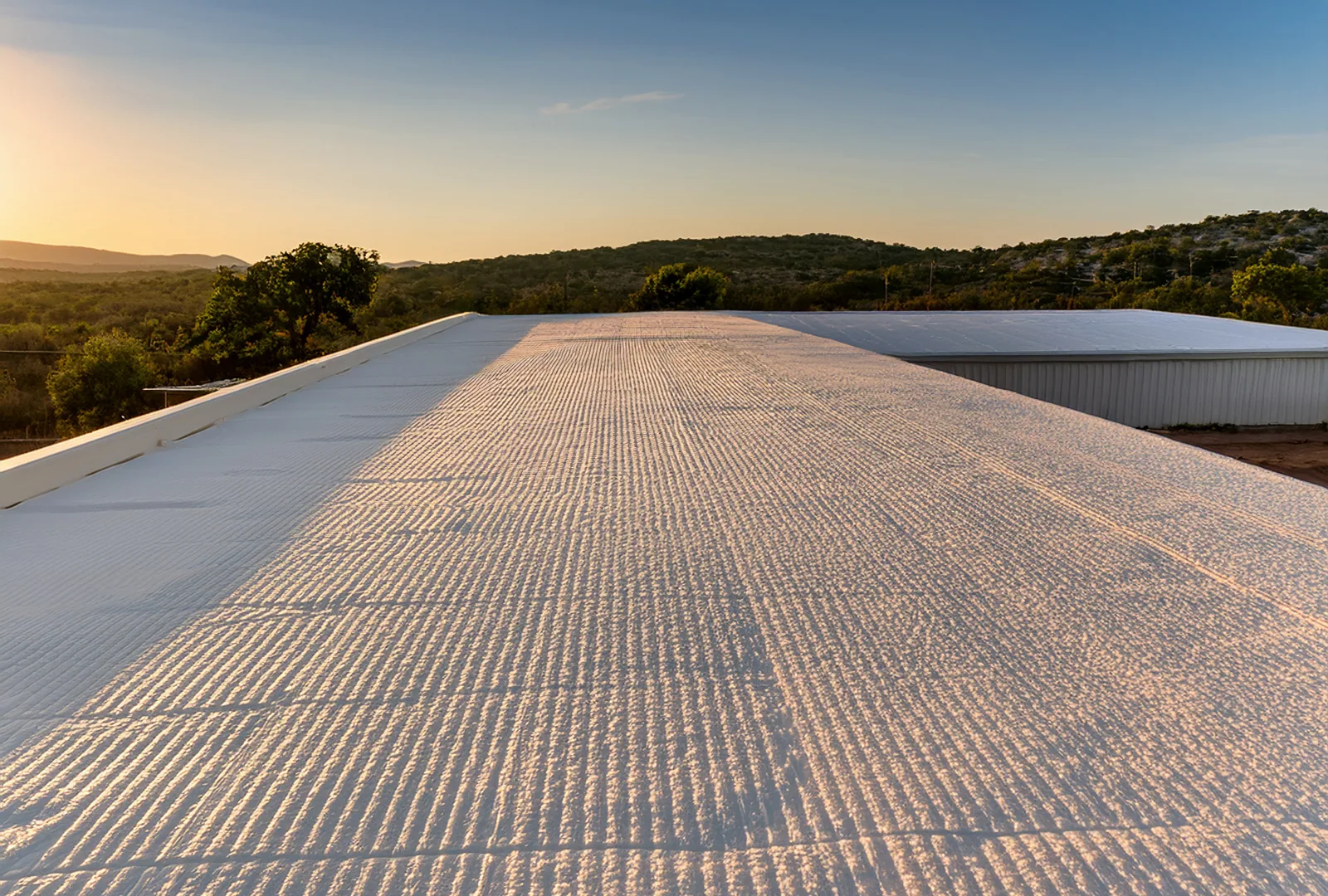
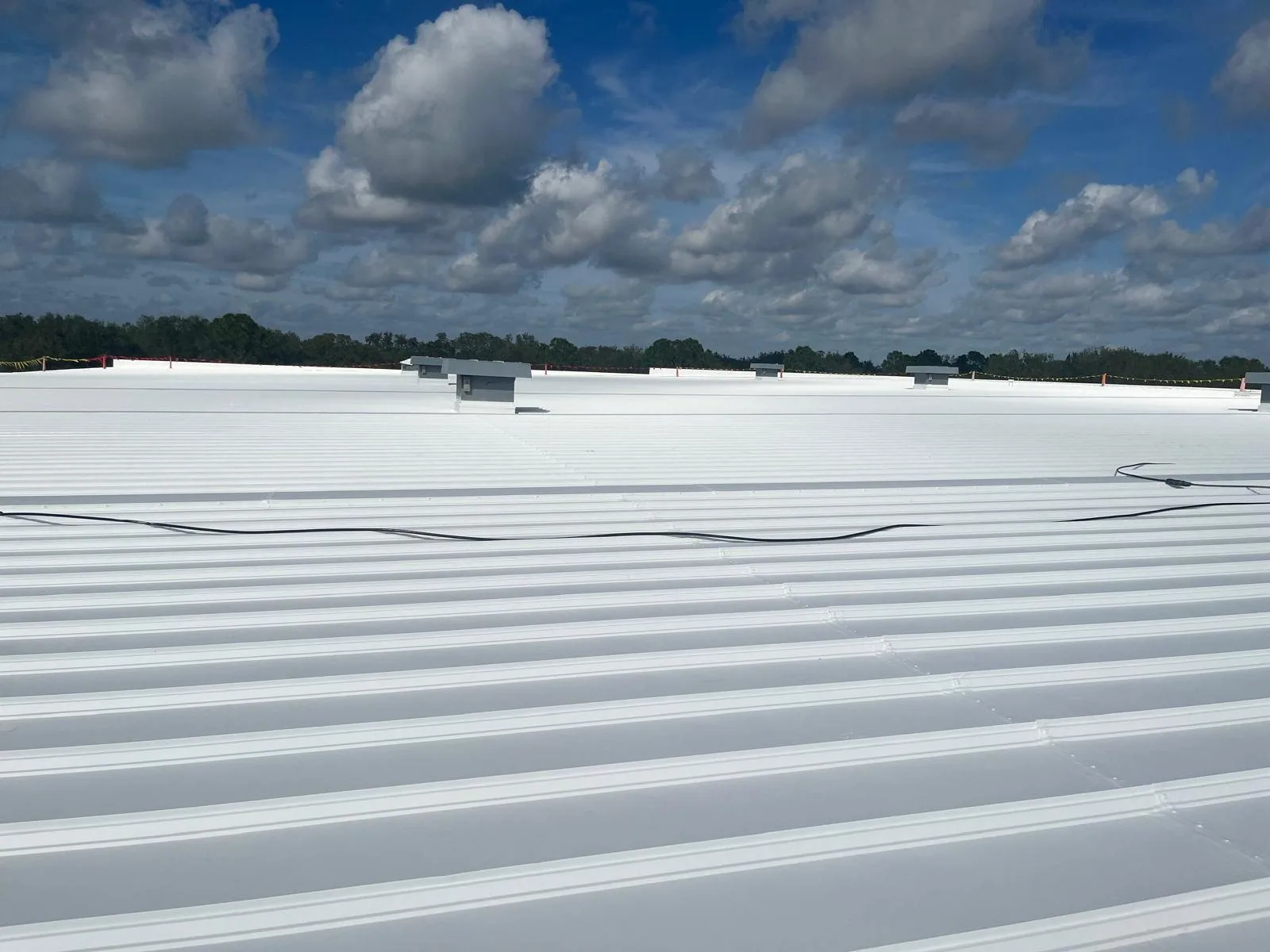
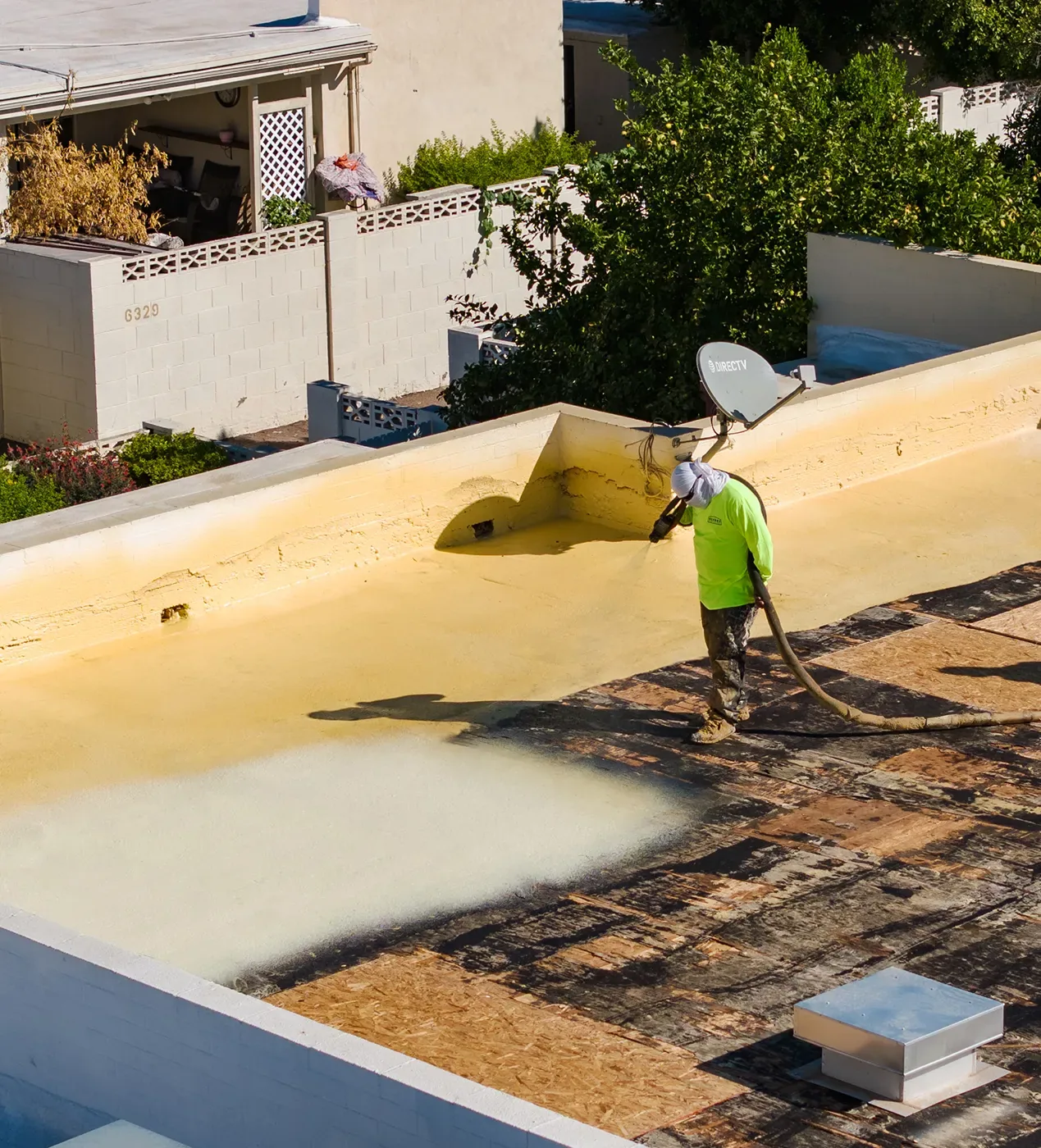
A recover or coating is appropriate only when the existing substrate and assembly support it. Confirm layer count, moisture, deck capacity, drainage, edge height, and compatibility before comparing an overlay with removal. An silicone coating system may require adhesion testing and repair of failed details before another application. Replacement planning should state tear-off assumptions, insulation work, penetrations, edge transitions, and closeout testing. The scope should distinguish known conditions from contingencies.
Build the decision around the roof
Whether a property is an office in Technology Park Johns Creek, a mixed-use building near Town Center, or an industrial facility along the regional service area, a system recommendation should come from that building’s records and inspection. Share drawings, prior repairs, and warranty information where available. The report should identify the roof zones reviewed, access limits, and evidence supporting the next step. Roof system compatibility should be confirmed before work is authorized.
Commercial Roofing Questions
Can the roof system be identified from an aerial image?
An image may help locate roof areas, but it rarely confirms the membrane, attachment, layers, or hidden damage. Records and field inspection are needed.
Can a coating go over any existing roof?
No. The substrate condition, moisture, adhesion, compatibility, drainage, and manufacturer requirements need review before that option is specified.
When is a test cut useful?
A test opening can confirm layers, insulation, and deck condition when records or non-invasive observations leave a material question unresolved.
Should repairs use the same brand as the roof?
Compatibility matters more than a label alone. Confirm the existing material and select a repair detail suitable for that assembly.
Planning roof work? Request a roof assessment or call 555-555-5555.