
Commercial roofing in Johns Creek, GA
Repairs, replacement and maintenance
Commercial Silicone Roof Coatings in Johns Creek, GA
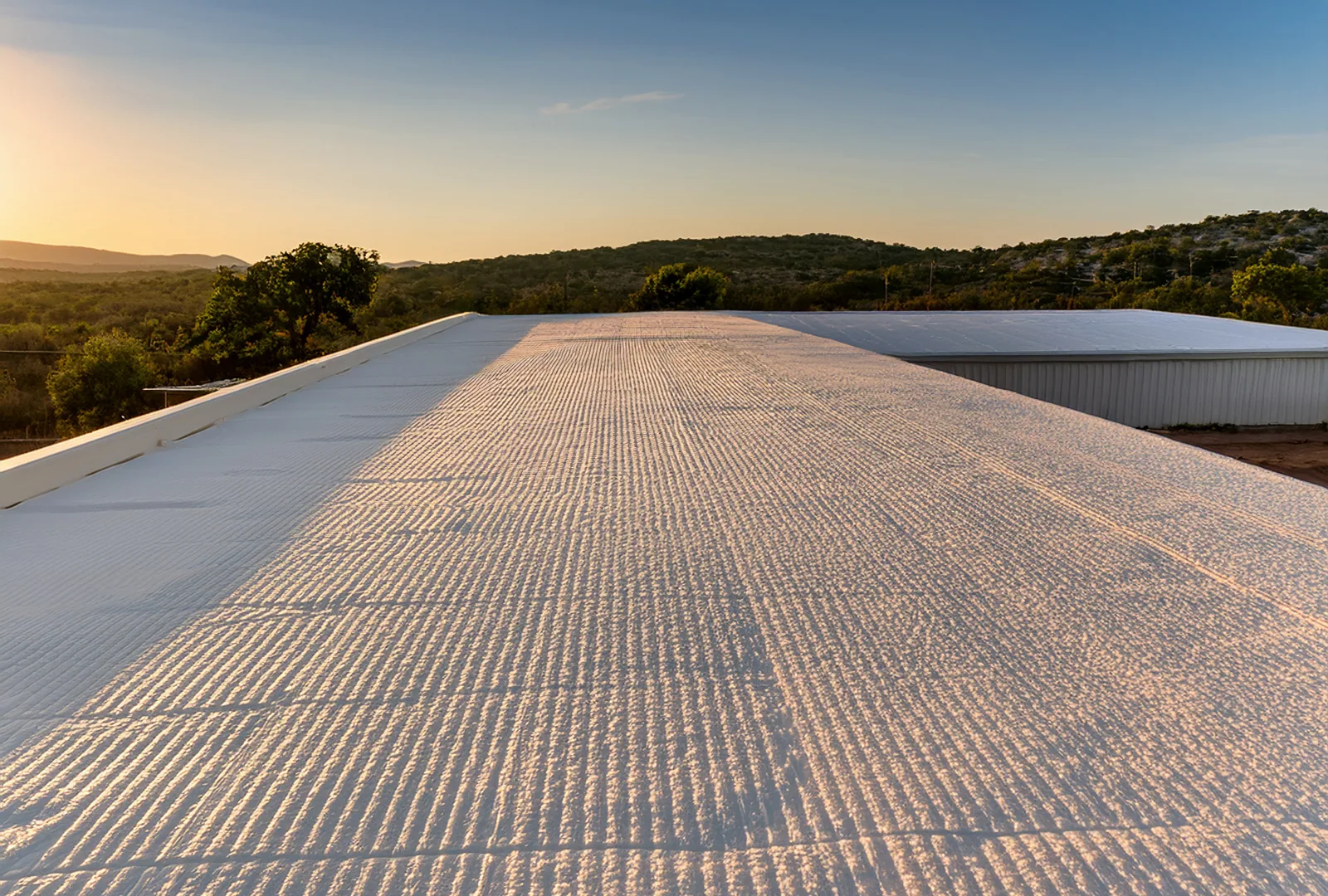
Review Johns Creek silicone roof coating for substrate compatibility, ponding exposure, adhesion, surface preparation, and clear restoration limits.
Will a silicone roof coating bond to this surface and address the condition that is actually present? The answer comes from substrate type, adhesion, moisture, drainage, and the details that interrupt the roof field. Silicone can serve as a protective coating over eligible roof assemblies, but it does not dry wet insulation, reconnect loose membrane, or repair a weak deck. We inspect those conditions before setting a coating boundary. Atlanta's rainfall throughout the year makes water management a practical factor, while each property's roof slope and outlets determine how that exposure plays out.
What surfaces can accept silicone?
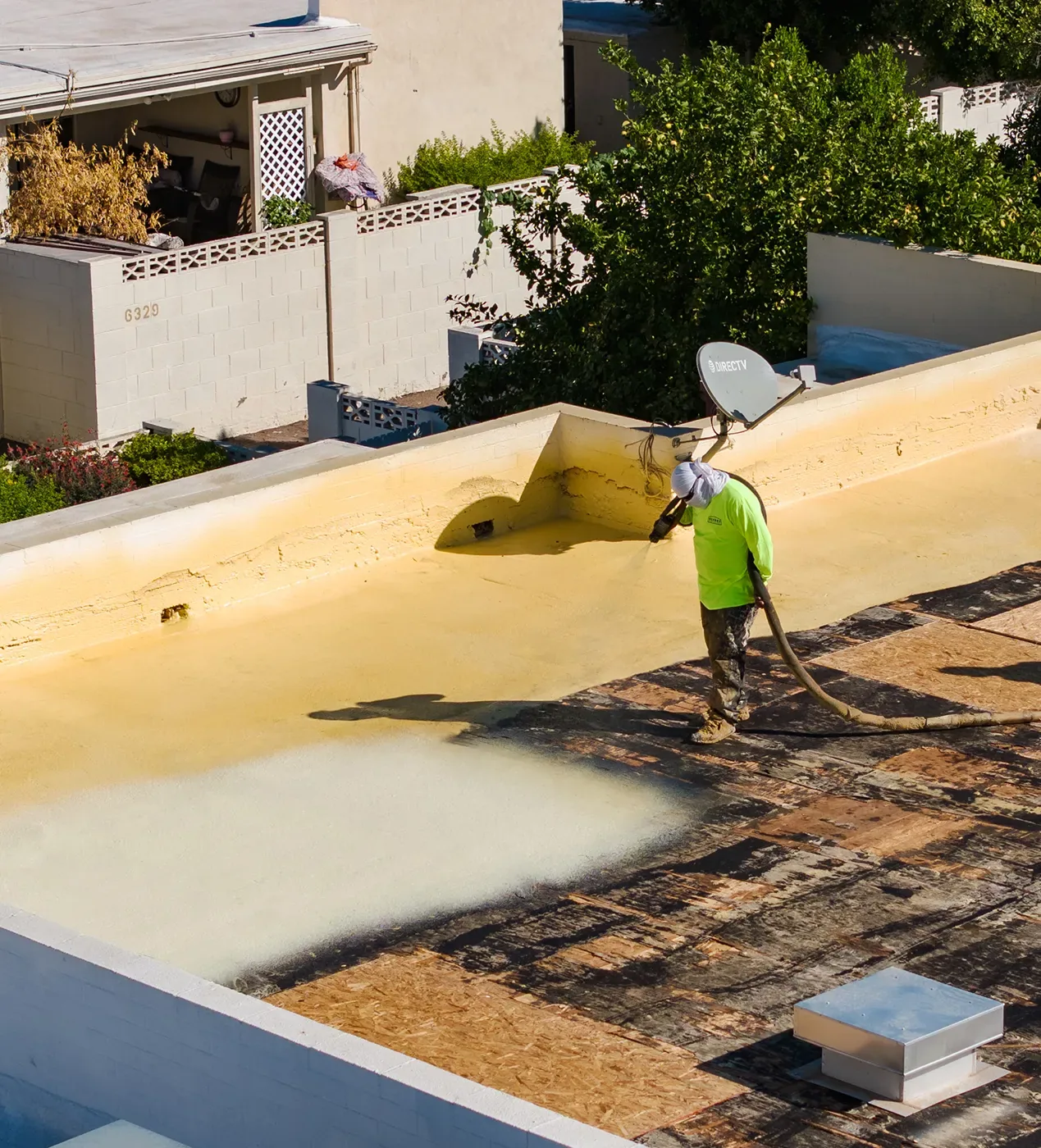
Roof Systems from Commercial Roofers Johns Creek.
Existing membrane, metal, built-up roofing, and spray foam each have different preparation and compatibility needs. We identify the surface and any previous coating, then remove dirt, loose material, and contaminants as the product instructions require. An adhesion test can show whether the selected primer and coating bond to a prepared sample. If the substrate is wet, unstable, or too deteriorated, coating over it may trap the defect instead of restoring the assembly.
We inspect field areas, seams, curbs, drains, and edge transitions separately. A sample test should include the surface condition expected across the roof, not only the cleanest spot. The written scope names the product type, primer, preparation, reinforcement at details, and coverage requirement. A roof coating restoration inspection can identify zones suitable for coating and areas that need repair or removal. If foam is the base, a spray foam roof review should also examine foam condition beneath the topcoat.
How does silicone handle standing water?
Many silicone products tolerate ponding better than some alternative coating chemistries, but performance depends on the specified product and the actual roof details. A coating does not create slope or clear a blocked drain. We map low points, outlets, overflow paths, and ponding duration, then distinguish a drainage correction from coating work. The proposal should describe any area where standing water remains and identify what will be done to improve flow, if that is in scope.
Atlanta climate normals show precipitation in every month, which makes it useful to document outlets and low areas during routine maintenance on Johns Creek buildings, not only after a storm. We check drain strainers, scuppers, and transitions that can collect debris. If water exits are compromised, a drainage inspection can be coordinated before coating. The product's cure limits and the current forecast determine when the coated surface can take rain exposure.
What preparation controls adhesion?
Preparation may include cleaning, removal of loose coating, drying, repairing splits, treating corrosion, and reinforcing seams or penetrations. The exact steps depend on the roof. We protect rooftop equipment, intakes, walls, and walkways from wash water and overspray, then check the substrate again before application. Coating over chalking, oil, loose granules, or wet material can impair adhesion and leave a repair hidden below the new surface.
At curbs, pipes, drains, and perimeter edges, the coating system may require reinforcement or a separate flashing detail. We identify these transitions and show them in the scope. Silicone's low surface energy can make later coating or repair products difficult to bond, so the owner should retain product records and maintenance instructions. Future trades need to know which coating is present before they apply sealant or install supports. The closeout record should name the system rather than simply state that the roof was coated.
When can silicone be applied?
Surface dryness, substrate temperature, humidity, wind, and the product's cure limits control application. The crew verifies these conditions in the work area, lays out sections that can be completed, and protects transitions before stopping for the day. Rain can wash or impair uncured material, while excessive heat may change handling and working time. We follow the current product instructions and check the actual roof rather than treat a forecast as an automatic approval.
North and central Georgia severe weather includes damaging winds, hail, and tornadoes. That regional pattern is context for inspection and scheduling; it does not establish damage at an individual roof. If a storm is forecast during application, we leave no unfinished edge without a planned tie-in. Near Medlock Bridge and State Bridge roads, access on an active commercial property may affect crew staging and protection below. At Technology Park Johns Creek, the office and industrial mix makes rooftop service coordination a site-specific part of the work plan. We coordinate delivery, equipment access, and notices with the building contact before mobilizing.
Is silicone the right coating chemistry?
Silicone may fit some roofs exposed to standing water, but the selected product, surface, maintenance expectation, and future recoating plan still matter. Acrylic coatings have different application and water-exposure characteristics. We compare the roof's slope, climate exposure, surface, and project requirements rather than select by product category alone. An acrylic coating system may fit a different substrate or project condition, subject to its own adhesion and weather limits.
Coating thickness and coverage should be specified, with enough material at seams and reinforced details where the system requires it. We identify the proposed area, excluded zones, preparation steps, and any correction to drains or curbs. If adhesion tests fail, the affected surface needs a different treatment or removal. If moisture testing finds wet insulation, we map those areas and price them separately. A coating is the top layer of a roof plan, not a substitute for a roof condition assessment.
What should remain after application?
The owner should receive product identification, preparation and repair notes, application dates, weather conditions, coverage records, and photos of drains, seams, curbs, and edge transitions. We list areas not coated and any open item that needs follow-up. Maintenance guidance should describe which cleaners, sealants, or repair products are compatible. That record can prevent a later service call from adding a material that does not bond to the installed surface.
Provide the prior silicone product name, last application date, test locations, ponding sketch, roof plan, and site contact. We will check adhesion, map areas needing detail repair, and report whether the surface can take a fresh silicone layer. The roof condition report can record the tested zones and closeout findings. For owners coordinating other local buildings, our Johns Creek Town Center service area provides coverage context while each roof receives its own survey.
Commercial Roofing Questions
Can silicone be applied where water ponds?
Some silicone products tolerate ponding, but the roof still needs assessment for drainage, substrate condition, and the specified product's limits. We map low areas and identify whether an outlet or slope correction is part of the project. The coating scope should not imply that standing water has been removed if it remains.
Will silicone coat over an existing acrylic layer?
Compatibility cannot be assumed from the coating names. We identify the existing surface, prepare a test area, and confirm adhesion and primer requirements. Failed adhesion or an unknown coating history may require removal or another restoration plan.
Does a silicone coating stop every roof leak?
It can protect an eligible, prepared surface, but open seams, wet insulation, failed flashing, and deck damage need separate correction. We inspect the assembly and document repairs before application. Any leak path outside the coated zone remains a separate issue.
Can the roof be coated during a rainy week?
Application proceeds only when the surface and forecast fit the selected product's cure and weather requirements. We divide the roof into sections and protect each day's tie-in. If rain arrives before cure or the surface is damp, the schedule pauses until conditions are suitable.
What happens if a future repair needs another coating?
The installed silicone product and maintenance record should be checked before applying another layer. We identify compatible preparation and repair materials or remove unsuitable areas as needed. Keep the product information with the roof file so future work starts with the actual system.
Back to Roof Systems, or request a roof assessment and call 555-555-5555.