Commercial roofing in Johns Creek, GA
Repairs, replacement and maintenance
Commercial Wind Damage Roof Repair in Johns Creek, GA
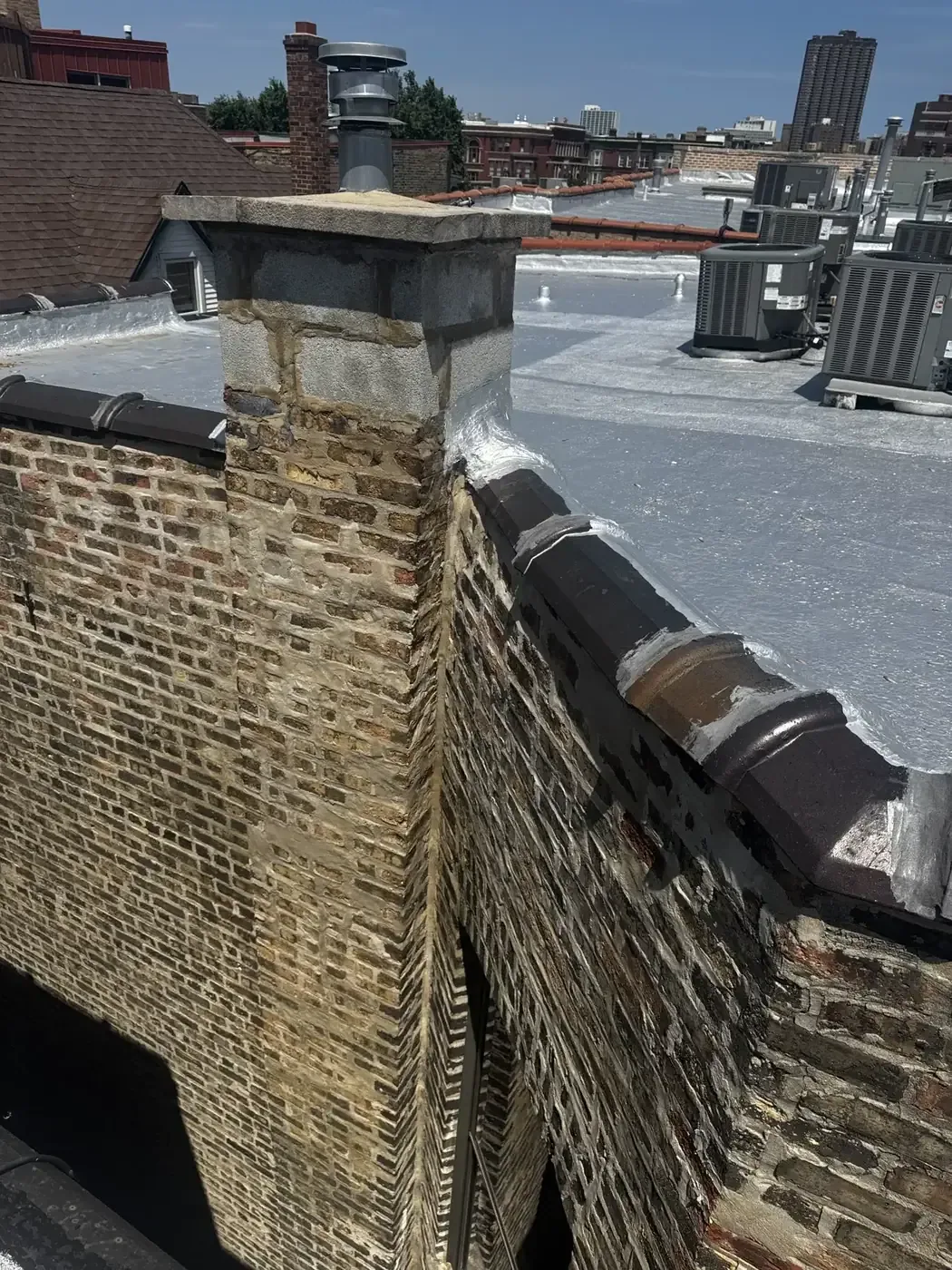
Commercial roof inspections and repairs after wind damage in Johns Creek, GA, with documented findings, temporary protection, and defined repair scopes.
Did wind displace an edge, loosen a panel, open a seam, or push water into the building? We inspect the affected roof and document what changed before describing a repair. A storm report is a reason to look; it does not establish damage at a particular property. Johns Creek's Technology Park and Town Center have varied commercial buildings, and nearby Alpharetta, Roswell, and Suwanee extend the regional service area. Each site needs its own roof plan, access contact, and inspection record.
What should a wind inspection check?
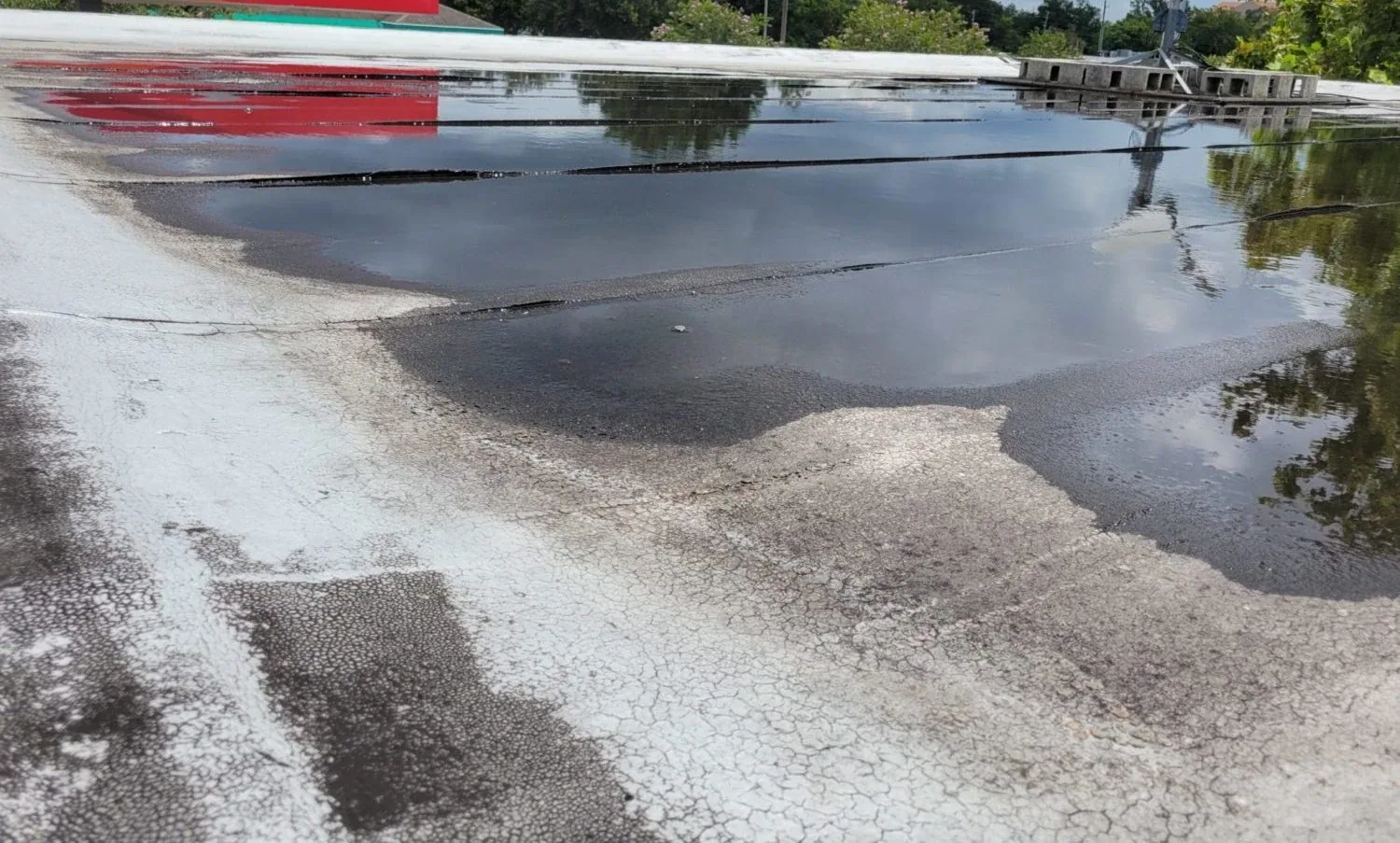
Roof Damage Repair from Commercial Roofers Johns Creek.
We start with the building name, roof plan, reported time, interior locations, and any prior service record. The inspection checks perimeter metal, coping, flashings, fasteners, membrane edges, penetrations, rooftop equipment, and drainage paths. A lifted corner may indicate a local attachment issue, while widespread movement or displaced components can point to a larger area for testing. We photograph the detail in context and mark where the observation sits on the roof plan.
A commercial roof inspection can establish visible conditions and access limits. If the report includes suspected moisture below the surface, an infrared moisture survey may help select areas for confirmation. A test opening or other direct method is needed when the assembly cannot be verified from the surface alone. We record what was tested, what it showed, and what remains unknown so the owner can make a decision on evidence rather than a weather headline.
Johns Creek's Medlock Bridge and McGinnis Ferry roads meet in the Technology Park employment area, where office, retail, and industrial properties sit in one broad district. That variety means nearby buildings may have different roof systems and edge conditions. A location reference helps route an inspection, but it cannot tell us whether the site has metal panels, membrane, a coating, or multiple roof layers. The report should identify the actual assembly where observed and call for further review where that is not possible.
When is temporary protection needed?
If water is entering an occupied space or loose material presents an immediate concern, temporary stabilization may need to come before a complete repair design. We identify the affected area, safe access route, material used, and limitation of the temporary measure. A roof emergency response can reduce exposure while a follow-up inspection confirms the underlying condition. It does not automatically establish the permanent boundary or the amount of material that must be replaced.
At an occupied office, a retail entrance, or a loading area, coordinate interior protection and public access with the property contact. A phased work plan can state when each roof section will be open, how it is closed at the end of the shift, and which route needs to remain clear. If wind conditions make rooftop work unsafe, the crew should defer exposed work and document what can be completed safely. The owner's contact decides whether interior operations continue or a space is restricted.
Temporary protection should be checked after the next weather period and recorded before the permanent repair is scheduled. Note any water that remains, material that moved, and areas that were not covered. If another vendor controls rooftop equipment or interior drying, list the handoff and who is responsible for the next visit. That keeps a temporary measure from being treated as a completed correction when the detail still needs inspection.
How is the permanent repair bounded?
A repair may involve re-securing edge metal, replacing damaged fasteners, restoring a seam, repairing flashing, or replacing a section of membrane, depending on what inspection confirms. We identify the specific component and the transition to sound material. If a larger area has lost attachment or water reached insulation or deck, the repair may need testing beyond the visibly displaced section. Scope should not assume that a small visible opening is the full extent of damage.
The proposal names the building and roof zone, measured work, materials, access, disposal, interior protection, and any concealed-condition allowance. If testing finds additional damage, we document location and quantity, then request direction before extending the scope. The owner can compare a focused repair with a broader renewal option when evidence supports either choice. A storm damage roof repair can be scoped after the field inspection establishes which roof details are affected.
Wind can move rooftop equipment accessories or debris without damaging the membrane. We check the flashing and fasteners at the affected interface and note whether an equipment vendor must reset or reconnect anything. If a vendor's work caused a new opening, identify the trade handoff and schedule the roofing correction after equipment placement is final. That avoids restoring a roof detail that another planned task will disturb.
What does regional weather tell the owner?
North and central Georgia's severe-weather profile includes damaging thunderstorm gusts, large hail, and tornadoes. Those conditions make post-event inspection relevant, but the regional profile is not a finding about an individual roof. We compare the reported time with visible evidence, prior maintenance records, and any interior water report. Atlanta climate normals also show rain across all months, so a leak that appears after a wind event may still involve a pre-existing drainage or flashing condition.
Technology Park Johns Creek includes nearly six million square feet of office and industrial development. The scale gives facility teams a reason to keep building-level roof records: one storm can produce separate reports across several properties, each with different access and assembly. For sites near Technology Park Johns Creek, identify the actual building and roof section when requesting service rather than relying on the district name alone.
Record whether the interior symptom began during wind-driven rain, after the storm, or during later rainfall. That timing can help direct the inspection but does not settle the cause by itself. If the roof is dry and accessible, document the edges and penetrations associated with the report. If a section cannot be inspected, say why and identify whether another access method or follow-up visit is needed.
What should the wind repair record include?
Keep dated photographs, roof-zone identification, inspection limits, tests, temporary measures, materials installed, and outstanding tasks together. Show the repair boundary and the condition of adjoining details after work. If the owner received an estimate for a larger scope, retain the basis and exclusions even if only a smaller repair was authorized. A future facilities manager should be able to tell what was repaired and what remains unverified.
Owners with buildings across Johns Creek, Alpharetta, and Peachtree Corners can use one register to prioritize visits, but each site needs its own finding. A roof condition report can preserve inspection evidence and repair limits. If a portfolio includes hail damage or tornado-related roof concerns, keep each reported event and observation separately tied to its date and building.
For a roof in Johns Creek, share the roof plan, report date, interior location, and access restrictions when booking. We can inspect the specific area and prepare a repair scope based on what is confirmed at the property.
Commercial Roofing Questions
Does a wind warning mean my roof needs repair?
No. A warning may prompt an inspection, but the roof needs to be examined for actual displacement, openings, or water entry. We record what we find and any areas that could not be checked.
Can you install a temporary cover before the full inspection?
If conditions allow safe access, we can document and perform authorized temporary protection. The measure has a defined limit and should be followed by inspection of the roof detail and a permanent scope.
What information should I send after wind damage?
The property name, roof plan, reported time, interior symptoms, prior repair notes, and site access contact help us prepare. Photos from inside can provide context but do not replace the roof inspection.
Can you repair only the displaced edge?
We first inspect the edge, fasteners, adjacent membrane, and related transitions. A limited repair is appropriate when evidence supports that boundary; concealed or broader damage may require additional testing.
Back to Roof Damage Repair, or request a roof assessment and call 555-555-5555.