Commercial roofing in Johns Creek, GA
Repairs, replacement and maintenance
Commercial Modified Bitumen Roofing in Johns Creek, GA
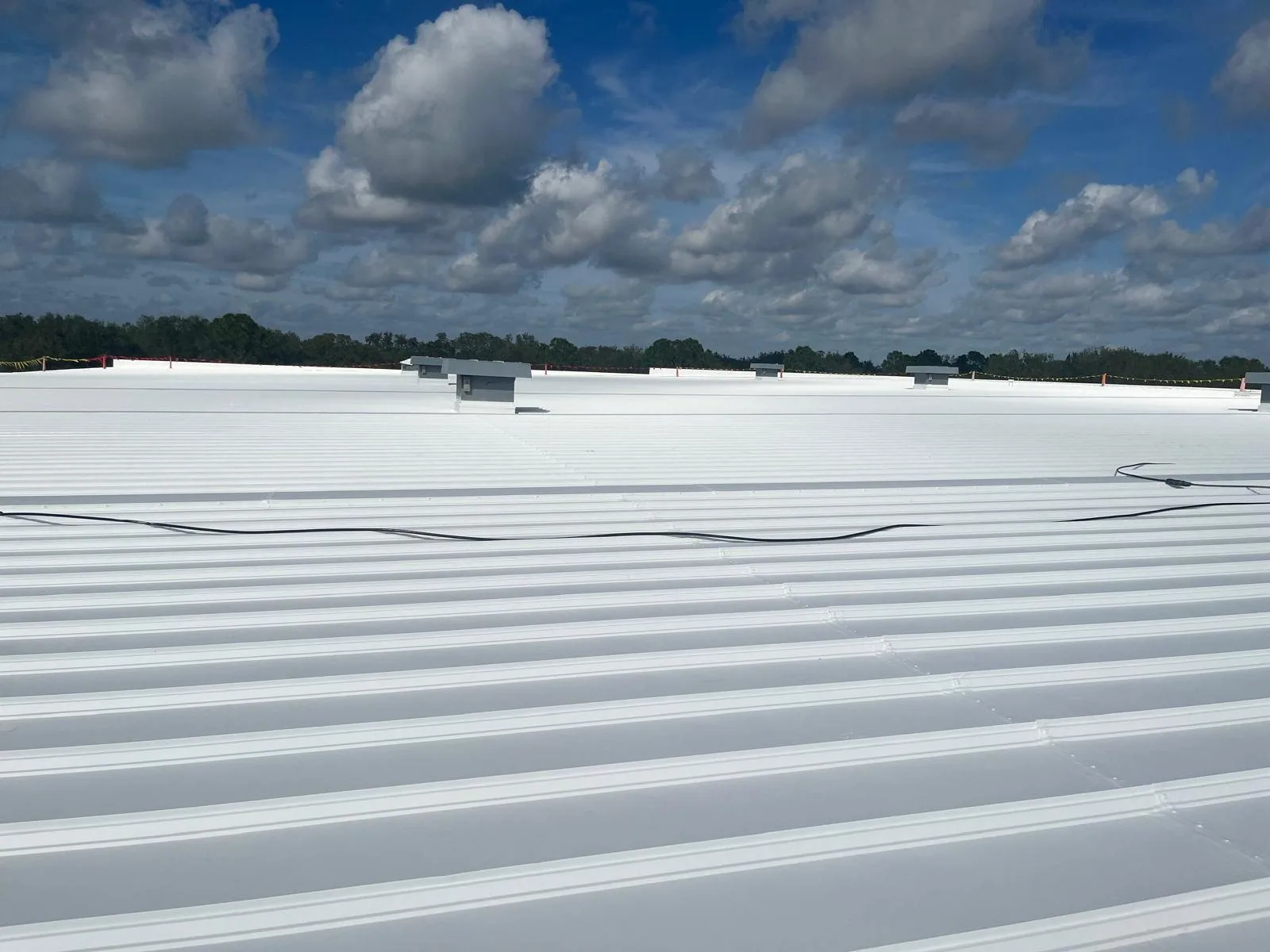
Evaluate Johns Creek modified bitumen roofs for ply separation, flashing wear, drainage, surface treatment, and repair limits before work begins.
Is the problem in the cap sheet, a lower ply, or the flashing where the roof turns up? Modified bitumen is a multi-layer asphalt membrane reinforced with materials such as polyester or fiberglass, and details can fail differently from the field. The assembly may use torch application, hot asphalt, cold adhesive, or self-adhered sheets, depending on its design. We identify the system and inspect where water can enter before choosing a repair. The North Point activity center in Alpharetta includes a large retail and dining area; for properties in busy commercial districts, safe access and phased work deserve attention alongside the roof condition.
How is the existing assembly built?
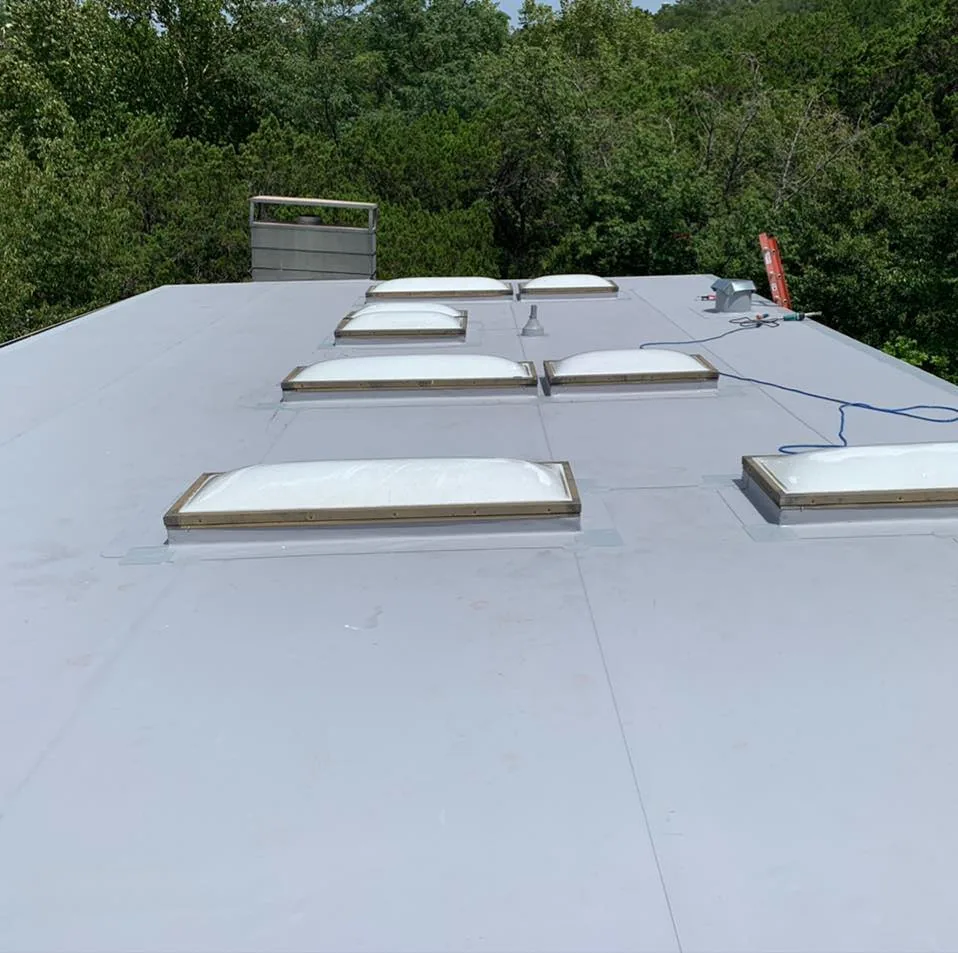
Roof Systems from Commercial Roofers Johns Creek.
We look for visible plies, cap-sheet surfacing, prior coatings, seams, blisters, splits, exposed reinforcement, and transitions at walls or curbs. A roof may include several layers from previous work, so a test cut can show the actual build-up and whether moisture has reached the insulation or deck. Each sample location is recorded and repaired. We do not treat one sample as proof for a separate addition, drainage area, or roof zone with a different repair history.
Construction method matters to both inspection and repair. Torch-applied details call for review of combustible surroundings and rooftop equipment; cold-applied work has adhesive and cure requirements. A modified-bitumen scope should identify the base and cap sheets, reinforcement, surfacing, flashing membrane, and application method. A commercial roof inspection can document the current layers and suspected entry route before the owner compares repair with EPDM sheet systems or replacement.
Where does modified bitumen tend to split?
We check lap edges for separation, cap sheets for cracks or punctures, and flashings for tears where the roof changes plane. Blisters can indicate trapped air or moisture, but cutting one open without a plan can damage a roof that might otherwise be repaired. Exposed reinforcement, brittle surfacing, or repeated patches may warrant a wider review. We trace the leak path beyond a ceiling stain and examine adjacent drains, penetrations, and roof-to-wall details before marking the repair boundary.
North and central Georgia see damaging thunderstorm wind and hail. A post-storm inspection documents punctures, displaced metal, and new openings; an alert alone cannot show what occurred on one roof. Hail impact can damage surfacing without proving that every ply has failed. We photograph suspect areas and compare them with existing wear or prior repair records. If the scope includes a hail-damage roof evaluation, it should state the observed condition and identify any limit to what was tested.
What repair method fits the damage?
A sound patch needs stable material around the opening and compatible asphalt membrane details. We remove loose or failed material only within the approved boundary, prepare the surface, and lap new membrane in the direction that sheds water. The repair should include side and end laps, corners, and terminations, not just a cap sheet laid over an irregular split. Where heat application is proposed, the site and surrounding materials must permit that method safely.
Water trapped below the surface will not disappear under a new cap sheet. We check for wet insulation or a soft deck, using test cuts where the visual evidence cannot answer the question. A drain and scupper inspection may be appropriate where ponding or blocked flow keeps stressing seams. For a larger project, compare the full multi-ply built-up system with other assemblies based on deck, load, project requirements, and detailing. A material label alone is not enough to choose a replacement.
How should installation be scheduled?
Application temperature, substrate dryness, wind, and rain protection influence whether a work area can be completed. Atlanta climate normals show precipitation throughout the year, so the roof plan needs daily dry-in limits and a way to secure unfinished edges before a shower. Hot conditions affect workers and some materials; cold deck temperatures may change adhesive performance. We check actual conditions and product instructions before opening a section, then protect it if the work window closes.
Nearby Alpharetta's North Point is designated a regional activity center with a city-backed land-use and transportation plan. For a property with deliveries, customer access, or active tenants, we coordinate material staging and roof access around site operations. We inspect arrival routes and identify where hot-work equipment, if needed, can be used safely. The work plan names the contact who can approve access changes or a shutdown. Any adjacent tenant notice should state what is affected and for how long, not rely on a general project calendar.
When is replacement the cleaner option?
Widespread ply separation, wet insulation, deck deterioration, recurring leaks, or repeated temporary repairs may justify replacement review. The owner needs a roof map with observed findings, test cut locations, removal boundaries, and any unknown area clearly separated. We compare localized work with full replacement and, where allowed, a recover option. A recover evaluation verifies whether the existing layers are dry, attached, and eligible to remain; it should not be a shortcut around moisture investigation.
Replacement changes elevations and interfaces. New insulation may affect drains, parapets, skylights, and HVAC curbs, so these should be included in the drawing and estimate. The proposal identifies layers, attachment, flashing, edge metal, disposal, access, protection, and the allowance for concealed deck work. Georgia's 2024 International Building Code with state amendments is part of the mandatory minimum code framework, but the effective requirements for a project need local confirmation before the final assembly is specified.
What record should follow the work?
Keep photos of prepared substrate, ply transitions, finished flashings, drainage details, and completed roof zones. The closeout names membrane materials and application method, records any deck or insulation replacement, and lists open items or excluded areas. If heat was used, the site record should include the hot-work controls required for the project. Owners also need care instructions for roof traffic and later equipment work so a new penetration is not left without a compatible flashing detail.
Send the roof plan, known system details, leak history, access restrictions, and decision timeline. We can inspect the plies and report whether a localized repair, recover, or replacement scope fits the observed condition. A roof condition report keeps the findings available for future budgeting, and our Alpharetta service area includes nearby commercial properties beyond Johns Creek.
Commercial Roofing Questions
Can a modified-bitumen roof be patched with a coating?
A coating may protect some compatible surfaces, but it does not rebuild separated plies or correct wet insulation. We inspect the membrane, surfacing, drainage, and details, then verify whether the product is approved for that substrate. A patch or sheet repair may be needed where the assembly has opened.
Does a blister mean the roof has to be replaced?
A blister needs examination before a decision. Its size, location, moisture, ply condition, and nearby defects affect whether a repair is practical. We document the finding and test below the surface when required instead of treating a raised area as proof of assembly-wide failure.
Can torch-applied repairs be done on an occupied building?
The method requires a site-specific hot-work review, safe separation from combustible materials, and coordination with building operations. We determine whether the site conditions allow torch application or call for another approved method. The schedule includes the necessary access controls and protection.
What should I compare in modified-bitumen bids?
Look for the specified plies, reinforcement, surfacing, flashing, application method, removal boundary, insulation, edge details, and allowance for concealed conditions. Each proposal should state its daily protection plan and tie-in details. A low field-sheet price is not comparable if the assemblies differ.
How do you confirm wet insulation under the membrane?
We may use infrared mapping to identify areas for further review, then make test cuts where the assembly needs direct confirmation. Results are tied to sample locations and do not automatically describe the entire roof. We repair each opening and map removal limits if wet material is confirmed.
Back to Roof Systems, or request a roof assessment and call 555-555-5555.