Commercial roofing in Johns Creek, GA
Repairs, replacement and maintenance
Commercial Roof Leak Repair in Johns Creek, GA
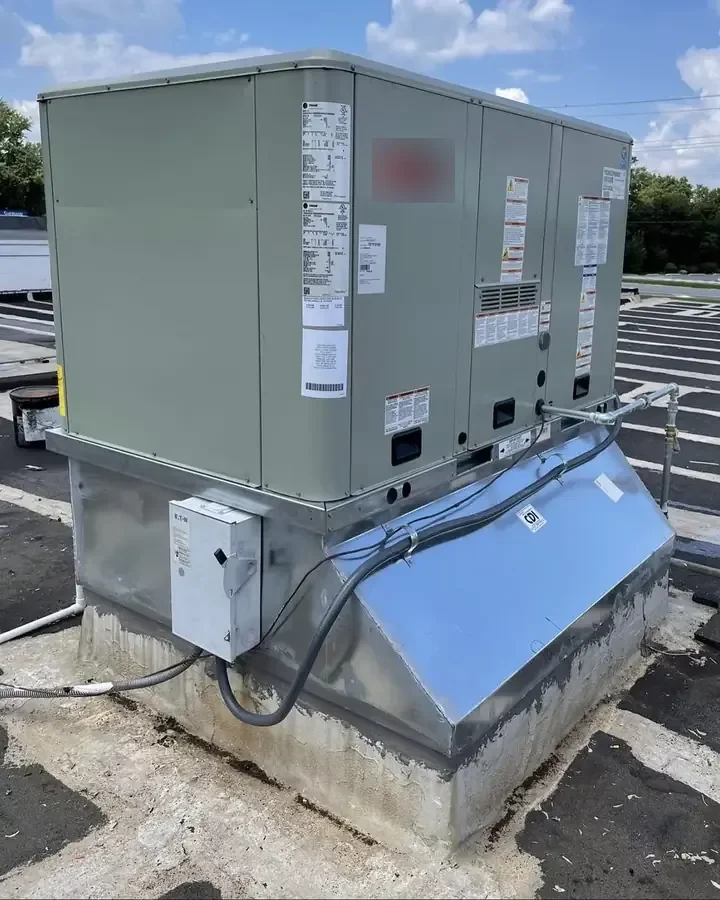
Trace and repair commercial roof leaks in Johns Creek with a documented entry point, tested repair boundary, and protection plan for occupied buildings.
Where did the water enter, and how far has it traveled? We begin with the reported symptom, then inspect the roof details above and around it. A stain under a ceiling grid can sit well away from the actual opening because water follows a seam, deck, insulation joint, or framing member. We mark the suspected route, test likely entry points, and separate confirmed findings from areas that still need access. In Johns Creek, occupied offices, healthcare sites, and industrial buildings need a repair plan that protects both the roof and the work happening below it.
How do we trace the water path?
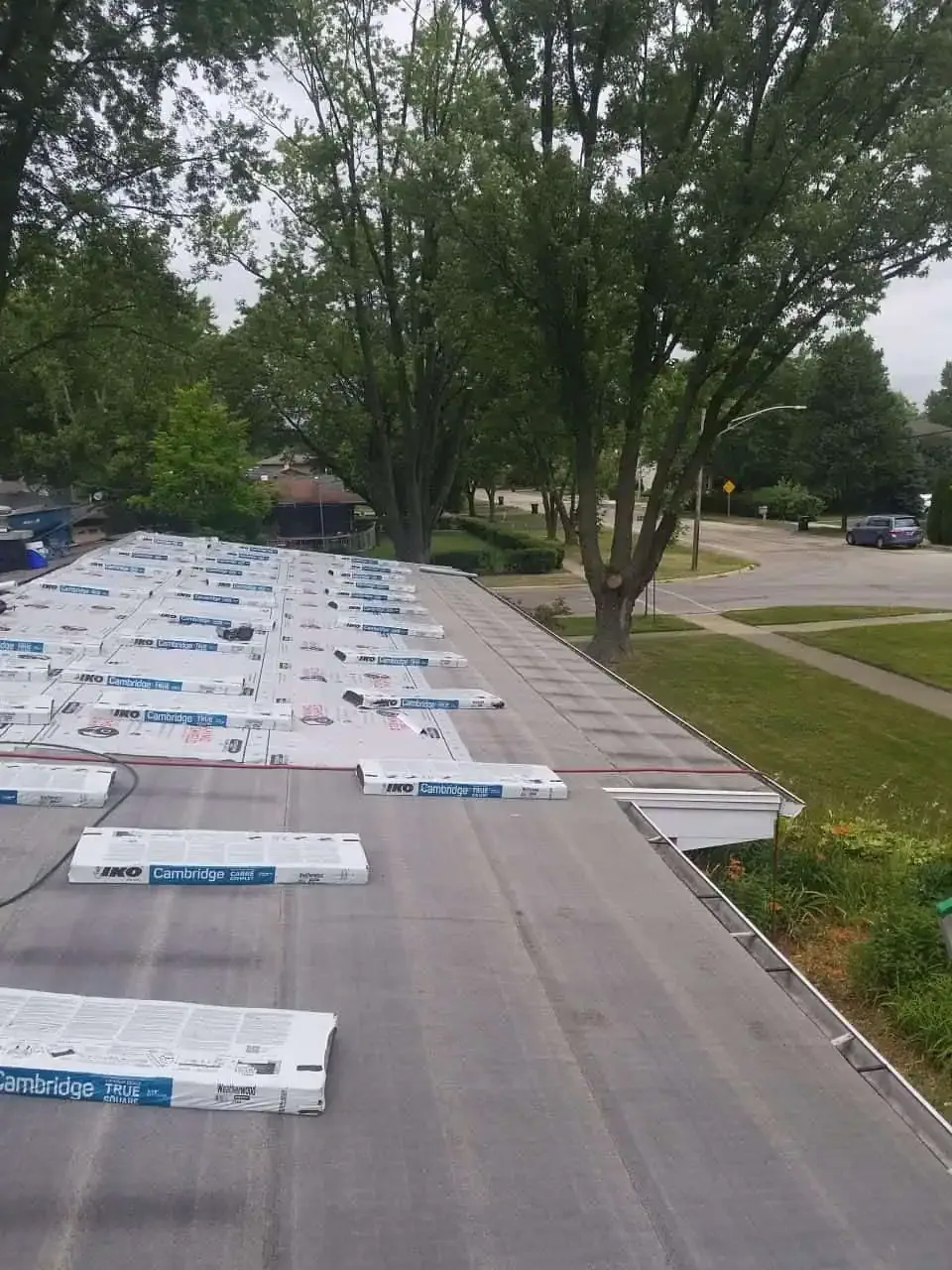
Commercial Roofing Services from Commercial Roofers Johns Creek.
Start indoors if it is safe to do so. We note the first appearance of water, whether it follows rain or HVAC operation, and whether the leak changes with wind direction. On the roof, we inspect penetrations, curbs, pitch pans, seams, drains, wall transitions, and previous patches. Water can enter at one detail and emerge several feet away, so the first wet ceiling tile is not a reliable boundary for repair.
We photograph each observation and label its roof zone. A controlled water test may help isolate a suspected detail when conditions permit, but flooding a roof can create more damage and is not a default step. If insulation may be wet, thermal imaging or a test cut can help establish the affected area. Our commercial roof inspection records the evidence and any access limitation. The owner can then see which detail is confirmed, which remains a possibility, and what further test would narrow the repair.
Which details deserve a close look?
Roof leaks commonly develop where materials meet or change direction. Check curb flashing for loose corners, split seams, open termination bars, and gaps around equipment supports. At drains and scuppers, look for debris, separation, loose clamping rings, or membrane stress. Wall transitions can fail at counterflashing, coping joints, and movement joints. Metal roofs need attention at fasteners, laps, ridge details, and penetrations. The repair material and surface preparation must match the installed system.
Johns Creek’s local economy includes healthcare and life-sciences employers alongside professional services and industrial operations. That local building mix means one roof may have a dense field of pipes and HVAC curbs while another has larger open membrane runs and longer drainage paths. We identify the roof construction from records and field observations, not the property's use alone. We inspect the specific assembly, identify its membrane where possible, and select a compatible repair. When moisture extends beyond a small detail, the repair plan may need a moisture survey or selective opening before the final boundary is set.
What happens while water is active?
First protect people, equipment, inventory, and electrical areas below the leak. Move movable contents where safe, place a container under a drip, and notify the building contact. Do not climb onto a wet roof or enter a ceiling cavity with standing water or exposed wiring. We can arrange temporary protection, such as a secured tarp or dry-in, when access and weather allow. The immediate measure limits exposure; it may not be the permanent repair.
North and central Georgia storms can bring damaging wind and hail, while rainfall occurs in every month in the Atlanta climate record. After a storm, we inspect observed openings rather than assume every alert caused damage. If wind has displaced edge metal or hail has punctured a membrane, photos can document the condition before permanent work. For active entry, establish immediate containment and document the inspection needed to define permanent repair. A commercial roof inspection can then verify the source and repair boundary. Permanent materials still need a suitable surface and safe installation window.
How will access and repair be coordinated?
We confirm the hatch or ladder, fall protection requirements, escorts, roof access hours, and any restrictions around rooftop equipment. Share the affected room or suite, leak timing, roof plan, prior repair notes, and photos if available. At a healthcare or life-sciences facility near Emory Johns Creek Hospital, a site contact may need to coordinate building access and equipment sensitivity. We agree on the work window, where tools can be staged, and how the interior will be protected while the leak is traced.
Heat can narrow safe work hours on exposed roofs, and rain can prevent cleaning, drying, or bonding repair materials. We check actual surface conditions against the product requirements before starting. If a temporary cover is installed, the owner should know its limits, expected duration, and next step. A written scope can separate emergency protection from the permanent correction, so the immediate call does not obscure the work still required to restore the roof detail.
What proves the leak was addressed?
A useful closeout record identifies the leak report, the roof zone inspected, the failed detail, repair materials, photos before and after, and any limitation that remains. If we found a separate wet area or another opening, we show its location and provide an option instead of silently adding it to the original scope. A repair boundary gives the property manager a clear basis for follow-up if water appears again.
Emory Johns Creek Hospital is a major care campus at Technology Park Johns Creek, where offices and retail also operate. A leak near a healthcare setting may call for a coordinated entry time and clear separation between roof access and occupied interior areas. No district fact determines the roof condition of a particular property. The repair scope remains based on inspected conditions at the subject building. The repair record stays tied to the specific roof, reported symptom, and observed evidence. We can return after rainfall if the original test could not confirm a suspected route. For ownership with additional buildings west of the city, the Alpharetta service area has separate commercial districts and access patterns. A roof condition report can preserve the leak location, repairs, and follow-up findings as the property team evaluates future work. Send the leak location and roof access limits to schedule a trace and repair discussion.
Commercial Roofing Questions
Why is the ceiling stain far from the roof opening?
Water may travel along the deck, insulation seams, framing, or a roof slope before reaching the interior finish. We inspect above the stain and around likely pathways, then document the detail that testing confirms. The location of the stain helps direct the investigation but does not set the repair boundary.
Can you repair a leak while it is raining?
Temporary containment may be possible, but permanent repair depends on safe access and a dry, prepared surface. We identify the immediate protection needed, then schedule the lasting repair when product and weather conditions allow it. The closeout notes which work was temporary and which restored the roof detail.
Should I send someone onto the roof to find the leak?
A wet roof, storm debris, exposed wiring, or standing water creates hazards. Report the affected room and keep people away from unsafe areas. We coordinate access and inspect the roof details using the building’s fall protection and site rules.
Can one roof test confirm the leak source?
A test can isolate a suspected detail when the conditions and roof design support it. We choose a limited test area, avoid introducing unnecessary water, and record what the result does or does not confirm. More than one source can exist, especially after separate patches or additions.
What should I include when requesting leak service?
Give us the room or suite, when water appears, weather at the time, roof plan, prior repair history, photos, and access restrictions. Note any equipment or contents at risk. Those details help us plan a focused visit and decide whether temporary dry-in is needed first.
Back to Commercial Roofing Services, or request a roof assessment and call 555-555-5555.