Commercial roofing in Johns Creek, GA
Repairs, replacement and maintenance
Commercial Roofing for Logistics and 3PL Operators in Johns Creek, GA
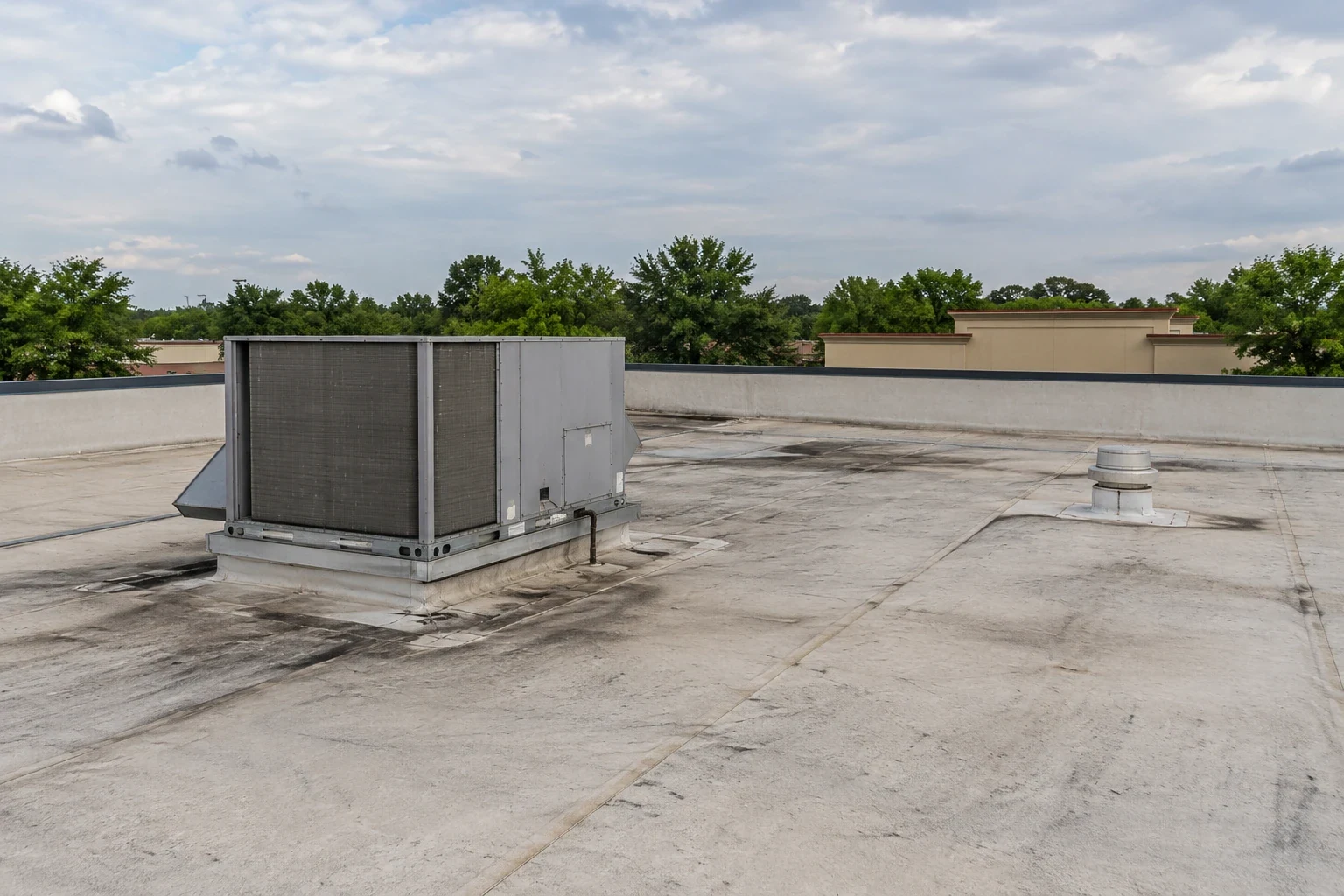
Roof repair and inspection for logistics and 3PL facilities in Johns Creek, GA, coordinated with dock schedules, inventory, and yard access.
Is the leak affecting a dock lane, pick area, packaging line, or stored inventory? Logistics roof work starts by matching the report to the building zone above it, then tracing water through the membrane, seams, or drainage path. We inspect the evidence and identify the repair boundary before setting a work plan. Norcross and Peachtree Industrial form a major regional industrial market, while Suwanee Gateway around I-85 Exit 111 includes industrial, office, and retail uses. Each warehouse or cross-dock still needs its own roof survey.
How can repairs fit around shipping schedules?
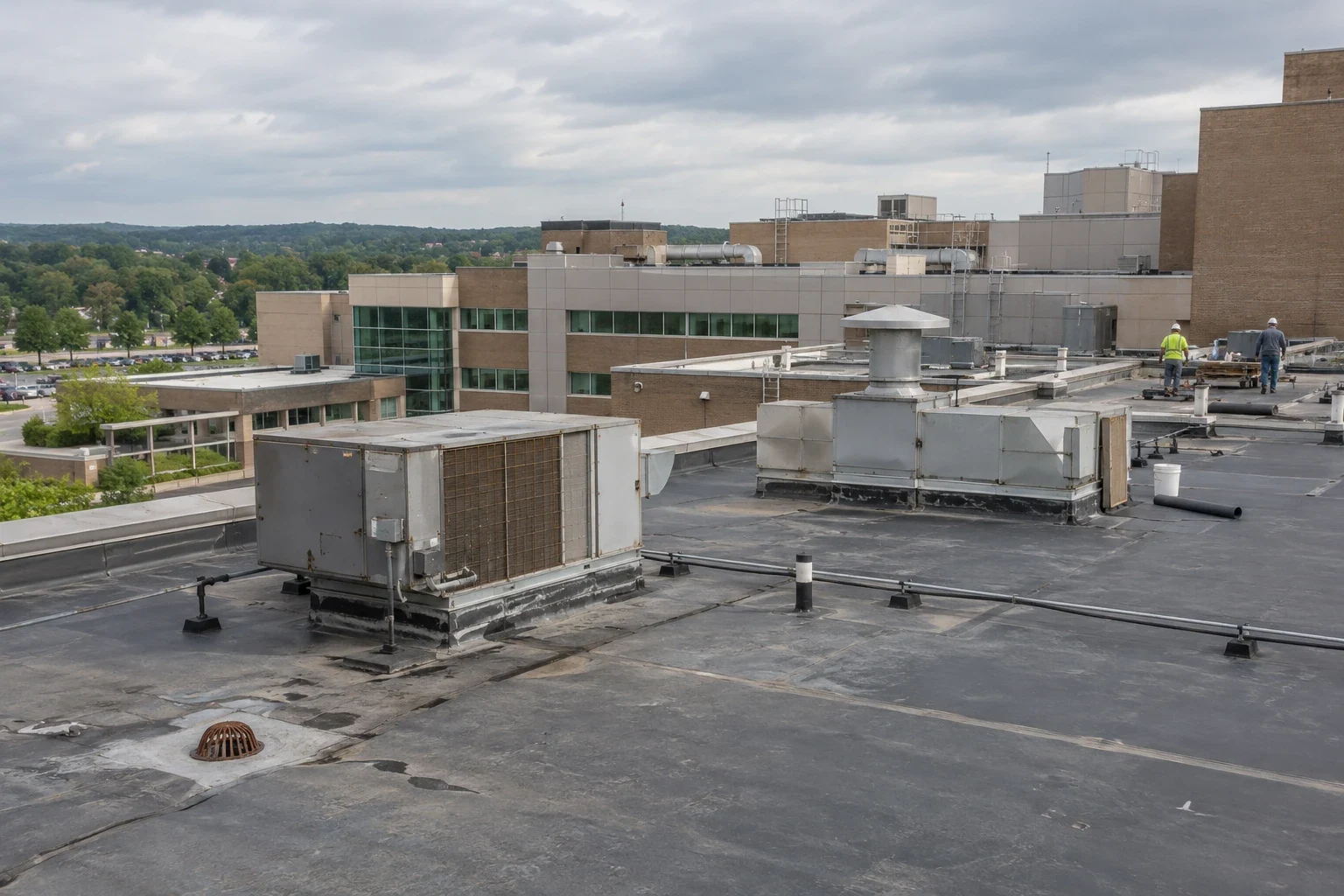
Industries We Serve from Commercial Roofers Johns Creek.
We coordinate dock assignments, trailer movement, receiving windows, yard traffic, forklift routes, and any loading door that needs to stay open. The project plan identifies lift placement, material staging, truck access, and the roof section scheduled for each shift. If the assembly is opened, we limit removal to what can be protected and closed before leaving. The facility contact confirms whether an interior bay needs covering and who can approve a schedule change.
Suwanee Gateway is a regional employment district centered on I-85 Exit 111, and its commercial mix includes substantial industrial activity. Those facts make it a useful local reference for freight-dependent building operations, but they do not establish the loading pattern at an individual site. We verify the actual shift and access plan. A phased roof sequence can set daily dry-in points and identify which dock or route may be affected.
What should a logistics roof inspection trace?
We review the roof plan, water report, maintenance log, equipment map, and previous patches. The survey checks seams, penetrations, curbs, drains, scuppers, edge metal, and transitions between original construction and later additions. Water may move across a deck before showing above inventory or a conveyor, so the reported point is the start of the investigation rather than the presumed opening. Photos locate findings, and test cuts or moisture readings confirm concealed insulation where needed.
For a distribution building, we mark inspected roof sections and access limits against the facility plan. A commercial roof inspection records observed conditions by zone. An infrared moisture survey can be used to prioritize locations for confirmation when conditions and readings support further testing. We note which aisles, equipment screens, or roof-mounted systems blocked observation. The resulting record distinguishes a section that was viewed from one that remains unverified. Inventory maps and rack layouts can help match interior reports to roof areas, but their orientation must be checked against the roof plan. Where an automated storage system limits ladder placement or overhead access, the facility identifies an approved work route before the survey. If the symptom appears only during certain shifts or after a specific loading pattern, we record the timing because an intermittent report may help narrow the water path. A 3PL can also provide the tenant or shipper contact who controls the affected goods, so temporary protection and access decisions reach the person responsible for that bay.
When is a patch not enough?
A local seam opening or curb failure may have a defined repair if surrounding material remains secure and dry. Repeated leaks over several bays, wet insulation, failed attachment, or damaged deck may require a broader repair or replacement review. We separate verified conditions from areas that remain untested. The proposal identifies the repair boundary, materials, disposal, access, and any allowance for concealed damage.
Active water can affect inventory, controls, or shipping equipment before a permanent scope is ready. If a dock or shipment area is threatened, define temporary protection and schedule roof inspection around ongoing operations. The work record identifies what was covered and which roof detail still needs a permanent correction. A logistics roof emergency response can address immediate entry while keeping the larger decision tied to inspection evidence.
What can ponding and storms tell the team?
We inspect drain strainers, overflow routes, scuppers, gutters, and low points, then follow the discharge path to grade. Clearing a blockage may restore flow, but it does not correct a low deck or failed drain flashing. If discharge crosses a dock apron or trailer lane, the scope identifies how runoff will be managed during repairs. A drain and scupper repair can be included when the observed condition supports it.
Regional precipitation varies by season, and a storm report only tells us when to compare roof conditions with the facility record. We look for a changed condition at the reported bay: displaced edge components, a new opening, debris impact, or a drainage path that no longer clears. We also ask whether a leak began during the event or appeared later as water migrated across the deck. Forecast conditions affect material handling and exposure time; the facility schedule determines when a dock apron, trailer position, or interior aisle can be controlled.
How should a 3PL keep roof records?
Closeout should name the building, dock or inventory zone, roof area, materials installed, test points, photos, access restrictions, and open work. We identify temporary protection and any task assigned to a separate equipment vendor. If a company operates more than one building, the record keeps repair history and condition tied to each site. That allows a later shift manager to connect a new work order with the roof detail actually inspected. For operators that lease space to several customers, the file should distinguish building ownership from the party controlling inventory, rack access, and receiving activity. A dated zone map can show whether a recurring report falls inside an earlier repair boundary or outside the area reached during that visit. Keep carrier-facing schedule notes separate from the technical finding so an operational workaround is not mistaken for a roof repair. If the same roof serves both ambient storage and temperature-controlled space, identify the interior use and notify the responsible refrigeration team before changing access or equipment conditions. Those coordination steps do not expand the roofing scope; they help the operator decide who must be present and what needs protection before work starts. If the facility uses separate building, yard, and inventory managers, list the decision owner for each area before the visit. That keeps roof access and goods movement from becoming a last-minute scheduling issue.
The Norcross industrial submarket follows I-85 and Peachtree Industrial, while Johns Creek's Technology Park includes industrial and commercial uses closer to the market city. Those districts provide regional context, not a substitute for a facility survey. A roof condition report can preserve the inspection basis. Logistics operators can coordinate portfolio access through property management teams or align a building project with a general contractor. Sites near Suwanee Gateway can schedule a roof walk around confirmed receiving hours.
Commercial Roofing Questions
Can roof repairs proceed while docks remain open?
We identify the roof area, lift location, loading routes, and daily closeout point with the facility contact. The plan states which dock or lane may be affected and how temporary protection will be maintained.
How do you protect inventory beneath a leak?
We coordinate the affected bay with operations, document temporary protection, and inspect the roof path above it. If concealed moisture could affect insulation or deck, we identify testing before assigning a larger removal scope.
What should a distribution operator provide before inspection?
Roof plans, leak locations, dock schedules, equipment maps, access limits, and prior repair records help focus the survey. We mark what was reached and any roof area that remains unchecked.
Can one report cover several logistics facilities?
A portfolio summary can organize work by urgency, but each building needs its own roof map, findings, quantities, and access plan. We group similar tasks only when the site evidence supports it.
Back to Industries We Serve, or request a roof assessment and call 555-555-5555.