Commercial roofing in Johns Creek, GA
Repairs, replacement and maintenance
Commercial Built-Up Roofing in Johns Creek, GA
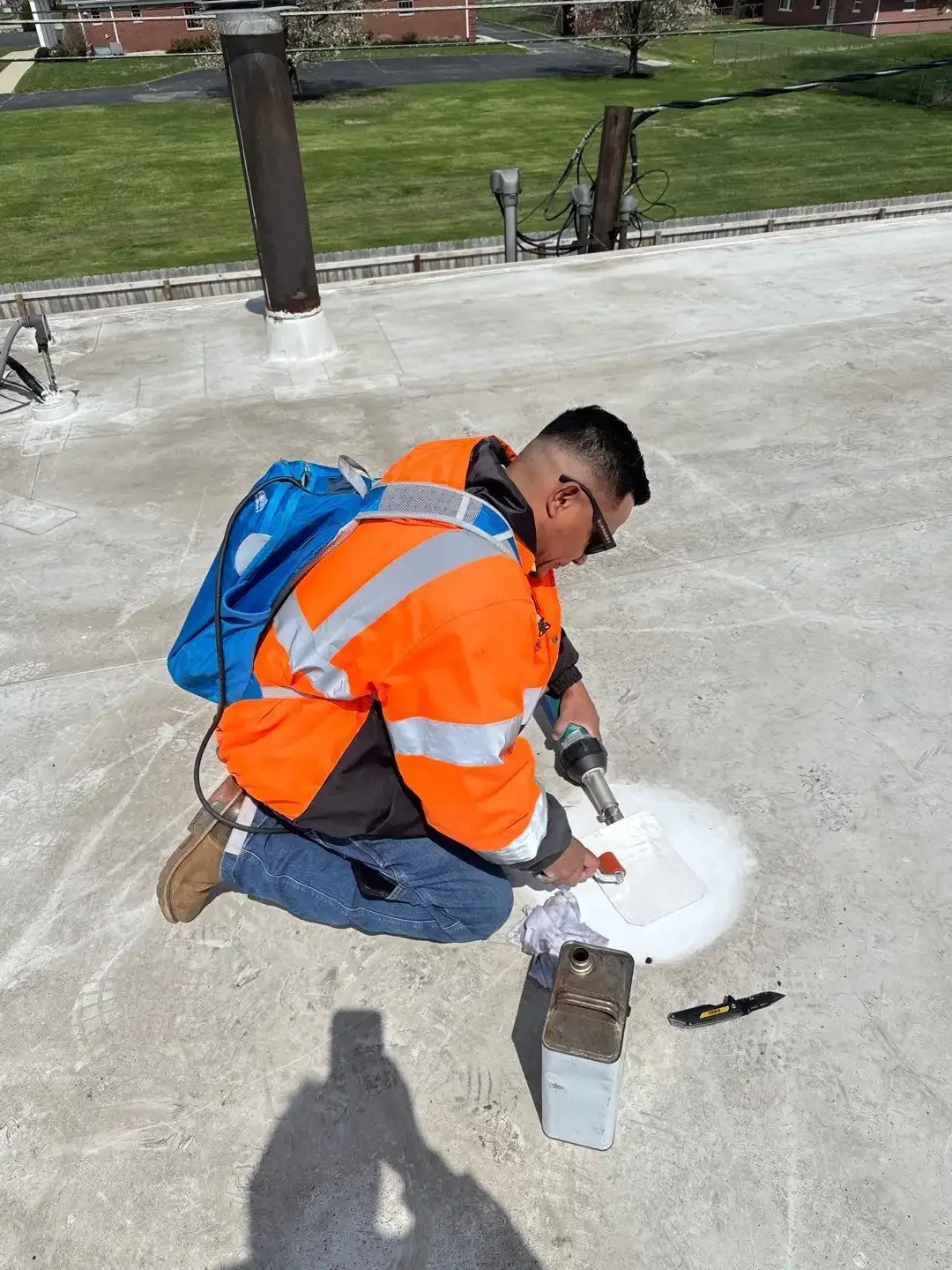
Inspect a Johns Creek built-up roof for ply condition, gravel surfacing, drainage, flashing, and safe repair options before choosing a scope.
Does the gravel cover a stable built-up roof, or is the assembly holding water below the surface? Built-up roofing uses alternating layers of bitumen and reinforcing ply sheets, often finished with aggregate or a cap sheet. Its age and surface appearance cannot answer whether the deck is sound or the plies are bonded. We inspect the roof, trace reported leaks, and open a test area when the assembly needs confirmation. The question is practical for older commercial properties across Johns Creek, including the low- and mid-rise office, retail, industrial, and municipal uses in its business base.
What can the surface tell us?
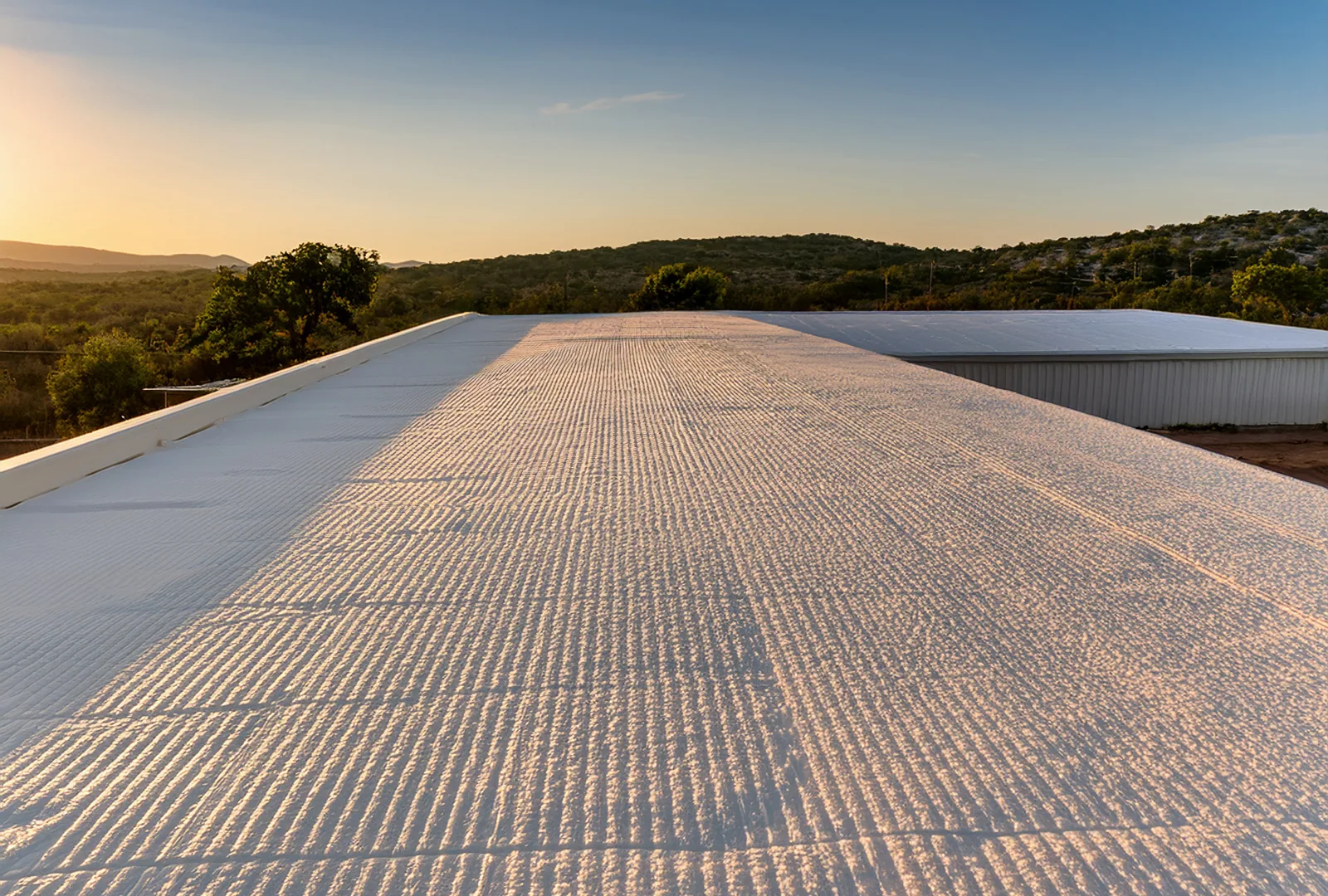
Roof Systems from Commercial Roofers Johns Creek.
We look for exposed bitumen, displaced gravel, bare spots, cracks, blisters, ridges, ponding, and repairs that do not match the surrounding assembly. Aggregate protects some built-up systems from weathering and foot traffic, but loose or thin coverage may leave bitumen exposed. A surface review cannot show whether lower plies are wet, separated, or bonded to the deck. Test cuts can reveal the number and condition of layers at selected points; we document each location and repair it afterward.
Johns Creek has a mix of commercial properties, but use type alone does not identify the roof assembly. An office or retail building may have multiple additions and repair eras. We map those transitions and examine low areas separately, especially near drains and equipment. A roof inspection can organize these observations into a condition record. For a similar multi-ply option with a modified asphalt sheet, compare modified-bitumen roofing based on existing layers, access, and project requirements.
Where can water travel between the plies?
Water may enter at a split, flashing, drain bowl, or open roof-to-wall transition and travel beneath the visible surface. We trace the route from the reported interior symptom, then check nearby penetrations, seams, and outlets. A leak stain can mark where water reached the ceiling rather than the entry point. If the path remains uncertain, moisture mapping or test openings may help define the affected roof zone. We keep sampled areas on the plan so the owner knows where direct evidence was collected.
Atlanta climate normals record precipitation in every month, which keeps drainage and water exits in the inspection scope. Ponding can stress surfacing and details, but the water pattern may come from blocked outlets, deck deflection, or inadequate slope. We identify which cause is visible and what still needs testing. If the drain itself is part of the problem, a drain and scupper inspection can be coordinated with the membrane repair. Clearing an outlet does not correct damaged plies; each item needs its own repair description.
Can a built-up roof be repaired in place?
Localized repair can work when the surrounding plies are sound and a compatible bitumen and reinforcement detail can be installed. We remove loose material within the approved area, prepare the surface, and rebuild laps and transitions so the repair sheds water. Surfacing is restored after the membrane work, where required by the chosen system. If the substrate is wet or unstable, adding more felt and bitumen can trap a condition rather than resolve it.
Built-up roofs can include hot asphalt, cold adhesive, or other specified application methods. A repair plan must match the existing assembly and address fire risk, odor, rooftop equipment, and occupied operations. Where a localized detail meets a sheet-metal edge, we coordinate with an edge-metal and coping review. For a different sheet-based assembly, EPDM repair methods use compatible seam materials rather than built-up plies. The scope records exclusions and explains the approval process if tear-back reveals additional damage.
What timing limits apply?
Dry surfaces, material temperatures, and safe access affect bitumen work. The crew follows the product method and checks whether the substrate is suitable before application. A daily plan should state how exposed areas will be protected and how far the crew can progress before closing a section. During hot weather, aggregate and metal surfaces can hold heat; work limits and access need to account for actual conditions.
North and central Georgia severe-weather includes damaging thunderstorm winds, hail, and tornadoes. A storm inspection should record actual displacement, impact, and open details instead of assuming the roof failed because a warning was issued. We photograph conditions before repair when the owner needs a record. If temporary covering is required, it should be secured without creating new punctures or blocking drainage. The sequence and removal date for temporary protection belong in the job notes.
When is a new assembly justified?
Repeated leak calls, widespread delamination, saturated insulation, extensive deck concerns, or a history of patching may support replacement review. Test results and visible findings establish the work limit. We separate confirmed moisture from areas that have not been opened, then compare localized repairs, selective removal, and a complete replacement. If a recover is considered, the existing layers must meet project requirements and be dry and secure enough to remain.
New layers can alter finished height at drains, skylights, parapets, and equipment curbs. The proposal should name the roof assembly, attachment method, insulation, cover board, perimeter detail, and disposal. Georgia's mandatory code framework includes the 2024 International Building Code with state amendments; current project requirements should be confirmed with the relevant authority and design team. An owner weighing a recover option should receive a clear layer count, moisture findings, and exclusions before approving work.
How should work be protected and recorded?
Aggregate handling, tear-off, hot asphalt, and material delivery create different access and protection needs. We coordinate staging, roof loading, odor controls, equipment clearances, and any shutdown with the property contact. Johns Creek Town Center is planned as a mixed-use redevelopment, so active properties near that district may have retail deliveries or tenant activity to account for. We set a route and work window for the actual building, rather than assume all roofs in a district have the same operating constraints.
At closeout, the owner should receive photographs of test cuts, repaired plies, drainage details, and finished work. We list the materials and method, areas repaired, and any unresolved findings. The roof condition record can support later maintenance or capital planning. Owners with nearby properties can also coordinate a survey in Suwanee while keeping building-specific findings separate. Send the roof plan, leak history, access limit, and decision timeline so we can inspect the assembly and set a practical repair boundary.
Commercial Roofing Questions
Does loose gravel mean a built-up roof has failed?
Loose aggregate can result from traffic, weathering, or movement, but its presence alone does not show that every ply has failed. We inspect exposed bitumen, seams, drains, and any soft areas, then test below the surface if moisture is a concern. The report identifies what is confirmed and what remains untested.
Can you find a leak without removing the gravel?
A visual review can identify many openings and drainage problems, and moisture tools can help map likely wet areas. Test openings may still be needed to confirm the layers. We start with the reported symptom, inspect the surrounding roof zones, and use direct testing where the finding will change the scope.
Is a built-up roof safe to walk on?
Safe access depends on the deck, roof condition, fall protection, and site controls. We review access before inspection and avoid assuming that aggregate or a flat appearance means the surface can support unrestricted traffic. The owner should limit access to authorized personnel and keep service routes coordinated.
Can another roof layer go over existing BUR?
A recover may be possible when existing layers, moisture, deck condition, and project requirements allow them to remain. We check the assembly and take test cuts before recommending an overlay. Wet or delaminated material must be addressed before another layer closes the roof.
What changes the cost of BUR repair?
Repair area, ply count, surfacing, access, material method, disposal, drain details, and any wet insulation or deck repairs affect the work. We state the assumptions and allowance in the proposal. If a test opening exposes more damage, the owner reviews the documented finding before added removal proceeds.
Back to Roof Systems, or request a roof assessment and call 555-555-5555.