Commercial roofing in Johns Creek, GA
Repairs, replacement and maintenance
Emergency Commercial Roof Repair in Johns Creek, GA
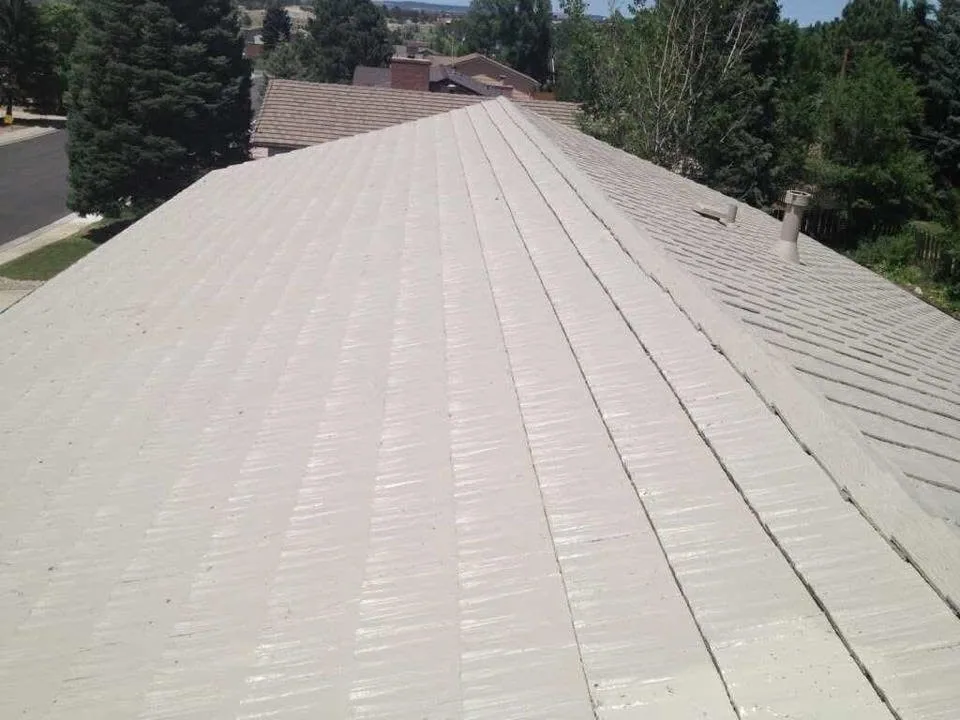
Emergency commercial roof leak response in Johns Creek, with immediate dry-in, documented findings, and a permanent repair plan after conditions are safe.
Water is entering now, or the roof has opened after a storm. The first priority is to limit active exposure and document what can be safely confirmed. The first visit focuses on people, contents, equipment, and a controlled route to the roof. A tarp or temporary dry-in can limit exposure, but it does not establish the full repair boundary. For Johns Creek businesses, an emergency scope should separate immediate protection from the permanent correction, so the owner knows what has been stabilized and what still needs inspection.
What needs protection first?
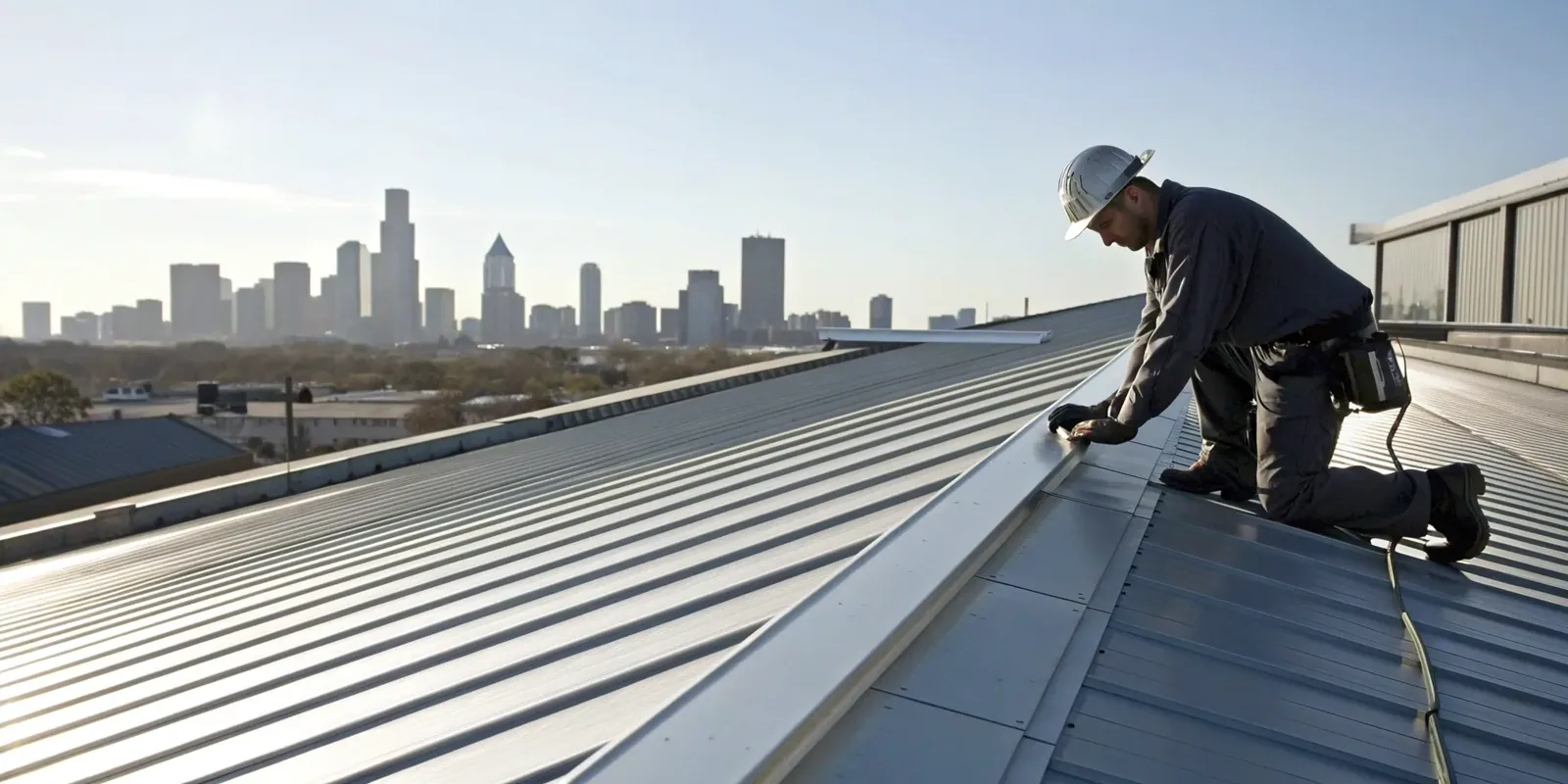
Commercial Roofing Services from Commercial Roofers Johns Creek.
Keep occupants away from wet ceilings, electrical hazards, unstable ceiling materials, and any area where water is near active equipment. Move inventory or furnishings only when the path is safe. Report the affected suite, water flow, and any critical equipment below the roof. We confirm a site contact, access route, and the roof entry point before mobilizing. On an occupied commercial building, interior protection can reduce damage while the roof team checks whether the opening can be reached safely.
We identify whether the first action is interior containment, rooftop covering, debris removal, or a secured temporary patch. The condition, wind, rain, roof height, and available access determine what is safe. No one should climb onto a wet or wind-damaged roof to place a tarp. If access is restricted, we tell the owner what can be done from the ground and what must wait for a safer window. That decision protects the people responding as well as the building.
What does the emergency visit cover?
We locate the active opening where conditions allow, inspect nearby seams, penetrations, curbs, drains, and edges, then apply a temporary protection suited to the roof. Photographs show the affected zone before and after the immediate measure. The notes describe the material used, how it is secured, and any roof area that could not be reached. A leak trace and repair may be the next step if water continues or the source remains uncertain.
North and central Georgia severe-weather climatology includes damaging thunderstorm winds, large hail, and tornadoes. Those events justify rapid inspection, but the actual condition on the building still needs to be observed. We check for lifted edge metal, punctures, damaged flashing, displaced equipment screens, and debris impact, then distinguish visible damage from areas requiring more tests. An alert, storm track, or tenant report alone does not show which roof detail failed.
How does weather shape the work?
Rain, wind, heat, and cold affect access and material performance. A temporary cover must be secured for the conditions at the site; the crew may need to wait if gusts make roof access unsafe. Rain can make a surface too wet for a permanent bond. In hot weather, exposed membrane and metal can become unsafe to handle, and adhesive requirements may change. We explain the available short-term protection and return plan rather than describe a temporary patch as a completed repair.
Atlanta climate normals show precipitation in every month, many days above 90 degrees, and regular winter freeze conditions. The actual forecast, roof-surface temperature, and manufacturer installation limits govern the work window. We check whether the emergency measure is still holding after a weather change when requested, and we document any limits on its duration. A property near the Johns Creek Town Center district may have changing access or staging conditions across nearby buildings, but each roof needs an individual safety review and response plan.
What should the site team prepare?
Provide the street entrance, best contact, roof hatch or ladder location, visitor rules, fall-protection points, and any equipment that cannot be shut down. Identify the room or tenant area where water is visible and the time it began. Photos from a safe interior location can help us plan. If the roof plan or previous repair records are available, send them, but do not delay urgent containment to locate old paperwork.
Technology Park Johns Creek includes a wide mix of offices, industrial uses, retail, healthcare, and municipal properties. A medical facility or life-sciences building may need coordination around sensitive rooms and mechanical systems; an industrial site may need vehicle or loading access arranged. We ask for the restrictions that apply at the actual property. Confirm clearance, weather, and safe working conditions before deciding which roof operations can proceed.
When is the permanent repair ready?
Once conditions are safe and the temporary protection is documented, we inspect the full affected roof zone. We test suspected details, check whether insulation is wet, and examine the attachment and substrate around the opening. If an interior stain does not align with the roof defect, we trace other likely water paths rather than expand the repair without evidence. A roof inspection records what is confirmed and what needs selective testing.
The permanent proposal defines the repair boundary, compatible materials, preparation, access assumptions, and any allowance for concealed damage. If the inspection points to a wider failure, we can compare a localized repair with a replacement scope or a roof-zone correction. For storm-related work, we preserve dated photos and observations that can support the owner’s maintenance or insurance records. We close out both phases: temporary containment and the lasting repair, with the condition that remains outside the agreed work.
What will be included in the record?
The emergency roof record identifies the call time, access conditions, observed opening, immediate protection, and areas that could not be inspected. After permanent work, we add repair photos, materials, limits, and any follow-up recommendation. The property team can use the record to advise occupants, track further water entry, and plan a later roof review.
Johns Creek’s commercial and healthcare base includes major operations in Technology Park and along the McGinnis Ferry Road and Medlock Bridge Road corridors. Those area facts describe a diverse service market, not proof about one building’s roof. Our record remains tied to the inspected address and roof zone, with named conditions and actions. Send the affected room, leak timing, access limit, and decision timeline. We will explain what can be stabilized now and what evidence is needed to price permanent work.
Commercial Roofing Questions
What does an emergency roof response include?
Yes. The visit should leave a written record of immediate protection, observed conditions, and the unresolved repair step. Safe access, weather, and building entry rules determine which work can proceed when we arrive. We report any condition that must wait for a safer window.
Will a tarp permanently fix the roof?
A tarp or other temporary dry-in limits water entry for a period; it does not restore the underlying roof assembly. We document how it is secured and what inspection or permanent work remains. A lasting repair requires the defect and surrounding materials to be examined under suitable conditions.
Should staff go on the roof before you arrive?
No. Wet, damaged, or wind-exposed roofs can be hazardous, especially near electrical equipment and loose metal. Keep people clear of unsafe areas and share the leak location and access details. Our responder will assess the roof before selecting a safe route.
What information helps dispatch respond?
Give us the property entrance, site contact, affected room, time water appeared, roof access route, and any sensitive equipment or access restrictions. Safe interior photos help when available. A roof plan and prior repair history are useful but should not delay a call about active water.
How soon can the permanent repair be done?
The opening must be accessible and the surface suitable for repair materials. Rain, wind, temperature, wet insulation, or an uncertain leak path may require testing or a later work window. We explain the temporary measure, required inspection, and next decision in the closeout notes.
Back to Commercial Roofing Services, or request a roof assessment and call 555-555-5555.