Commercial roofing in Johns Creek, GA
Repairs, replacement and maintenance
Commercial Roofing for Property Managers in Johns Creek, GA
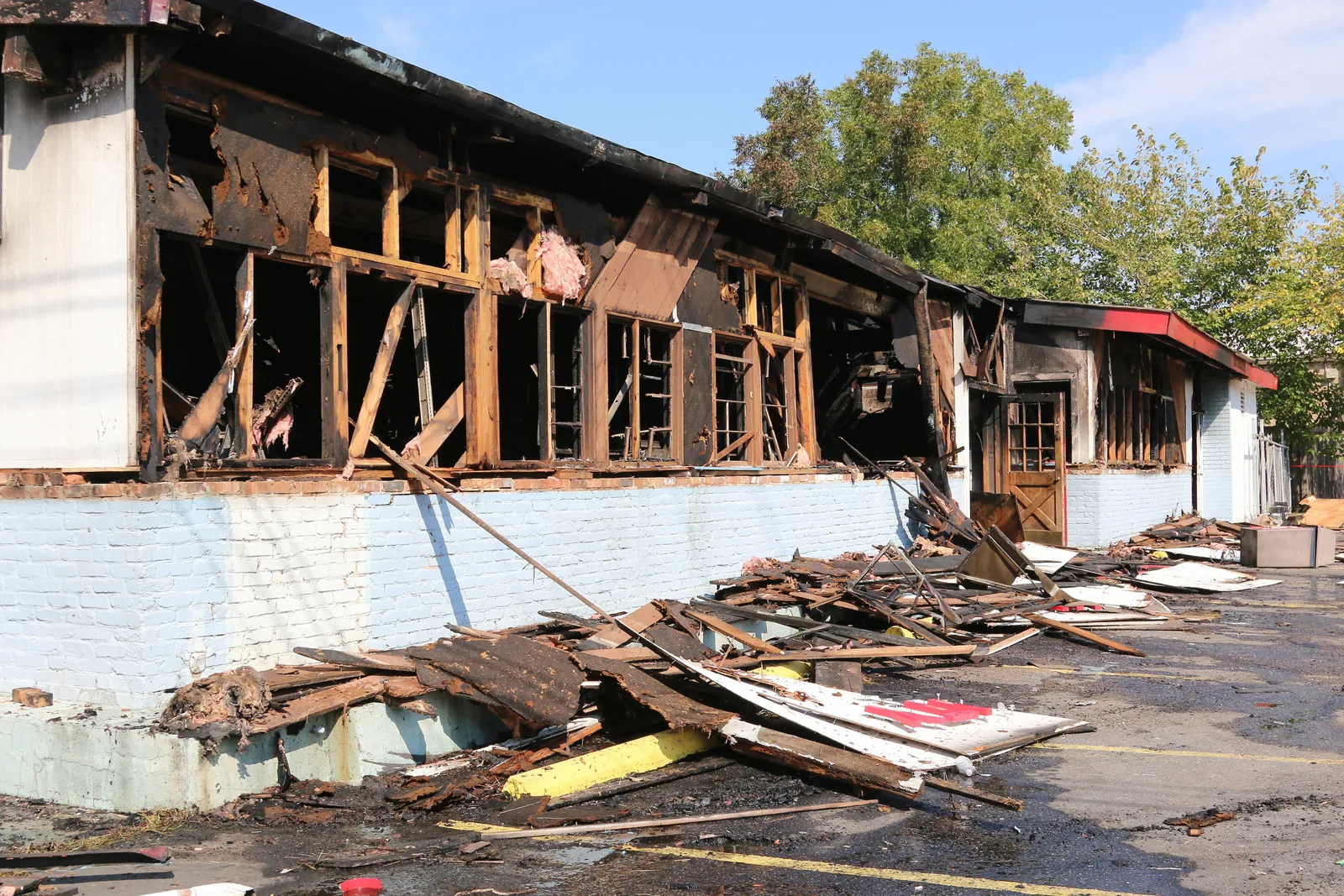
Commercial roof inspections, repairs, and planning for property managers in Johns Creek, GA, with building-level findings and clear work scopes.
Which building needs attention first, and what evidence supports that priority? Property managers need a roof record that connects the service request, observed condition, access limit, and next action for each asset. We inspect the reported area, map roof zones, and separate confirmed repairs from deferred work. Technology Park Johns Creek includes offices, retail, industrial uses, and community facilities, so a local portfolio can span different occupancy and access needs. Each building still needs its own inspection and repair boundary.
How should a portfolio be triaged?
Industries We Serve from Commercial Roofers Johns Creek.
Start with active leaks, safety concerns, recurring work orders, and roofs approaching a decision point. We review roof plans, repair history, tenant reports, drainage, penetrations, and available access. A repeated ceiling stain may track to a different roof location each time, so we check the path instead of treating work-order count as a condition rating. The report marks urgent protection, confirmed repairs, further testing, and areas that could not be inspected.
For several properties, a commercial roof inspection can produce a building-specific condition record, while a moisture survey may help select test cuts where readings indicate wet insulation. A roof asset program can organize findings by address and roof zone, but the field observations stay attached to the individual property. That separation is useful when a portfolio combines a warehouse, retail center, and office building with different systems. We can group roof walks by geography or tenant access, then issue a separate findings record for each property. When a manager must report to several owners, consistent labels for confirmed, untested, and deferred work make that review easier without flattening differences between roofs.
What should the manager expect from a repair scope?
A usable proposal states the observed defect, repair limit, material, access plan, work window, disposal, and any allowance for concealed conditions. It identifies whether testing is complete or still required and explains what finding would change the amount of work. We do not combine unrelated repairs into a single line that leaves the manager guessing where the crew will stop. Photos and a marked plan make the scope easier to review with an owner or tenant representative.
At Medlock Crossing, a Johns Creek shopping center at State Bridge and Medlock Bridge roads, visitor and tenant circulation share a commercial property. For a center like that, staging and outlet discharge may affect common areas; an office or industrial site will have different controls. We confirm the actual route at each building. A drain and scupper repair can be priced with membrane work when both findings are confirmed. Managers coordinating investor-owned assets can use the same repair boundary and photo record in the owner review.
How can work proceed around occupants?
We ask for access hours, tenant contacts, loading rules, noise limits, security requirements, and areas that need interior protection. The schedule identifies where materials will be staged, which roof zone will be open, and when the work area is expected to be secured. If the building stays occupied, we divide the project into sections that can be closed at the end of a shift. The manager remains the contact for tenant notices, while our scope describes roofing activity and its likely effect.
Johns Creek Town Center is planned for housing, office, retail, hospitality, and public uses. Its mix is a reminder that access patterns differ across nearby properties, not a basis for assuming any tenant's operating hours. We confirm each site's calendar and site rules. A phased reroof plan can list daily work areas and reopening checks. For complex portfolios, a general contractor may also need the roof sequence coordinated with other trades and project milestones. We can sequence a roof walk during normal access and schedule intrusive testing separately if a tenant space must be entered. Before removal, the manager confirms whether ceilings, inventory, or equipment below the work area need covering. We list the expected noise and duration for each zone so the property team can issue a precise notice instead of asking occupants to avoid the entire site. If a tenant requires a specific work permit, we record that step in the mobilization plan.
When should repair planning become replacement planning?
A local leak repair can be appropriate when the surrounding roof and attachment remain serviceable. Widespread wet insulation, failing seams, deteriorated deck, or repeated repair at multiple zones can support a larger replacement or recover review. We document test results, the areas not opened, and the expected limits of each option. A capital plan should keep verified quantities separate from assumptions and state which decision depends on further testing.
Atlanta climate normals include rain in every month, with hot summer days and regular freezes. Those conditions affect drainage, material handling, and work windows. We inspect actual roof details before deciding whether a weather-related symptom is a material defect or a maintenance issue. A preventive roof maintenance program can track drains, flashings, roof traffic, and recurring repairs between larger projects, while a condition report preserves the basis for an owner decision. A portfolio review can sort buildings by confirmed leak activity, observed membrane condition, drainage concerns, and remaining questions. The list is a work-planning tool, not a substitute for an inspection of each roof. We can identify which roofs need immediate repair, which need a test or follow-up, and which appear suitable for routine maintenance based on the accessible findings. That helps a manager present the next decision with the evidence and limits attached.
What belongs in the property file?
Closeout should include the building and roof zone, photos, test locations, materials installed, access limits, completed repairs, exclusions, and follow-up items. We identify temporary protection and any work assigned to a separate trade. If the portfolio includes several structures, each record should show its own condition and completion status. That gives a manager a practical document for the next service request, ownership review, or maintenance budget rather than a general invoice without a roof location.
Suwanee Gateway is a commercial district around I-85 Exit 111 with industrial, office, and retail uses; Technology Park Johns Creek includes a different mix closer to the market city. Those district facts help frame regional property needs, while the file remains specific to one building. Managers near Technology Park Johns Creek can coordinate inspection access by property. Property teams overseeing health facilities can also align roof findings with their healthcare portfolios. Send the roof plan, work-order history, tenant requirements, and decision timeline, and we will document the findings before proposing the next step. A manager can share the marked plan with the owner and retain it for future repair requests.
Commercial Roofing Questions
Can one roof inspection cover several buildings?
A portfolio visit can be scheduled across multiple properties, but every building needs its own roof plan, findings, photos, access notes, and condition status. We keep those records separate while grouping related work for scheduling.
What should a property manager send before a site visit?
Roof plans, active leak reports, prior repairs, tenant access rules, and the owner decision date help focus the inspection. We confirm any roof area that remains inaccessible and identify what evidence is still needed.
How are emergency calls handled for an occupied property?
We coordinate entry with the manager, protect the affected area where practical, and document the temporary measure. The follow-up inspection confirms the permanent repair boundary and any concealed condition.
How can managers compare bids fairly?
Compare the roof area, repair limit, materials, access assumptions, testing, exclusions, and closeout documentation. A scope that identifies unknown conditions is easier to compare than a broad line with no marked work boundary.
Back to Industries We Serve, or request a roof assessment and call 555-555-5555.