Commercial roofing in Johns Creek, GA
Repairs, replacement and maintenance
Industries We Serve
Commercial roof decisions often involve more than a building envelope. An owner may need to coordinate tenants, production, public access, portfolio budgets, or restoration records. The roof still has to be inspected on its own terms: system, moisture, drainage, penetrations, access, and repair history. Property managers, healthcare teams, manufacturers, logistics operators, schools, and public agencies face different operating constraints. The roof scope should identify those limits without assuming them from the industry alone.
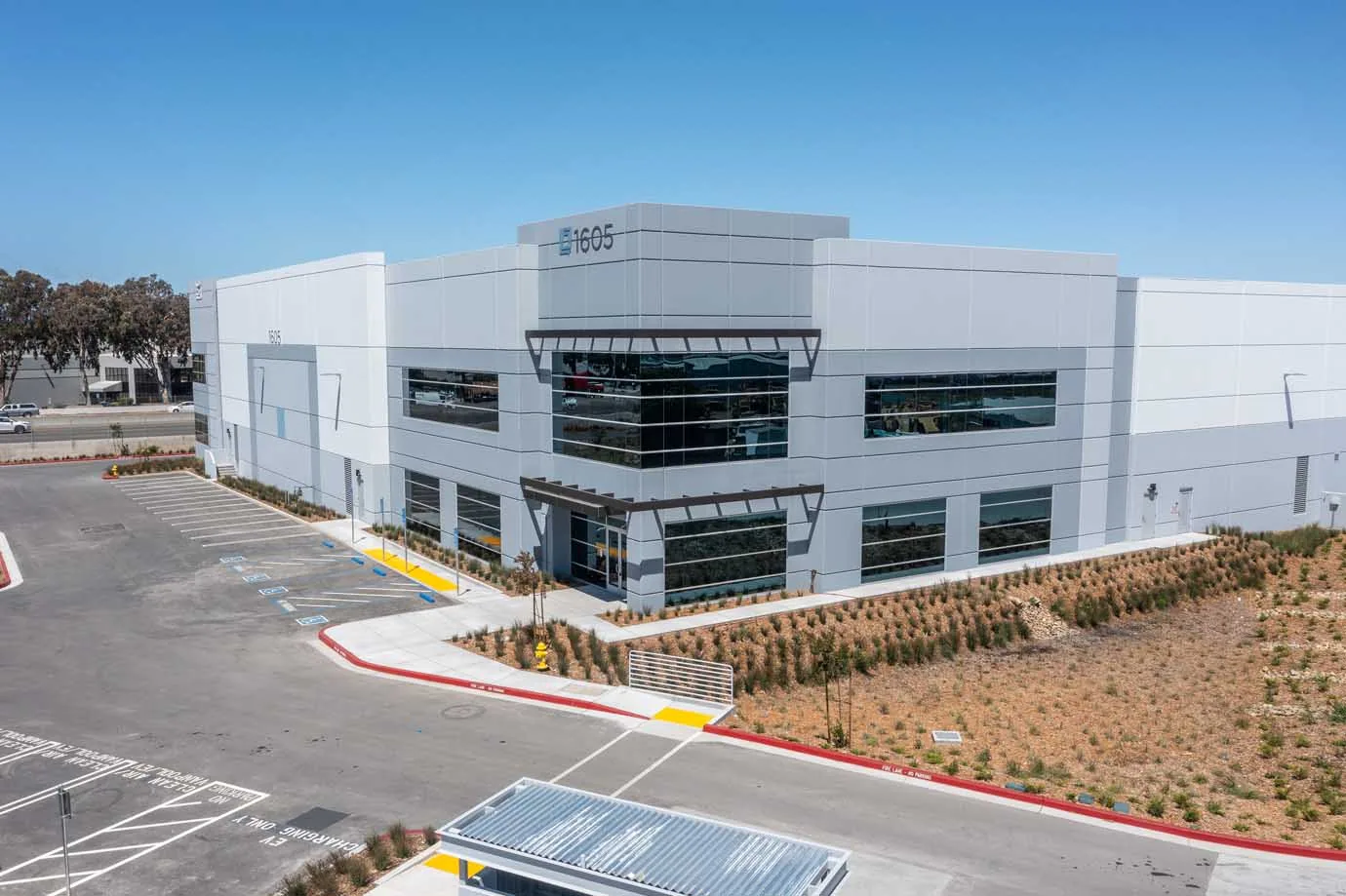

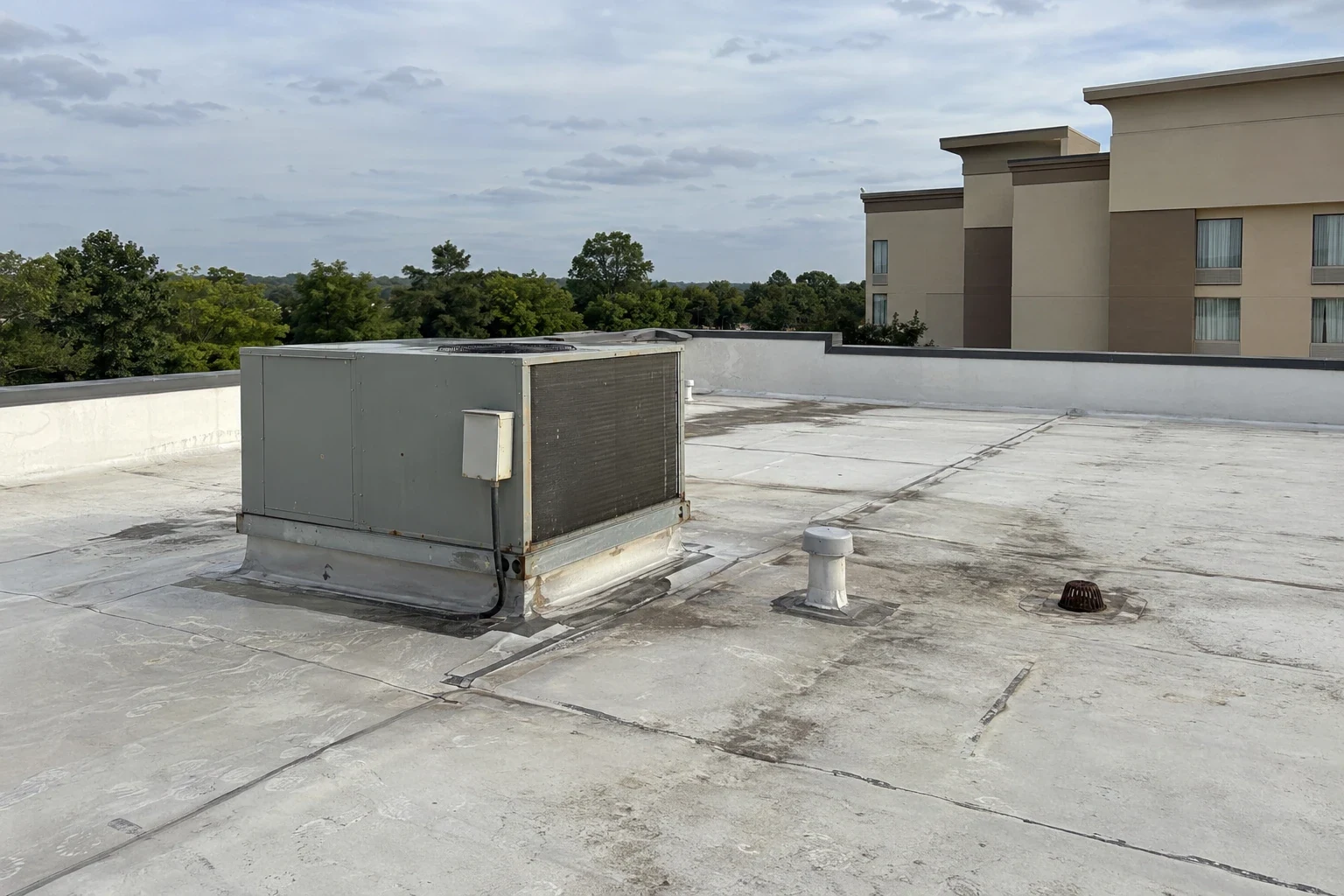
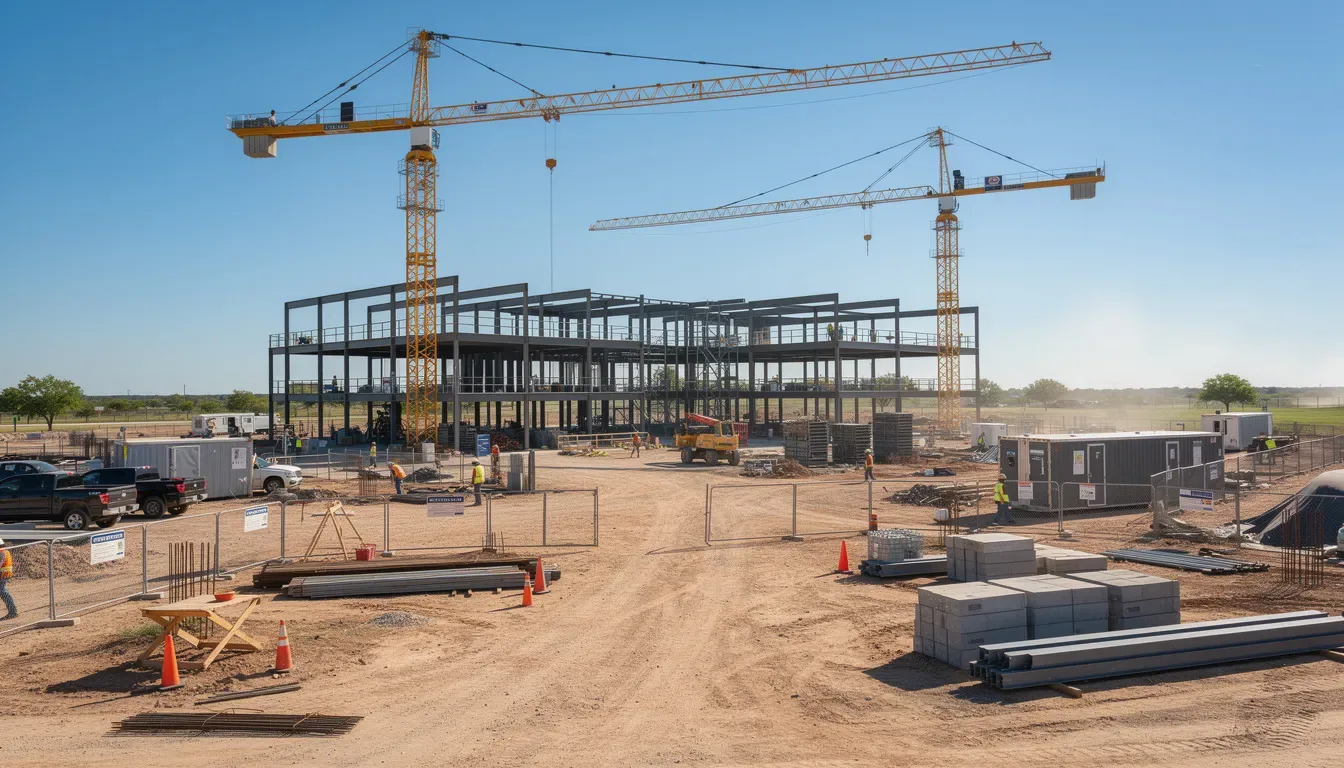
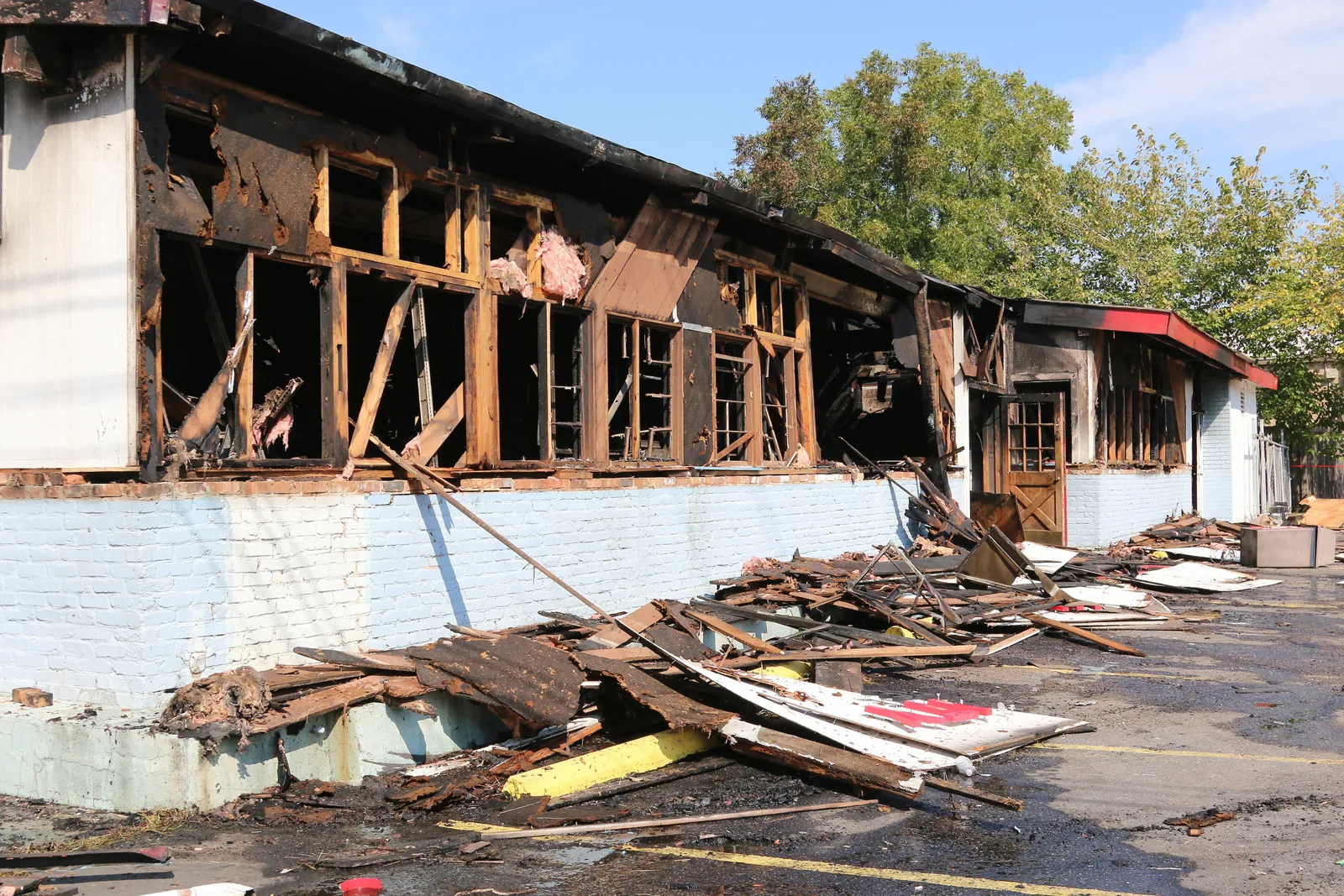
Owners and asset managers
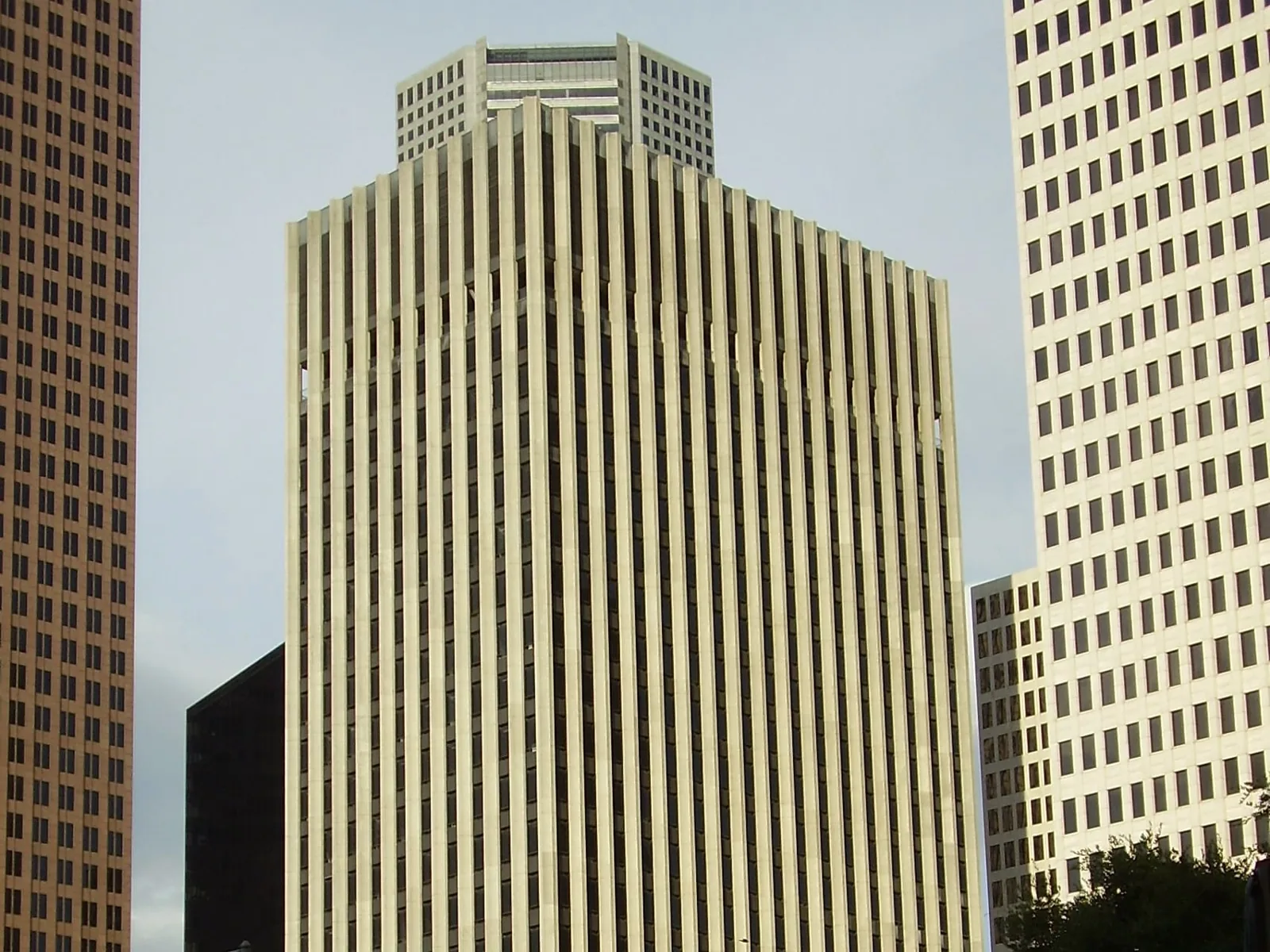
Property management companies may coordinate multiple buildings, vendors, and tenant communication. Real estate investors and REITs may need documented condition, scope boundaries, and timing that support capital review. Keep a separate record by building and distinguish inspection results from recommendations or completed work. A portfolio summary should not imply that one roof condition applies across all assets.
Healthcare, manufacturing, and logistics
Healthcare systems may require controlled access and continuity planning. Manufacturers need work coordinated around equipment, production, and safe access. For logistics and third-party logistics operators, receiving lanes, vehicle movement, and shift schedules can affect staging. Confirm operating requirements with the facility contact rather than assuming them from the industry label.
Public-facing operations
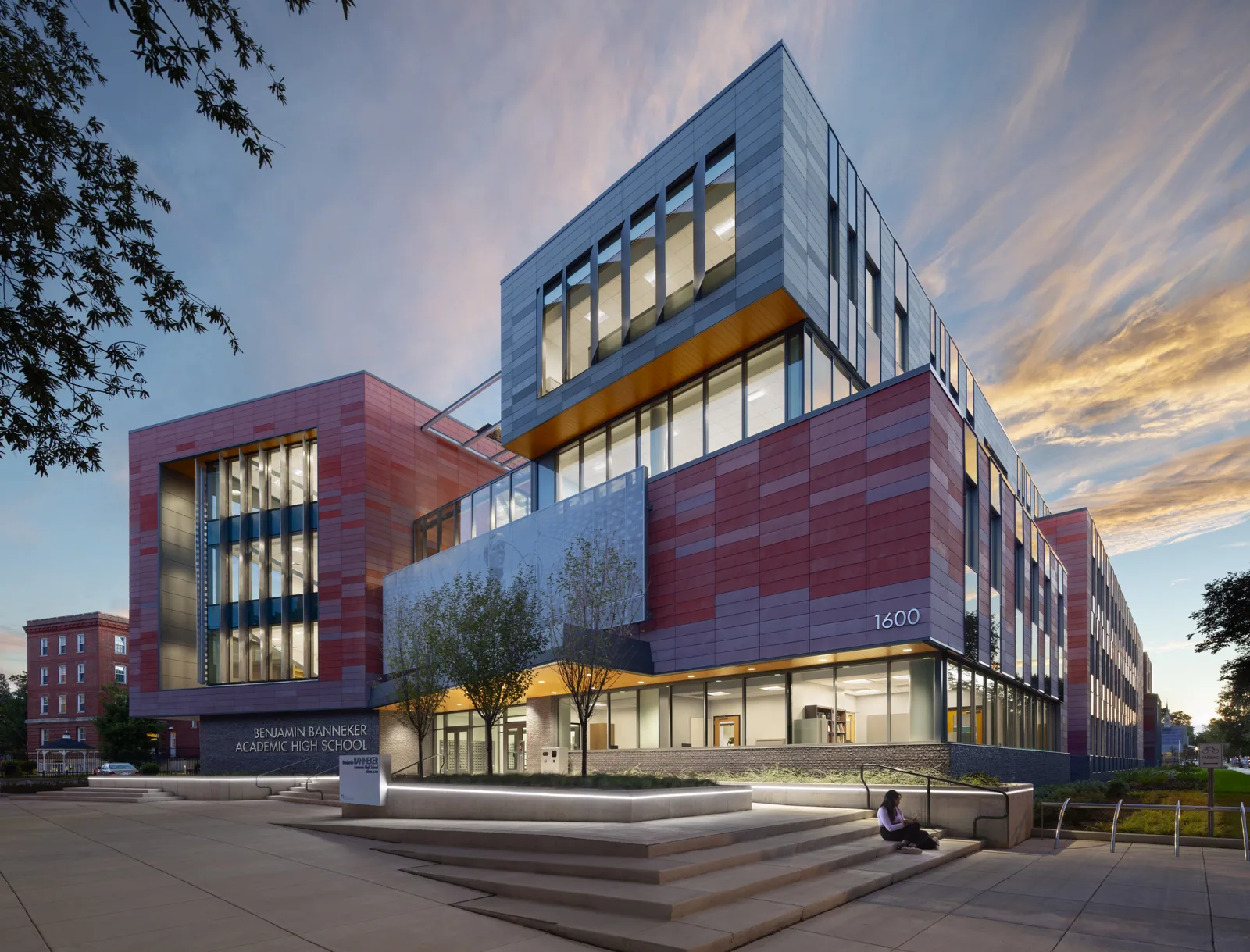
School districts and public agencies may need work scheduled around calendars, public routes, procurement steps, or occupied spaces. Retail and restaurant chains can need consistent records across locations while retaining property-specific scopes. Identify who can approve testing, temporary protection, additional work, and final acceptance before mobilization.
Use evidence in the project record
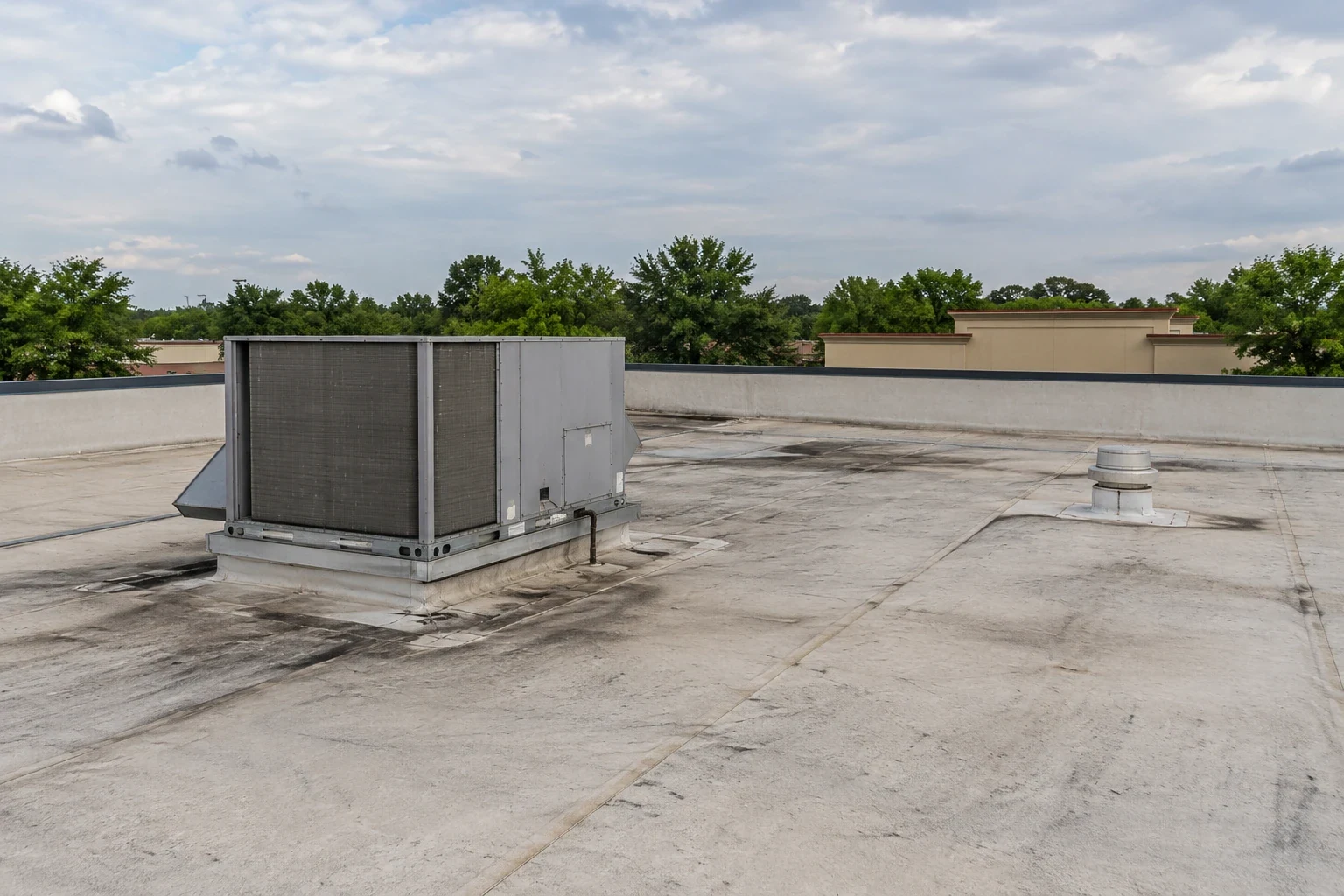
Johns Creek’s economy includes healthcare, life sciences, professional services, and industrial activity, with Technology Park as a major employment area. That context helps explain the range of commercial facilities in the service market; it does not prove how a particular roof was built or what it needs. Provide the property identifier, roof plan, prior work, reported symptom, and access rules. The resulting record should show findings, testing limits, approved scope, and unresolved items. If several business units share a roof, the property record should still specify the work boundary and owner of each approval. For a facilities team, a useful closeout includes dated photographs, material identification, test results, change approvals, and a list of sections that were not accessed. Those records support later review without presenting a general industry practice as a site-specific finding.
Commercial Roofing Questions
Can one roof report cover an entire portfolio?
A portfolio summary can organize priorities, but each building needs its own identified system, findings, access limits, and work status.
How should a facility prepare for inspection?
Provide a roof plan, reported condition, access contact, operating limits, and recent repair history. Identify approvals needed for testing or roof access.
Can estimates reflect procurement requirements?
Yes. Share bid format, approval steps, required documentation, and any site rules before the scope is prepared.
What separates an observation from completed work?
A report documents findings and recommendations. Completion requires an approved scope and a closeout record identifying what was installed and verified.
Planning roof work? Request a roof assessment or call 555-555-5555.