Commercial roofing in Johns Creek, GA
Repairs, replacement and maintenance
Commercial Roofing for Manufacturers in Johns Creek, GA
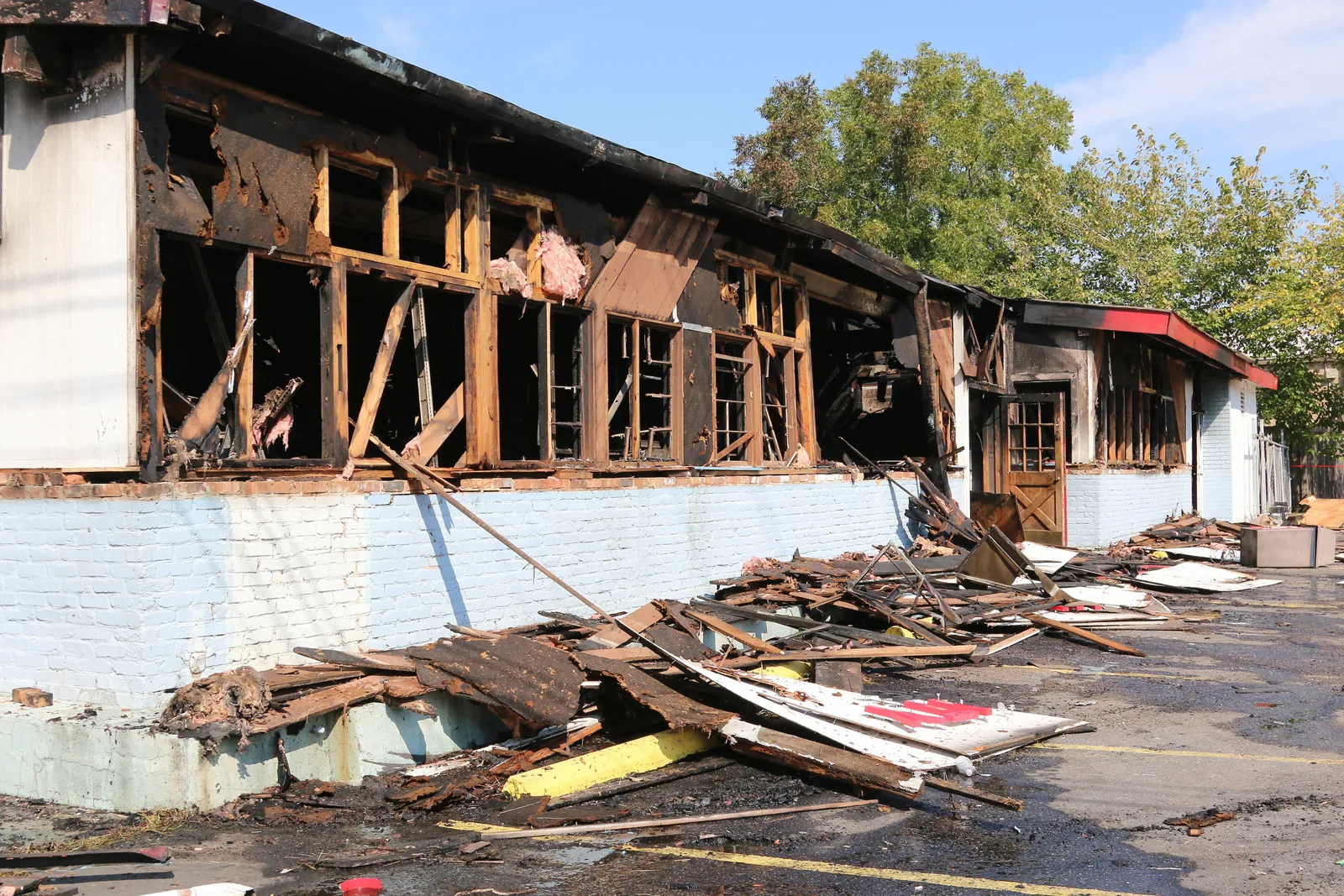
Commercial roof inspections and repairs for manufacturers in Johns Creek, GA, coordinated with production, equipment, receiving, and maintenance schedules.
Does the water report affect production, packaging, storage, a lab, or a support office? Manufacturing roofing begins with the process area below the symptom and the roof zone above it. We inspect penetrations, seams, drainage, and previous patches, then document where confirmed work can stop. Technology Park Johns Creek includes industrial and office uses and names employers such as Alcon, Nordson, Teradata, and PerkinElmer. That local manufacturing and technology context does not establish any facility's roof system or condition.
What should a plant roof survey identify?
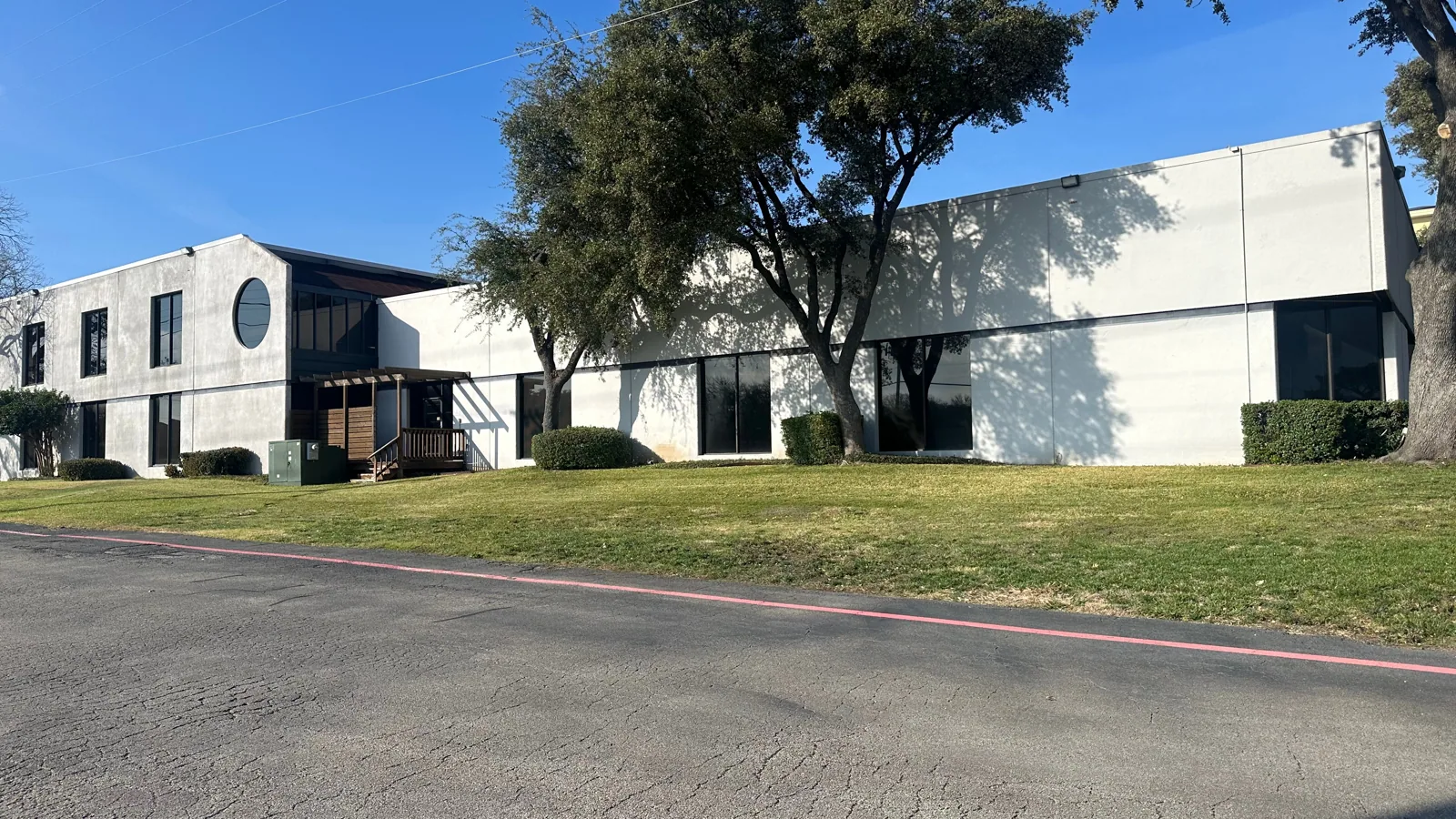
Industries We Serve from Commercial Roofers Johns Creek.
We review roof plans, maintenance requests, equipment changes, process exhaust, reported water, and any restricted areas before inspecting the assembly. The walk follows process exhaust, piping supports, conveyor transitions, roof drains, and repair history near the reported production zone. We record whether vibration, heat discharge, or a recent equipment change affects the detail under review. If the interior report is near a machine or production line, we trace the roof path and identify any equipment or utility route that could have redirected water. Photographs and tests show what is confirmed and what remains hidden.
A commercial roof inspection can document conditions by production and support zone. An infrared moisture survey can help select test cuts when readings indicate suspected wet insulation. The report notes work areas that could not be reached because equipment or process safety limited access. A manufacturer can then decide whether a short follow-up survey is needed before scheduling material removal.
How can work fit around production?
We confirm shift changes, sanitation windows, receiving hours, equipment shutdowns, forklift routes, and any process that cannot be interrupted. The work sequence names the roof section, material staging, noise, lift placement, and how the opening will be protected at the end of each shift. If the building remains active, the crew limits removal to the area that can be dried in. The plant contact identifies which interior spaces require covering or access restriction.
Peachtree Industrial Boulevard links office, retail, light-industrial, and logistics locations across northeast Gwinnett, while Technology Park Johns Creek has a distinct mix of business and community uses. These local corridors support a range of commercial activity, but we verify the actual flow at each plant. A phased occupied-building plan can keep roof work separate from production decisions. A property manager can help align a multi-tenant manufacturing site through property management contacts.
Which findings call for a broader roof project?
A single curb leak, open seam, or puncture may be repairable if nearby membrane and attachment remain stable. Repeated water entry, wet insulation across several zones, corrosion, or deck damage may support a larger repair or replacement review. We identify tested areas separately from those not opened and state what discovery would trigger an allowance. The proposal should list access, equipment coordination, disposal, insulation, and interior protection where they apply.
If water threatens product, controls, or electrical equipment, temporary protection may be needed before a permanent scope is set. When active entry threatens a production area, we document the approved temporary protection and identify what remains exposed. The plant contact sets an access window for follow-up inspection, which must confirm the assembly before the permanent scope is priced. A manufacturing roof emergency response can address active entry without treating an untested area as a confirmed loss. Where the facility has production-sensitive stock, the manager can identify the affected room and any required protection before a roof opening is approved. We state what the temporary measure can cover and where the permanent repair must reach. If another trade must clear equipment, that task should be scheduled before roofing material is removed so the assembly can be closed in one planned work period.
What roof details interact with plant equipment?
Conveyors, exhaust stacks, piping, HVAC units, and support frames can meet the roof membrane or panel system at multiple points. We inspect curb flashing, pipe boots, counterflashing, sealants, and attachment transitions where water may enter. A roof repair can restore the weather detail, while process equipment changes may belong to the plant or its mechanical contractor. The scope identifies that handoff and states who needs to complete disconnection or reconnection.
Plant exhaust can affect nearby membrane, coatings, and sealants, so we note discharge direction and surface condition at each roof penetration. Production washdown or cooling equipment may also create water patterns that differ from rainfall. We compare a reported event with roof evidence and choose a repair window around weather exposure and process restrictions. A curb and equipment support review can be coordinated with membrane repair when the interface is within the approved scope. Older repairs can hide a second layer of flashing or restrict access around the original curb. We document the current configuration before removing material and show how the new detail will transition to the existing membrane or panel. If the equipment has a separate maintenance contract, the plant identifies who can isolate or reconnect it and records the handoff in the project schedule. If the same exhaust curb has been serviced more than once, we photograph the layered detail and note sealant condition without assuming the previous repair failed. That allows maintenance staff to compare the new finding with its own equipment record.
What should the plant keep in its maintenance record?
Closeout should name the building, production or support zone, repaired roof detail, material, photos, test points, access limits, and any deferred task. We note whether process equipment must be checked by another vendor and whether a temporary cover remains. If work spans several buildings, each has its own findings and completion status. This gives maintenance staff a record to compare with a later leak instead of a general invoice with no roof location.
Technology Park Johns Creek and Peachtree Industrial Boulevard reflect different commercial settings in the wider service area. The roof file should still describe only what inspection confirmed at the plant. The record can also include the inspection date, roof area reached, testing method, recommended follow-up, and work excluded from the price. If management wants a portfolio view across several operations, we can summarize which roofs have confirmed repairs, open tests, or deferred decisions while leaving the individual condition notes attached to each property. Store the roof plan, dated closeout images, and approved scope together for future service and the next annual facilities planning review records and future repair references for teams and managers. A roof condition report can preserve images and repair boundaries. A general contractor may coordinate roof work with equipment and building scopes, while a manufacturing facility survey keeps the asset type in view. Plants near Technology Park Johns Creek can schedule access around actual production requirements.
Commercial Roofing Questions
Can roof repairs happen while production continues?
We identify the affected roof zone, interior protection, equipment access, and safe stop point before setting a work window. The plant contact confirms process restrictions, and the scope shows what will happen during each shift.
What if a leak appears after equipment work?
We inspect the roof interface and compare it with the equipment service history. The roofing scope addresses membrane or panel details, and any shutdown or reconnection stays assigned to the responsible equipment vendor.
How should a manufacturer handle a recurring leak?
We compare dates and locations, inspect the roof path, and test where hidden moisture could change the scope. Repeating a patch without establishing the source may leave the underlying condition unresolved.
What plant information helps prepare a roof proposal?
Roof plans, process-area map, equipment list, shift schedule, access rules, and prior repairs help define the work. We identify any unknown assembly or area that requires a test before final quantities are set.
Back to Industries We Serve, or request a roof assessment and call 555-555-5555.