Commercial roofing in Johns Creek, GA
Repairs, replacement and maintenance
Commercial Roof Condition Reports in Johns Creek, GA
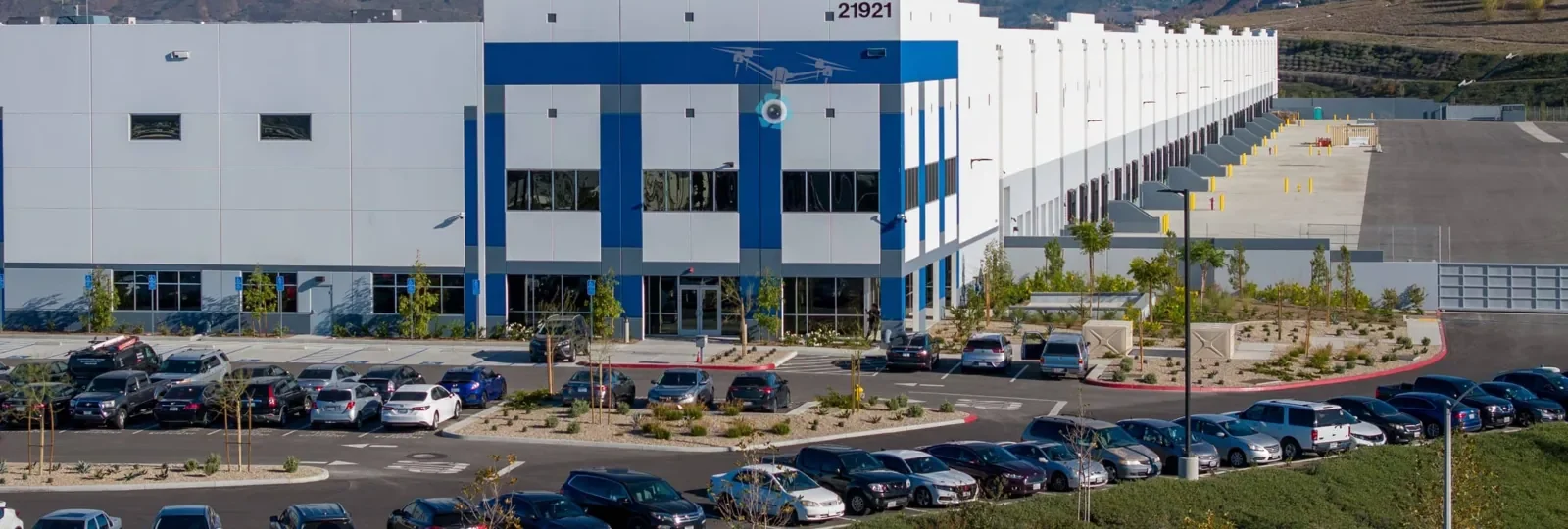
Commercial roof condition reports for Johns Creek, GA, with building-level photos, findings, testing limits, repair priorities, and documented next steps.
Does a facilities, ownership, or project team need a written record of what was inspected and what remains unknown? A roof condition report ties observations to a building, roof area, and date, with photos and limits that another decision-maker can review. We distinguish visible conditions from test results and recommendations. Johns Creek's Technology Park spans office, retail, industrial, recreation, and municipal properties, and Medlock Crossing is a separate commercial district. A report should describe the actual roof surveyed, not generalize from the surrounding area.
What should the site visit establish?
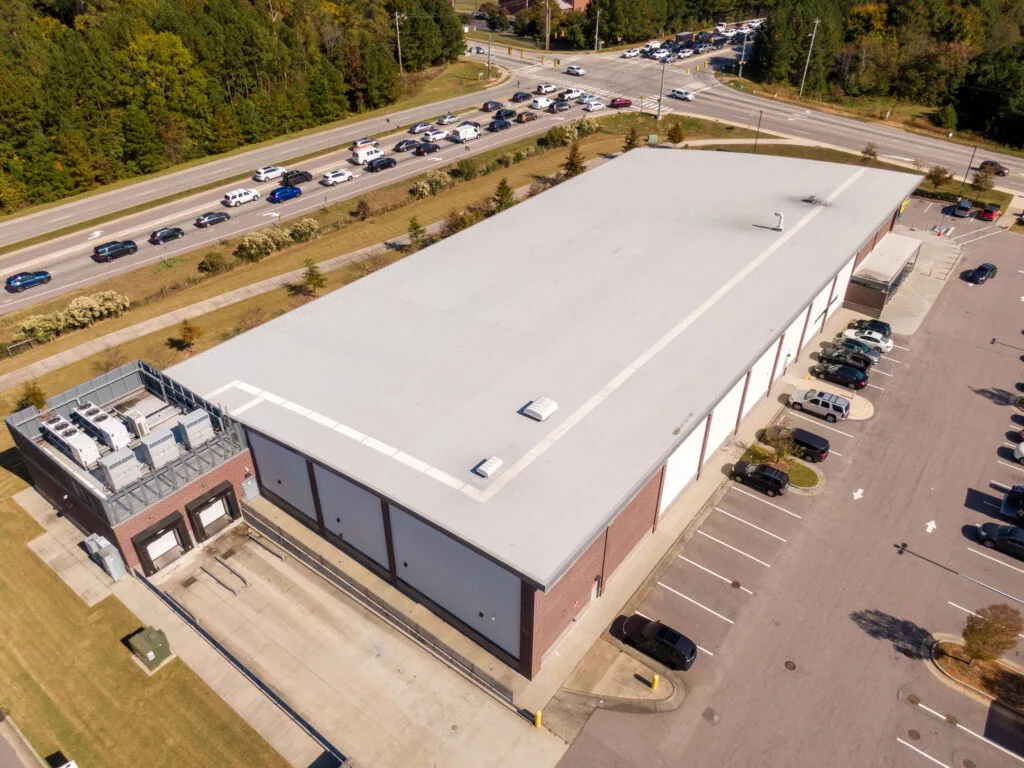
Roofing Capabilities from Commercial Roofers Johns Creek.
We start with the property name, roof plan, access route, known system, prior repair record, leak reports, and purpose of the review. On site, we identify roof sections reached, note conditions at seams, penetrations, drains, edges, curbs, and transitions, and photograph findings in context. If an area is blocked or unsafe, the report says so. A roof map can mark inspected zones and show how a photo relates to the building.
A commercial roof inspection can supply field observations for the report. When concealed moisture may change repair quantities, an infrared moisture survey can help select test areas. The report should state the method, locations, and limits. Instrument readings are not the same as direct confirmation of wet materials, so we identify whether a test opening or other verification was completed.
Johns Creek Town Center's planned 192-acre redevelopment sits along major city corridors and includes several building uses. That context may matter for access and property identification, but a report should use the owner's building name and plan reference. If property records use one suite number while facilities staff use another, document both labels so later reviewers can locate the correct roof and interior report.
We also capture relevant background without presenting it as a field finding. A prior invoice, leak ticket, or warranty document can be listed as a reviewed source with its date. If information conflicts with the roof observed on site, record the difference and identify what should be checked. That keeps the report useful even when the available plan set is incomplete or an older repair was not mapped.
How should findings be written?
Each finding should identify the location, observed condition, supporting image or test, and practical implication. For example, note an open lap at a marked roof grid and state whether the adjacent membrane appeared suitable for repair. Avoid a broad label such as failed roof without explaining which assembly or area supports that conclusion. If the source of an interior leak is not confirmed, say what was checked and what further test may narrow it.
Separate confirmed defects, maintenance items, suspected conditions, and areas not inspected. A drain with visible debris is different from a failed drain flashing; a discolored membrane is different from a verified puncture. Where an estimate is requested, provide the repair boundary and any assumptions for concealed materials. A commercial roof repair scope can then refer to the report's specific condition rather than repeat an ambiguous summary.
North and central Georgia experience damaging thunderstorm winds, hail, and tornadoes, and Atlanta climate normals show precipitation throughout the year. If a report follows an event, identify the owner-provided event date and what the roof inspection actually found. A warning, weather history, or interior photo can provide context but should not be substituted for roof observations. When the cause remains undetermined, say so and recommend the next evidence-gathering step.
Photos should be dated or clearly associated with the visit, labeled by roof zone, and framed to show both the defect and its position. Include close detail where useful, but retain a wider image that shows how to find it. If a test point is opened, document its location, result, and restoration. This lets a later contractor compare the same area and understand why a repair was recommended.
How can the report support a repair decision?
Recommendations should connect to findings and state the proposed next action. That may be routine maintenance, a localized repair, further testing, or a broader assembly review. Identify what should happen before a repair is priced, what requires an owner decision, and which other trade needs to be involved. If an urgent temporary measure is already in place, list its limits and the permanent correction still required.
A preventive maintenance visit may address items included in a defined maintenance scope. A replacement evaluation may be appropriate where the report documents widespread deterioration or repair limitations. The report itself does not authorize work. It provides the condition basis and options for an owner, property manager, or procurement contact to review.
For a property with several buildings, retain a separate record for each structure and use a summary table only to compare priorities. A roof asset register can link the building record to its inspection date, repair history, and open tasks. The owner can then sort reports by urgency without treating an unchecked roof as inspected.
Which local details belong in the report?
Local grounding should identify the service context without implying a condition at a nearby facility. Johns Creek promotes health, life-science, and innovation sectors and has more than 700 professional, scientific, and technical services firms. Those facts describe the local economy; the report must still name the subject property and the roof area actually visited.
For a site near Technology Park Johns Creek, include the property or campus name and an access point that facilities staff recognize. The city envisions a 40-acre retail district and Boardwalk park within its Town Center plan. Those landmarks can help route a regional call, but they are not substitutes for an asset identifier.
A property manager can provide access history and tenant contacts. An asset owner may need the report for budget review or an acquisition file. Identify who requested the inspection and who receives the report, especially if the owner, occupant, and maintenance team are separate parties.
What makes a report ready for review?
A review-ready document contains the inspection date, property identifier, roof map or area reference, method, findings, dated photographs, tests, access limits, recommendation, and next action. It also states what was not included, such as structural analysis, destructive testing, or interior restoration. If a warranty requirement or project specification was supplied, cite the document reviewed and avoid claims beyond its scope.
For portfolio work across Johns Creek, Alpharetta, and Suwanee, preserve one report per building and attach any comparison as a separate summary. A multi-site program can organize scheduling and shared fields while keeping each site's evidence distinct. If testing or a repair remains open, place it in a dated action list with a responsible contact.
Send the roof plan, prior inspection records, access instructions, and purpose of the review before scheduling. We can deliver a report that shows what was confirmed, what needs additional evidence, and what decision the owner can make next.
Commercial Roofing Questions
Can a roof report confirm a hidden leak source?
Only when the inspection or testing supports that conclusion. If the source is not established, the report identifies the path examined and the next test that may help narrow it.
Will the report include roof photos?
Yes. Findings should be tied to dated images and roof locations so a reviewer can place each condition in context. Test locations and access limits are also documented.
Can one report cover several buildings?
A portfolio summary can compare sites, but each building should retain its own observations, photos, methods, and limitations. This preserves the evidence behind every recommendation.
Does a condition report authorize repairs?
No. The report documents findings and options. The property owner or authorized representative decides whether to test further, request pricing, or approve work.
Back to Roofing Capabilities, or request a roof assessment and call 555-555-5555.