Commercial roofing in Johns Creek, GA
Repairs, replacement and maintenance
Commercial Roof Asset Management in Johns Creek, GA

Roof asset management for commercial portfolios in Johns Creek, GA, with building-level records, inspection priorities, and documented repair decisions.
Are roof records spread across invoices, old plans, inspection photos, and staff memory? Roof asset management gives the owner a consistent record for each building, so condition, repair history, and open questions can be compared across a portfolio. We organize field findings around the property and roof zone, and state what has not been inspected. Johns Creek reports roughly 200 companies and nearly 11,000 workers across about six million square feet in Technology Park, while Town Center adds another mixed-use district. A portfolio record helps keep each facility's roof distinct.
What belongs in a roof asset register?
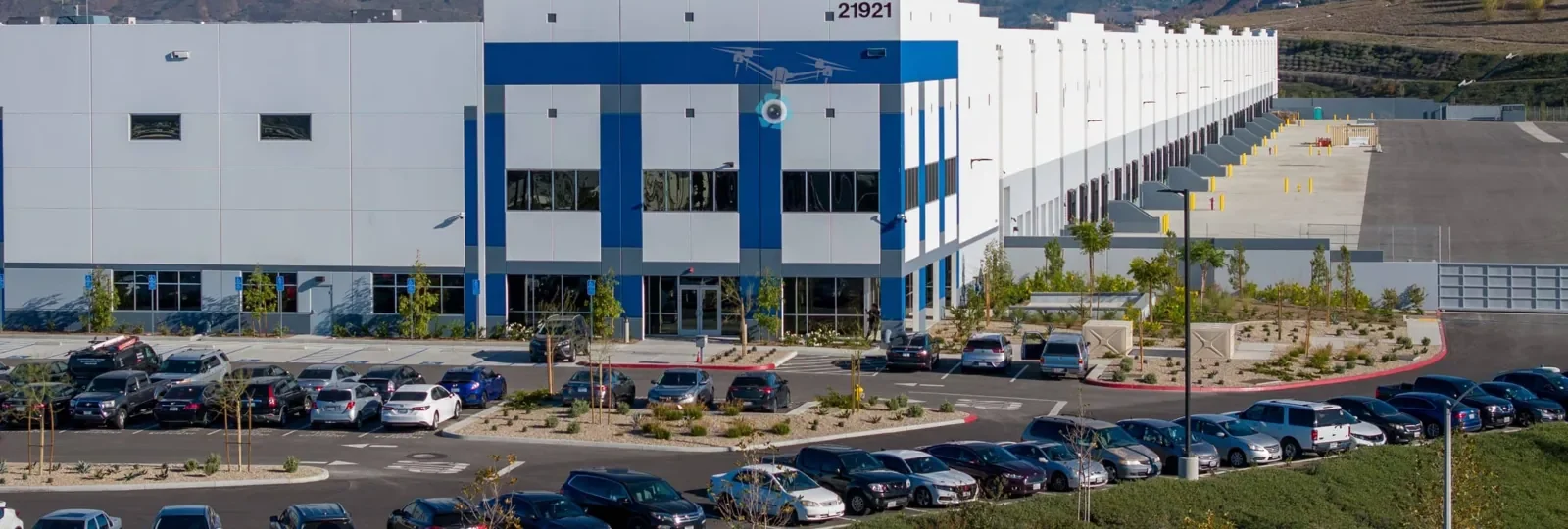
Roofing Capabilities from Commercial Roofers Johns Creek.
Start with the property name, building ID, roof plan, known system, approximate installation date if documented, repair history, warranty file, access route, and responsible facilities contact. Add inspection dates, photos, test points, measured repair areas, and unresolved conditions. A useful register separates verified information from estimates or missing records. It should also identify which roof sections were reached during an inspection and which remain unknown.
A commercial roof inspection can create a dated condition record. Where moisture may affect a repair decision, an infrared moisture survey can prioritize locations for further checking; readings should be confirmed as appropriate before they are treated as wet material. A documented condition report can retain the evidence and inspection limits alongside the asset entry. The owner can then update the register without converting a summary into an unsupported diagnosis.
Johns Creek's Technology Park contains office, retail, industrial, recreation, and municipal uses across a large campus. An organization with several buildings in the district may still have varied roof systems, access procedures, and operating contacts. The register should distinguish those properties by building and roof section rather than use a single campus-level label. If the owner has a facility map or property list, we can align the inspection record to those identifiers and flag any naming mismatch for correction.
A strong asset record captures the decision path as well as the condition. Note whether the next action is routine maintenance, a repair estimate, more testing, or capital review, and include the date and responsible contact. If a finding was deferred, preserve the reason and any interim control. That lets another manager understand what the owner accepted and when the issue should be reconsidered.
How do you compare roofs without flattening the details?
Use a consistent set of fields for condition, evidence, testing, access limits, urgent exposure, repair history, and next action. Then retain the underlying building record for each score or status. A portfolio view can group roofs for planning, but it should not imply that one building was inspected because another site in the same neighborhood was. Keep quantities and photos tied to the roof where they were observed.
The city's Johns Creek profile places major employers and institutions within Technology Park, and the area includes nearly six million square feet of developed office and industrial space. For a group with facilities near Technology Park Johns Creek, a portfolio summary can organize access and inspection timing while keeping the results at the property level. Medlock Bridge and McGinnis Ferry roads provide broad district orientation; the report still needs each building name and roof plan.
A property manager may maintain the building records, while a real estate owner or REIT decides capital timing. A property management team can coordinate inspections and tenant access; an investment owner may need an asset-level view across markets. The handoff should identify which party holds the roof plan, who approves testing, and where closeout documents are stored.
Set review intervals based on condition, documented service needs, access, and owner requirements. Do not treat an inspection calendar as a promise that a roof will remain trouble-free between visits. If water appears, record the date and location and arrange an appropriate review. The register helps the team locate prior work and determine whether the new report relates to a known issue.
How can roof records support maintenance decisions?
When the register identifies a repair, attach the scope, approval, completion photos, material, warranty documents if issued, and follow-up item. If testing is pending, mark the asset as needing review rather than as confirmed damage. For a temporary patch, record its boundary and the next inspection date. That gives facilities staff a practical way to keep open items visible until permanent work is authorized.
Atlanta climate normals show precipitation through every month of the year. Drainage and leak history therefore belong in the ongoing record, not just in a storm file. North and central Georgia can also experience damaging thunderstorm wind, hail, and tornadoes. After a reported event, record the date, inspected areas, evidence, and limitations. The weather alert may prompt the work order; the roof observation supports the condition entry.
A preventive roof maintenance visit can address accessible drains, debris, exposed details, and other items included in the approved scope. Keep maintenance findings separate from a capital recommendation. If a visit discovers a suspected concealed condition, schedule testing or an inspection rather than assigning a final condition category without evidence. The asset register can then track the decision and its completion.
Which properties fit a Johns Creek portfolio plan?
Commercial owners may have offices in Technology Park, retail near Medlock Crossing, or mixed-use property associated with Johns Creek Town Center. These districts show different asset settings and planning contexts, but none identifies a roof condition. Use the portfolio map to name the actual properties and responsible contacts.
For buildings in Johns Creek, a facilities team can schedule roof access through the person who manages each site. A multi-site roof program can coordinate visits across several buildings while preserving each inspection's test limits and findings. That approach supports a shared reporting format without treating the roofs as identical.
If a site is under renovation, distinguish the existing asset record from new work in progress. Note which contractor controls roof access, what remains under warranty, and when the new assembly will receive its first closeout file. Asset management should reflect the installed condition after construction, not a bid drawing that no longer matches the field.
What does a useful annual review include?
Review missing plans, unresolved tests, temporary repairs, repeat leak locations, warranty documents, and next actions. Confirm the asset identifier and decision owner for each roof. A concise portfolio view can highlight buildings for inspection or budget discussion, but the detailed record should retain the evidence that supports those priorities. When a finding changes, retain the earlier version and date the new observation.
For a portfolio with properties in Johns Creek, Alpharetta, Suwanee, and Roswell, broad city grouping can help with scheduling. A roof report should still identify the property, roof area, and inspection limits. If the owner plans to compare repair and replacement options, a roof capital planning review can use the register as a starting point while preserving assumptions for every site.
Send the property list, available roof plans, recent service history, and preferred building identifiers to begin. We can document the current state of each reviewed roof and identify where a test or updated plan is needed before the owner makes a larger decision.
Commercial Roofing Questions
Can one roof register cover several buildings?
Yes, if each asset keeps its own plan, observations, access limits, work history, and open tasks. A portfolio summary can organize the records without merging building conditions.
What if an owner does not know the roof age?
Mark the date as unknown and retain any documents that may establish it. The inspection can describe observed materials and condition, but it should not turn an estimate into a verified installation date.
How should a temporary repair appear in the asset record?
Identify its location, date, material, limitation, and required follow-up. Keeping temporary actions separate from completed permanent repairs helps managers see what remains open.
Can the register tell us which roof to replace first?
It can organize confirmed condition, exposure, testing needs, and planning dates. A replacement decision should use the underlying inspection evidence, budget constraints, and owner requirements.
Back to Roofing Capabilities, or request a roof assessment and call 555-555-5555.