Commercial roofing in Johns Creek, GA
Repairs, replacement and maintenance
Cold Storage and Freezer Roofing in Johns Creek, GA
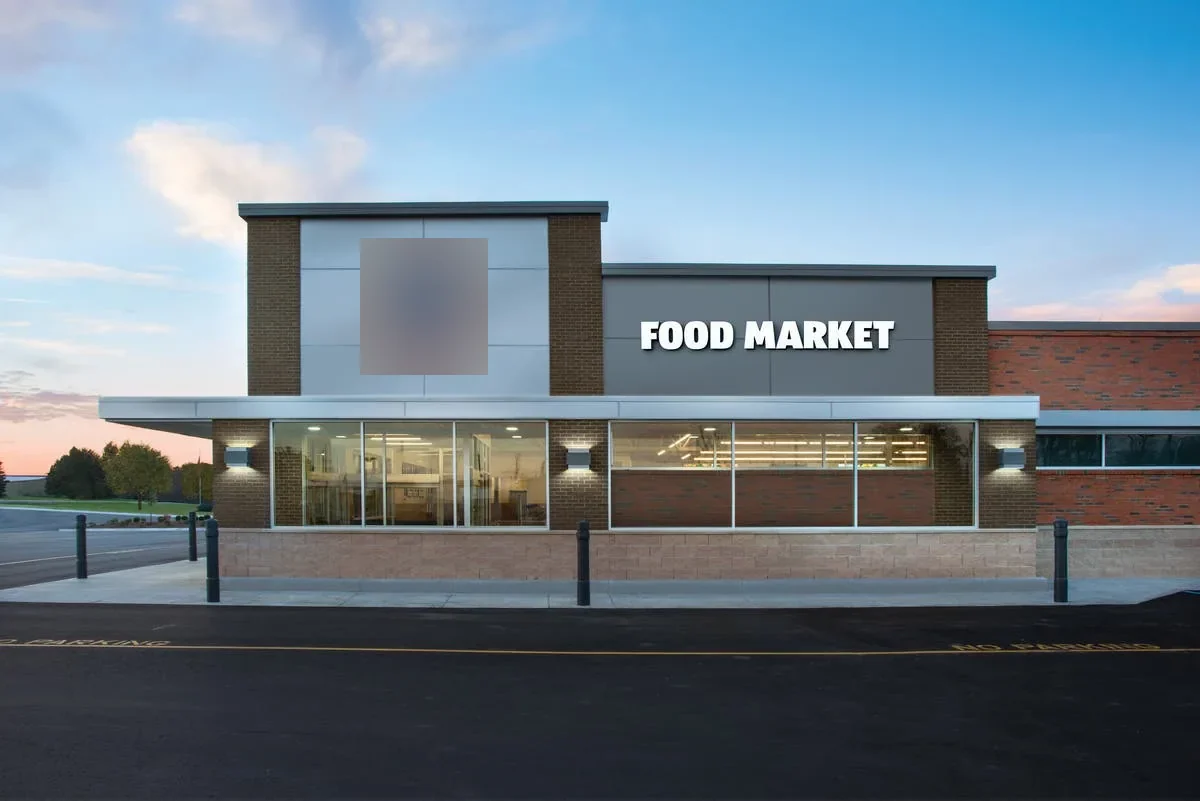
Inspect Johns Creek cold-storage roofs for condensation, vapor-control continuity, insulation, penetrations, and protected repairs around operations.
Is the water at the ceiling a roof leak, or could it be condensation moving through a cold-room assembly? A freezer roof must manage exterior weather while preserving the building's thermal and vapor-control layers. A roof opening, thermal bridge, or discontinuity can affect both moisture and temperature control. We inspect the roof, penetration details, insulation, and interior evidence before identifying the repair boundary. Gwinnett's logistics and healthcare sectors support a varied distribution market, and facilities near Johns Creek need roof work coordinated with the product and operating conditions inside.
How do you separate a roof leak from condensation?
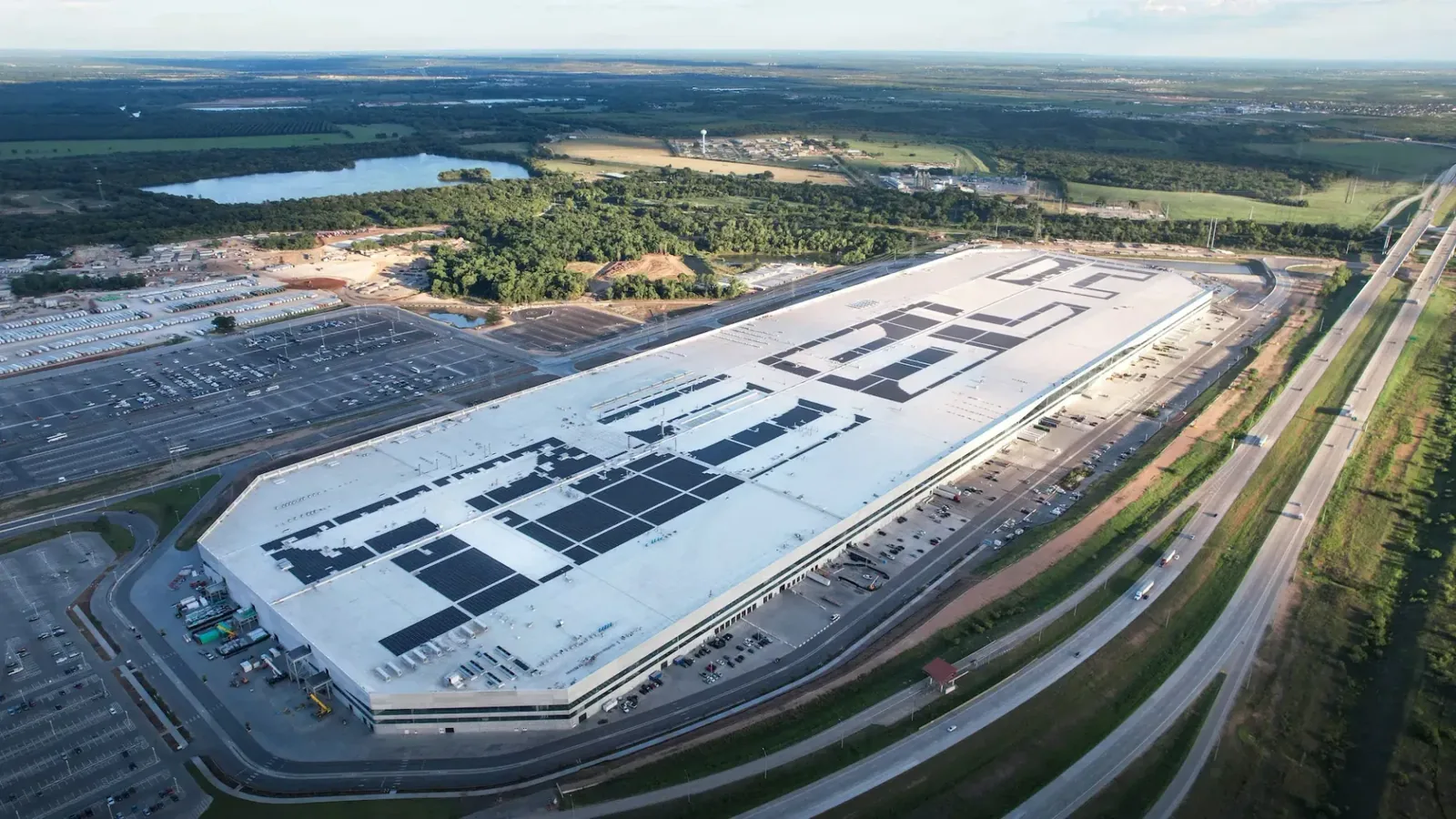
Property Types We Roof from Commercial Roofers Johns Creek.
We compare the timing, location, and pattern of the moisture with the roof details above it. A leak that follows rain may point to a membrane, curb, or drain path; condensation may appear where warm, moist air reaches a cold surface or a thermal bridge. These patterns are clues, not a final diagnosis. We inspect penetrations, seams, vapor-control transitions, and interior surfaces, then use testing where the assembly cannot be confirmed visually.
A test cut can show whether insulation is wet and how many layers are present. Its location must be recorded because a freezer roof may have different conditions around equipment, dock offices, additions, and cold-room boundaries. A commercial roof inspection documents the suspected path, while a moisture survey can help identify areas for direct testing. We do not treat an infrared image as proof of a leak or a vapor problem without checking the assembly.
Which layers need to stay continuous?
The membrane, insulation, air and vapor controls, deck, and interior enclosure work together. Roof replacement or repair may affect thermal performance if seams, curbs, walls, or pipe penetrations interrupt those layers. We review the roof detail with the owner or design team and mark any tie-in that needs a compatible transition. The proposal should identify which trade owns refrigeration piping, equipment curbs, vapor-control work, and roofing so no interface falls between scopes.
Adding insulation can change the finished height at drains, parapets, and equipment bases. A roof insulation and cover-board plan should state the material, thickness, attachment, and connection at each transition. If a rooftop unit is moved or a line is replaced, the opening needs a new flashing detail after the mechanical work is complete. We sequence the roof closure with the cold-room contractor or facility engineer where the enclosure requires that coordination.
How do you protect temperature-controlled work?
Before opening the roof, we identify the area below, product sensitivity, refrigeration status, interior barriers, and the contact authorized to approve a work window. Each section is limited to what can be protected and closed within the shift. Temporary covering must be stable and must not obstruct drains. The site contact confirms whether an interior area needs to be cleared or if an equipment shutdown is necessary before a penetration or curb is disturbed.
Suwanee Gateway is a major commercial district around I-85 Exit 111, with a large industrial inventory. That surrounding logistics context makes delivery and staging a practical planning item, but the cold-storage facility sets its own operating rules. We coordinate truck routes, lift access, roof staging, and the daily stop point with the property team. An occupied-facility work plan records which areas are isolated and how the building will be protected if weather changes.
What if insulation or the deck is wet?
Wet insulation can lose thermal performance and may conceal damage below the membrane. We define removal limits from test results and visible evidence, then check the deck before closing the roof. If the material is damp but the extent is uncertain, additional samples may be appropriate. The repair scope identifies where insulation is replaced and how the vapor-control layer is restored. A patch over wet material can leave an interior moisture issue unresolved.
Active water entry may require immediate containment. Protect temperature-sensitive inventory as directed by facility staff, then identify the roof detail and any testing still needed. We record what was temporary, what was permanently repaired, and what remains for follow-up. If the roof has repeated failures across multiple bays, consider a distribution-center roof assessment for adjacent high-throughput buildings or a warehouse roof survey for general storage areas. Each facility's temperature and moisture requirements stay in its own scope.
Which local conditions affect the roof?
Atlanta climate normals record rain in every month and regular overnight freezing lows. A cold-storage roof therefore sees wet weather alongside temperature swings that can change the surface and adhesives during repair. The normal data describe the region, while actual deck and membrane temperatures decide if work can proceed. We plan protection before removing material and avoid leaving a cold-room roof open beyond the agreed closure limit.
North and central Georgia also experience damaging thunderstorm wind, hail, and tornadoes. After severe weather, we inspect exposed edge details, punctures, drains, and equipment supports for observed changes. A storm warning does not establish damage or explain an interior temperature issue. We photograph the roof and note where the inspection was limited. If water threatens product or refrigeration equipment, the facility contact can coordinate temporary protection and an emergency visit while a permanent repair is prepared.
What should the facility file preserve?
Closeout records repair locations, tested layers, insulation type, vapor-control transitions, photographs, and any refrigeration or enclosure trade interface left open. We note temporary measures, remaining exclusions, and the maintenance route for future service. The facility manager should know whether roof access is restricted over particular cold rooms or equipment. A map of penetrations and repairs can help prevent later work from cutting through a restored layer without a roofing detail.
Provide roof plans, temperature-zone layout, leak history, refrigeration service schedule, access rules, and decision dates. We will document the moisture pattern, inspect the assembly, and coordinate the roof work with the building's operating limits. A roof condition report can preserve the findings for future maintenance. For facilities along the Peachtree Industrial corridor, separate site records keep the repair history tied to the correct building.
Commercial Roofing Questions
How can you tell whether condensation is causing ceiling moisture?
We review moisture timing, air and surface conditions, enclosure details, and the roof above the affected area. A test opening may be needed to distinguish wet insulation from condensation at a thermal bridge. The report states which observations are confirmed and what needs additional testing.
Can a cold-storage roof be repaired while refrigeration stays on?
The facility engineer or authorized contact defines temperature-control requirements and any shutdown limit. We plan roof sections and interior protection around that direction. The scope identifies any interruption, access restriction, or trade coordination needed before the roof is opened.
Why does vapor control matter at the roof?
Warm, humid air reaching cold surfaces can condense within or below an assembly. Roof penetrations and transitions need a continuous connection to the designed air and vapor-control layers. We inspect the interface and coordinate the intended detail with the owner or design team.
What happens if a test cut finds wet insulation?
The sample is mapped, photographed, and used to define the next investigation or removal boundary. We review whether adjoining areas need more testing before setting the full repair quantity. Replaced materials and vapor-control connections are recorded before the roof is closed.
Can a roof leak damage stored product?
Water entry can affect product, equipment, and temperature-controlled operations. The site contact should identify sensitive areas before work, and the roof crew coordinates temporary protection with them. We document the leak path and permanent correction separately from any interior response.
Back to Property Types We Roof, or request a roof assessment and call 555-555-5555.