Commercial roofing in Johns Creek, GA
Repairs, replacement and maintenance
Commercial Office Building Roofing in Johns Creek, GA
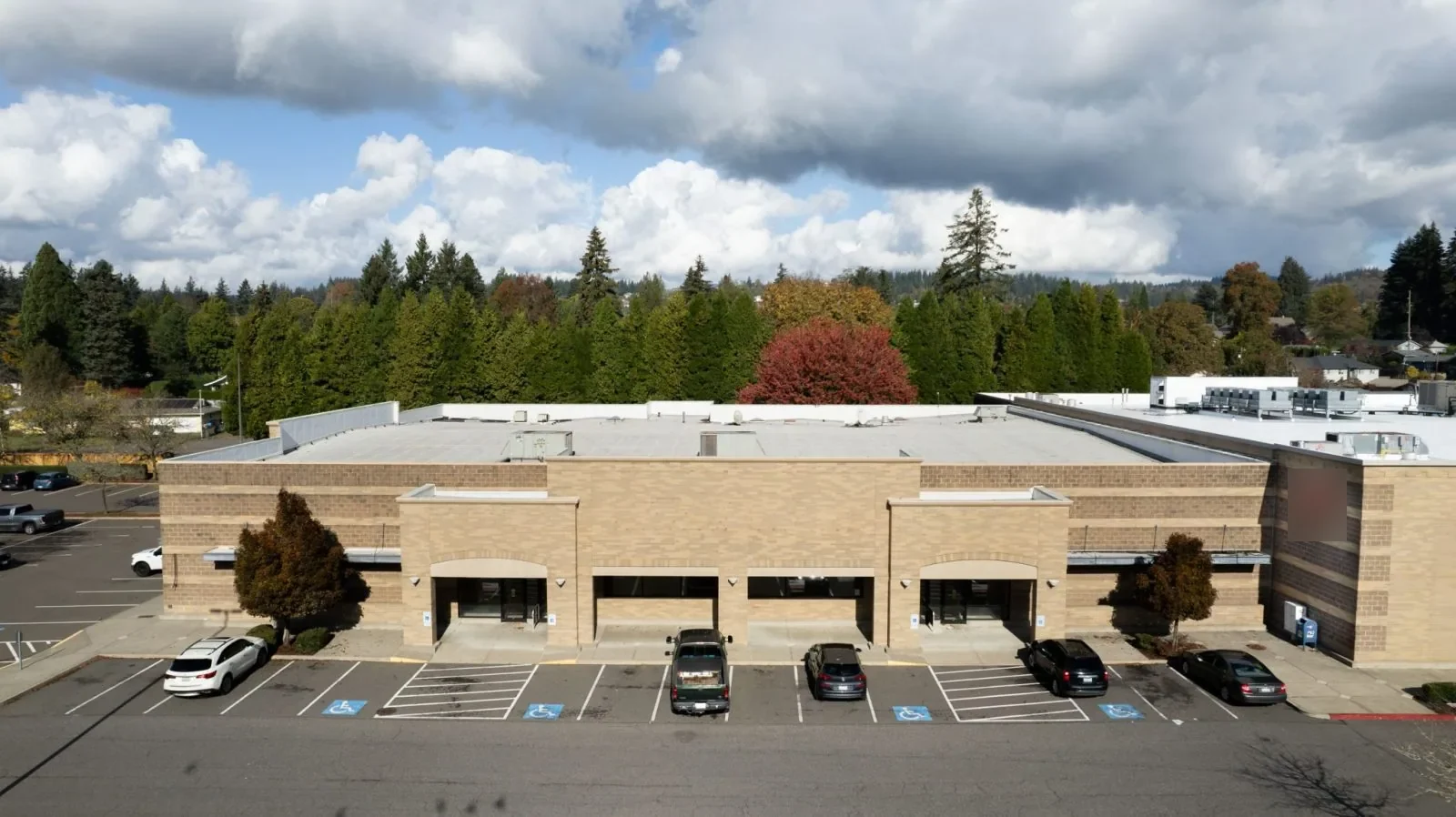
Plan Johns Creek office roof repair around tenant access, HVAC equipment, ceiling reports, drainage, and a documented work window.
Which tenant area sits below the reported leak, and what rooftop equipment is nearby? An office roof project has to account for ceilings, data and electrical spaces, HVAC service, building entrances, and the hours when people are on site. We trace the water path and inspect seams, drains, curbs, and prior repairs before setting the work boundary. Johns Creek's established office concentration grew around Technology Park and the Medlock Bridge and McGinnis Ferry corridor, so coordination with the property contact is part of the roof inspection.
How should a tenant leak be investigated?
Property Types We Roof from Commercial Roofers Johns Creek.
Start with the tenant report, ceiling location, time observed, and whether rain or equipment operation coincided with the moisture. We compare that location with the roof plan and check the membrane above, along with nearby drains, HVAC curbs, skylights, and penetrations. Water may travel through insulation or along a deck before it reaches a ceiling tile. We photograph the observed entry point and record whether a test cut or moisture survey is needed.
Offices often have different interior uses above one connected roof. A roof plan can identify suites, mechanical areas, and additions, but the owner should confirm use and access before the crew enters. A commercial roof survey documents what was examined and the limits of access. For moisture beneath the membrane, an infrared survey can help select direct test locations without treating a thermal pattern as a final diagnosis.
What details surround the HVAC units?
We inspect curb flashing, pipe boots, condensate lines, supports, roof screens, and the membrane where service technicians move equipment. A leak may start on the uphill side of a unit or at a modified curb rather than through the open roof field. If the HVAC contractor plans a replacement, the roofing sequence should be agreed before the old unit is lifted. The scope names who will provide the curb extension, flashing, temporary protection, and final closeout.
Technology Park Johns Creek includes low- and mid-rise offices, retail, industrial, and municipal uses. That business mix brings different rooftop service needs, but does not establish the number or type of HVAC units on a particular property. We confirm each condition during inspection. A curb and support assessment can document interfaces, and a skylight and penetration repair can address other openings in the same zone.
Can work be phased without closing the office?
Most roof work can be divided into manageable sections, but the plan depends on access, noise, deliveries, occupied rooms, and the need for interior protection. We identify tenant entries and routes below the work area, then set notices and a daily stop point with the property manager. A roof section is opened only when the crew can protect it within the agreed work window. If equipment must be shut down, the affected suite and responsible contact should be identified in advance.
Johns Creek Town Center is a planned district with office, retail, hospitality, and residential uses. For a property near the redevelopment area, deliveries and visitor routes may affect staging, but the building's own operations govern the sequence. A phased office reroof plan can list access changes, work hours, temporary protection, and required approvals. The owner can review it with tenants and facility staff before mobilization.
When does an office roof need a larger scope?
A single flashing defect or isolated puncture may support a localized repair if the surrounding membrane is stable and dry. Repeated leak reports across different suites, wet insulation, failed seams, or deck concerns can point to a broader issue. We map confirmed findings separately from areas that have not been tested. The proposal should state whether repairs include insulation, interior protection, curb work, edge metal, and any allowance for concealed damage.
Where the roof has multiple additions or systems, one repair detail may not fit every zone. A medical office roof review may highlight stricter access and equipment coordination for a clinic, while an office-warehouse roof evaluation addresses a mixed-use facility. We keep the recommendation tied to the actual property. Identify the affected suite and notify facilities, then document temporary measures and remaining inspection needed to define a lasting correction.
How do local conditions affect timing?
Atlanta climate normals record rainfall in every month and many hot days. Rain can interrupt roof openings and heat can narrow safe work periods, so we check the actual surface, forecast, and material requirements each day. Cold mornings can also change adhesive performance or handling. The plan identifies how much roof can be prepared and dried in within the available window, plus how completed details are protected if the schedule changes.
North and central Georgia experience damaging thunderstorm winds, hail, and tornadoes. Following severe weather, we look for actual lifted edges, displaced equipment, punctures, and new water entry. A warning does not demonstrate damage to a specific office roof. For properties along Medlock Bridge and State Bridge roads, traffic and occupied storefronts may affect access below the roof, so we establish a safe staging and pedestrian route with the property contact.
What records help property managers?
The closeout record should include the roof plan, repair locations, photos, materials installed, test cuts, interior areas protected, and any work left for another trade. We note tenant or access constraints that affected inspection and identify any follow-up item. This makes it easier to connect a future ceiling report to the roof zone and repair history. The property team should also know who to contact if new water appears. Where lease responsibilities divide roof access or interior repairs, record which contact received the closeout and which items remain with the owner.
Send the roof plan, tenant reports, HVAC schedule, access limits, and decision date. We will trace the leak path, inspect the roof details, and write a scope that shows what is confirmed and what remains unknown. A roof condition report can help budget repairs across offices. The manager can keep the findings with the building's maintenance file and tenant correspondence.
Commercial Roofing Questions
Can office tenants stay in place during roofing work?
Phasing may allow normal use when entrances, noise, rooftop equipment, and interior protection are coordinated. We define affected areas and access changes with the property manager. Some tasks may require a short shutdown or restricted room, which is identified before work begins.
How do you locate a leak above a ceiling tile?
We use the reported suite and time to identify the roof zone, then inspect details above and uphill from the stain. Water can migrate before it appears indoors. Moisture mapping or test cuts may be needed when the assembly hides the path.
Who handles HVAC units during a reroof?
The scope should name the roofer's work and coordinate the mechanical contractor's removal, shutdown, curb, and reconnection tasks. We inspect the curb and flashing before and after that work. The final roof transition is recorded so an open interface is not mistaken for completed roofing.
What should a property manager compare in office roof bids?
Compare roof zones, removal limits, membrane and insulation, flashing details, interior protection, access, work hours, allowances, and closeout records. Proposals need to state how a hidden condition changes the price. We can tie the scope to the same roof plan for review.
Does a storm warning mean an office roof needs repair?
No. We inspect and document the actual roof condition, such as displaced trim, punctures, or lifted details. If no damage is observed, the report should say what was checked and note any area that could not be reached.
Back to Property Types We Roof, or request a roof assessment and call 555-555-5555.