Commercial roofing in Johns Creek, GA
Repairs, replacement and maintenance
Commercial Skylight and Penetration Flashing in Johns Creek, GA
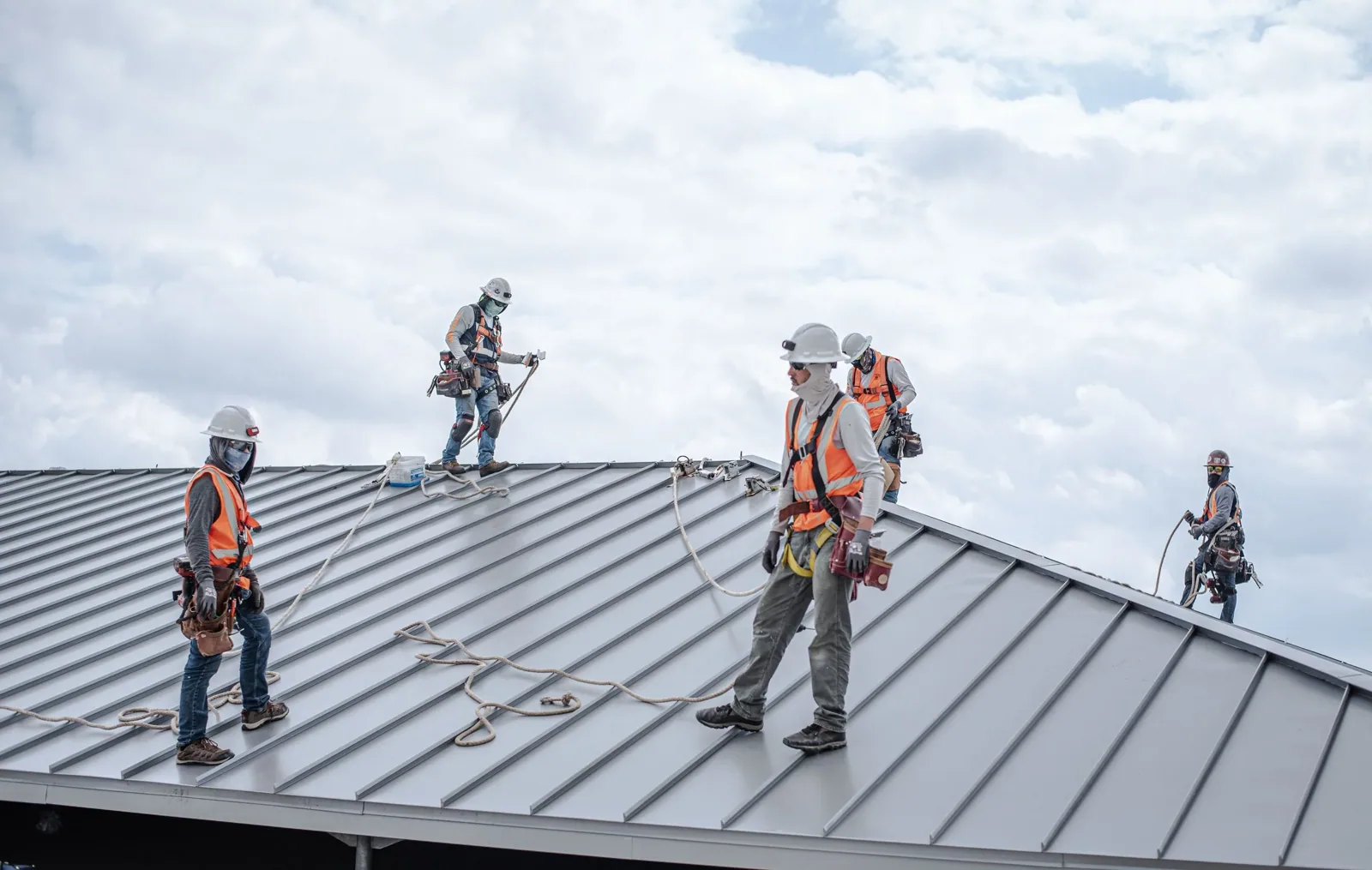
Repair commercial skylight curbs and roof penetrations in Johns Creek with compatible flashing, drainage review, and a tested repair boundary.
Is water entering at a skylight curb, pipe boot, equipment support, or a seam beside it? We inspect the roof opening, flashing, counterflashing, membrane, and nearby drain path before defining a repair. A wet ceiling below a skylight does not prove the glazing itself is leaking; water may enter at the curb or travel from another roof detail. The building’s roof system and the opening’s condition determine the material and repair boundary. Johns Creek’s offices, medical properties, and industrial uses can have crowded rooftop equipment, so access and shutdown limits belong in the inspection plan.
What should the curb or penetration show?
Commercial Roofing Services from Commercial Roofers Johns Creek.
At a skylight, we check the curb height, membrane turn-up, corner seams, counterflashing, fasteners, glazing joint, and any evidence of movement. A curb can leak where flashing splits, a corner lifts, or the assembly flexes. On pipe penetrations, we inspect the boot or pitch pocket, sealant, clamp, and surrounding membrane. Equipment supports and conduit entries need their own flashing detail. The repair should preserve the roof’s drainage path and avoid burying a movable part.
We document the reported interior location, roof zone, opening type, material, and observed failure. A roof inspection can identify nearby seams, low spots, and previous patches that may contribute to the same leak. If the entry route remains unclear, a leak investigation can test likely points before repair limits are set. A single bead of sealant around the outside may hide the opening temporarily without addressing loose flashing or wet insulation beneath it.
Which flashing material fits?
Flashing must be compatible with the existing roof and the penetration. Thermoplastic membranes, EPDM, modified bitumen, metal panels, and liquid-applied systems use different details and preparation. We identify the membrane before selecting a patch, boot, coating, or flashing component. If a pitch pocket is present, we check whether its fill remains bonded and whether the penetration moves. The scope should say how corners, vertical turns, clamps, and membrane overlaps will be finished.
A skylight replacement may involve more than roof flashing. The owner may need a glazier or other trade to confirm the frame, glazing, and operator condition. We identify the boundary between roof work and window work. If the curb itself is damaged or too low for the surrounding roof, we propose the needed correction rather than cover a deficient transition. Commercial roof repair should specify the materials and preparation that match the assembly, with any glazing or equipment work clearly identified as a separate coordination item.
Could water be coming from another detail?
Water can travel downslope, across a deck, or along a seam before reaching a ceiling opening. We inspect upslope details, wall transitions, drains, and equipment bases near the reported leak. Staining around a skylight may reflect a failed curb, but it can also be the exit point for water entering elsewhere. We use roof observations, interior reports, and targeted tests to locate the source instead of treating the closest penetration as the cause by default.
Atlanta climate normals show rain in every month, so recurring leaks can reveal a detail that fails under repeated wetting. We note rain direction and timing supplied by the property contact, then compare it with the roof’s drainage route. If insulation may hold moisture, an infrared survey or test cut can help establish the area requiring repair. That evidence may widen or narrow the boundary around the opening. The report states whether the flashing was confirmed as the entry point or remains one of several possible causes.
How does the building affect access?
Technology Park Johns Creek has office, retail, industrial, and institutional properties, and Emory Johns Creek Hospital is a major healthcare campus in the area. Roof access may need coordination around medical activity, rooftop equipment, and building security. We ask for a site contact, approved route, escort requirements, equipment shutdown rules, and any interior room access needed to investigate a reported leak.
Johns Creek’s Town Center planning covers a broad business park that is shifting toward mixed retail, office, hospitality, and residential uses. That variety can affect staging, tenant communication, and noise windows when multiple roof openings are involved. We define the actual building’s access rules and avoid treating an area-wide schedule as a universal one. For a property in Johns Creek Town Center, we can phase curb work by roof zone so open details are closed and protected before moving to the next area.
How is the repair completed?
We prepare the surface, remove failed flashing where required, install compatible materials, and finish the transition at the curb or penetration. Any moisture or damaged substrate found during preparation is photographed and brought to the owner before scope expands. We protect the opening while materials cure and inspect the completed seam, clamp, and termination. If rain threatens before the repair is complete, the work stops at a protected point.
Hot conditions can affect rooftop safety and the working time for some repair materials. The installation schedule follows product instructions and actual surface conditions. On a roof with active HVAC or laboratory equipment, we coordinate any necessary access restriction before tools or materials are staged. A work plan for occupied buildings can sequence access around tenants and operations. If the opening is beyond the safe repair boundary, we explain the temporary protection needed before a permanent correction can proceed.
What should the inspection record show?
Closeout photographs should identify the opening, curb or boot, material transition, repair boundary, and surrounding roof surface. The written record notes the symptom reported, observed cause if confirmed, work performed, test result, and any condition left outside the scope. The property contact can compare the photos with the roof plan and refer the repaired detail to the maintenance record.
Johns Creek’s healthcare and research economy includes major institutional and business properties, but the building’s roof still determines the repair. Send the roof plan, interior leak location, photos, opening type, access limits, and decision timeline. We will inspect the penetration, trace water if needed, and describe which repair materials and coordination steps fit the observed condition. A condition report can retain the detail history with other roof findings for future review.
Commercial Roofing Questions
Does a leak near a skylight mean the glazing is broken?
Not necessarily. Water may enter through the curb flashing, a corner seam, or a separate roof detail and travel to the ceiling below. We inspect the frame, curb, membrane, and nearby drainage before deciding whether a roofer or glazing trade needs to address the source.
Can you seal around a pipe penetration without replacing the roof?
A localized flashing repair may be appropriate when the membrane and substrate around it are sound. We check the boot, pitch pocket, clamp, movement, and surrounding material first. The written scope says where the repair stops and what condition remains outside it.
What if the equipment must remain running?
We coordinate access and any restricted work window with the building contact. Some repairs can proceed without shutting equipment down, while others may require a clearance or temporary access limit. We identify the restriction before scheduling and define how the opening will be protected during work.
How do you find water that appears far from the roof opening?
We compare the ceiling location with the roof slope, seams, drains, and nearby curbs, then test likely paths where suitable. Water can move within the assembly before becoming visible indoors. The report separates a confirmed entry point from areas that remain under investigation.
When should a skylight be replaced instead of reflashed?
The curb, frame, glazing, hardware, and roof transition all affect that choice. We inspect the roof flashing and identify concerns that need a glazier or other trade. A replacement scope should account for the curb height, membrane tie-in, and protection during the opening.
Back to Commercial Roofing Services, or request a roof assessment and call 555-555-5555.