
Commercial roofing in Johns Creek, GA
Repairs, replacement and maintenance
About Commercial Roofers Johns Creek
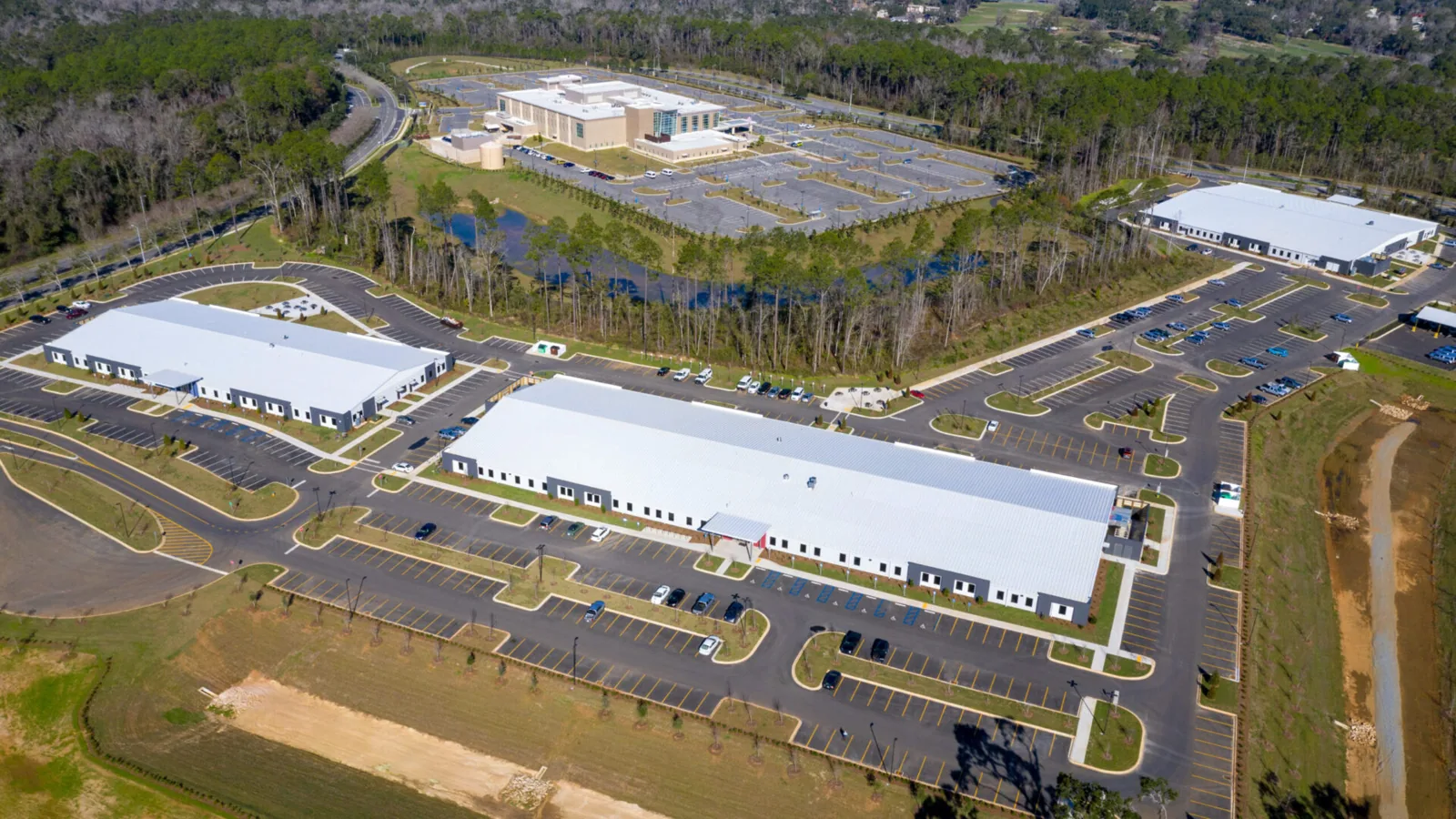
Offices, clinics, warehouses and retail centers across Johns Creek and North Fulton.
Commercial Roofers Johns Creek helps property owners and facility teams make decisions about commercial roofs. The work begins by identifying the building, roof assembly, reported condition, access limits, and decision the owner needs to make. An inspection documents what can be observed and identifies what remains uncertain. A repair scope follows when a defect and suitable work boundary are supported. Larger planning may be appropriate when repeated failures, moisture, or system condition extend beyond one detail. The recommendation should explain its basis and show what is included, excluded, or subject to approval.
A market with different building needs
Technology Park is a major Johns Creek employment concentration, with low- and mid-rise offices, industrial and retail uses, and institutions such as Emory Johns Creek Hospital. The broader local economy includes healthcare, scientific services, advanced manufacturing, and transportation. Those sectors mean roof work can involve different access rules and operating considerations, but they do not reveal the construction or condition of a particular roof. We ask for the property plan, recent maintenance history, access contact, and symptom location before defining the inspection. The city’s Town Center plan covers an existing business park and anticipates a mix of retail, office, hospitality, and residential uses. That redevelopment context means property records and access plans may change as projects evolve, so confirm the current owner contact, work boundary, and site rules for each request. Johns Creek also identifies more than 700 professional, scientific, and technical services firms in its economic profile. These figures describe the market, not the size, type, or condition of an individual roof.
The Technology Park Johns Creek and Johns Creek Town Center areas are useful local references. A site elsewhere in Johns Creek or a nearby city still needs the same building-level review. The Suwanee and Duluth markets have separate commercial geographies; a corridor name is not an access plan.
On the roof, at the deck, seams, flashing and drains, before any price is set.
Flat and low-slope roofs on offices, warehouses, clinics, schools and retail.
Johns Creek,
Alpharetta, Duluth,
Suwanee and
North Fulton
Inspection before recommendation
A roof inspection should identify the system when records or field evidence allow, then examine seams, laps, penetrations, edges, walls, curbs, drains, scuppers, skylights, equipment supports, and previous repairs. The report should connect each observation to a roof zone and note areas that could not be reached. A stain below the roof can help direct attention, but water may move before it appears inside. When visual evidence is not enough, testing may be needed to determine moisture extent, layer count, or the condition of the deck. The inspection method should match the question. A visual walk can document accessible surfaces and details. Moisture scanning, adhesion checks, or a test opening may be considered when the decision depends on hidden layers or bond condition. Agree on the method, test locations, restoration, and reporting before starting. If the roof is unsafe or an area is inaccessible, record that limit and identify an alternate method or follow-up visit. A concise report is more useful when it says exactly what was reviewed than when it implies full coverage that did not occur.
Atlanta’s 1991-2020 climate normals record rain through the year and recurring summer heat; those measurements describe the Atlanta station, not a roof at a Johns Creek address. North and central Georgia also face damaging thunderstorm winds, hail, and tornadoes. A regional alert is not proof that a property has damage. We use the reported event to guide questions, then record observed conditions and test limits at the building. A commercial roof inspection can establish the basis for a next step by identifying the assembly, observations, testing limits, and roof zones reviewed.
Clear work boundaries and options
A repair proposal should name the affected zone, preparation, materials, connection detail, verification, access, and closeout record. If opening the assembly may expose wet insulation or damaged deck, agree on a stop point and approval process before work starts. The commercial roof repair scope should distinguish confirmed defects from contingencies. If repeated failures or broad deterioration make a local fix uncertain, a replacement evaluation can compare removal, insulation, deck work, edge details, penetrations, drainage, and work sequence. The scope should also make coordination visible. Identify where materials will be staged, which entries or equipment routes must stay clear, who receives weather updates, and how a work zone will be secured overnight. For a building with tenants or production activity, note the sequence and the person responsible for approving each phase. If a change in conditions affects price or schedule, pause for documentation and written direction. This gives the owner a record of the authorized decision and prevents an unapproved assumption from becoming part of the work.
Some buildings must remain active while work proceeds. A plan for occupied-building reroofing should identify zones, daily limits, temporary protection, communication, and handback. Coating may be considered only when the substrate, existing details, and compatibility support it. In every case, the written scope should state assumptions and exclusions in language a property manager can review.
Records that remain useful
Roof decisions span more than one visit. A condition report can tie photographs and test points to a marked roof plan. A capital review can organize needs and work windows after current conditions have been documented. Warranty terms should come from the actual issued document for the property, including notice or review requirements. Closeout should identify approved work, products installed, changes, tests, areas left open, and items that remain for later attention. An inspection recommendation is not a completed repair, and a temporary cover is not the same as permanent restoration.
For a portfolio, retain a separate record for each building even if one owner uses a shared vendor or standard reporting format. Label the system, roof section, date, access limit, finding, approval, and work status. These details help another manager understand which area was inspected and what remains unresolved without relying on memory or a general market description.
How to request a review
Provide the property identifier, roof plan if available, reported leak or damage, recent repair history, operating constraints, and the person authorized to arrange access. Note whether the request is for a visual inspection, testing, a defined repair, a storm review, or comparison of larger options. If the roof serves multiple tenants or buildings, identify the area that belongs in the scope. We can then document the conditions reviewed and explain what action is supported by the evidence. If you are unsure which service fits, describe the condition rather than selecting a product or repair in advance. A brief timeline of leaks, temporary measures, and recent roof work can help determine whether the first step is inspection, testing, or a defined estimate. Include photographs from inside and outside when available, but identify their dates and locations. We can confirm what additional records or access arrangements are needed before setting a visit.
To discuss a specific building, start with commercial roofing in Johns Creek or identify the nearby city or district where the property is located. The location helps orient the request; the building’s own roof record controls the recommendation.
Commercial Roofing Questions
What types of commercial roofs do you review?
The service covers commercial roof inspections and scopes for common low-slope and metal assemblies. The installed system should be verified from records or field conditions.
Do you promise that a repair will stop every leak?
No roof outcome should be promised before the conditions and scope are understood. The inspection identifies evidence, limitations, and the work that can be supported.
What should I provide for a first conversation?
Send the property identifier, roof plan if available, symptom location, recent work, and access contact. Mention operational limits or approval requirements.
How are larger recommendations developed?
They follow documented findings. The report should show the roof areas reviewed, open questions, scope assumptions, and information needed before authorization.
Planning roof work? Request a roof assessment or call 555-555-5555.