Commercial roofing in Johns Creek, GA
Repairs, replacement and maintenance
Commercial Roofing in Peachtree Corners, GA
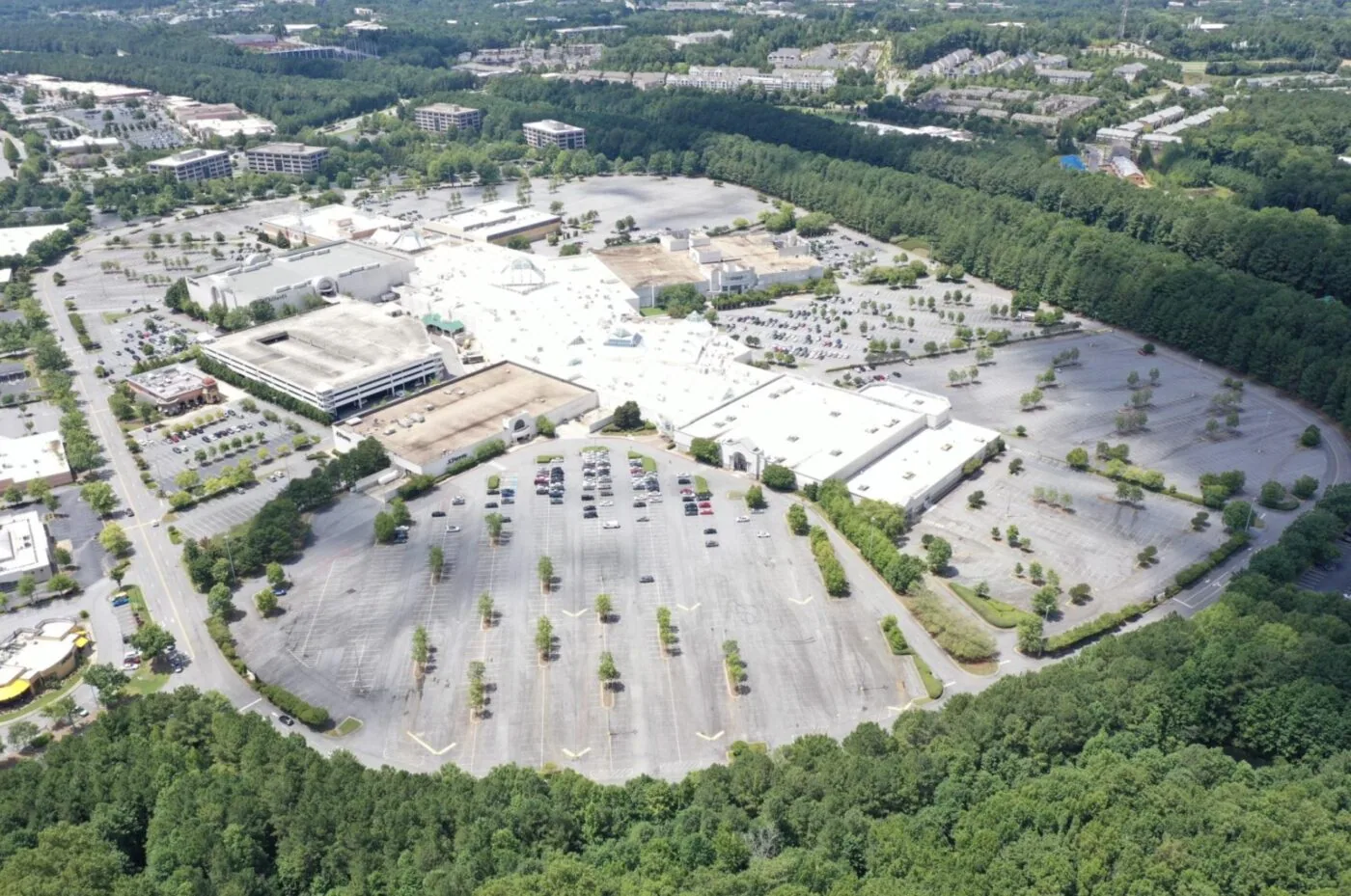
Commercial roof inspections and repairs in Peachtree Corners, GA, with system-specific findings, scoped options, and practical work scheduling.
What roof condition is interrupting operations in Peachtree Corners? The city's business base spans technology, life sciences, healthcare services, manufacturing, and logistics. Those sectors can have different equipment, access, and operating requirements, so the inspection begins with the building and roof zone, not an assumption based on the employer's industry. We trace the reported issue, document the assembly where possible, and separate confirmed findings from items that still need testing.
How should the inspection reflect the property's use?
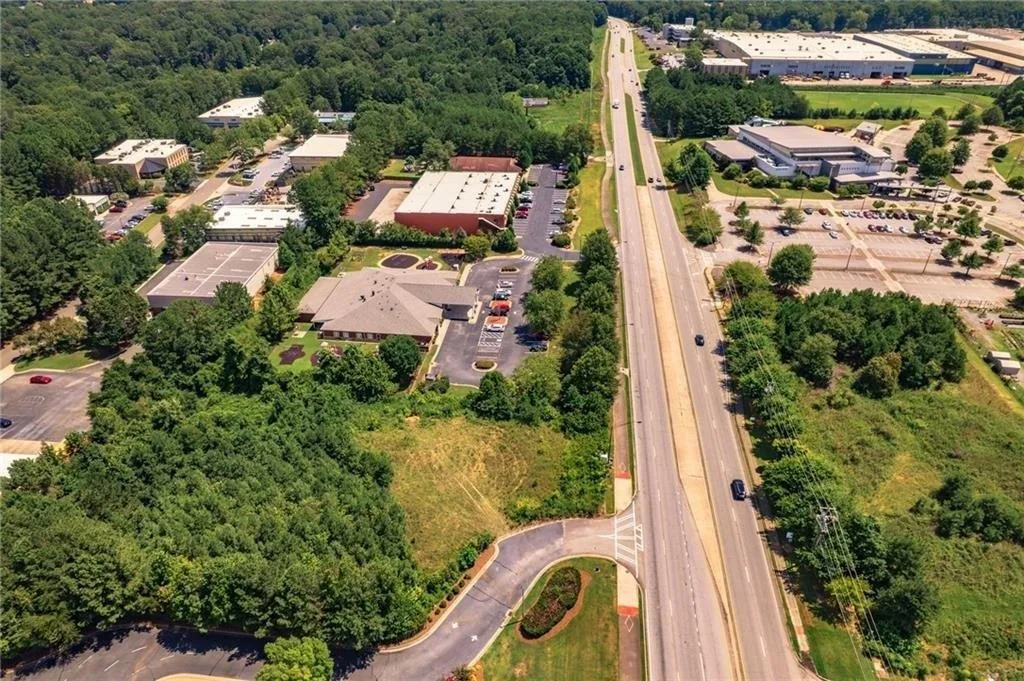
Service Areas from Commercial Roofers Johns Creek.
Peachtree Corners sits near I-85, I-285, and GA 400 and includes Technology Park and its Town Center among the city's major business areas. The city’s business districts establish the local commercial setting; the building records and roof inspection identify its system. Before a visit, provide the property name, roof plan, reported leak location, recent equipment work, and access contact. That gives the inspection a clear boundary.
Named local employers include Intuitive Surgical, Siemens Industry, Soliant, Mölnlycke Healthcare, Amazon, and Capstone Logistics. The mix is a reminder to ask what operation is below the roof and what must remain active during work. A service area can include several businesses with different roof histories and equipment controls. Confirm whether the visit concerns a lab, office, logistics operation, healthcare service, or another use with the site's facilities contact.
On the first walk, inspect the seams, curb flashing, penetrations, drains, parapets, panel laps, and earlier patches around the reported zone. Compare the interior symptom with the roof plan because the water path may not line up with the stain. Photograph the detail and surrounding area, then mark which part was reached. A commercial roof inspection can preserve findings, test limits, and follow-up needs for the property team.
Where mechanical or process equipment occupies the roof, identify the unit, curb, pipe supports, exhaust, and trade responsible for access. A roof opening should not be altered until the equipment owner and repair authority are clear. If a shutoff, lift, or escort is required, assign it before mobilization. The work plan can then account for operational restrictions without guessing how the site runs.
What should be inspected after severe weather?
The NWS severe-weather record for north and central Georgia includes tornado activity, large hail, and destructive convective wind. A Peachtree Corners roof review after such a report must still inspect its corners, edge metal, penetrations, and equipment transitions before describing any impact. Note the reported date, photograph observed conditions, and separate recent damage from older wear when the evidence allows.
Rain occurs in Atlanta throughout the year, and the station normals include many days above 90 degrees. Those are Atlanta climate records, not site readings. For a Peachtree Corners project, inspect the drain path, outlet condition, flashing, and ponding at the actual roof. Hot surfaces can narrow a safe work window and change material handling; check current roof conditions and product instructions before starting a repair.
Water entering above an equipment room or business area may have travelled below the sheet. Inspect the roof zone around the stain and any nearby change in elevation, penetration, or drain. If conditions suggest wet insulation, a moisture survey may help choose test locations. State its limits and confirm a suspected layer directly when the result changes a repair or replacement decision.
Do not combine drain maintenance, storm damage, and membrane failure into one general finding. A clogged outlet may require clearing and a separate flashing repair; displaced metal may need a securement detail; a seam opening requires a compatible weld or patch. The report should distinguish each item, identify which contractor owns it, and name what must be tested before pricing.
Which work option matches the confirmed condition?
A localized repair can address a puncture, failed seam, or damaged flashing when surrounding material remains sound. Define preparation, patch or replacement material, tie-in, test, access, and closeout photos. If an opening could expose wet insulation or deteriorated deck, identify the stop point and allowance before removal extends. The property contact should approve added work in writing.
Repeated leaks, widespread seam failure, brittle material, or moisture across multiple roof zones may support a broader evaluation. A commercial roof repair can address verified defects. A replacement assessment can compare removal or recover after the deck, layers, insulation, drainage, edges, and equipment transitions are checked. The estimate should list the same areas, testing assumptions, and exclusions for each option.
For an overlay or coating, confirm that the existing assembly can remain, the surface will accept the new material, and added height will not compromise drains or curbs. Check layer count, moisture, attachment, adhesion, and perimeter details. If the current record is incomplete, use a test opening or adhesion check before selecting a system. A membrane's brand name does not establish suitability at the building.
During a reroof, protect active areas with a daily dry-in boundary and a documented handback. A phased work plan can set material routes, tenant notice, equipment shutdowns, noisy periods, and which roof section is open. If an operation runs multiple shifts, agree on who checks the temporary cover between crews and who can authorize a schedule change.
What changes across Peachtree Corners business areas?
The Town Center is a mixed-use retail and dining district next to The Forum, while Technology Park Atlanta serves high-technology industries. They are distinct commercial settings within the city. A building near Peachtree Corners Town Center and The Forum may require coordination around customer access, while a property in Technology Park Atlanta needs the specific facility and roof route identified. These are planning details, not assumptions about a particular roof or operating schedule.
Confirm gate access, loading area, roof hatch, tenant routes, and equipment restrictions with the property contact. If a delivery or lift is planned near an occupied entrance, show the pedestrian route and barrier in the schedule. For properties with sensitive equipment, name who can authorize a shutdown or mechanical inspection before the roofer opens a curb detail.
Adjacent jurisdictions and corridors may have different access and permitting contacts. Johns Creek service-area work can include commercial properties in Johns Creek, but the roof visit should use the city and property recorded in the work order. Do not carry an access instruction or drainage assumption from another building into the Peachtree Corners scope.
Before a coating, adhesive, or hot-air weld is installed, account for surface temperature, moisture, and the product's cure or preparation limits. If rain interrupts work, note which area was closed and how its weather protection was checked. Identify the next owner decision before the crew leaves so an open item does not disappear between property staff and contractors.
What should stay with the property roof file?
Keep the roof plan, product documents, inspection photos, test locations, approved work scope, materials used, and completion record. Mark the sections reached and any access limit. If a temporary patch remains, label it as temporary and give it a follow-up date. If the work affects a warranty, keep the issued document and any required review or notification with the closeout file.
A roof condition report can show the observed condition, test methods, and inspection limits. A multi-site roof program can help an owner compare open work across buildings, while each property keeps its own system information and photo record. That distinction matters when portfolio sites contain different roof types, access rules, and repair histories.
Commercial Roofing Questions
What should a Peachtree Corners roof request include?
Provide the property name, roof plan, leak or damage location, access rules, and recent repair or equipment history. Note which operation is below the affected roof zone and any shutdown or escort restrictions.
Does a regional hail report establish damage at our property?
No. The inspection needs to verify actual roof changes. We check the seams, edges, flashings, penetrations, and equipment interfaces and connect each finding to a photo and roof location.
Should repeated leaks trigger replacement?
Not by themselves. Map each leak, inspect the assembly, and verify whether moisture or broad failure extends beyond local repairs. Compare repair and replacement after layer count, deck, drainage, and tie-in conditions are known.
How can roofing proceed around an active operation?
Set a daily work boundary, material route, access plan, noise window, equipment handoff, and end-of-shift dry-in. The building contact should confirm any tenant, process, or security restriction before mobilization.
Back to Service Areas, or request a roof assessment and call 555-555-5555.