Commercial roofing in Johns Creek, GA
Repairs, replacement and maintenance
Commercial Roofing for Real Estate Investors in Johns Creek, GA
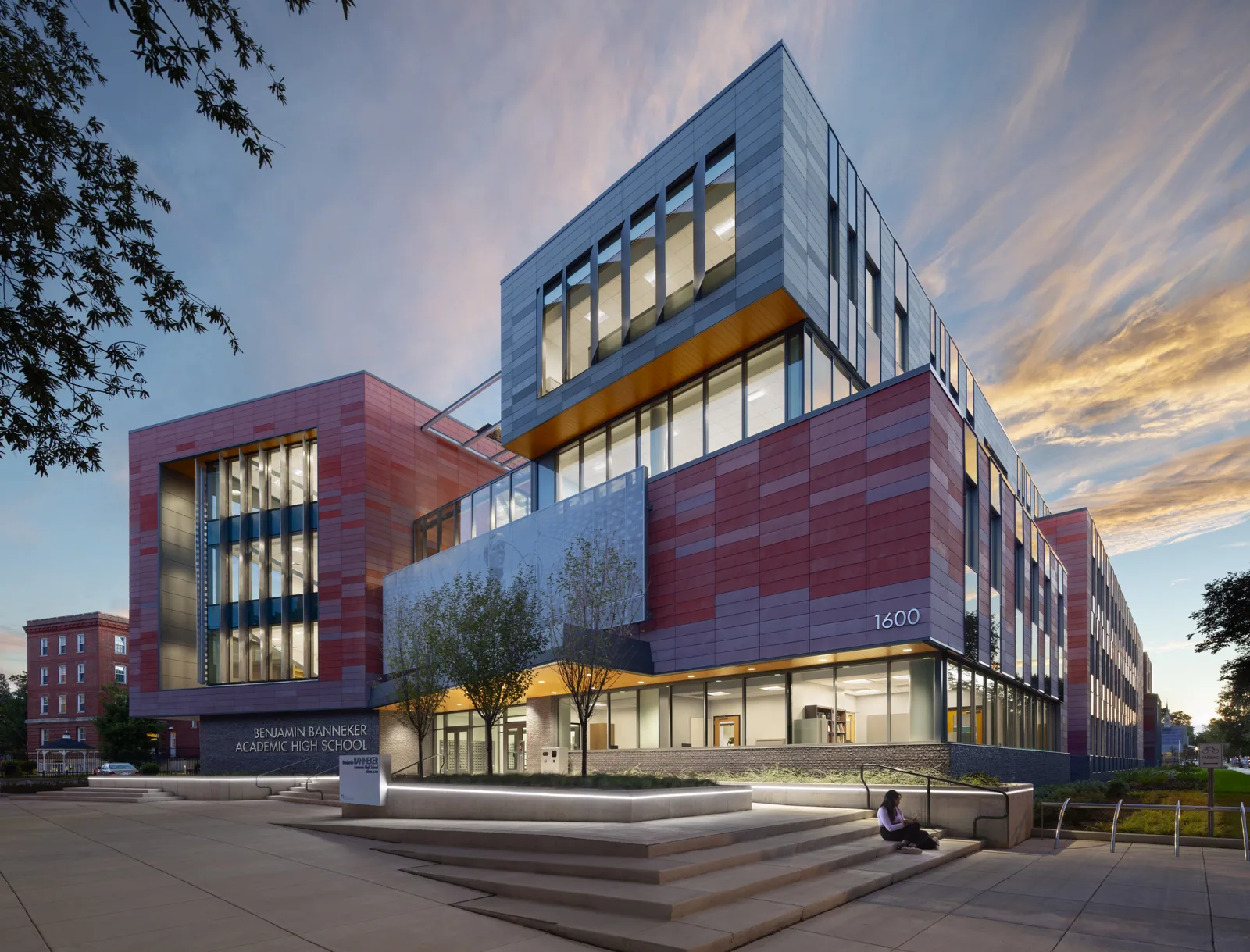
Roof inspections and capital planning for real estate investors in Johns Creek, GA, with verified condition records and defined repair assumptions.
Which roof condition is confirmed, and which assumption still needs a test? Investors and REIT teams need records that support acquisition, hold, refinance, and capital decisions without blending unlike buildings. We map reported conditions, test suspect assemblies, and state the limit of each recommendation. Local planning for Johns Creek Town Center adds residential and commercial development alongside existing activity at Technology Park. These settings create varied assets; the roof at each property remains an independent finding. Those settings create varied assets; the roof at each property remains an independent finding.
What should roof due diligence verify?
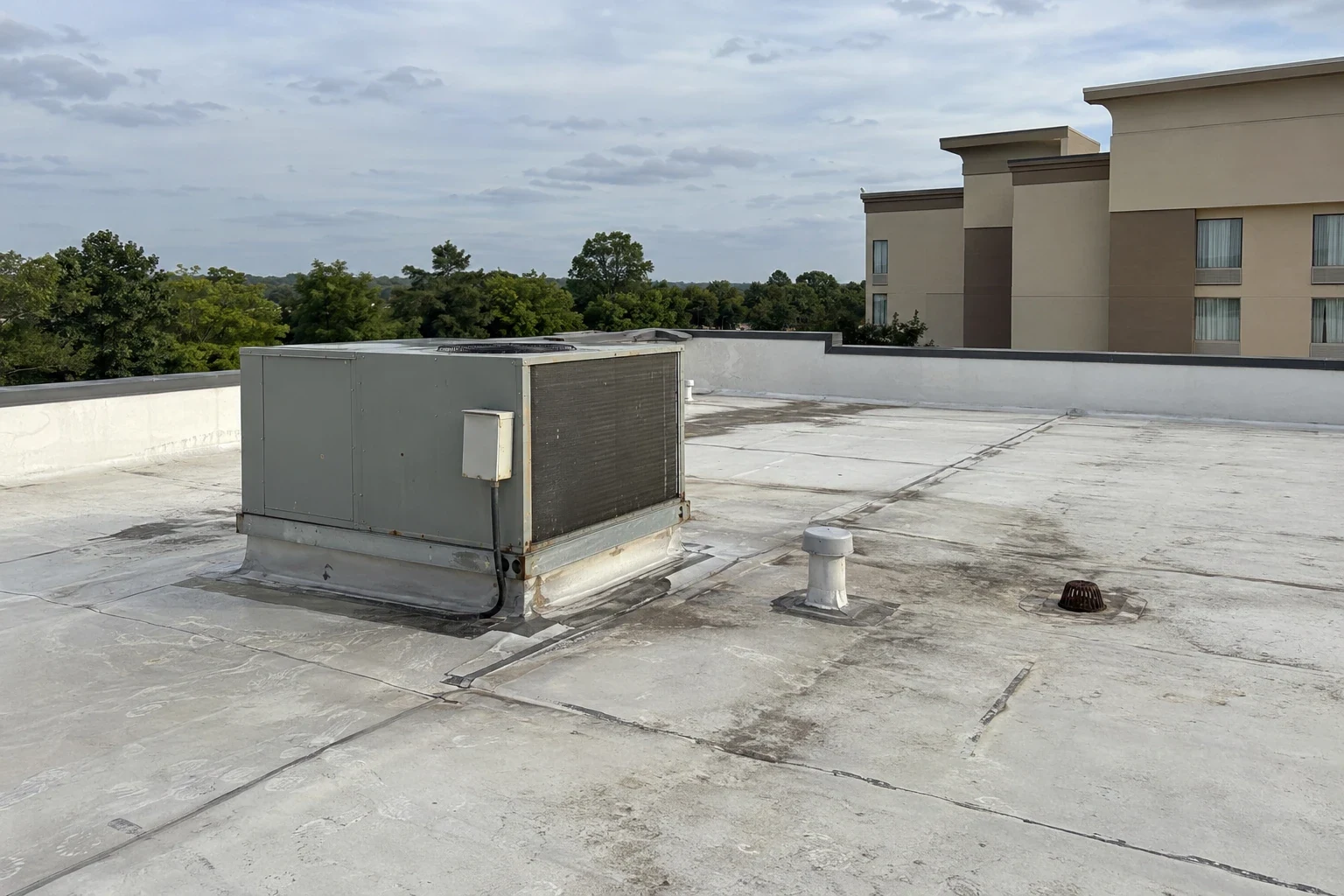
Industries We Serve from Commercial Roofers Johns Creek.
We review available roof plans, prior repair invoices, leak history, tenant concerns, and any report from another consultant. The site inspection checks membrane or metal conditions, flashing, drains, rooftop equipment, and visible interior evidence. Photos are tied to a roof zone, with test cuts or moisture readings used where hidden insulation or deck condition could change the decision. We distinguish a visible defect from an assumption about the remaining service life.
For a transaction, access limitations matter. A roof area that could not be reached, a unit that could not be opened, or an assembly that was not tested should remain clearly marked. A commercial roof inspection can document accessible conditions, while a moisture survey can help target direct testing when readings show a suspect area. A roof due-diligence survey can organize findings for review, with unresolved items separated from confirmed quantities. We can review a sample of repair locations, check the roof perimeter and drainage details, and note whether the reported leak pattern appears isolated or recurring. If a seller's records do not include roof plans or recent test results, we identify that gap and state whether it limits the conclusion. A transaction schedule may allow a visual survey but not destructive testing; in that case, the report names the additional work needed before a buyer relies on hidden conditions.
How do repair findings affect capital planning?
A limited seam or curb repair may be appropriate where surrounding material is stable. Widespread wet insulation, repeated leaks, failed attachment, or deck deterioration may change the comparison to recover or replacement. We identify what is included in each option and what testing or removal could change the estimate. That gives an investor a basis to compare immediate repair against broader capital work without representing an untested area as measured damage.
North Point and Windward Parkway in Alpharetta are regional activity centers with commercial uses. The mix of nearby office and retail property types is useful market context, but it does not establish an asset's roof construction. We inspect the building under review and connect quantities to the field plan. A replacement scope should list roof zones, insulation, edge metal, equipment coordination, access, disposal, and any allowance for concealed conditions. Where a repair remains the sound option, a maintenance plan can track findings between larger projects. Capital estimates should separate costs driven by access equipment, occupied space, disposal, and unknown deck condition. We can identify near-term maintenance items independently from full replacement quantities so an owner can see which work preserves the current assembly and which renews it. A capital calendar may also prioritize projects by tenant impact and procurement lead time, while the condition report retains the evidence behind each recommendation.
How can asset teams compare different properties?
Portfolio reporting is useful when it preserves each building's identity and condition. We can standardize fields such as roof area inspected, system observed, leak locations, drain findings, tests performed, access limits, and recommended next action. Ratings should not imply precision beyond the inspection. A property with no visible leak may still have untested zones, and a one-time patch does not establish that an entire roof is ready for a capital deferral.
The Medley plan for Johns Creek Town Center combines retail, dining, entertainment, a hotel, lifestyle office, and new housing. That planned mix differs from single-use assets and can affect leasing, access, and project sequencing as development occurs. Confirm each tenant calendar with management before scheduling access. A property manager can help coordinate access and tenant notices, while a general contractor can align roof work with other project scopes. Each roof report remains attached to the property and phase inspected.
What can change timing or project cost?
Roof access, active tenants, equipment shutdowns, debris removal, insulation replacement, and interior protection can affect both cost and schedule. Weather can also narrow the period when a section can be opened and secured. Rain occurs in the Atlanta climate record throughout the year, and summer roof temperatures can narrow safe work periods. We confirm current conditions and material requirements before setting the work area. North Georgia storms can bring damaging wind and hail, but a regional event does not prove that one asset sustained damage.
If water is actively entering, temporary protection may need to precede a capital decision. For an asset under review, record immediate containment, observed roof conditions, and remaining tests before comparing capital options. An emergency roof response can address active exposure while the investor reviews a larger option. We state whether testing is complete and when the estimate depends on an allowance, so the acquisition or capital team can track open assumptions.
What should the investment file retain?
Keep the roof plan, dated photos, inspection scope, access limits, test results, quantities, repair approvals, and closeout documentation together. We identify the performed work, material installed, area excluded, and follow-up item. If the investment team orders work at several properties, each file should show the building and roof zone so costs and conditions do not migrate between assets.
Technology Park Johns Creek and the Peachtree Industrial corridor illustrate the region's varied commercial base, but each property's records should rest on its own field evidence. A roof condition report can keep findings available for asset review. For properties near Technology Park Johns Creek, provide the site plan, transaction timeline, tenant constraints, and decision date. We will document what is confirmed and identify what remains open before the next capital choice. If an asset is refinanced, sold, or reassigned to a new manager, retain the roof plans and closeout package with the property record. A short decision log can say which repairs were funded, what testing was deferred, and who accepted the open items. We can provide the photos and scope boundaries in a format the owner can associate with the correct building. That record supports handoff between asset management, property operations, and construction teams without overstating what one visit established. Keep the dated condition record with the investment file for reference. Keep dated records available to the next asset lead.
Commercial Roofing Questions
Can a roof report support acquisition diligence?
We document accessible roof areas, observed defects, test results, and inspection limits. The report can state follow-up needed before a buyer treats an untested area as a confirmed condition.
How should a portfolio compare roof conditions?
Use common fields for the system, zones inspected, leaks, tests, access limits, and recommended action. We preserve each building's findings separately and avoid implying that an inspection covers an area that was not reached.
When is a replacement allowance useful?
An allowance can cover a defined uncertainty, such as concealed deck condition exposed during removal. The scope should state what evidence activates it and what approval is required before added work proceeds.
Can emergency work wait for an investment committee?
Active water entry may require temporary protection before a broader capital decision. We document that stabilization separately, then provide the inspection findings needed to compare permanent options.
Back to Industries We Serve, or request a roof assessment and call 555-555-5555.