Commercial roofing in Johns Creek, GA
Repairs, replacement and maintenance
Commercial Roof Due Diligence Surveys in Johns Creek, GA
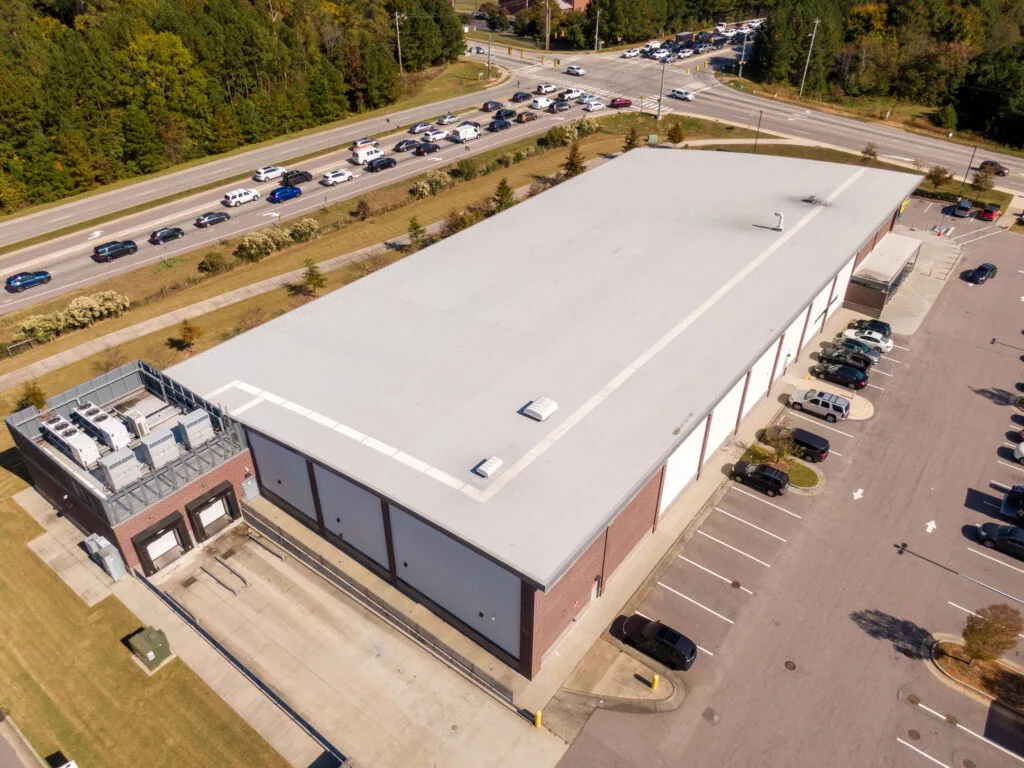
Commercial roof due diligence surveys in Johns Creek, GA, with observed conditions, repair priorities, document review, and stated inspection limits.
Are you evaluating a commercial property for purchase, refinancing, or a major lease decision? A roof due diligence survey records visible condition, available maintenance history, and items that need more testing before the transaction team relies on them. We identify the roof areas reviewed and state the limits of a visual survey. Johns Creek's Technology Park contains a large mix of office, retail, and industrial property, while Town Center planning adds another redevelopment context. The report must remain tied to the specific asset under review.
What should be reviewed before the site visit?
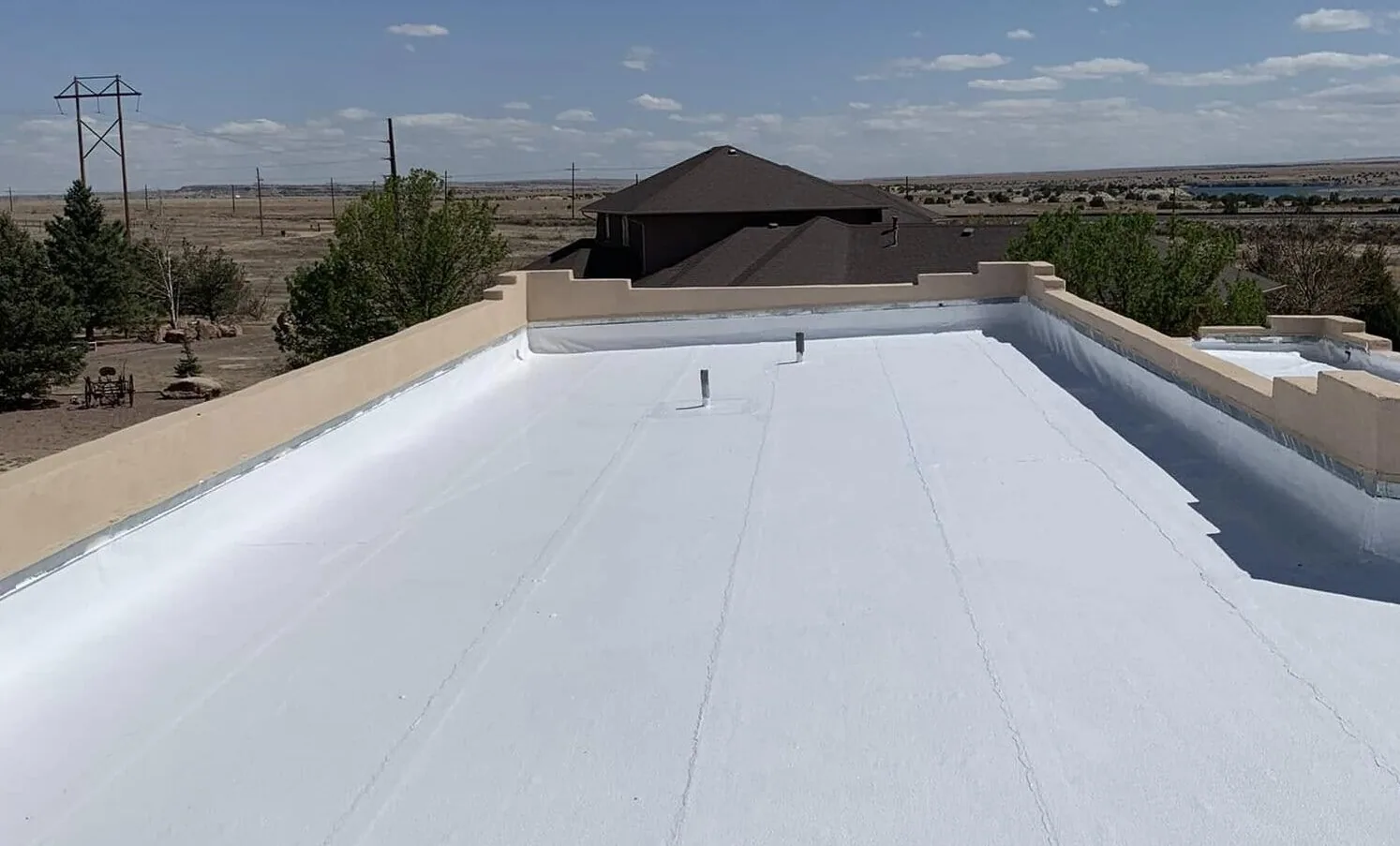
Roofing Capabilities from Commercial Roofers Johns Creek.
Provide the current roof plan, building description, available installation or renovation records, service tickets, repair invoices, warranty documents, and any known leak history. Note which records are supplied by the seller or owner and their dates. If plans or system descriptions conflict, flag the discrepancy for field verification. A survey can document accessible roof conditions, but it cannot confirm details hidden beneath the assembly without testing.
A commercial roof inspection can establish field observations. An infrared moisture survey may help prioritize testing if the surface and weather conditions support interpretation. A roof condition report can list the sources reviewed, areas accessed, observations, and recommendations. The report should say whether test cuts or other invasive methods were outside the assignment.
If the transaction schedule is short, identify the decision date and whether a return visit can be arranged for restricted areas. The buyer, lender, seller, and property manager may each control different records or access. A contact list helps avoid gaps in the survey record. If a roof hatch is locked or a tenant zone is unavailable, state that limit and what further work could resolve it before closing.
What can a visual roof survey confirm?
We examine accessible roof surfaces, edges, seams, penetrations, drains, equipment curbs, skylights, and previous repairs. We note visible wear, open details, ponding, debris, and conditions that may warrant testing. The survey can identify a suspected issue and explain its potential significance, but a visual finding should not be converted into a measured replacement quantity unless the assembly and extent are established.
Photographs should identify roof zone, direction, and related detail. If a test opening is authorized, record location, materials observed, moisture condition, and restoration. If one was not performed, list the concealed conditions that remain unknown. The report can separate maintenance items, immediate repair concerns, deferred work, and further investigation. That structure helps transaction teams distinguish current observations from planning assumptions.
Where an active leak is reported, identify the affected interior location and compare it with the roof section above. Water may travel before appearing indoors. We document the probable path only when field observations support it and state when another test or trade review is needed. This gives the buyer a clear distinction between a confirmed repair item and an unresolved question.
How can findings inform a purchase or refinance?
Group findings by building and roof zone, then state evidence, urgency, testing need, and a reasonable next step. A buyer may need immediate stabilization, a repair estimate, or follow-up testing before assigning a capital reserve. A lender may need the report to describe current observable conditions and access limits. We can organize the findings; the transaction parties decide how the information affects price, reserves, or financing terms.
A roof capital planning review can help compare supported repair and renewal options after the due diligence record is established. A roof asset management register can carry the inspection date and open items into post-closing facilities records. Those later decisions should preserve the report's scope and assumptions rather than treat a visual survey as a structural or code assessment.
If a property has several buildings, provide a table of visited structures, roof areas reached, and excluded sections. Do not infer that an adjacent building was inspected because it shares an owner or campus. If the buyer requests a combined report, keep each roof's photographs and findings separately labeled. That lets the transaction team compare assets while retaining a traceable basis for each conclusion.
Ownership transition is also a chance to transfer roof access procedures, maintenance files, warranty documents, open leak reports, and contact information. If a temporary patch remains, identify who will revisit it and when. The buyer can then assign a follow-up without assuming the seller's work order was completed or the issue was fully corrected.
What is outside a standard due diligence survey?
Unless specifically included, a visual survey does not test every assembly layer, certify structural capacity, determine code compliance, assess hazardous materials, establish warranty coverage, or evaluate every concealed detail. It does not replace a specialist's review where the field condition indicates structural, electrical, mechanical, or environmental concerns. The report should identify the date, weather or access limitations, and any area that was unavailable.
If destructive testing is authorized, define the locations and restoration responsibility in advance. If the survey notes suspect moisture, additional openings may be required to verify extent. The buyer or owner should decide whether the remaining unknown is material to the transaction. A clear limitation is more useful than a conclusion that extends beyond what the assignment examined.
The regional hazard record includes tornadoes, hail, and destructive thunderstorm gusts, while Atlanta climate records show rain in every season. A recent event belongs in the property timeline, but the survey must document actual roof conditions and compare them with prior maintenance history before classifying a new defect.
How does Johns Creek context help locate the asset?
Technology Park and planned Johns Creek Town Center orient the search area, not the parcel or roof. The transaction contact confirms property and building identifiers. Near Technology Park Johns Creek, a property management company may supply access history and work orders. A multi-site program can align reporting across assets while each survey retains separate results. If access is limited, mark excluded roof zones and the testing needed for a return visit.
What does the final survey package include?
The package identifies the property, inspection date, assignment scope, documents reviewed, roof zones accessed, photographs, field observations, tests, and limitations. It lists recommended repairs or further testing with the basis for each. Where a cost estimate was requested, separate measured scope from allowances and identify exclusions. The report should also state that the transaction team determines how to use the findings.
Provide the intended recipient, property name, roof plan, deadline, available documents, and access contact before scheduling. We can prepare a report for the actual roof areas inspected and flag any gaps that need a second visit. If the transaction closes before additional testing is complete, carry that item into the new owner's action list.
For a property near Johns Creek Town Center, include the parcel and building identifiers along with the local district name. Broad geography may help the service team find the area, but the report must stay specific to the transaction asset and the scope reviewed.
Commercial Roofing Questions
Can a due diligence survey estimate roof replacement cost?
We can describe supported repair or renewal options and provide an estimate when requested. The basis should identify measured quantities, allowances, testing needs, and areas not inspected.
Does a visual roof survey inspect concealed layers?
No. Hidden conditions require authorized testing or openings. The report states what was visible, what was tested, and what remains unknown.
Can the report be used for both a buyer and lender?
The intended recipient and purpose should be defined before inspection. We can prepare a report that identifies its scope and limits for the named transaction parties.
What should happen if access is denied to a roof section?
The report records the area and reason it was unavailable, then identifies whether a return visit or alternate access could resolve the gap. The transaction team decides how to address the remaining uncertainty.
Back to Roofing Capabilities, or request a roof assessment and call 555-555-5555.