Commercial roofing in Johns Creek, GA
Repairs, replacement and maintenance
Commercial Warehouse Roofing in Johns Creek, GA
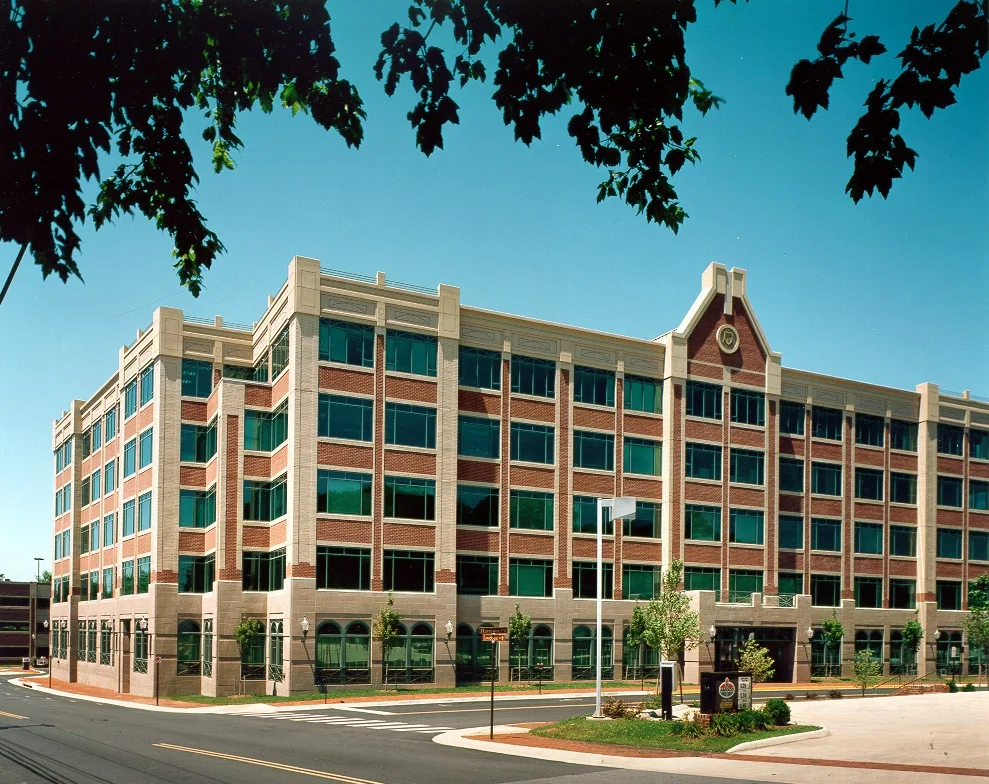
Plan warehouse roof repair in Johns Creek with leak tracing, drain checks, safe access, staged dry-in, and clear limits for concealed damage.
Which roof zone is affecting receiving, inventory, or equipment service? A warehouse roof can have long drainage paths, wide deck areas, rooftop units, and additions that were built or repaired at different times. We map the reported leak, inspect the membrane, seams, drains, curbs, and interior evidence, then mark where the finding stops. The Norcross industrial submarket along I-85 and Peachtree Industrial includes a large warehouse and flex inventory; for owners operating across that corridor and Johns Creek, each building still needs its own roof record and access plan.
What should the survey cover?
Property Types We Roof from Commercial Roofers Johns Creek.
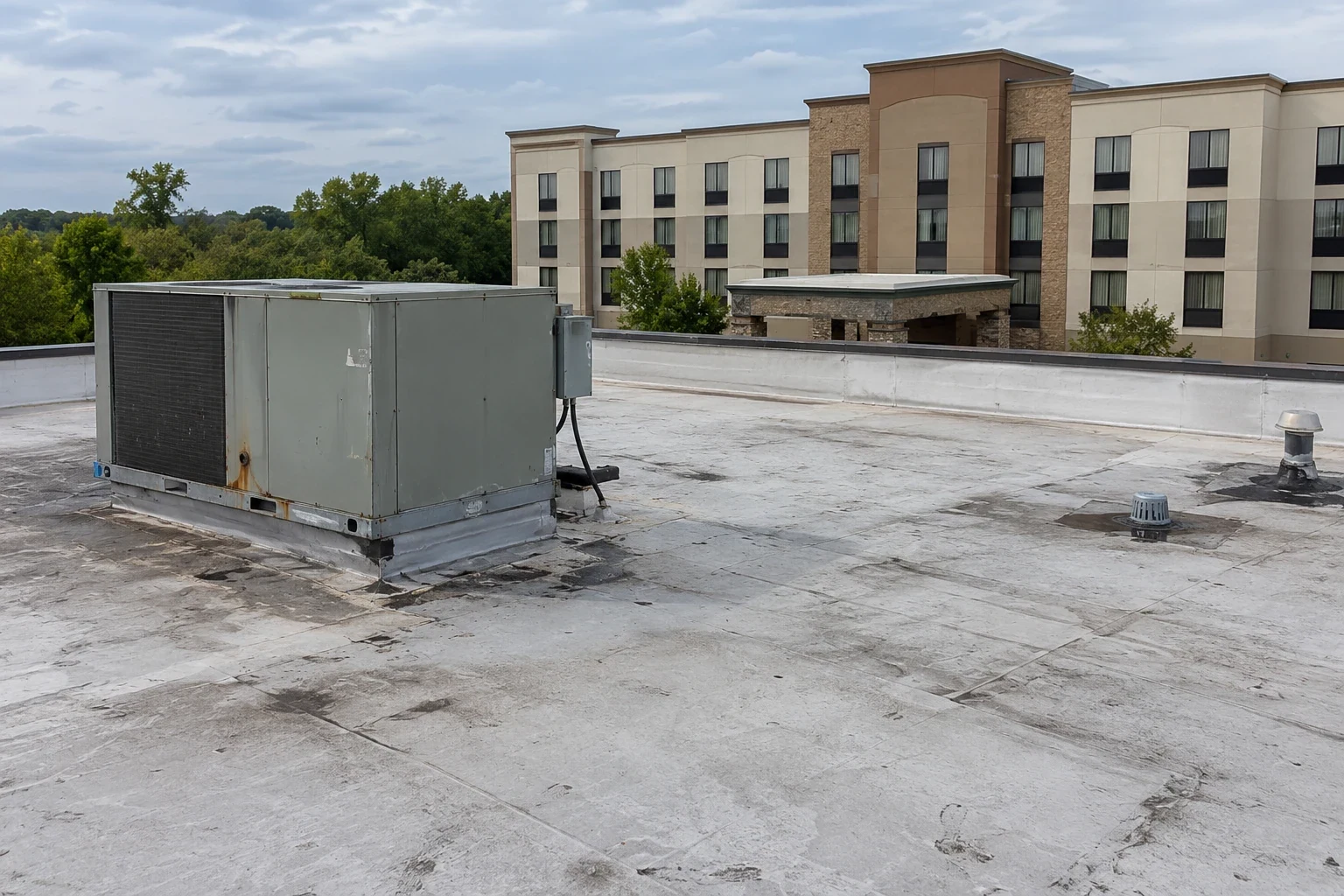
Start with the roof plan and the location of the interior symptom. We follow the path uphill and check nearby seams, penetrations, drains, scuppers, perimeter transitions, and previous repairs. A ceiling stain can appear away from the roof opening, especially where structure or utilities redirect water. We document the visible condition and note areas that require a test cut or moisture survey before the repair boundary is set.
Warehouses may contain separate roof zones above offices, docks, storage, or later additions. The plan should identify which sections were reached and what could not be inspected because of equipment or access limits. A hands-on roof inspection can record those findings. Where moisture is suspected below the membrane, an infrared moisture survey can help select sample locations, but test openings confirm whether insulation is wet.
Where does runoff leave the roof?
Drainage issues can reach a warehouse long before the interior shows a leak. We inspect drain bowls, strainers, scuppers, overflow routes, gutters, and low areas, then check whether water can reach the outlet. A blocked drain calls for clearing and access controls; a depressed deck or poorly formed slope may need a different correction. The scope should name any ponding that remains instead of promising that a membrane patch will change roof geometry.
Warehouse operations often depend on open loading areas, so downspout discharge or temporary water routing can affect vehicle movement below. A drain and scupper repair can be coordinated with membrane work. We confirm the discharge route and protect receiving areas if a section must be opened for repair.
How can repairs avoid the shipping day?
We set the work window with the building contact and identify dock schedules, yard traffic, forklift routes, roof access, and equipment shutdowns before mobilization. The crew stages materials clear of loading doors and protects the interior below any opening. Work is divided into sections that can be dried in the same shift, with a named contact for weather changes or a new leak report. The schedule should state which doors, lanes, or roof areas could be affected.
In Technology Park Johns Creek, commercial property includes office, retail, industrial, and municipal uses. A warehouse or flex building near the park may share a campus access road or operate beside other active uses, so staging must match the actual site. The operations contact identifies truck schedules, yard restrictions, and an approved access route. A phased reroof plan can document noise windows, roof zones, notice, and protection while keeping the project scope tied to the specific building.
Can a leak be repaired without replacing the roof?
A localized repair can fit when the surrounding membrane and attachment are sound, and the leak source is isolated. We remove failed material only within the approved limits, prepare the substrate, repair the detail, and test or inspect the completed work. If the assembly contains wet insulation, a deteriorated deck, or widespread seam failure, a surface patch may leave the main condition in place. The estimate separates a confirmed correction from any area that has not been tested.
Repeated water entry above stored goods or electrical equipment may require immediate temporary protection while the permanent scope is reviewed. Note the affected storage bay, contents moved or covered, and roof area requiring inspection before the repair can be closed out. If the repair history shows multiple failures, compare a distribution-center roof evaluation for a facility with high throughput, or a manufacturing roof assessment where process equipment adds separate access needs. We scope each building based on its use and roof condition.
What changes after a storm?
On a warehouse survey after severe weather, we check long panel runs, edge securement, rooftop equipment screens, and dock-side drainage for observed movement or impact. We record damage only where inspection confirms it. After an event, we inspect for lifted edges, displaced metal, punctures, and new water entry; the regional warning alone does not establish damage to a specific warehouse. We photograph observed conditions and note whether a roof section or interior area could not be reached. If tarping is needed, the temporary protection should be secured without covering drains or creating a new leak path.
Atlanta climate normals show rain in each month, so warehouse work needs a plan for any roof section opened during repair. We confirm the forecast, check outlet status, and limit the area to what the crew can close before leaving. Hot deck conditions may change safe access and material handling as the shift progresses. The repair file can include dated photos, weather observations, test locations, and what remains for a follow-up visit. A storm roof inspection distinguishes new findings from existing maintenance items.
What belongs in the warehouse roof file?
Keep a roof plan with repair locations, drains, curbs, skylights, and equipment access, along with the materials used and photographs of completed details. Closeout should list any excluded roof zone, concealed condition allowance, and follow-up item. This gives a facility manager a usable record when a later contractor services a unit or a new leak appears. A general invoice alone may not show where the repair stopped or what was tested.
Send the roof plan, leak locations, recent repair notes, access rules, and decision timeline. We will trace the water path, document the observed condition, and outline repair or replacement limits. A roof condition report can support planning across buildings. Owners with assets in Norcross can coordinate another inspection while keeping warehouse findings specific to each property.
Commercial Roofing Questions
Can warehouse operations continue during a roof repair?
Many repairs can be phased around receiving, storage, equipment, and pedestrian routes when the site contact helps set the work window. We identify where interior protection or a temporary shutdown is needed. The daily plan names affected areas and how crews will reach the roof safely.
How do you trace a leak above stored inventory?
We start at the reported interior area, inspect the roof zone above it, and follow seams, drains, curbs, and prior patches uphill. Water can travel before it appears inside. If the assembly may hold moisture, mapping and test cuts can confirm how far the repair should extend.
What if there are several roof additions?
Each addition may have a different assembly, drain path, and repair history. We mark those transitions on the roof plan and inspect representative details separately. Test findings from one section are not treated as proof about another section with different construction.
When is a warehouse roof replacement more practical?
Widespread wet insulation, failing attachment, recurring seam problems, or deck deterioration can make repeated patches a poor fit. We compare repair and replacement using observed conditions and sample results. The written scope identifies removal limits and how concealed findings will be approved.
What storm damage should be documented?
We photograph observed punctures, lifted edges, displaced trim, and interior water entry, while recording areas not inspected. A warning or nearby storm report does not prove roof damage. The property owner can use the dated roof record to review the event with other parties.
Back to Property Types We Roof, or request a roof assessment and call 555-555-5555.