
Commercial roofing in Johns Creek, GA
Repairs, replacement and maintenance
Storm Damage Roof Repair in Johns Creek, GA
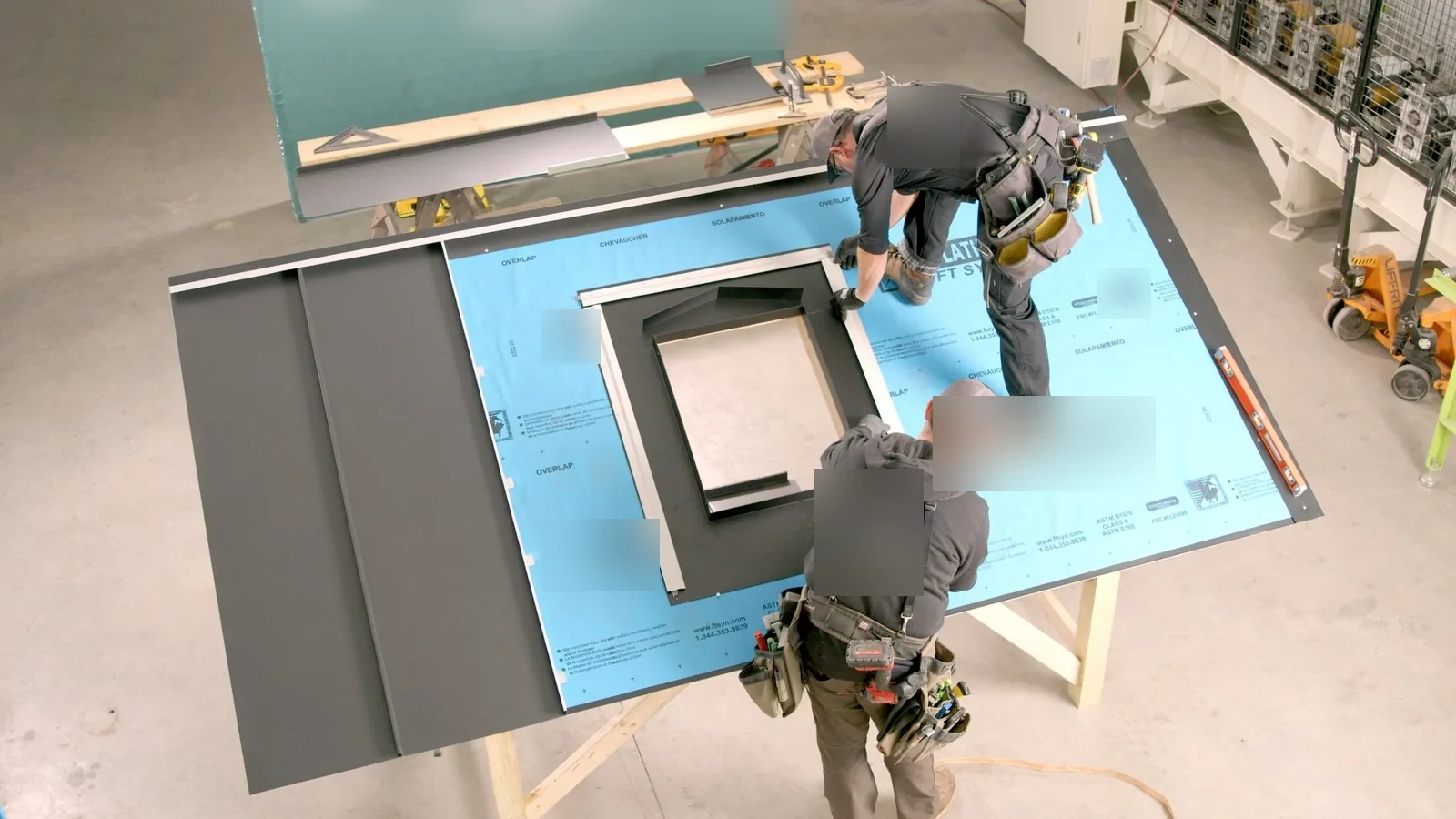
Assess storm-related commercial roof damage in Johns Creek with dated photos, a defined repair boundary, and separate temporary and permanent scopes.
Did the storm leave an opening, or does the roof only need a closer look? We inspect the building for visible impact, displaced components, punctures, open seams, and water entry, then record what the evidence confirms. North and central Georgia can experience damaging thunderstorm winds, large hail, and tornadoes. Regional weather makes an inspection sensible after an event, but it does not prove a particular roof was damaged. The report should connect each finding to a roof zone and distinguish urgent protection from permanent repair.
What can be confirmed after a storm?
Commercial Roofing Services from Commercial Roofers Johns Creek.
We photograph the roof surface, edges, penetrations, rooftop equipment, and areas reported by the building team. Wind can disturb edge metal or flashing; hail may leave impact marks or punctures; debris can create a cut or crush point. We note each observed condition and the area inspected. A dent, stain, or tenant report alone does not establish the cause or the full extent of damage.
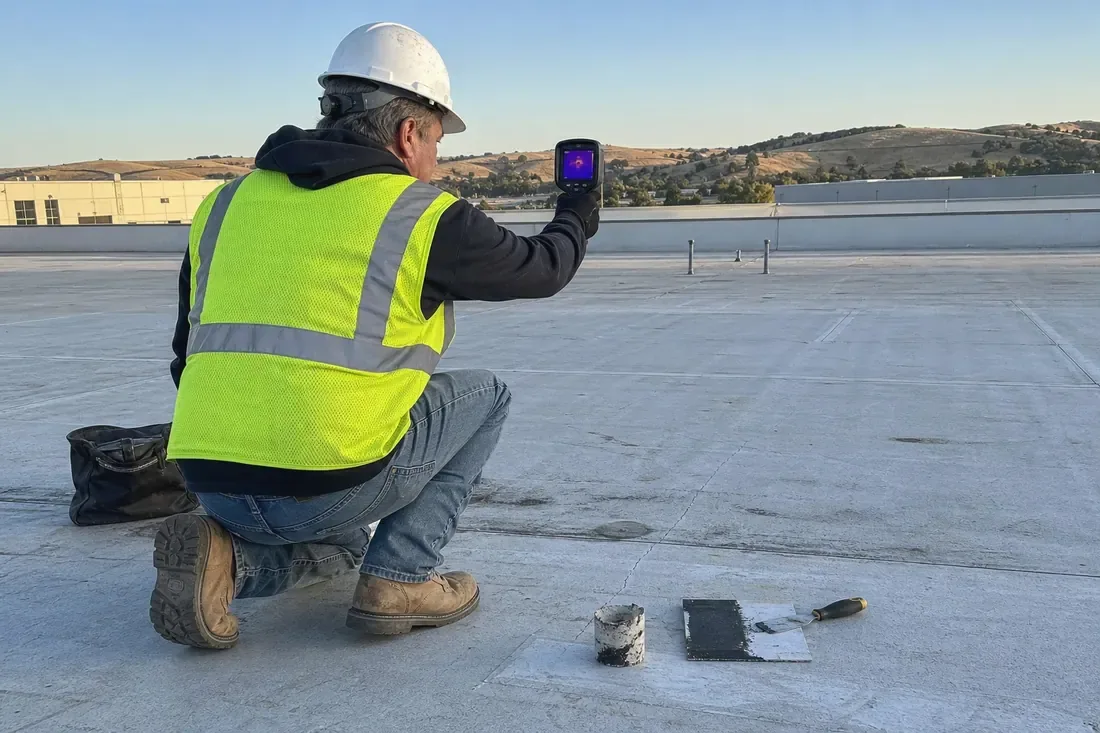
We compare roof observations with the reported leak timing and weather, then inspect likely entry paths. If water has moved through the assembly, thermal imaging or a test cut can help establish whether insulation is wet. A hands-on roof inspection records the condition beyond an initial rooftop view. We can use a drone survey for broad visual coverage when access or roof size makes overhead images useful, but any suspect seam or flashing still needs close examination.
Which work comes first?
Active water entry or an exposed opening may require immediate containment. We separate temporary dry-in from permanent work and document each. Once the roof is safe and dry enough to inspect, we define the repair boundary, confirm the existing membrane or metal system, and specify compatible materials. If a test exposes wet insulation or deteriorated deck, that work receives its own marked area and approval rather than being folded into an unexplained allowance.
A storm repair can be a localized patch, a flashing replacement, edge-metal correction, or a larger roof-zone repair. Our commercial repair work states the confirmed failure, preparation, materials, and limits. If evidence points to broad deterioration that predates the storm, we distinguish that condition from event-related damage and compare it with replacement planning. The roof does not need a single all-or-nothing answer when different areas show different conditions.
How do occupied buildings stay protected?
We coordinate roof access with the property contact and identify interior areas where water or debris could affect people, equipment, or inventory. A work window may depend on tenant schedules, rooftop mechanical operations, loading activity, or the availability of an escort. At Technology Park Johns Creek, commercial buildings include office, industrial, retail, and institutional uses, each with its own access pattern. We set the sequence for the actual property rather than assume a standard response route.
Before a storm inspection, share the building entrance, roof hatch or ladder, reported leak rooms, recent repair history, roof plan, and any areas that require approval. If roof access is unsafe because of wind, lightning, standing water, or damaged components, we defer the walk or use safe observations from another location. The report names any section that was not reached. It also separates protecting the interior now from inspecting the full roof when conditions permit.
How do local weather and property patterns matter?
Atlanta climate normals show precipitation in each month and many days above 90 degrees. Repeated wetting may reveal a weak roof detail, while heat can affect safe access and repair-material handling. We use actual site conditions to choose inspection and repair windows. A storm report gives context, but the roof’s observed state controls the scope. We record the inspection date, relevant weather report supplied by the owner, and any condition that limited access or testing.
Medlock Crossing is part of a broader retail node at the State Bridge and Medlock Bridge intersection. A commercial center can have shared access routes, tenant operations, and delivery periods that affect staging. We plan around the property’s rules and do not treat one storefront or building as the service-area location. For another commercial district near Alpharetta, the same inspection method applies, while the roof details and access plan remain specific to that building.
What documentation can support a claim?
A clear record can help the owner review repair needs with an insurer, consultant, or asset manager. We can provide dated photographs, roof-zone labels, observed conditions, temporary protection, and a scoped repair proposal. If multiple causes or pre-existing conditions are present, we describe them separately rather than assign a cause that the inspection cannot establish. The owner can share the record with the parties handling the claim.
Insurance decisions depend on the policy, facts, and insurer review. We do not promise approval or determine coverage. If a larger documentation package is needed, claim documentation support can organize site findings, repair scopes, and follow-up information. Keep the storm date, prior maintenance notes, tenant reports, and any emergency response record together. That helps distinguish the event response from work that addresses an older roof condition. The owner retains control over repair decisions.
What should the owner receive?
The closeout record should show what was found, what was repaired, what remains open, and what could not be confirmed. Before-and-after photos should identify the roof zone and detail, not just the building. We note materials used, temporary measures, test locations, and any approval still needed. If the first visit had a limited roof view, the report should explain what a follow-up inspection adds.
Owners with several properties can use a roof condition report to maintain consistent records without mixing buildings or claims. A project near Johns Creek Town Center or another active district still needs photos tied to the specific property and work area. Send the storm date, roof plan, reported damage, prior repair notes, access limits, and decision timeline. We will document the visible condition, identify what requires testing, and price a repair boundary that follows the evidence.
Commercial Roofing Questions
Does a storm warning prove roof damage?
No. Regional weather provides a reason to inspect, but the building’s roof must show an observed condition before damage is described. We photograph visible issues and mark any area that requires testing. The report does not treat a warning as proof of a roof defect.
Can the inspection separate storm damage from older wear?
We document visible conditions, prior repairs, and details that may have existed before the reported event. Some causes cannot be determined from a surface inspection alone. We identify the limits and present repair needs separately when the evidence supports a distinction.
Will you provide photos for the insurance file?
We can provide dated photos, marked roof zones, observed conditions, and a repair scope for the owner to share. Coverage and claim decisions remain with the insurer under the policy. We do not promise approval or replace the owner’s policy review.
What if water is still entering the building?
Protect occupants and contents from unsafe areas and contact us for immediate response. Temporary containment may be needed before a permanent repair can be installed. We document the interim measure separately and return to confirm the source and lasting repair when conditions allow.
How do you decide between repair and replacement?
We compare the storm-related defect with the surrounding roof condition, moisture, deck, seams, and repair history. A localized failure may be repaired; widespread deterioration or unstable layers may require a replacement plan. The findings and limits are documented before the owner chooses a scope.
Back to Commercial Roofing Services, or request a roof assessment and call 555-555-5555.