Commercial roofing in Johns Creek, GA
Repairs, replacement and maintenance
Commercial Roofing in Alpharetta, GA
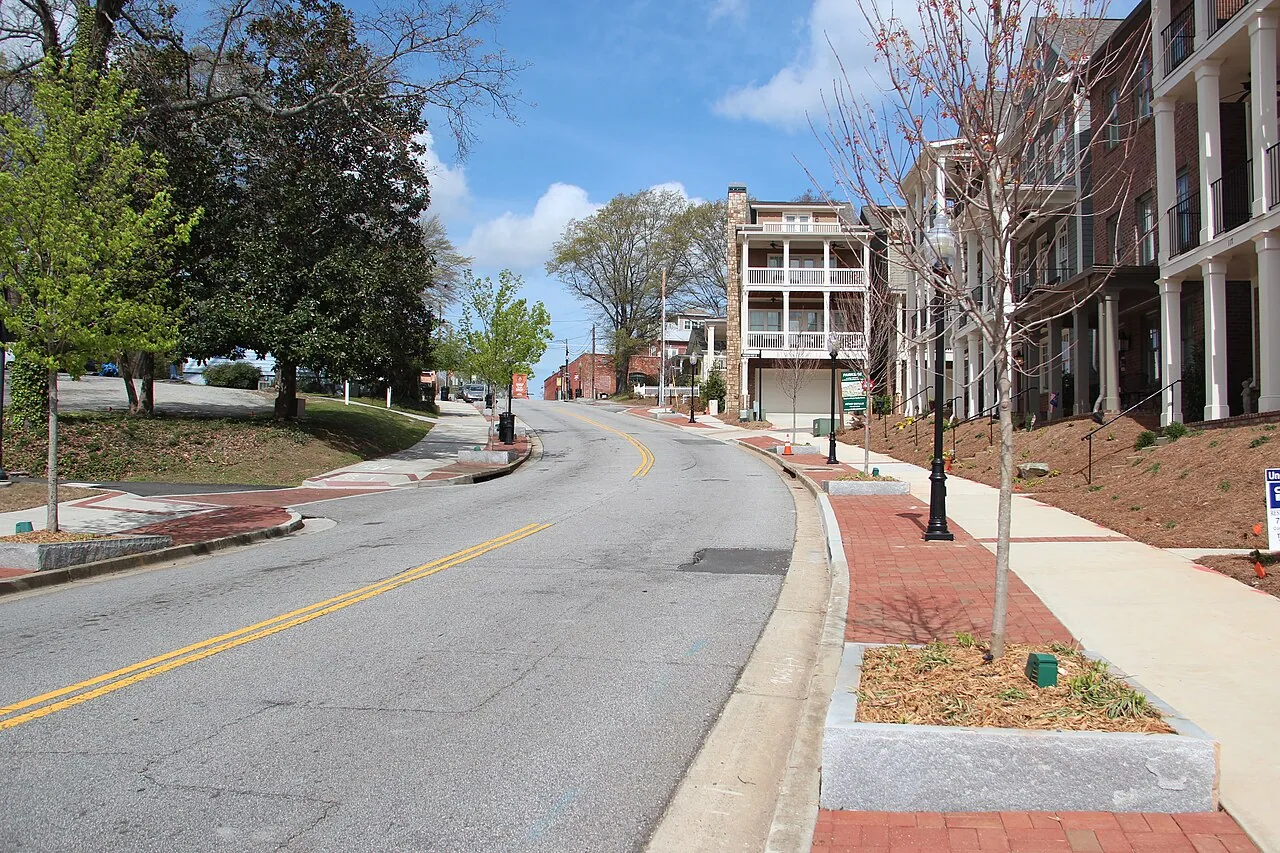
Commercial roof inspection, repair, and replacement planning in Alpharetta, GA, with site-specific findings across its business districts.
What roof condition is affecting the Alpharetta property, and which business area is it in? Alpharetta's business base includes technology, telecommunications, innovation, and professional services. Its activity centers include Downtown Alpharetta, Avalon, North Point, Windward Parkway, and the Big Creek Greenway corridor. That geography helps locate a service request, but the roof plan and inspection must define the building and condition.
How should a citywide request be tied to one property?
Service Areas from Commercial Roofers Johns Creek.
Begin with the property name, building entrance, roof hatch, reported leak, and contact with authority to approve testing. Alpharetta's activity centers include several commercial settings with different access and operating requirements. Do not carry a staging rule, product label, or repair history from Downtown Alpharetta to North Point or another district. Each inspection needs the site record for the building under review.
Map the reported symptom to roof seams, edges, walls, curbs, drains, skylights, equipment, and previous patches. A ceiling mark can be displaced from the roof entry, so compare interior notes with the roof plan and trace the water path. Photograph both the condition and its location. A commercial roof inspection can preserve the observed facts and show what still requires testing or access.
Technology and professional-services operations may have active equipment and occupancy windows, but the property contact must confirm what applies to the building. Ask about rooftop units, antennas, exhaust, security, loading, tenant notice, and noise limits before setting a work period. If another contractor controls an equipment change, name that party and agree on the sequence before flashing is removed.
The city has designated North Point as a regional activity center for land-use and transportation planning. Such plans can affect how a project routes materials or schedules site work, but they do not show the roof assembly or authorize access. For a building near North Point and GA 400, confirm the current property plan, work area, and access contact directly.
What should the first inspection establish?
Identify whether the roof is membrane, metal, built-up, or another assembly, and note any sections that change at an addition or repair. Check field seams, curb flashing, penetrations, drainage, perimeter metal, and signs of prior coating. If product records are missing, mark that uncertainty rather than select a patch by surface color. Confirm a representative material or test the proposed tie-in before setting final quantities.
Visible material is only part of the construction. Review the insulation, cover board, attachment, deck, edge, and layer count where records or testing support it. If wet insulation is suspected, an infrared moisture survey may help focus confirmation. The report should say what was measured and whether a test opening is required to verify the concealed assembly.
After a storm report, inspect edge securement, corners, panel seams, roof penetrations, and rooftop equipment interfaces. North and central Georgia experience damaging winds, hail, and tornado risk. The regional weather record provides context, not evidence that an Alpharetta roof was damaged. Record the reported date, observed change, and any maintenance item that appears older.
Drainage needs attention even outside a storm claim. Check drain bowls, scuppers, flow paths, ponding, and the flashing around each outlet. A blockage, failed drain connection, and membrane split are different findings. Identify the actual cause before estimating work so a drain cleanout is not presented as a roof repair or a membrane defect as a plumbing issue.
Which recommendation is supported by the roof?
A localized repair may fit when the defect is verified and surrounding materials remain suitable for a compatible transition. Identify the roof section, preparation, materials, test, access, and closeout photos. If removal could uncover wet insulation or a damaged deck, define the pause point and approval process before extending the scope. A clear repair boundary lets the owner weigh immediate correction against a larger review.
Recurring leaks, repeated failures, broad seam weakness, or moisture across several zones may support replacement planning. A commercial repair estimate can address confirmed defects. A replacement assessment can compare removal and recover after checking layers, deck, insulation, drainage, edge heights, and rooftop equipment. Use the same roof sections and exclusions when comparing bids.
A coating or recover should not be priced from the surface alone. Check adhesion, moisture, attachment, slope, drainage, and added height at curbs and drains. If the roof supports different operations or additions, test each distinct area before extending one recommendation across the whole building. The owner should understand which sections are included and which condition could trigger a change order.
For an active office, retail, or technology operation, sequence the roof work to protect access and interior use. A phased roofing plan can list the open zone, lift or material route, tenant notice, equipment handoff, and daily dry-in. Confirm the responsible contact for alarms, mechanical units, and any restricted area before the crew arrives.
How should timing reflect the Alpharetta work site?
Atlanta's climate normals show precipitation across all months and many hot summer days. The normals come from Atlanta station data; conditions at an Alpharetta address require an on-site check. Check the actual roof surface, moisture, and product installation limits before welding, coating, or applying adhesive. Include preparation and cure requirements in the schedule, plus a stopping point where the building is protected from rain.
Work in Windward Parkway and Avalon and Downtown Alpharetta may involve distinct traffic, tenant, or event arrangements. The property contact should confirm lift placement, delivery hours, customer paths, and where debris can be handled. Area names do not reveal whether a specific building is occupied or which entrance remains open.
North Point planning covers land use and transportation across a regional center. If a property project overlaps roadway or site improvements, verify the route and construction sequence with the owner. Roof access, temporary closures, and material staging should be agreed in writing. If another trade is working nearby, identify which party controls access and who signs off on the restored roof detail.
At the end of the shift, record which areas were opened, which were made weather-tight, and whether a test or follow-up remains. If a work window changes because of heat or rain, the property manager should know the new limit and the area that needs a return visit. This keeps the next crew from treating a temporary condition as a completed roof repair.
What should the owner keep for each Alpharetta building?
Retain the roof plan, system information, inspection photos, test locations, approved scope, materials, change orders, and completion record. Identify inaccessible areas, temporary protection, and open items. If the work affects a warranty, file its issued terms and any review requirement with the final report.
A roof condition report can preserve what was observed and which sections were tested. A multi-site roof program can schedule recurring checks across a portfolio while keeping each property's photos and roof history separate. That structure helps an owner compare needs without assuming systems match across activity centers.
Send the site name, building plan, reported condition, access restrictions, repair history, and decision deadline to request a review. We can document the evidence and explain whether testing, repair, or broader replacement planning is the next supported step.
Commercial Roofing Questions
What information should an Alpharetta roof service request include?
Provide the building name, activity center if known, roof plan, reported leak or damage, prior work, and access contact. Add equipment shutdown or tenant restrictions that could affect the inspection.
Does the city's activity-center plan tell us whether a roof needs replacement?
No. It describes land-use and transportation planning, not the condition of an individual roof. Inspection findings, roof records, and testing establish the system and repair options.
Can a repair be scheduled while tenants are working?
Yes, if the work area, noisy periods, material route, lift access, and daily weather closure are coordinated. The property contact should identify operational restrictions and approve any equipment shutdown.
When is testing needed before pricing?
Testing is useful when product identity, moisture, adhesion, or concealed layers could change the material or quantity. The inspection should state what was tested and which condition remains open.
Back to Service Areas, or request a roof assessment and call 555-555-5555.