Commercial roofing in Johns Creek, GA
Repairs, replacement and maintenance
Commercial Roofing in Windward Parkway, Alpharetta, GA
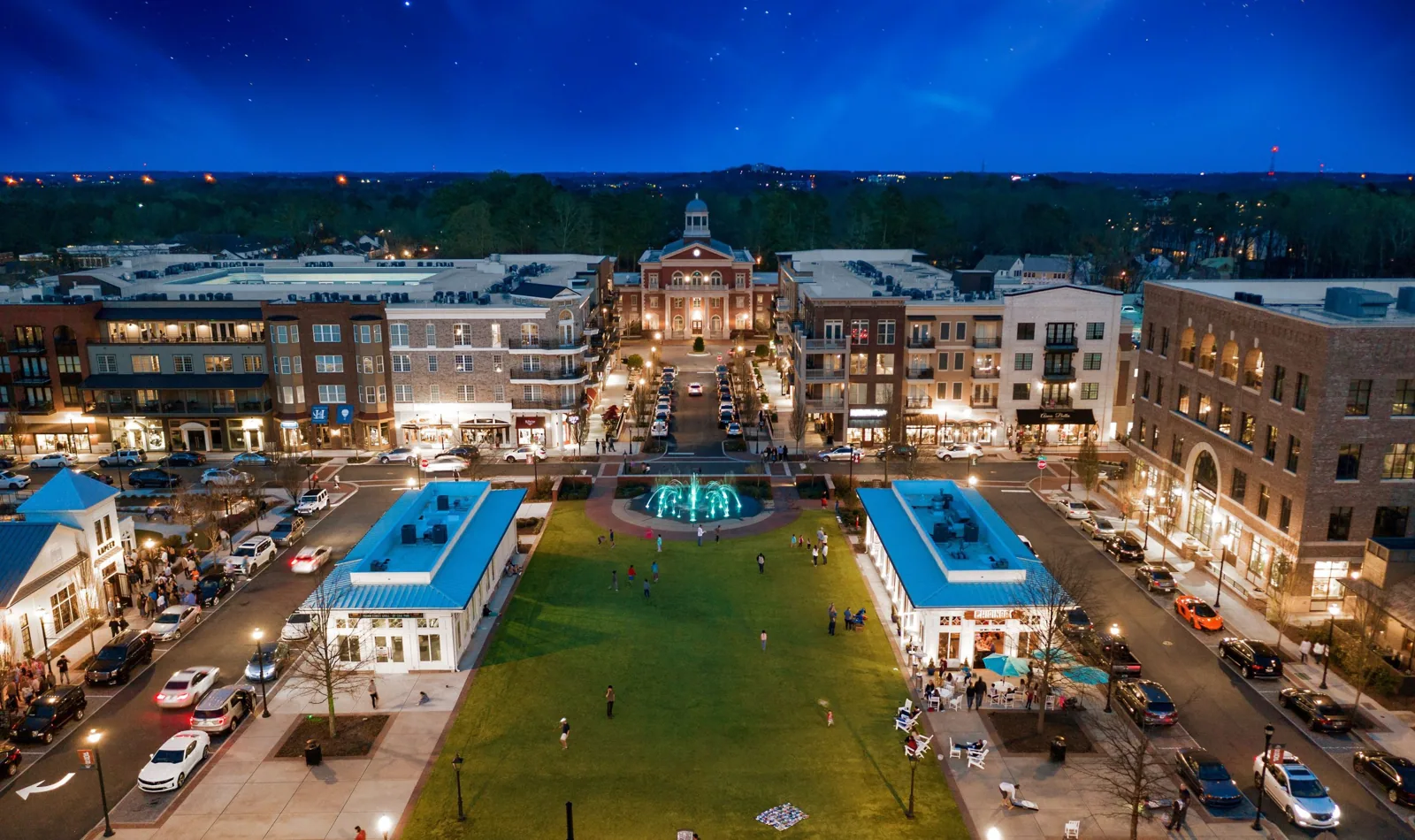
Commercial roof inspection and repair planning for Windward Parkway in Alpharetta, with office and retail access coordination and field-based scopes.
Can the reported leak be matched to a specific Windward Parkway building and roof zone? Windward Parkway is an office and retail activity center whose retail district draws from communities across north Fulton and Forsyth. That regional draw matters for delivery and access planning, but it does not identify the roof assembly at a particular property. We inspect the building and document conditions before proposing work.
What should the property team confirm before a visit?
Service Areas from Commercial Roofers Johns Creek.
Provide the roof plan, building name, affected suite or area, service history, and contact who can authorize roof access. Confirm loading, lift locations, tenant routes, operating hours, and restrictions around equipment. A district that serves regional customers may have concentrated traffic or delivery windows, but those details need to be verified with the site's operator.
On the roof, compare the reported interior condition with the actual seams, flashings, curbs, drains, penetrations, and wall transitions. Water can enter at one point and become visible elsewhere. Photograph the suspected source and the surrounding assembly, then note whether access or equipment blocked a full view. A commercial roof inspection can give the owner a record of conditions and unresolved questions.
Office buildings may have multiple tenants, mechanical units, communications equipment, and shared access routes. The property contact should name who controls each unit and whether a shutdown or vendor escort is required. For retail areas, ask about customer entrances, deliveries, event periods, and public parking. The roof scope should account for those limits without assuming every building has the same operating schedule.
Windward's office-centered district is also the subject of a city strategic plan for access and amenities. That planning work can intersect with a property project, but it does not reveal roof condition or approve staging. Verify the current site entrance and any planned work with the owner or property manager. Keep the roof repair record attached to the building, not only to the district name.
Which roof details should the inspector prioritize?
Start with the reported area and inspect nearby seams, edge metal, flashing, drains, skylights, rooftop units, and earlier patches. Identify whether the observed condition is an open seam, loose metal, cracked sealant, puncture, blocked drain, or another issue. State what was confirmed and what is only suspected. If the stain sits below a partition or equipment zone, map the possible water path before setting a repair boundary.
Confirm the roof system from labels, closeout documents, and field details where possible. TPO or PVC welds, EPDM seams, built-up surfacing, and metal panel joints need different repair methods. If the material is uncertain, note that and test a representative area rather than applying a product based on color. A TPO system review or metal roof assessment can frame the material-specific questions.
If moisture below the membrane could alter the estimate, an infrared survey may help select confirmation points. Document its method and limits. A test opening can confirm the layers at one location and should be restored with an appropriate detail. The owner should know whether the report supports a local repair, a larger removal, or additional inspection.
North and central Georgia severe-weather history includes damaging wind, hail, and tornadoes. A post-storm check should inspect corners, edges, penetrations, rooftop supports, and new interior reports. Those hazards do not prove an impact at Windward Parkway. Connect any damage scope to actual field observations and separate it from routine maintenance that predates the weather event.
How should repairs be priced for an office-centered property?
A local repair may be suitable when the defect is confirmed, surrounding material can accept a tie-in, and the assembly remains stable. List the surface preparation, chosen repair product, connection detail, verification procedure, access arrangement, and evidence required at handback. If a concealed condition could increase the work, define the stop point and get approval before removal expands. A measured boundary is more useful than a broad allowance without a roof location.
Repeated leaks, widespread seam separation, wet insulation, or damaged deck may support a larger evaluation. A commercial repair scope should identify each confirmed item. A replacement review can compare removal, recover eligibility, insulation, drainage, edge height, rooftop equipment, and occupant protection. Estimates should list the same roof sections, access assumptions, and exclusions.
Coating or recover options require checks for moisture, attachment, adhesion, roof slope, and added material thickness at curbs and drains. Verify whether earlier repairs or sealants will accept the proposed material. If the property has multiple roof levels, test each distinct assembly rather than extrapolate a result from one section. A documented condition can help the owner decide whether to pay for additional testing before a capital commitment.
Active offices need a plan for tenant notices, work noise, lifts, material movement, and end-of-day dry-in. A phased reroof schedule can identify the roof zone under construction and when it returns to service. If an HVAC or communications vendor must disconnect equipment, assign the handoff and final verification in writing.
How do weather and district access affect timing?
Atlanta's long-term records show rain in all months, with hot weather common in summer. Those observations come from the Atlanta station; the conditions on a Windward roof need to be checked directly. Before a weld, coating, or adhesive application, verify the surface temperature and moisture against the selected product's instructions. Set the shift boundary so the area can be protected if a shower interrupts work.
The Alpharetta market includes other activity centers such as North Point and GA 400. Windward Parkway has its own business and retail context. For each site, confirm entrance, loading, tenant access, and project coordination with its representative; a regional draw or nearby corridor cannot supply those details.
If the property sits beside a planned infrastructure improvement, confirm its schedule and any temporary closure before ordering a lift or blocking a route. The city plan describes access and amenity goals for the office-centered district, but it does not say work is underway at a specific parcel. Use the current property instructions and any approved permit conditions when setting logistics.
For a roof that remains exposed after each shift, log the area left open, the temporary protection, who checked it, and the next inspection time. Keep retail access routes clear and confirm which tenant contact receives a schedule change. If conditions make the selected material unsuitable, record the delay rather than install outside product requirements.
What should remain in the Windward roof record?
Keep one property file with its roof plan, system history, field photographs, test results, authorization, installed products, and completion evidence. Mark areas not accessed and any open issue that needs a follow-up. If a warranty applies, keep the issued document and requirements for later alterations with the project file.
A roof condition report can show observed conditions, photos, and inspection limits. A roof capital plan can compare future work windows across assets while each property file keeps its own roof history. Do not infer that adjacent Windward buildings share a membrane or repair record.
Send the property identifier, roof plan, reported symptom, service history, access restrictions, and decision date to begin. We can document what was confirmed and outline the repair or testing step supported by the field record.
Commercial Roofing Questions
What should a Windward Parkway roof service request include?
Include the building name, roof plan, affected suite, leak location, prior work, roof access contact, and schedule limits. Mention tenant routes, equipment vendors, and any lift or loading restrictions.
Does the regional retail draw determine roof work hours?
No. The city describes the area as a regional retail destination, but the property contact sets access and operating rules. Confirm deliveries, tenant hours, public routes, and staging at the specific building.
Can one inspection cover every building in a business district?
A coordinated visit can review several buildings, but each needs a separate identifier, roof map, system confirmation, photos, and finding list. Do not transfer a repair recommendation from one assembly to another without inspection.
What should be resolved before reroofing starts?
Verify the existing layers, deck, drainage, access, equipment handoffs, phasing, daily dry-in, and approved details. State what will happen if removal exposes a concealed condition that changes the scope.
Back to Service Areas, or request a roof assessment and call 555-555-5555.