Commercial roofing in Johns Creek, GA
Repairs, replacement and maintenance
Commercial Standing Seam Metal Roofing in Johns Creek, GA
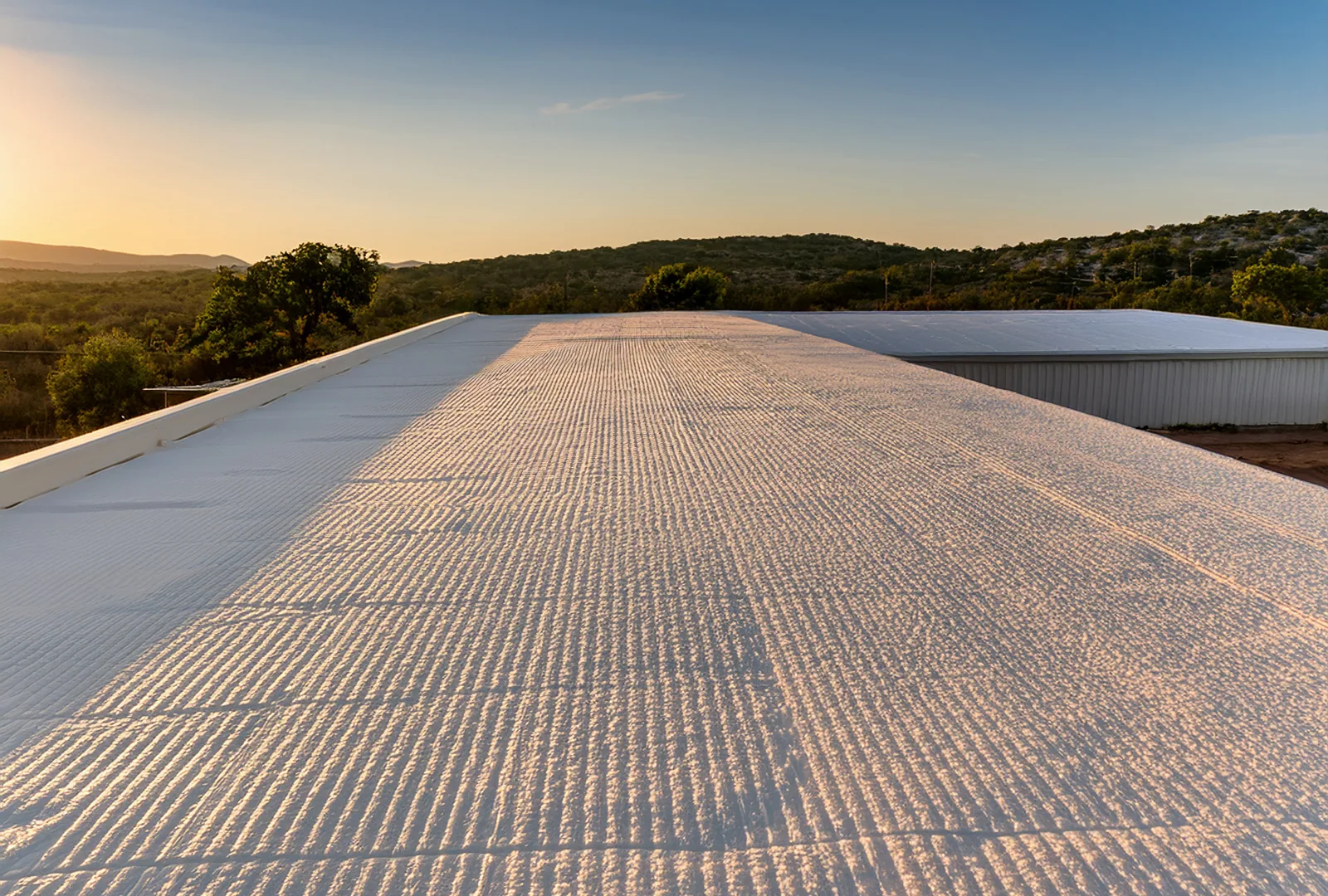
Inspect Johns Creek standing-seam roofs for panel movement, clip and seam condition, flashing, corrosion, and safe repair access now.
Do the standing seams show movement, separation, or a weak point near a penetration? Metal panels connect at raised joints, while concealed clips often let the sheets expand and contract. That connection only works when the seam, clip, flashing, and drainage details stay in serviceable condition. We inspect those points before proposing a repair. In Johns Creek's business districts, offices, retail, and light industrial buildings can have different panel layouts, roof slopes, and equipment access, so the roof plan starts with the specific structure.
What do the panels and seams show?
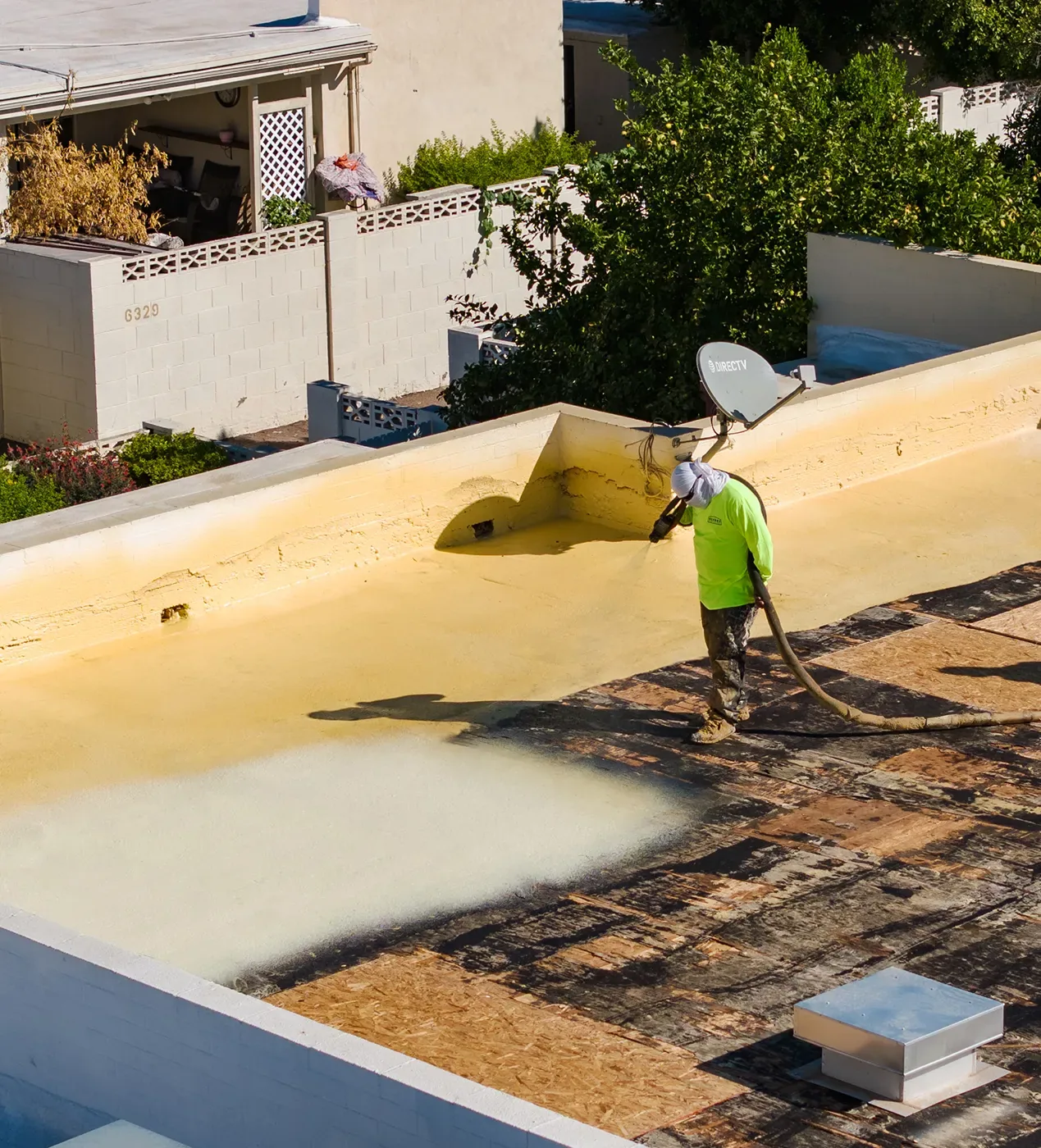
Roof Systems from Commercial Roofers Johns Creek.
We check for open seams, damaged ribs, punctures, oil canning, corrosion, loose trim, and panel movement that has pulled at the eaves or ridge. The profile and panel length affect how water is managed. A raised seam should be examined from end to end, including transitions where a gable, valley, curb, or penetration interrupts the run. We photograph defects and mark their locations rather than treating a single interior stain as the entire repair zone.
Clips are generally concealed, which can make a visual inspection incomplete. Where accessible, we review exposed fasteners and panel terminations for movement or backing out. A commercial roof inspection may include a closer review at transitions or test openings if concealed attachment needs confirmation. A different metal-roof retrofit can use a designed secondary roof system over an existing assembly, but it is not a patch for a failed standing seam. Where a metal system is unsuitable, a low-slope TPO assembly may be considered for a separate design.
How does thermal movement affect metal?
Metal panels expand when heated and contract as they cool. Clips, slots, panel lengths, and fixed points work together to handle that movement. If a clip binds, a fastener is misplaced, or the panel was cut short, stress can show up at end laps, ridge caps, eaves, and penetrations. We inspect how the panels are restrained and whether the flashing detail can move with them. Adding sealant over a seam without resolving a movement issue may only delay the next opening.
Atlanta climate normals record hot summer days and overnight lows that can reach freezing. Those climate patterns matter to material movement, but the roof's actual temperature and panel design are what we inspect. We also consider shade, rooftop exhaust, and changes from equipment work. If a contractor added a curb or pipe, the new flashing must not lock a panel that needs to slide. The written repair scope shows how the new detail accommodates the system's movement instead of pinning it in place.
Where do metal roofs leak?
Seams are only one possible path. Leaks can form at ridge and eave trim, valleys, roof-to-wall transitions, penetrations, exposed fasteners, or an area where panels were cut for equipment. We examine the uphill side of a detail and the water route beyond it. Sealants and closures may harden, separate, or be installed with gaps, but the specific observed defect guides the repair. We keep temporary protection clear of drainage and identify what will be permanent work.
North and central Georgia severe-weather includes damaging wind, large hail, and tornadoes. After an event, we look for displaced trim, lifted panels, dents, and new punctures; the weather alert is not evidence that a particular roof was damaged. A wind-damage inspection should distinguish fresh displacement from older corrosion or movement. Hail dents may affect finish or seams differently depending on impact and panel details, so each reported area is photographed and evaluated.
Can a metal panel be repaired without replacing the roof?
Localized correction may suit a damaged flashing, loose trim, or a panel opening where adjacent metal remains serviceable. We match the repair material to the roof's metal, coating, and profile, and avoid fastening through a moving panel unless the detail requires it. Corrosion needs more than paint when metal thickness or connection strength has been lost. The proposal identifies the treated area and any transition where new metal meets existing panels.
Coating can protect some prepared metal surfaces, but it does not reconnect a failed seam, replace a loose clip, or rebuild rusted-through substrate. If the panel system is broadly worn or inaccessible clips need repair, the owner may compare replacement with retrofit. An edge and gutter review can cover associated fascia, coping, and perimeter metal. For more extensive correction, the roof restoration evaluation checks substrate condition and coating compatibility first.
What changes the metal-roof work window?
Metal surfaces can become hot in direct sun and slick when wet. We plan access, fall protection, and handling around actual surface conditions, roof pitch, and the work method. Atlanta normals show rain in every month, so the site needs a dry-in plan if trim or panels are removed. We limit open seams and keep temporary protection secured without blocking gutters or valleys. Work pauses when roof conditions no longer support safe footing or proper sealing.
Johns Creek's Town Center is planned as a mixed-use district. Where an active property has retail deliveries, office entries, or residents below the work area, the staging plan accounts for pedestrian routes and clear notices. Confirm the installed panel profile, deck, and attachment against project records and field conditions before specifying replacement parts. We coordinate equipment access and any service interruption before lifting panels or setting a new curb. Near Technology Park Johns Creek, office and industrial uses can make equipment clearances and service access part of the sequence. A written schedule notes the sections affected, the weather assumptions, and the contact who can approve a change.
What should the metal-roof file include?
Closeout photographs should show panel seams, clips or visible fasteners, penetrations, ridge and eave work, and any areas left for later correction. We list metal type where known, coatings, replacement components, and the maintenance items the owner should track. If the project includes a retrofit, records should show new framing, attachment, insulation, drainage, and the relationship to the original panels. That makes a future inspection more useful than a general note that the roof was repaired.
Send the roof plan, panel product information, leak locations, prior repairs, access limits, and decision timeline. We will inspect panel movement and transitions, then outline a repair boundary or broader design review. A condition report preserves the work record, while owners with nearby offices in Alpharetta can coordinate a separate survey for each property.
Commercial Roofing Questions
Can a standing-seam leak be fixed with sealant?
Sealant may be part of a compatible flashing repair, but it will not correct a bound panel, loose clip, or failed seam geometry. We inspect the connection and water path first. The scope identifies where sealant is appropriate and what metal work is included.
Do standing-seam panels need room to move?
Many systems rely on clips or other details that allow panel movement. We check the profile, panel length, and attachment design before changing a seam or adding a penetration. A detail that restrains the panel can transfer stress to fasteners or flashing.
Can hail dents prove a metal roof is leaking?
A dent alone does not show that a seam or panel has opened. We inspect for puncture, coating damage, displaced trim, and water entry, then document the observed condition. A repair or claim record should distinguish cosmetic impact from functional damage.
When should I consider a retrofit instead of repair?
Broad corrosion, hard-to-access attachment failures, recurring leakage, or a need for added insulation can prompt a retrofit design review. We inspect the existing structure and confirm load, drainage, and attachment requirements before recommending a system. A local flashing issue may still be repaired without a new roof overbuild.
Can equipment be added to a standing-seam roof?
New curbs and supports need a designed connection that preserves water shedding and panel movement. We coordinate with the equipment and structural trades, then detail the opening and flashing before cutting panels. Unplanned fasteners or sealant around a curb can create a leak path.
Back to Roof Systems, or request a roof assessment and call 555-555-5555.