Commercial roofing in Johns Creek, GA
Repairs, replacement and maintenance
Commercial Edge Metal, Coping and Gutters in Johns Creek, GA
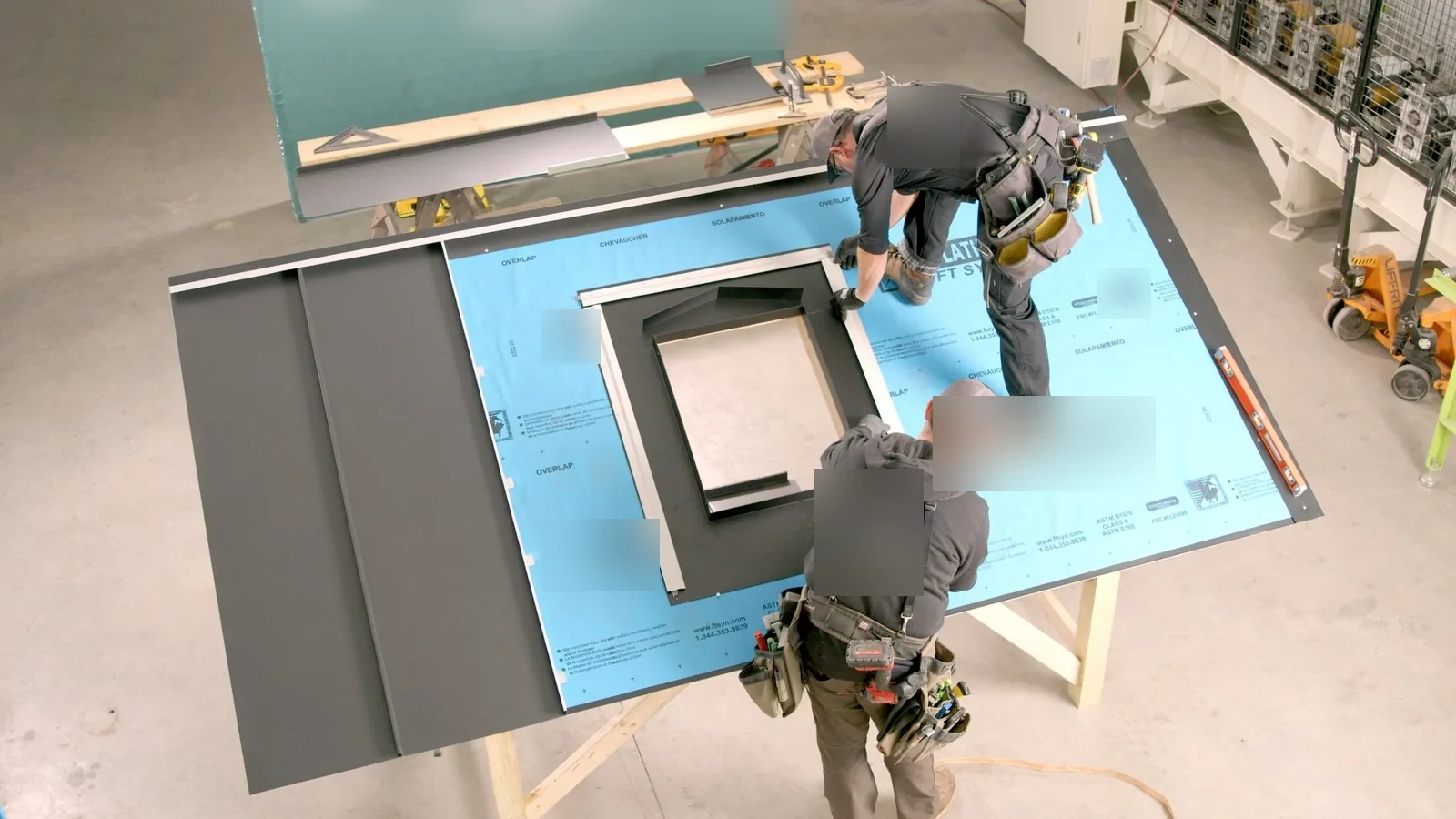
Inspect commercial roof edges, coping, gutters, and downspouts in Johns Creek, with secure terminations, clear drainage, and documented repair limits.
Is water getting past the roof edge, or has the metal moved under wind load? We inspect coping joints, edge metal, fascia, gutters, downspouts, and the membrane termination behind them. The repair has to connect the roof surface to a secure perimeter and a clear route for water. A loose coping cap, open joint, blocked gutter, or failed membrane edge can look similar from below but needs a different correction. For Johns Creek commercial buildings, we record the metal condition and the roof zone before defining replacement or repair.
What does the perimeter show?
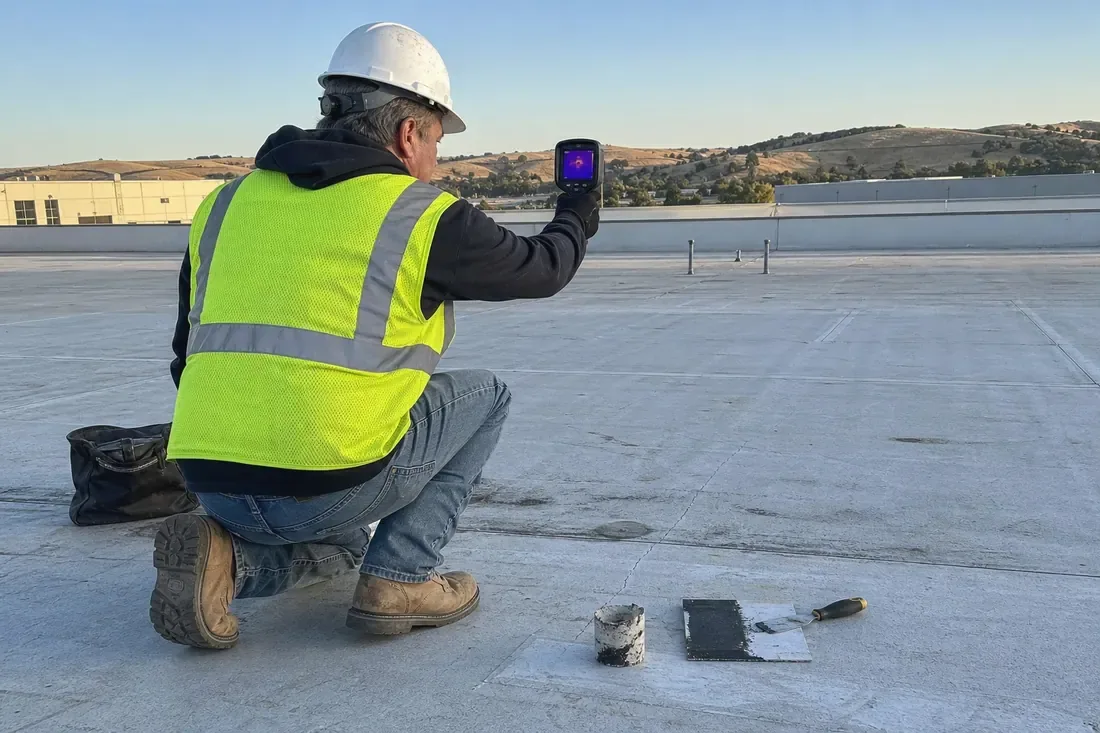
Commercial Roofing Services from Commercial Roofers Johns Creek.
At the roof edge, we check metal laps, corners, cleats, fasteners, seams, cover plates, sealant, and the attachment into the wall or deck. We look for movement, corrosion, open joints, lifted sections, and signs of water entry behind the fascia. Coping protects parapet walls, while edge metal secures and finishes the membrane termination. A patch that closes the visible joint may leave the underlying attachment loose.
We photograph corners and straight runs separately and tie each condition to a roof plan. If a section has lifted, we inspect the adjacent membrane and termination before selecting replacement metal. The scope should identify metal profile, material, gauge where established, joint treatment, cleat or fastening method, and tie-in to the roof assembly. A roof inspection can record the surrounding membrane and drainage details before perimeter work starts.
How does wind affect edge details?
Roof perimeters experience uplift and movement, so secure attachment and correct termination matter. North and central Georgia’s severe-weather climatology includes damaging thunderstorm winds, large hail, and tornadoes. That makes edge checks relevant after a storm, but weather context does not establish a failure at a particular building. We note observed displacement, open joints, damaged metal, and the extent of membrane separation instead of assuming that every loose-looking seam was caused by the latest event.
When edge metal is replaced, the detail needs to fit the roof assembly and applicable project requirements. The fastener pattern, substrate, cleat, splice, and membrane tie-in all affect the finished condition. We document areas that require additional testing and identify any code question for project review. If severe weather leaves an opening, storm damage repair can separate immediate protection from permanent edge work. A repair scope should show where the perimeter correction starts and stops.
Do gutters and downspouts carry water away?
We check gutter slope, seams, hangers, outlets, guards, end caps, and discharge points. A gutter that holds debris or pulls away from its supports can overflow behind fascia. Downspouts should remain connected and carry water to the intended discharge location, without an open joint that wets a wall or foundation area. Scuppers and roof drains may serve the same roof differently, so we map each route rather than assume water from the roof edge is reaching the right outlet.
Atlanta climate normals show rainfall throughout the year. Clear drainage paths matter across seasons, but observed conditions still determine the repair. We note whether overflow appears tied to a blocked outlet, a leaking joint, poor gutter slope, or roof water that bypasses the collector. If a drain bowl or scupper is the source, we can inspect the roof drainage detail and coordinate the correction with the perimeter. The estimate identifies any downspout or ground-level connection that needs review by another trade.
Which metal and joint detail fits?
Material selection depends on exposure, existing construction, movement, appearance requirements, and compatibility with the membrane. Metal can be shop-formed or field-fabricated for corners and transitions. We inspect the old profile and attachment before specifying new pieces. The proposal should state whether the work is a localized splice, a corner replacement, a full run, or coordinated replacement of membrane and edge trim.
Sealant is not a substitute for missing cleats or loose attachment. The joints need laps and fasteners that hold under movement while keeping water out. Where old coatings, corrosion, or dissimilar metals are present, preparation and material compatibility need review before installation. A failed wall transition may require new flashing work or a membrane tie-in, not a bead of sealant across a gap. We show those interfaces and note when the wall or substrate condition needs a separate evaluation.
How do commercial settings affect access?
Technology Park Johns Creek combines office, retail, industrial, and institutional uses. Edge work on an occupied office may require protection below a parapet; a retail property may need a work window that preserves customer access; a loading area may need temporary rerouting while gutters are replaced. We coordinate staging and fall protection with the site contact and identify which entrances or sidewalks fall beneath the work.
Alpharetta’s North Point activity center includes a large retail area with surrounding shopping and dining sites. That commercial setting makes pedestrian protection, deliveries, and shared access relevant when perimeter metal is serviced. It does not establish the construction of any individual property. We inspect the actual elevation, roof plan, and drainage discharge before setting the scope. For commercial roofs near North Point, building-specific access instructions and occupied hours belong in the schedule and closeout record.
What should the repair record include?
Before work, record the affected elevation, roof edge or gutter run, metal profile, observed movement or leak, and access restrictions. During installation, photographs should show the substrate, attachment, laps, corners, and membrane tie-in before the detail is closed. The owner should know which segments were replaced and which remain as existing. If hidden corrosion or substrate damage changes the work, we document the finding and request a separate approval.
At completion, we check that joints are secure, outlets clear, and water can reach the planned discharge. A condition report can keep photos and repair limits with the property’s roof history. In the Johns Creek area, multi-building owners can compare recurring perimeter conditions without assuming each site shares the same detail. Send a roof plan, photos from inside and outside, leak history, access limits, and decision timeline. We will inspect the edge and drainage path, then propose repair or replacement tied to observed conditions.
Commercial Roofing Questions
Can new sealant fix loose coping?
Sealant can close a suitable joint, but it cannot secure loose metal or replace failed cleats and fasteners. We inspect the attachment and substrate first. The repair boundary should include the hardware or metal section that has moved, not only the visible gap.
Do you replace gutters and roof edge metal together?
We can scope both when the drainage path and membrane termination need coordinated work. The proposal identifies gutter runs, downspouts, coping, and edge-metal sections separately. If one component remains sound, the scope can retain it and show the transition to new work.
What if water is entering behind the fascia?
We inspect the coping joints, membrane termination, fascia, and adjacent wall to find the opening. Water can travel behind metal before it becomes visible indoors. We document what is confirmed and identify any concealed wall or substrate area that still needs testing.
Will storm wind mean the edge metal must be replaced?
The inspection determines whether metal shifted, attachment failed, or the detail remains secure. Severe weather in north and central Georgia makes a post-event check useful, but a warning alone does not prove damage. We base the scope on observed conditions and any needed testing.
How do I know where gutter overflow is coming from?
We check the gutter slope, seams, hangers, outlets, downspout connections, and roof edge above the overflow. Debris, a loose joint, or water bypassing the gutter can produce a similar stain. A roof plan and photos of the discharge area help us trace the route.
Back to Commercial Roofing Services, or request a roof assessment and call 555-555-5555.