Commercial roofing in Johns Creek, GA
Repairs, replacement and maintenance
Commercial EPDM Roofing in Johns Creek, GA
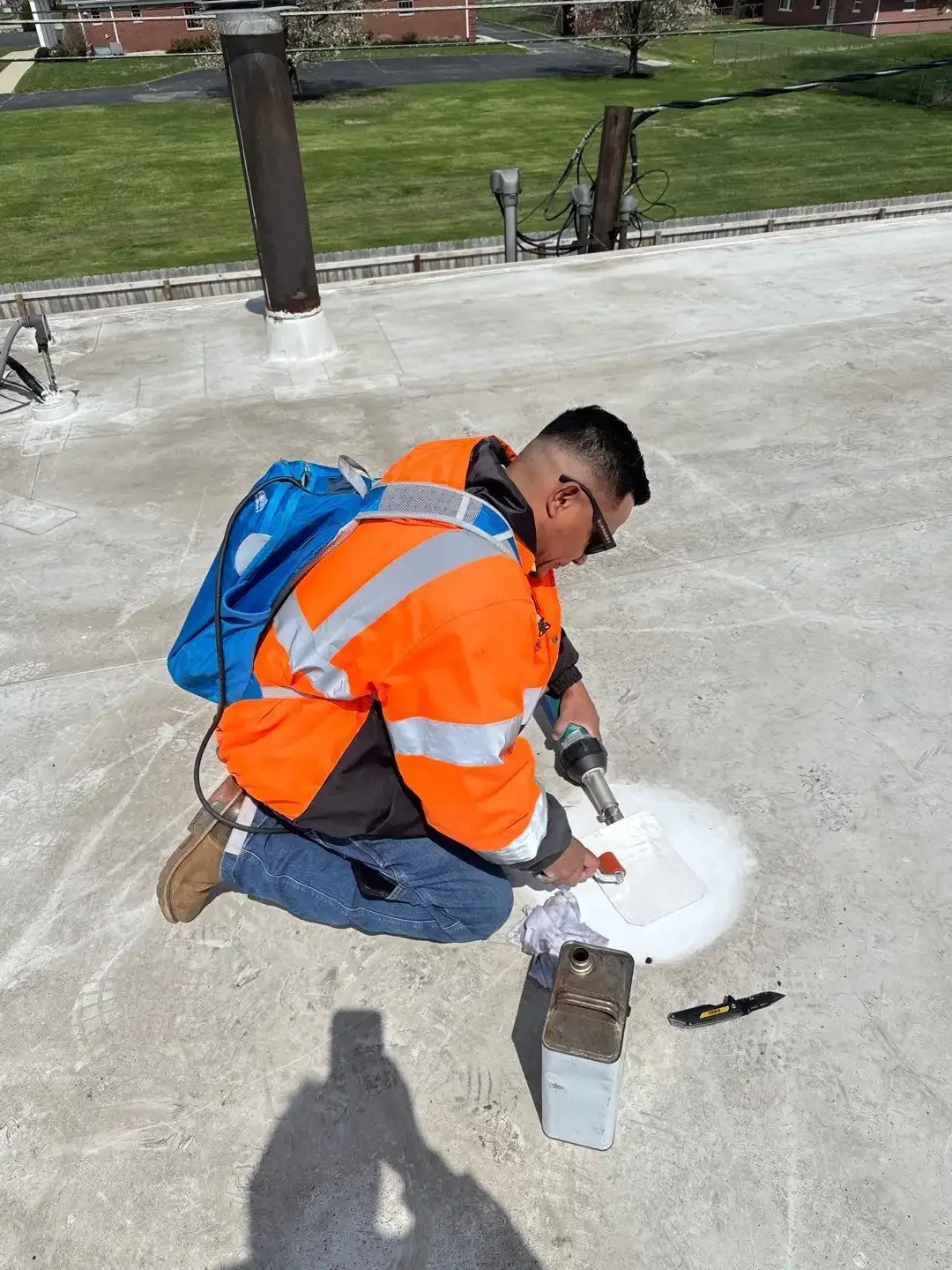
Inspect a Johns Creek EPDM roof for seam condition, adhesive compatibility, membrane movement, drainage, and concealed moisture before repair.
Does the EPDM sheet still have sound seams and secure perimeter details? That question matters more than the color or age of the membrane by itself. EPDM is a synthetic rubber roof membrane supplied in sheets; seams and flashings rely on compatible tapes, primers, adhesives, or manufacturer-approved materials. We inspect the field, terminations, penetrations, and drainage before recommending a patch or broader work. For offices and industrial properties near Medlock Bridge Road, access and rooftop equipment can make it necessary to inspect and plan in separate roof zones.
What should an EPDM seam inspection find?
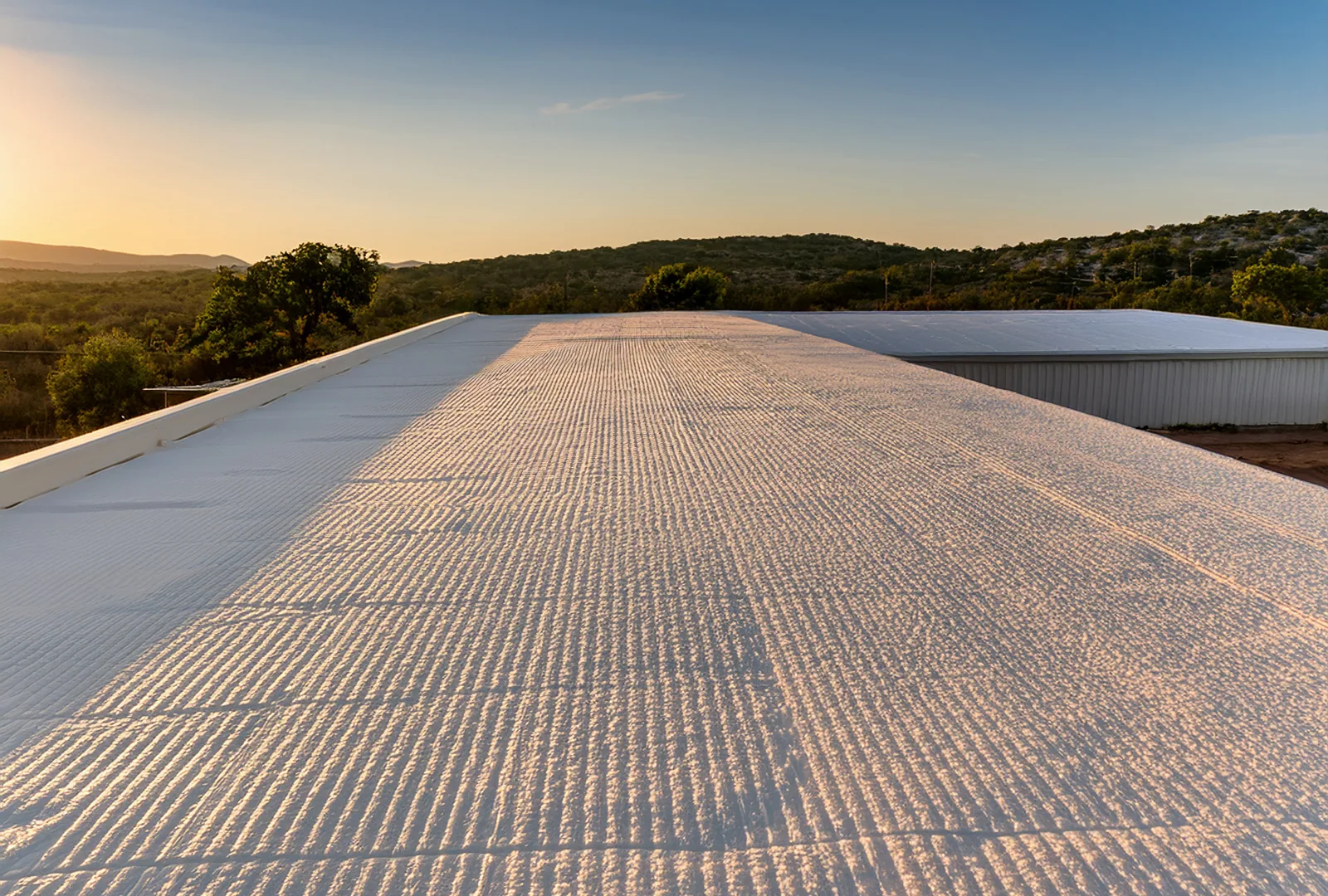
Roof Systems from Commercial Roofers Johns Creek.
We check for open laps, adhesive failure, wrinkles, shrinkage, punctures, and separation around corners. EPDM field seams may be taped or adhered depending on the original system; the repair needs a compatible primer and seam material. We clean the surface as required and test adhesion where existing materials or contamination make the bond uncertain. A patch placed over dirt, loose coating, or a poorly prepared edge can lift again without addressing the entry path.
The inspection follows water beyond the apparent opening. A leak near the ceiling may trace to an upper penetration, a roof-to-wall transition, or a drain area. We map the reported location, then inspect adjoining seams and flashing. For a wider record, the commercial roof inspection can include photos and a roof plan. Johns Creek Town Center is planned for a mix of retail, office, hospitality, and residential use; at active properties in mixed-use districts, we coordinate roof access around deliveries and occupied spaces instead of assuming an empty site.
Why do EPDM edges pull away?
Rubber membrane can move with temperature changes and may shrink over time, placing stress on perimeter terminations and flashing details. The resulting gap needs investigation: a loose bar, inadequate securement, failed adhesive, or movement at the substrate can produce different repair scopes. We inspect corners, parapet transitions, metal edges, and roof-to-wall details together. A membrane stretched back into place without correcting the termination can leave the same stress in the assembly.
Atlanta's climate record includes many hot days and regular overnight freezing lows. Actual substrate conditions matter when selecting materials and scheduling adhesive work. North and central Georgia's severe-weather pattern also includes damaging wind and hail, so post-storm checks should document new findings rather than infer damage from a warning. We use photos to mark observed separation and identify whether the repair boundary follows a single detail or continues along the edge.
Which materials belong in a repair?
EPDM repair materials are not automatically interchangeable with products made for PVC or TPO. The existing membrane, prior patches, surface treatment, and product instructions all matter. We identify the sheet and any coating or repair layers, prepare the area, and use materials intended for the assembly. At pipes, curbs, and corners, the detail may call for a formed flashing or reinforced patch rather than a flat piece laid over a gap. The scope states which materials are included and where the repair stops.
A surface patch also cannot dry wet insulation or stabilize a damaged deck. If the roof feels soft, shows repeated leakage, or has unclear assembly layers, test cuts or an infrared survey can inform the next step. We record test locations and repair the openings. For perimeter needs, an edge-metal and coping review can examine how the membrane is held at the roof line. A separate TPO system or PVC option may be considered for replacement, but each requires a new assembly review.
Can EPDM be covered with a new roof?
Another membrane should not be installed until the existing layers, attachment, moisture, deck, and project code requirements are understood. A recover can make sense where the roof is stable and dry enough to remain, but wet insulation or failing substrate may require removal. We inspect representative areas and use test cuts where the assembly needs confirmation. The written plan identifies retained layers and any selective tear-off, so the owner can see exactly what is being covered and what is not.
New insulation or cover board changes drain elevations, curb heights, and perimeter details. The crew needs a plan for those transitions before material arrives. A recover evaluation can compare reuse and removal limits, while insulation and cover-board planning addresses the build-up beneath a new membrane. A coating is not automatically a suitable way to restore EPDM; compatibility and adhesion need to be established for the exact formulation and condition.
How is the work staged around weather?
EPDM work uses adhesives or seam materials with conditions set by the product instructions. We check the roof surface, ambient temperature, humidity, and forecast, then limit each open section to a size the crew can finish and protect. Atlanta normals show precipitation year-round, so temporary dry-in and a daily tie-in plan belong in the schedule. If the surface is wet or the conditions fall outside installation limits, the crew pauses rather than bond material to an unsuitable substrate.
Technology Park Atlanta in neighboring Peachtree Corners is a major commercial area with technology and distribution employers. That regional business context points to varied operations and delivery schedules, but it does not establish a specific building's roof layout. We confirm access, rooftop equipment shutdowns, staging space, and tenant notifications with the actual site contact. A clear work window can reduce conflict with service technicians and keep egress routes below the active roof area open.
What record supports future maintenance?
The closeout record should identify the EPDM materials used, seams repaired, flashing rebuilt, test areas opened, and any limits left for future attention. Photographs should show representative details after work, not only a wide roof view. We note where temporary or permanent repairs were made, especially if another trade has to complete a curb, duct, or equipment correction. The property contact should also receive maintenance instructions for traffic, drain clearing, and reporting a new leak.
Send a roof plan, leak locations, previous repair notes, access rules, and project timing. We will inspect the sheet, follow the reported water path, and identify where the existing EPDM can be repaired or needs a broader assembly review. A condition report can preserve findings across separate buildings. Owners with properties in Peachtree Corners can coordinate adjacent-site inspections with Johns Creek work while keeping each building's notes distinct.
Commercial Roofing Questions
Can EPDM tape repair an open seam?
A taped repair is appropriate only when the existing sheet is identified and the surface can be prepared for the compatible primer and seam material. We check the full separation and adjoining details before repair. If the membrane has shrunk or the underlying insulation is wet, a narrow strip may not address the cause.
Why is the EPDM pulling away at the parapet?
Movement, loose termination, adhesive failure, and substrate problems can all contribute. We inspect the membrane, edge securement, counterflashing, and wall transition as one detail. The repair scope should state whether the termination can be reset or the flashing assembly needs to be rebuilt.
Can a new membrane go over the EPDM?
A recover requires review of existing layers, moisture, attachment, deck condition, and project requirements. We test representative roof zones before recommending it. Wet or unstable material may need removal before a new system can be secured.
Does black EPDM make a building hotter?
Surface color affects solar absorption, but the whole assembly, insulation, ventilation, and building loads affect indoor conditions. We can document the existing roof and discuss a specified replacement assembly. A color change alone does not establish an energy result for a particular property.
What if EPDM has several old patches?
Each patch gets checked for adhesion, with nearby leak paths traced before more localized work is scoped. Multiple repairs can be evidence of repeat problems, but they do not by themselves show that every section has failed. The roof map and test findings set the repair boundary.
Back to Roof Systems, or request a roof assessment and call 555-555-5555.