Commercial roofing in Johns Creek, GA
Repairs, replacement and maintenance
Commercial Roof Inspection in Johns Creek, GA
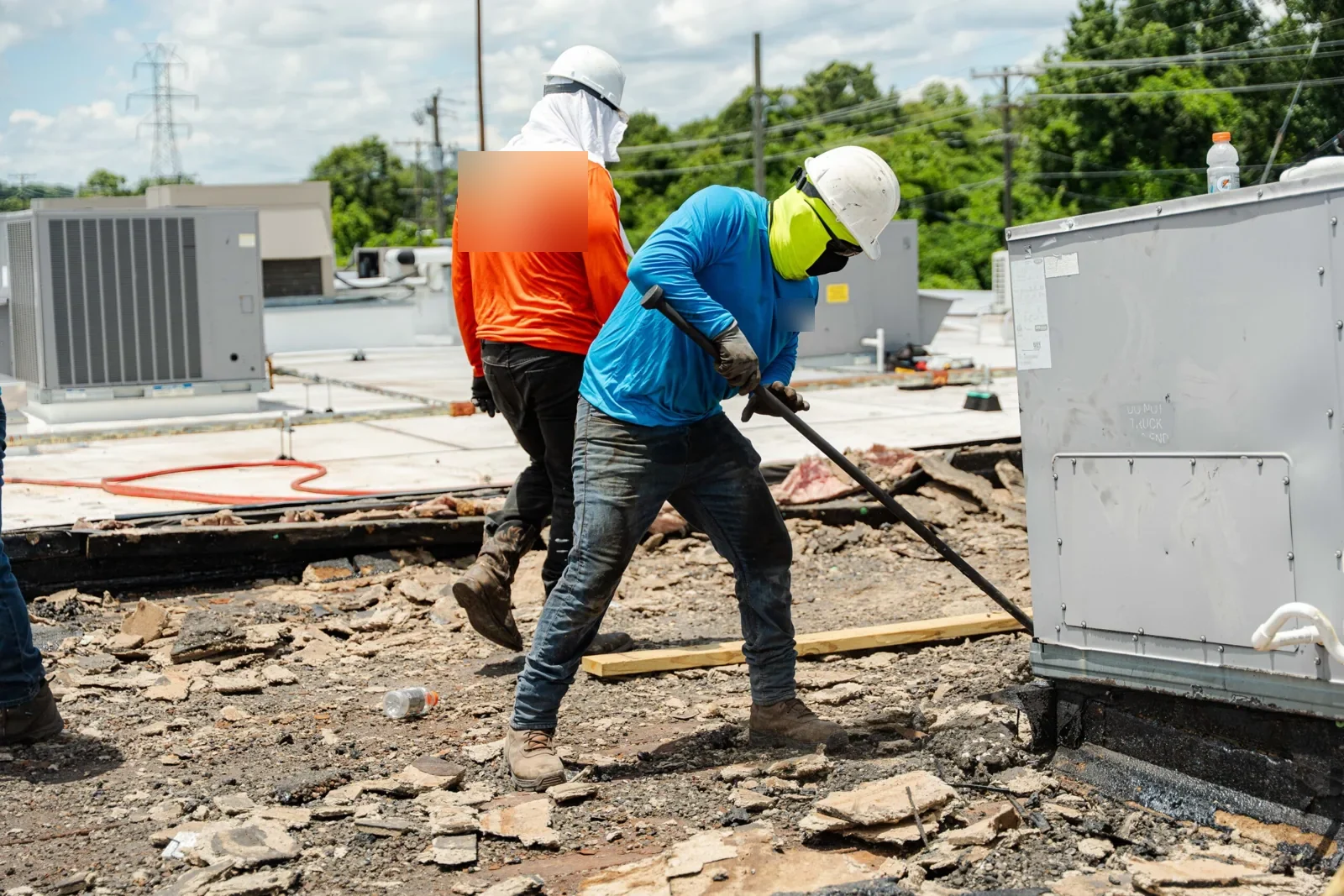
Get a commercial roof inspection in Johns Creek with zone-based findings, photos, repair priorities, and a clear record for operations and capital planning.
A roof inspection should answer a decision question. Is the leak limited to one penetration? Is the membrane still serviceable? Does the next budget need a repair allowance or a replacement plan? We walk the accessible roof, inspect the details that control water, and document conditions by zone. The result separates observed defects from suspected conditions and states what should happen next. In Technology Park Johns Creek, commercial property ranges from offices to industrial and healthcare uses, so an inspection needs to record each building’s access and operating limits rather than apply a generic checklist.
What is included in the inspection?
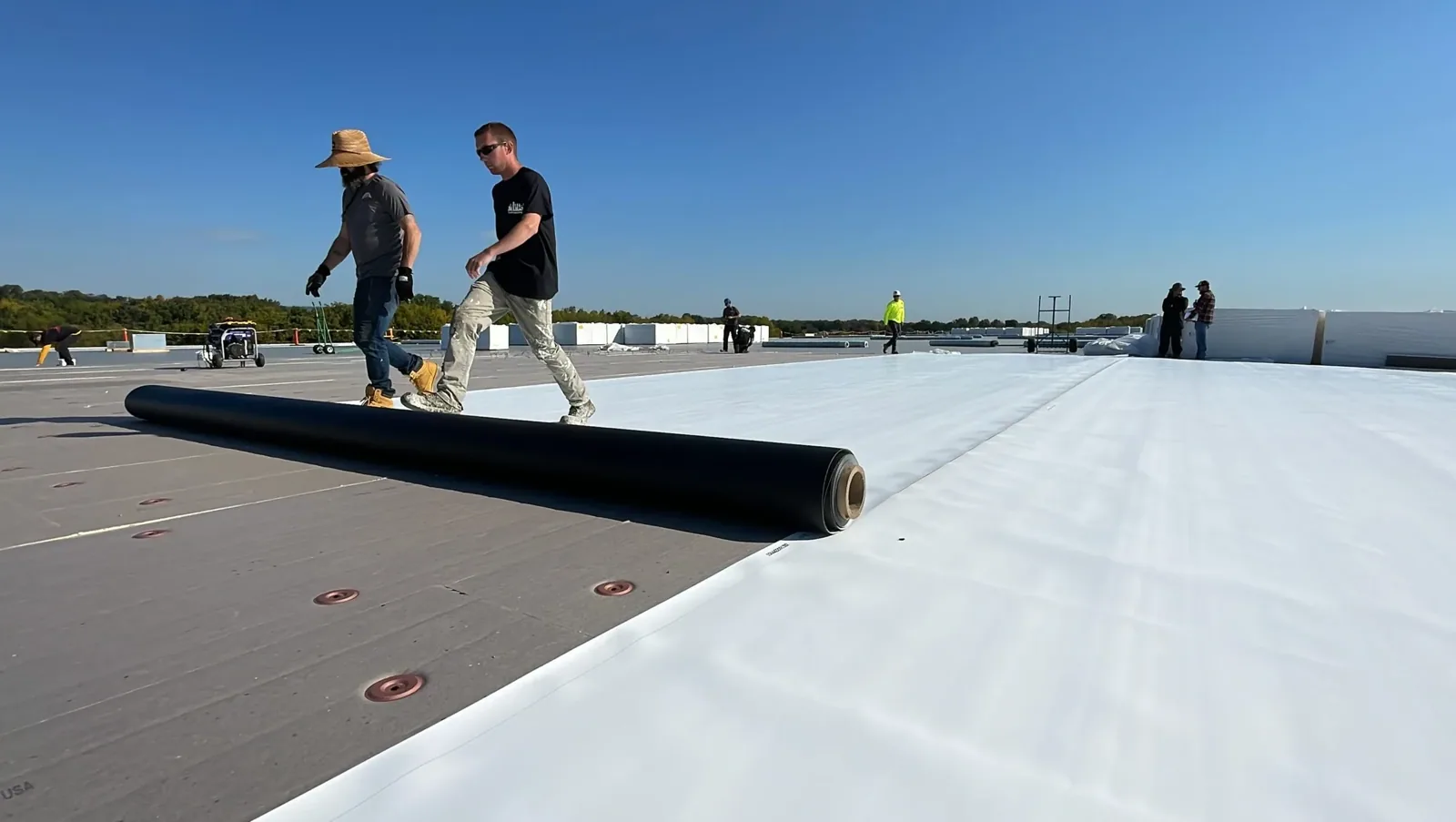
Commercial Roofing Services from Commercial Roofers Johns Creek.
We review the membrane or metal panels, seams, flashings, penetrations, curbs, drains, scuppers, parapets, edge metal, walk pads, and visible transitions. We look for punctures, open seams, loose terminations, corrosion, movement, debris, standing water, and previous repairs that may be separating. The roof plan helps divide the surface into manageable zones and relate roof conditions to interior reports or building systems.
Where access is safe and permitted, we inspect the complete accessible area. Obstructed equipment, locked enclosures, fragile surfaces, or unsafe weather may limit what we can see. We identify those limits in the record. If surface observations cannot confirm insulation or deck condition, we may recommend a test cut, selective opening, or infrared moisture survey. Each method answers a different question; none should be described as having tested an area it could not reach.
How are findings ranked?
We describe the location, observed condition, likely consequence, and recommended next step for each issue. An open seam with active water entry calls for a different response than isolated surface wear or a detail that should be monitored. We mark urgent safety or water-entry items separately from planned corrections. Photos should show enough context to find the detail again, with a closer view when a split, loose edge, or corrosion spot needs examination.
The report avoids treating every roof item as an emergency or a replacement trigger. A repair boundary may be clear after inspection, while moisture spread or deck condition may need testing. The report states the evidence, the uncertainty, and the next action. If a repair is appropriate, we can price the defined area through commercial roof repair. If repeated failures or broader deterioration appear, we can compare localized work with a replacement review.
Which local conditions belong in the record?
Atlanta climate normals show precipitation in every month, frequent summer heat, and regular winter freezes. These patterns can affect drainage, adhesive performance, safe roof access, and the timing of a follow-up visit. Actual conditions on the inspection day matter more than climate averages. We record wet surfaces, weather limits, and any detail that could not be evaluated under those conditions.
Johns Creek’s major employment cluster sits around GA 141 and McGinnis Ferry Road. The Town Center redevelopment plan includes a 192-acre business park, with retail, hospitality, office, and housing planned alongside existing commercial activity. That context points to varied commercial property and operational schedules, not to a predetermined roof condition. For Johns Creek Town Center, our inspection still begins with the actual building, its roof plan, access route, and reported symptoms.
How do you inspect occupied properties?
Before arrival, we confirm roof access, escorts, fall-protection points, equipment restrictions, and the building contact. If an interior report is involved, we coordinate entry to the room or suite and avoid disrupting critical work. A hospital, laboratory, office, or retail property can each have different access rules. We note restrictions that prevent a complete inspection and identify a return visit or alternate method when needed.
Roof areas near active equipment may require a shutdown or escort. We do not move machinery or open locked enclosures without approval. The inspection sequence keeps tools and foot traffic away from delicate details where possible. We note which hatch, ladder, or exterior route was used, the roof zones reached, and any conditions that limited observation. If the roof has more than one level, we make the route clear enough for a follow-up crew to find the same location. This matters when a later repair depends on comparing a seam or curb with photographs from the initial visit. A marked roof plan is useful for that comparison, particularly where an addition meets an older section or several tenants report symptoms at once. The location record lets the owner connect the finding to a maintenance ticket without guessing which rooftop detail the note refers to. If rain or wind makes walking the roof unsafe, we reschedule or limit the visit to safe observations. The findings distinguish a full accessible-surface inspection from a limited review, so the owner can understand how much of the assembly was examined.
What should the owner receive?
The written record should include the inspection date, weather, roof areas accessed, observed materials, photos, key conditions, repair priorities, and items that need testing. We identify the specific repair boundary when the evidence supports one. Recommendations should connect a condition to a next step, such as patching a failed flashing, clearing a drain, testing insulation, or planning replacement. The record becomes more useful when it can be compared with a roof plan and earlier reports.
Within Technology Park, the developed inventory spans office, retail, and industrial uses; the city also identifies recreation and municipal functions across the broader campus. A multi-building owner may need consistent reports while still retaining building-specific findings. Our roof condition reports preserve that distinction and can support capital planning across the portfolio. Share the roof plan, leak history, access limits, and decision timeline. We will confirm the inspection scope and document what is visible, what is uncertain, and what should be addressed first. Owners tracking the roof after repairs can pair the record with preventive roof maintenance to revisit recurring drains, seams, and penetrations. The follow-up interval can reflect the condition observed instead of a calendar date alone.
Commercial Roofing Questions
Can a roof inspection confirm hidden moisture?
A visual inspection cannot see through the roof assembly. We can identify suspect zones and recommend thermal imaging or test cuts when needed. The report names the method used and the area tested so a limited sample is not treated as proof about the full roof.
Will the report include repair priorities?
Yes. Findings are tied to locations and grouped by urgency, risk, and next action. We distinguish active water entry from maintenance items and from areas that need more testing. The owner can use that record to scope a repair or plan a later capital decision.
Can you inspect around active rooftop equipment?
We inspect accessible details while respecting operating and safety limits. Some equipment areas may require an escort, shutdown, or approved access. We note any area we could not enter and recommend the next step instead of implying it was checked.
What do you need before a roof inspection?
A roof plan, known leak locations, prior repair notes, roof access details, fall-protection information, and equipment restrictions help us prepare. Tell us the decision the inspection needs to support, such as repair, budgeting, or a roof purchase review.
How often should we inspect a commercial roof?
The interval depends on roof condition, recent weather, repairs, drainage, and the building’s operating needs. We can recommend a follow-up interval based on observed findings and any maintenance program. An inspection after a reported leak or severe storm may be useful even when the routine visit is not due.
Back to Commercial Roofing Services, or request a roof assessment and call 555-555-5555.