
Commercial roofing in Johns Creek, GA
Repairs, replacement and maintenance
Commercial Roof Maintenance in Johns Creek, GA
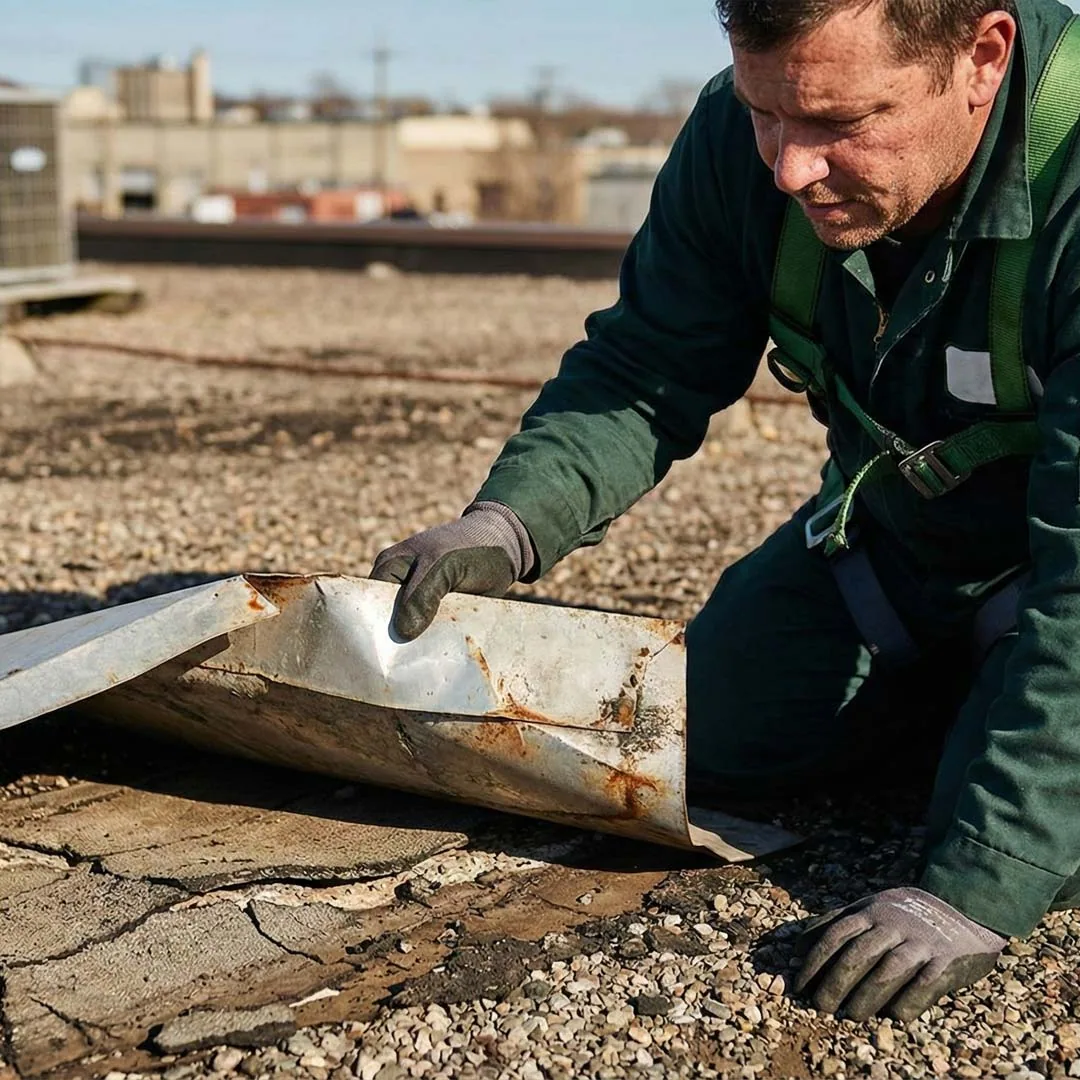
Keep commercial roofs in Johns Creek on a documented maintenance schedule with drain checks, seam observations, repairs, and building-specific follow-up.
Which roof items need attention before the next leak? A maintenance visit records drains, seams, flashings, penetrations, edge metal, and prior repairs while the roof is accessible. We compare observations with the last condition report and mark new changes by zone. That record helps a property manager separate a small correction from a condition that needs testing or capital planning. Johns Creek’s office, healthcare, retail, and industrial properties each have different rooftop equipment and access rules; the maintenance plan should be set for the building, not copied from another asset.
What belongs on a maintenance visit?
Commercial Roofing Services from Commercial Roofers Johns Creek.
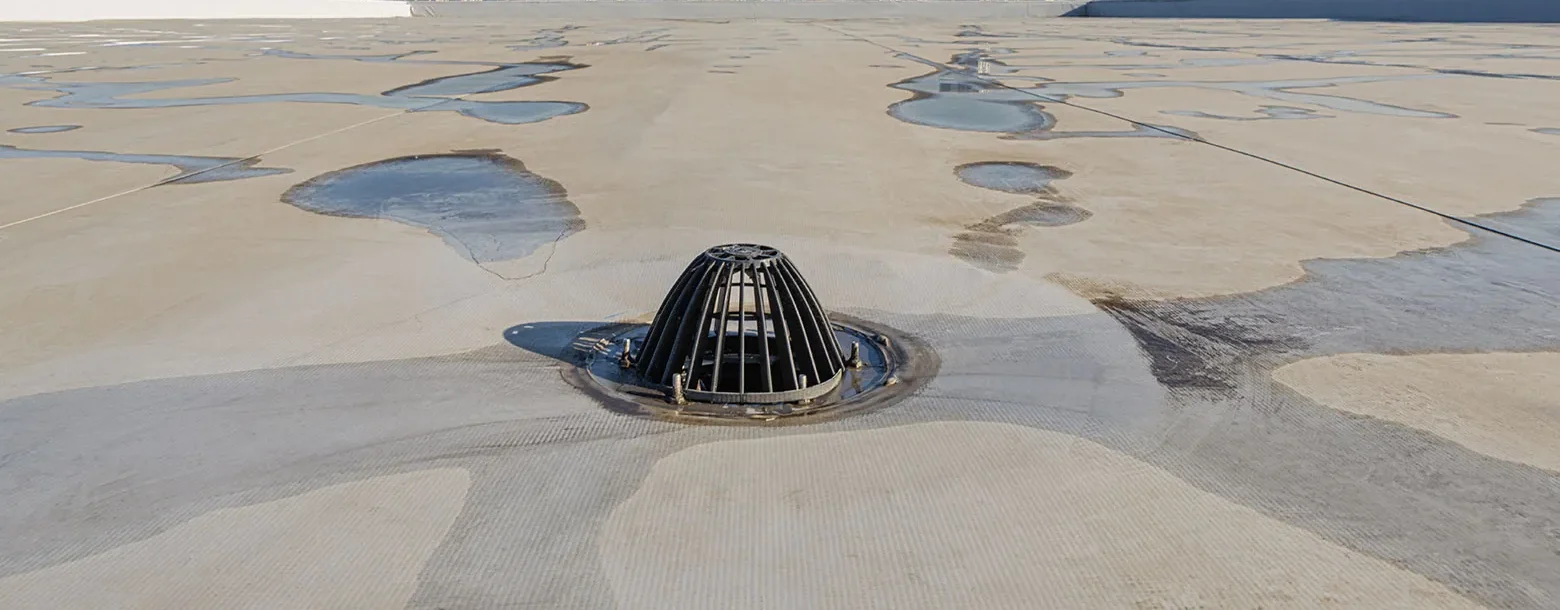
We walk accessible roof areas and inspect details that can interrupt drainage or waterproofing. Debris at a drain, an open lap, loose sealant, a split curb corner, or a displaced walkway pad can call for different action. We clear accessible drain screens when included, check that scuppers are not blocked, and note areas where water is slow to leave. We do not treat a quick visual pass as a moisture survey or a structural review. If the surface hides a suspected problem, we identify a test or opening before recommending a larger correction.
The visit follows a roof plan with zones, drains, curbs, transitions, and reported leak locations identified. That makes the next comparison useful: the facilities lead can see whether a seam changed, a patch separated, or a new obstruction appeared. A full roof inspection can be scheduled when the owner needs a broader condition report rather than routine upkeep. For multiple buildings at Technology Park Johns Creek, separate logs preserve building-specific findings even when visits share a calendar.
Which repairs can be handled in routine work?
Minor corrections may include removing surface debris, resecuring a loose but accessible item, sealing a compatible detail, or patching a small membrane defect. The work order should state the exact location and repair limit. If we find wet insulation, widespread seam separation, damaged deck, or an unstable attachment, routine maintenance is not a substitute for diagnosis. We photograph the condition and request approval for testing or a separate repair scope.
Different roof systems need different materials and preparation. We identify the existing membrane or panel type before applying a patch or sealant. A product that bonds to one surface may fail on another, and a coating cannot correct an unprepared seam or trapped moisture. Our commercial roof repair can price confirmed defects beyond the maintenance allowance. If a recurring leak remains after a localized fix, we can trace the entry route through a leak investigation instead of repeating surface patches. A maintenance allowance should state which routine tasks are included, what access or materials are excluded, and how the owner approves additional work. That boundary keeps drain clearing or a small patch from being mistaken for a repair of hidden damage. When the same seam or curb returns on successive visits, we flag the pattern and price a closer investigation rather than continue treating each appearance as an isolated item.
When should visits be scheduled?
Set the interval around roof condition, building use, drain exposure, repair history, and recent weather. A roof with recurring debris or active leaks may need closer follow-up than a system with stable details. We can schedule a review before a rainy period, after major work, or following a storm inspection. Each visit records the date and weather and distinguishes routine observations from a storm-related assessment.
Atlanta climate normals record precipitation throughout the year, many hot days, and winter nights at or below freezing. The climate record supports year-round attention to drainage and work conditions, while the actual roof state controls what is repaired. A drain that clears slowly at one visit deserves another check after routine cleaning or repair. In summer, we plan safe access around hot roof surfaces; in colder weather, we confirm actual substrate conditions before using adhesives or sealants. A schedule should allow the crew enough time to inspect, document, and perform agreed minor work instead of compressing several buildings into an unrealistic window.
What changes after severe weather?
North and central Georgia severe-weather patterns include damaging thunderstorm winds, hail, and tornadoes. After an event, we look for observed damage such as lifted edge metal, displaced coping, punctures, or debris impact. A storm alert does not establish that damage occurred on a specific roof. We photograph findings and separate an urgent protective action from routine cleaning or maintenance.
If the roof is unsafe to enter, we delay the walk and report the access limit. When water is active, emergency response can address immediate protection before the scheduled maintenance visit resumes. After a storm, a storm assessment can preserve a separate photo record and define repairs tied to observed conditions. Keeping the weather-related work distinct from routine maintenance makes later review clearer for the owner and the building insurer.
How should the maintenance record be used?
Each visit should leave a concise record of the roof zones reached, weather, observed conditions, photos, work completed, and any limitation. Mark open recommendations with their status and the next decision needed. If a drain was cleared, a seam patched, or a flashing reset, the record should show that detail rather than use a broad phrase such as “roof checked.” We can provide a condition report that ties maintenance work to observed locations and helps identify repeat issues. After each visit, the log should distinguish completed work from observations and recommended next steps. Include the roof zone, detail inspected, photo reference, action taken, materials used, and any access limitation. When a condition could not be tested, mark it for follow-up rather than describing the roof as fully cleared; this keeps the next comparison useful.
Johns Creek Town Center is planned as a mixed-use district with office, retail, hospitality, and residential components. Buildings in a changing commercial area may have different contacts or work windows over time, so a current access list belongs with the maintenance record. In nearby Alpharetta, named activity centers such as North Point and Windward Parkway include broad commercial districts; those settings also require building-by-building findings. We can coordinate a multi-building maintenance plan with separate scopes and reports. Share the roof plan, leak log, access limits, and decision timeline to set the first visit.
Commercial Roofing Questions
What does a commercial roof maintenance visit cover?
We inspect accessible drains, seams, flashings, penetrations, edges, and prior repairs, then record conditions by roof zone. Agreed minor work can be completed within a defined allowance. Any concealed or broader defect is photographed and presented for a separate decision.
Can routine maintenance stop every roof leak?
A maintenance visit can catch visible issues and address approved minor defects, but it cannot prevent every concealed failure or storm impact. We state what was inspected and what remained inaccessible. Active water entry may require a focused leak trace or further testing.
How often should our building be on the schedule?
The interval follows observed condition, drainage, repair history, roof use, and the owner’s operating requirements. We recommend a cadence after reviewing the actual roof and its maintenance record. A recent storm, recurring leak, or change in site access may prompt an earlier visit.
Will you clean drains during maintenance?
We can include accessible drain and scupper clearing in the agreed scope. The record names each outlet visited and any obstruction or drainage concern. If a drain is damaged, poorly set, or receiving water from a low area, that condition may need a separate correction.
Can the same program cover several Johns Creek properties?
Yes, if each building retains its own roof plan, findings, work allowance, and access limits. We can coordinate a shared visit calendar without treating the properties as one roof. Separate records let the owner compare recurring conditions and approve building-specific work.
Back to Commercial Roofing Services, or request a roof assessment and call 555-555-5555.