Commercial roofing in Johns Creek, GA
Repairs, replacement and maintenance
Multi-Site Commercial Roof Programs in Johns Creek, GA
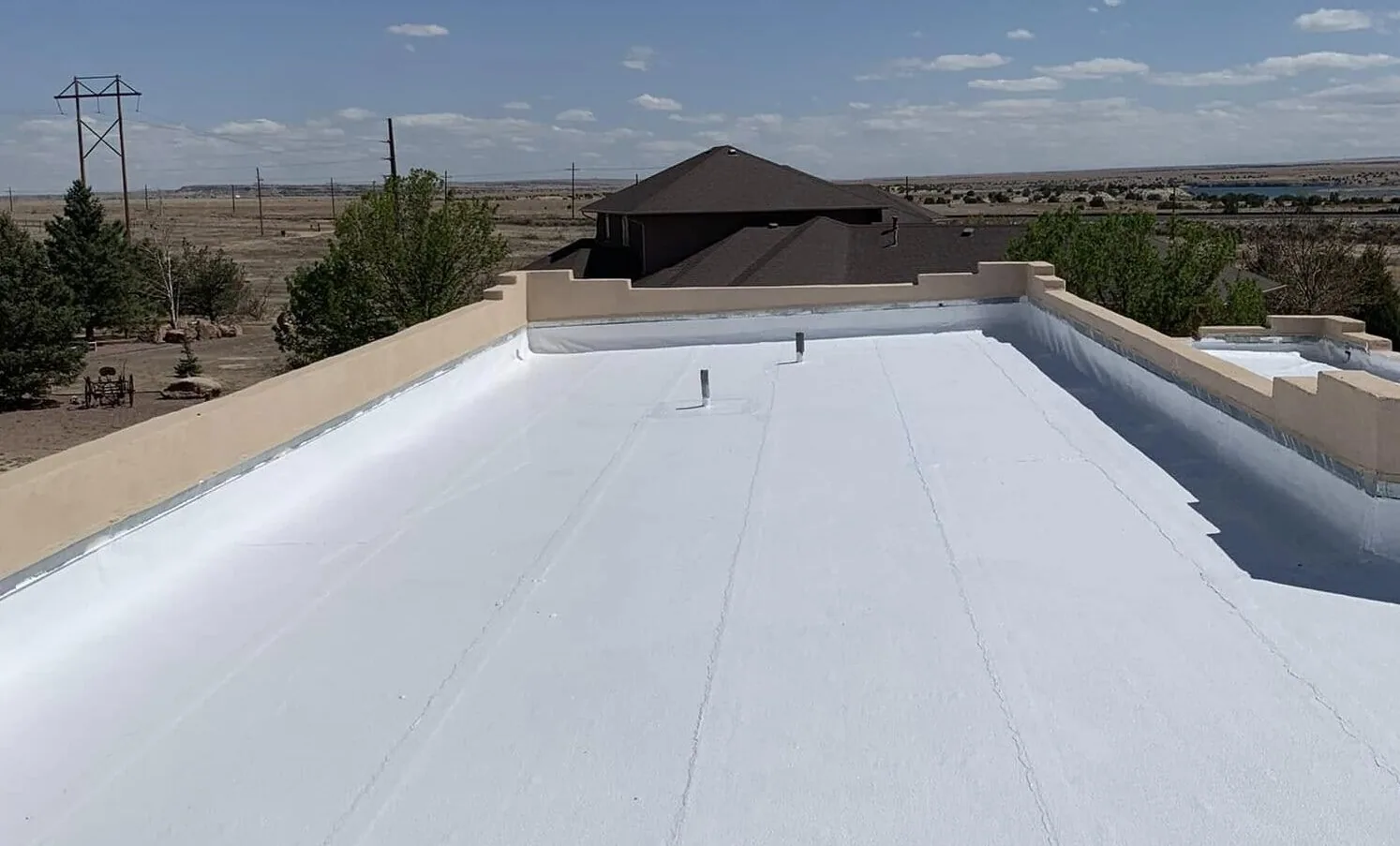
Multi-site commercial roof inspection and planning in Johns Creek, GA, with coordinated access, consistent reporting, and separate building-level findings.
Does one facilities group oversee roofs in Johns Creek and several surrounding cities? A multi-site roof program can coordinate site lists, access windows, reporting fields, and follow-up while keeping each property's condition separate. We document which buildings were visited, what was reached, and which questions remain open. Technology Park Johns Creek includes a large concentration of office and industrial development, while the regional service area extends toward Alpharetta, Roswell, Suwanee, Duluth, and Norcross.
How should a multi-site program start?
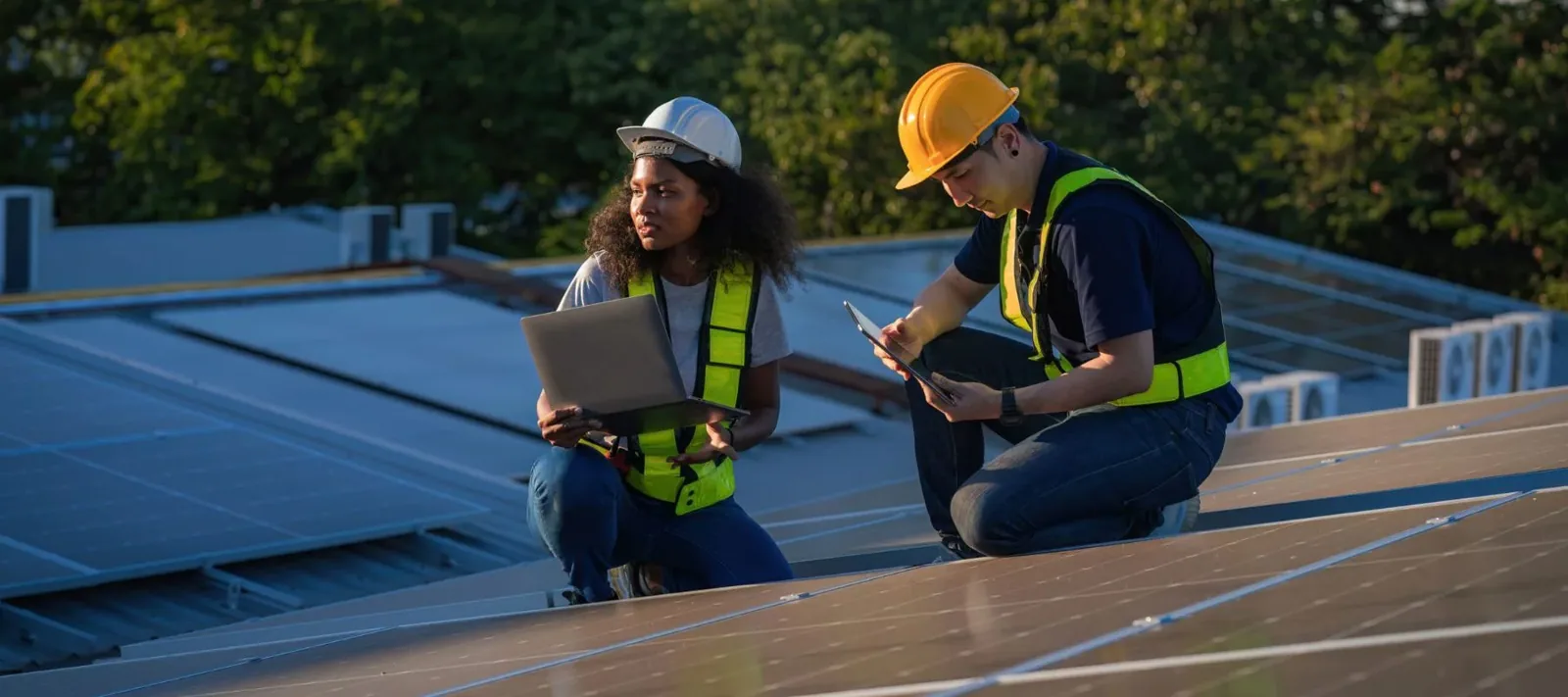
Roofing Capabilities from Commercial Roofers Johns Creek.
Build a property list with building identifiers, roof plans, operating contacts, prior work records, access procedures, and the decision each visit should support. Confirm who can authorize roof access, testing, and repairs at each location. If one owner has several management companies, record the responsible party and site rules for each building. A shared spreadsheet can coordinate the program, but the roof file must remain tied to the site where the inspection occurred.
A commercial roof inspection can use consistent reporting fields across buildings. Where moisture could affect a scope, an infrared moisture survey may help select locations for confirmation. Each report should identify the method, roof zones, photos, access limits, and any follow-up test. Similar symptoms at different facilities do not establish a common cause or repair quantity.
Before scheduling, sort the sites by urgency, access readiness, and the kind of decision needed. One visit may be a leak investigation, while another supports budget planning. Combining both under one generic scope can confuse the requested work. List the assignment for each property and identify whether the visit requires a roof walk, testing, an estimate, or records review.
How can site visits be coordinated?
Set one contact per building and confirm keys, escorts, roof hatch procedures, tenant notice, restricted areas, lift access, and work-hour limits. The schedule can group nearby locations when the access windows and inspection scope allow. If a site is unavailable, mark it as not inspected and reschedule rather than carrying another building's findings into the missing slot.
Group nearby inspections when site access allows; the owner still provides each property's identifier and arrival route.
A property management company may coordinate keys and tenant reports, while an investment owner may approve testing and capital work. A general contractor can manage roof interfaces during renovation. The program should state who schedules, who authorizes, who receives the report, and who closes follow-up items at every property.
For occupied buildings, coordinate interior protection, public access, equipment shutdowns, and daily closure requirements. A phased occupied-building plan may be required for larger repair work. Keep operational decisions with the property team and describe the roofing boundary in each task order.
How should findings be compared across properties?
Use consistent categories for roof type, observed condition, test result, access limit, maintenance item, repair need, and next action. Preserve the photos and measurements for each site. A portfolio view can sort results or flag missing records, but should not substitute for the building report. If a status is based on an estimate or incomplete survey, label it as such.
A roof condition report can document one inspection, while a roof asset management register can track service history, next steps, and document gaps across the portfolio. Those tools serve different purposes. Keep the field evidence attached to the site and use the summary to plan follow-up rather than flattening distinct roofs into a single score.
When readings suggest moisture, track the test locations and confirmation status. If a repair is approved, record actual quantities, materials, access limits, and closeout photos. If the work finds concealed damage, document the location and obtain the owner's direction before extending the scope. The next building visit should not inherit an earlier property's allowance or repair assumption.
Regional precipitation occurs throughout the year in Atlanta's climate normals, and north and central Georgia can experience damaging storms. A program may prioritize inspections after a reported event, but the event date and field evidence belong to each building. A roof that was not visited should not receive a storm condition status from another site's review.
How does a multi-site program support budgets?
Once records are comparable, group work by documented urgency, testing requirement, access window, and owner decision date. Identify which amounts are measured and which remain allowances. Keep a separate cost basis for each building and state whether mobilization or other shared assumptions were included. A schedule can coordinate visits, but final repair quantities still depend on the site evidence.
A roof capital planning review can compare supported repair and renewal options across a portfolio. A preventive maintenance visit can address tasks that belong in an approved maintenance scope. The program record should distinguish routine maintenance from an investigation or capital project, and identify who will approve each.
Johns Creek Town Center is planned across a 192-acre business park with retail, office, hotel, and residential uses. A portfolio may include both existing commercial buildings and properties undergoing change. Record construction access and ownership responsibility at each site, especially if a roof is part of an active renovation. Use the current building plan rather than a development-area label to set the work boundary.
If a tenant or building operator changes, update the contact and access record before the next visit. If a project is postponed, preserve the reason and the next review date. That keeps the program useful as property lists, schedules, and capital priorities change.
Which regional sites can be grouped together?
Johns Creek sites can be coordinated with properties in Alpharetta, Suwanee, Duluth, Roswell, and Peachtree Corners when the owner can provide a consistent site list and access process. GA 400 and I-85 connect different employment areas, while local roads determine the final approach to each building. Route efficiency is useful, but do not combine findings because two properties share a corridor.
For sites near Technology Park Johns Creek or Suwanee Gateway, name the actual buildings and facilities contact in the work order. At Suwanee Gateway near Exit 111, employers occupy industrial, office, and retail properties along the I-85 corridor. That gives a regional reference point but does not determine the roof design or service requirements of an individual property.
A due diligence roof survey can be added when one site is under acquisition or refinancing review. Keep that transaction assignment distinct from routine portfolio inspection. It may require a defined report recipient, deadline, and record set that do not apply to the rest of the program.
What should the program deliver?
A program can deliver a property index, visit schedule, building-level reports, open-item list, repair closeouts, and a portfolio summary. The index should show inspection date and status for every site, including properties not reached. Each report should identify its own scope, photos, test methods, limits, and recommendations.
For a portfolio in Johns Creek and nearby cities, send the property list, roof plans, site contacts, access rules, and preferred reporting fields. A warranty record review can be incorporated when the owner provides the issued documents. We can coordinate site activity and keep findings specific to each building.
Before closing a reporting cycle, review open tests, deferred repairs, temporary measures, and missing plans. Assign a contact and target date for each. If the owner chooses not to act on a recommendation, record that decision and retain the evidence supporting it. The next cycle then starts with an accurate record of what was completed and what remains unresolved.
Commercial Roofing Questions
Can one inspection cover every property in a portfolio?
Only the buildings and roof zones actually accessed can be reported as inspected. A schedule may coordinate multiple visits, but each property's findings and limits remain separate.
Can several sites use the same reporting format?
Yes. Shared fields help compare observations and track follow-up. Photos, quantities, roof type, and recommendations still need to stay attached to the building where they were verified.
How do you handle buildings with different property managers?
List the access contact and approval role for each asset before scheduling. The program can use one owner-level coordinator while preserving the site-level responsibility and access rules.
Does grouping roof visits reduce repair cost?
Route coordination may reduce repeated scheduling effort, but repair pricing depends on each building's scope, access, materials, and conditions. Shared assumptions should be stated separately from measured work.
Back to Roofing Capabilities, or request a roof assessment and call 555-555-5555.