
Commercial roofing in Johns Creek, GA
Repairs, replacement and maintenance
Commercial Roofing in Suwanee Gateway, Suwanee, GA
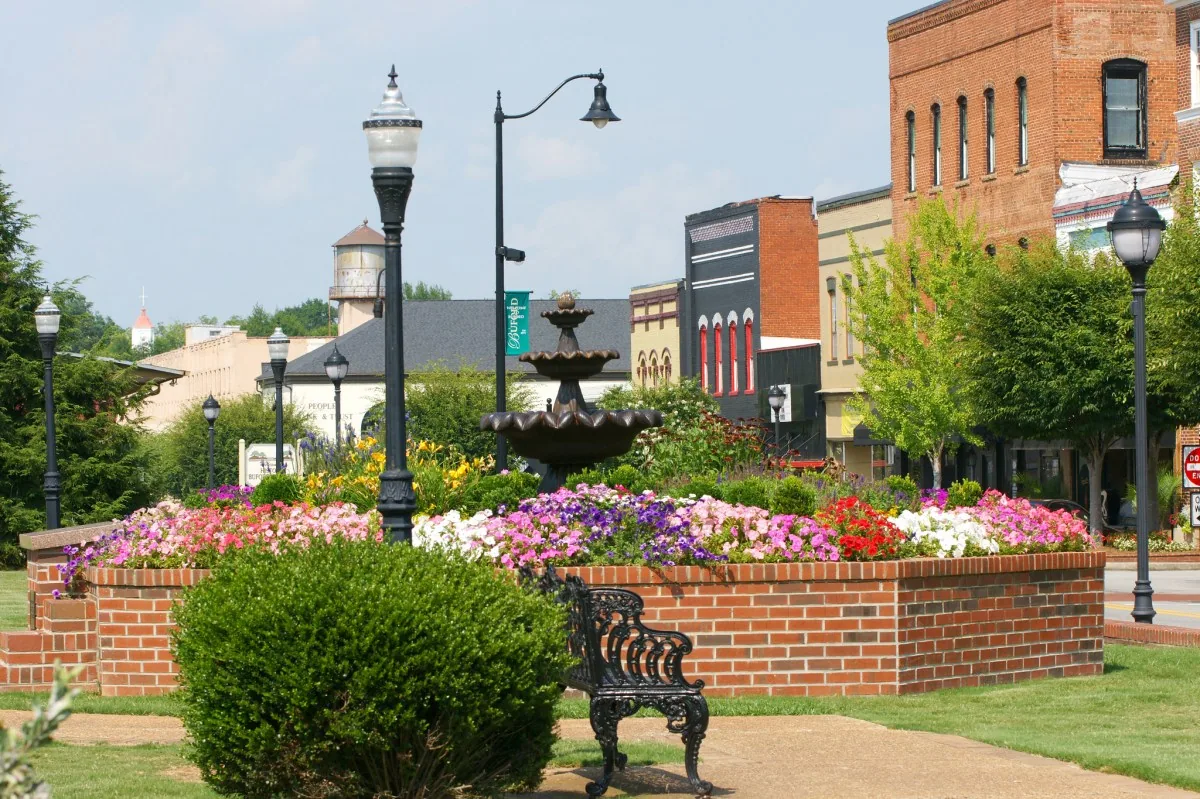
Commercial roof inspections and repairs in Suwanee Gateway, with property-specific scopes for industrial, office, retail, and hotel buildings.
Does the roof request identify a building in the Suwanee Gateway district around I-85 Exit 111? Suwanee Gateway's commercial inventory is dominated by industrial space, alongside office, retail, and hotel properties. Those figures describe building floor area, not roof area or roof condition. We verify the property, roof plan, and assembly on site, then document the conditions behind a repair or capital recommendation.
What should a Gateway roof review cover?
Service Areas from Commercial Roofers Johns Creek.
Suwanee Gateway contains about 13.9 million square feet of mostly industrial space, plus office, retail, and hotel inventory. Use those district figures to understand the area's varied commercial uses, not to estimate an individual roof. Before scheduling, provide the building name, access contact, reported leak, roof map, recent work history, and any delivery or security requirements.
Industrial operations may need a work window around receiving, equipment, or shift activity. Office and retail properties can have tenant routes, storefront access, and public areas to protect. The Gateway also includes nine hotels totaling 761 rooms, so guest access, food service, and housekeeping can affect the schedule for those properties. Confirm the actual operation with each facility contact instead of assuming a uniform site rule.
Start the inspection at the reported roof zone. Check seams, penetrations, curbs, drains, perimeter metal, panel laps, and previous repairs. Compare the interior report with the plan because water can move before it appears below. A commercial roof inspection can record the observed condition, photos, and access limits and identify where testing is needed.
If a district has a recent improvement or redevelopment plan, that plan may affect future staging or access but cannot confirm today's roof assembly. Review the property's own construction records, tenant improvements, equipment changes, and repair tickets. Keep observations for each building separate, including structures managed by the same owner.
What matters on the larger industrial roofs?
Check the deck and membrane where records allow, along with drains, rooftop units, skylights, vents, edge details, and any marked service route. A large floor area does not prove the roof is one uninterrupted field. Additions, mezzanines, equipment platforms, or reroof sections can create distinct transitions. Mark those changes on the plan and identify which one relates to the reported leak.
For a warehouse or manufacturing operation, coordinate the roof inspection with equipment use, ventilation, overhead processes, and receiving schedules. If a unit must be shut down, name the party who authorizes and performs that work. If a roof opening could affect production or a stored product area, identify the interior protection and handoff before removal begins. A warehouse roof review can focus attention on access, penetrations, drainage, and broad field conditions without assuming all Gateway buildings use that type of assembly.
Where moisture beneath the surface could affect the scope, an infrared survey may help prioritize test locations. State what the survey covered and where direct confirmation is still required. A test cut can show insulation and deck condition at one point; it does not characterize every area unless the findings support that conclusion. Keep sample locations and restoration details in the report.
Severe storms in north and central Georgia can bring damaging wind, hail, and tornadoes. Inspect exposed corners, edges, rooftop equipment, and seam lines after a reported event. A regional alert does not establish damage at a Gateway address. Note the event date supplied by the owner and distinguish new observations from maintenance conditions that were already present.
How should repair and replacement be compared?
A focused repair fits a confirmed defect where the adjacent material remains stable and a compatible transition can be made. Set out the preparation, materials, test method, access, and exact roof area. If removal may expose wet insulation, corroded deck, or a second layer, describe the stop point and how the owner approves extra work. A closeout photo should identify the finished detail, not only the new material.
Repeated failures, wide seam weakness, multiple wet areas, or deteriorated deck may point to a broader scope. A commercial repair plan addresses observed defects. A replacement evaluation should review removal, recover potential, insulation, deck, drainage, perimeter capacity, equipment, and staging. Compare the same buildings and roof zones across proposals, with testing and exclusions shown separately.
A coating or overlay requires checks for adhesion, moisture, attachment, drainage, and perimeter height. For an industrial roof, verify that existing roof penetrations and equipment supports can remain compatible with the new assembly. For a hotel or retail property, verify that drains, canopies, and service areas remain functional during work. One system choice should not be applied to every building in the Gateway without a field review.
Emergency protection can stabilize a leak while a permanent scope is developed. Record the location, date, temporary material, limits, and follow-up task. If water is over guest rooms, electrical areas, inventory, or equipment, coordinate interior protection with the property manager. A temporary patch is not the permanent repair unless the completed scope confirms its purpose and test.
What affects staging and timing at Exit 111?
Confirm the delivery route, loading area, roof access, lift position, and any security or escort process with the building contact. A location near I-85 Exit 111 is a district reference, not an exact entrance or permission to stage. For work over industrial receiving areas, plan around truck routes and equipment movement. For a hotel, establish guest and service access limits before reserving a lift or setting barriers.
Atlanta climate normals record precipitation in every month and hot summer conditions. The figures are from the Atlanta station, not a reading at the building. Check the actual roof surface, moisture, and product-specific installation limits before welding, coating, or adhering material. Each shift should end at a section that can be protected and made weather-tight if conditions change.
The wider Suwanee market includes downtown and business areas beyond the Gateway. The Town Center and Old Town district has different retail and civic access context. Use the Gateway property's own roof plan and operating contacts rather than transferring a schedule or staging instruction across district lines.
When a different trade must move equipment or repair a curb, show the sequence and responsible contact in writing. Identify who checks the roof transition after the handoff. If the roof is opened in phases, state which area will remain protected overnight and who inspects the temporary cover before the next shift starts.
What information should the owner retain?
Keep the roof plan, photos, product identification, test locations, access notes, approved scope, change orders, and completion record with the property's file. Mark the areas included and excluded, any temporary measure, and every follow-up item. If a warranty applies, retain the actual issued terms and review requirements before changing the assembly.
A roof condition report can connect observed conditions to a roof zone and show inspection limits. A roof asset record can track dates and open work across the Gateway while preserving each site's separate assembly information. The district's building mix makes that distinction useful for owners who compare capital needs across industrial, hotel, office, and retail assets.
Send the property identifier, roof plan, reported issue, recent repair record, access limits, and decision timeline to begin. We can document the roof condition and identify whether a repair, test, or broader evaluation is supported for the building.
Commercial Roofing Questions
Do Suwanee Gateway's area figures tell us the roof size?
No. The city's inventory is commercial floor area, not a roof takeoff. Use the building plan and field measurements to calculate the section to be repaired or replaced.
What should be coordinated before roof work at a hotel?
Confirm guest routes, service access, delivery windows, room or event restrictions, and who handles interior notices. Set the roof work zone and daily protection with the property manager before material is staged.
How does a storm inspection separate new damage from old wear?
Record the reported event date and photograph the actual roof details examined. Compare with prior maintenance records and identify which conditions are new, pre-existing, or still uncertain.
When should industrial roof repair become a replacement review?
Consider a broader review when failures recur across zones, moisture extends below the membrane, or the deck and seams no longer support a limited tie-in. Confirm layers, drainage, attachment, and access before comparing costs.
Back to Service Areas, or request a roof assessment and call 555-555-5555.