Commercial roofing in Johns Creek, GA
Repairs, replacement and maintenance
Infrared Roof Moisture Survey in Johns Creek, GA
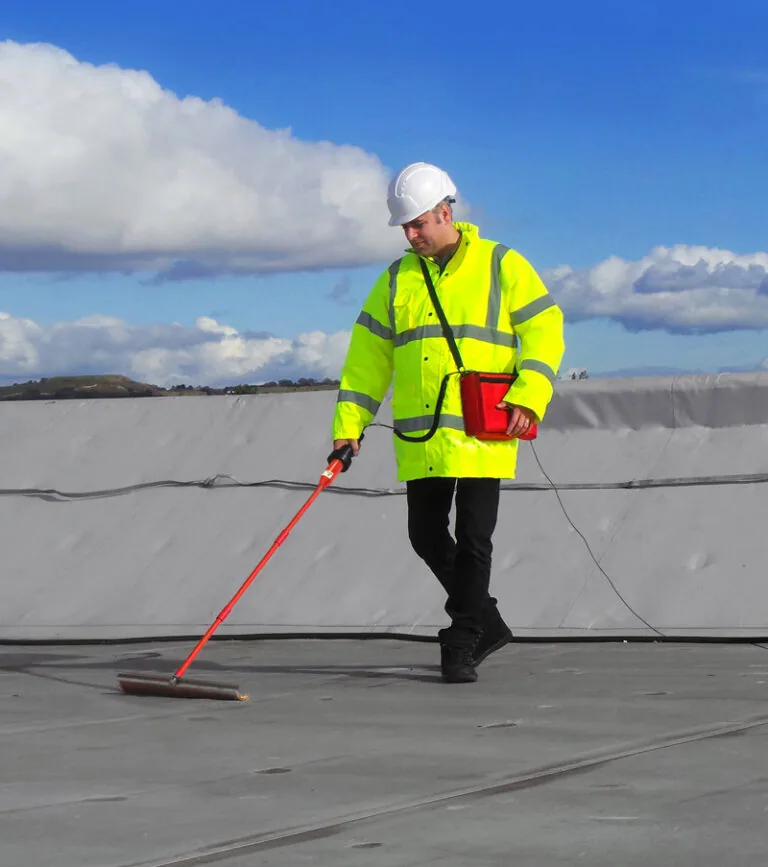
Map suspected roof moisture in Johns Creek with infrared imaging, surface-condition notes, selective verification, and a repair boundary based on tested areas.
Does the roof hold moisture beneath a surface that looks intact? An infrared survey can identify temperature patterns that may point to wet insulation, but it cannot prove moisture by itself. We plan the survey for suitable conditions, map anomalies by roof zone, and verify selected areas with test cuts when the decision requires confirmation. That process helps estimate where removal may be needed without treating every image difference as wet material. Around Johns Creek, commercial roofs serve office, healthcare, industrial, and research uses, so a useful survey must account for equipment, access, and the owner’s next repair or replacement decision.
What does infrared imaging measure?
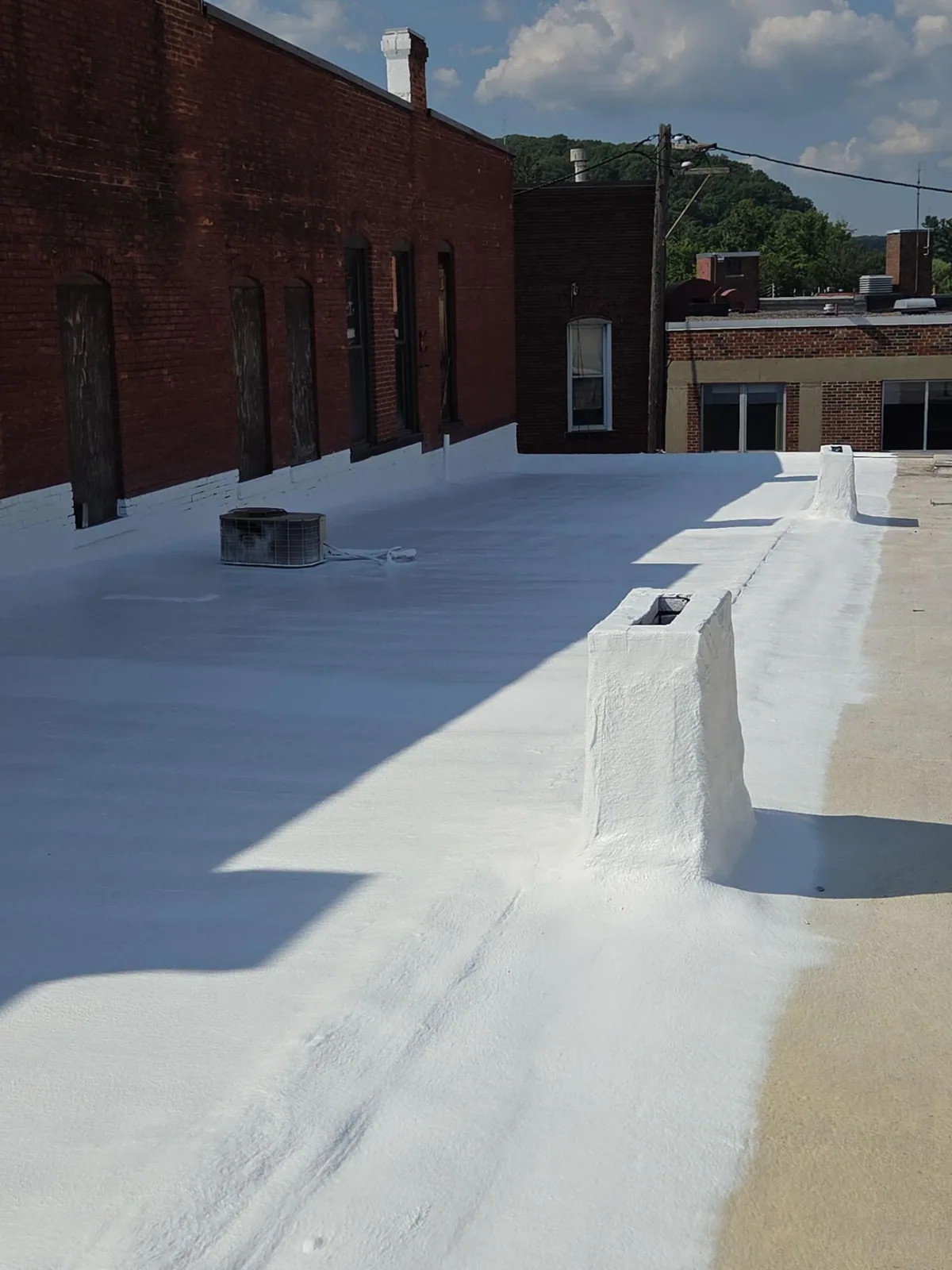
Commercial Roofing Services from Commercial Roofers Johns Creek.
The camera records surface-temperature variation. On a suitable roof after a clear day, wet insulation can retain heat differently from dry areas and appear as a pattern for closer investigation. The image is a thermal clue, not a direct view through the membrane. Sun exposure, wind, cloud cover, surface color, ballast, roof geometry, and rooftop equipment can affect the reading. We record these conditions and do not label an anomaly as confirmed moisture without verification.
A survey starts with the roof plan and the question the owner needs answered. We mark the areas covered, instrument setup, collection window, and constraints from access or weather. Dusk or nighttime conditions may be appropriate depending on the assembly and site. If a roof is shaded, saturated, or covered with material that obscures temperature changes, results can be limited. The report should state those limits so the owner can understand which parts of the roof support a comparison and which require another method.
How are suspect areas confirmed?
We compare thermal patterns with a visual roof inspection and the building’s repair history. Suspected zones may be checked with test cuts or other approved openings. A cut exposes the insulation and deck at a defined sample point, where we can observe whether material is wet, deteriorated, or sound. If one point confirms moisture, surrounding samples may be needed to identify the repair boundary. A single sample does not prove the same condition across every thermographic anomaly.
Technology Park Johns Creek includes offices, retail, industrial properties, recreation, and civic functions. A roof with different additions or roof elevations can show different thermal behavior, so we mark each assembly separately and note when a change in materials affects interpretation. Our hands-on roof inspection can add seam, flashing, and drainage findings to the survey. If the confirmed moisture extends into a broad area, the owner can compare selective removal with a recover evaluation only where dry, stable conditions remain.
When is the roof ready to survey?
Infrared collection needs a useful temperature contrast between roof areas. Recent rain, standing water, cloud cover, strong wind, or inconsistent sun can weaken that contrast. We review the recent weather, roof assembly, and survey conditions before scheduling. If the roof is not suitable, postponing the scan is more useful than delivering a map that appears precise but cannot answer the moisture question.
Atlanta climate normals show rain in every month and many hot days. Those patterns make weather planning relevant, but the survey depends on actual conditions leading into the collection period. Summer heat can leave stored energy across a roof; rain may cool or saturate areas unevenly. We document the collection window, sky and surface conditions, and any reason a zone was excluded. If there is an active leak, containment and leak tracing may take priority over waiting for a thermal survey window.
Where can a survey help with planning?
Johns Creek’s commercial and healthcare base includes major employers and institutions around Technology Park, including Emory Johns Creek Hospital. The mix includes occupied offices, medical use, and industrial facilities, but no property type predicts whether its insulation is wet. A survey can help an owner prioritize verification across roof zones while arranging access with the building contact. We do not use the presence of a nearby employer or campus to infer anything about an individual roof.
Across the wider service radius, Peachtree Corners and Suwanee both include technology, distribution, and mixed commercial areas. Large campuses or multi-building portfolios may need a repeatable map key so facilities staff can compare buildings without confusing their findings. We keep a separate plan for each structure, label the thermal images by roof zone, and retain the test-cut locations and sample count. A line between suspect and verified areas helps the owner request selective removal without treating the whole roof as wet. That makes the results useful for an owner reviewing repairs, a planned roof replacement, or a capital budget.
What should the survey report include?
A useful report includes a roof plan, thermal images, corresponding visual photographs, zone identifiers, collection conditions, interpretation, test locations, and the limits of the work. It should distinguish potential anomalies from verified wet insulation. The next action for each area might be a test, a repair, monitoring, or removal. If a core sample is taken, the report connects that result to the exact location and describes adjacent areas that remain untested. Before openings, we confirm who authorizes each sample and how it will be patched that day. We photograph the exposed layers, note their condition, and place the point on the roof plan. The owner can then compare the image pattern, sample result, and repair limit without losing track of where material was opened.
We can provide a roof condition report that combines survey maps with hands-on inspection notes and repair priorities. The goal is a useful decision record, not a colored image without context. A property manager can use it to request a scoped repair, track areas for a later visit, or compare replacement boundaries. Share the roof plan, known leak locations, past repairs, access limits, and decision date. We will confirm survey suitability and explain what infrared can show before finalizing the scope.
Commercial Roofing Questions
Does a thermal anomaly always mean wet insulation?
No. Temperature patterns can reflect moisture, but roof assembly, sun, wind, shade, surface materials, and equipment also affect the image. We label suspect locations and verify selected areas before treating them as wet. The report identifies what remains unconfirmed.
Do you need to cut the roof during an infrared survey?
Imaging itself is non-invasive, but test cuts may be needed to verify moisture and set a removal boundary. We discuss each proposed opening, choose sample points based on the map and roof details, and document the result. The owner can approve testing separately when needed.
Can you survey a roof after it has rained?
Recent rain can reduce the temperature contrast needed to interpret a survey. We review the assembly and collection conditions and reschedule if the roof cannot provide a useful reading. The report notes weather and surface conditions so the map is not mistaken for a direct moisture measurement.
Will the survey tell me how much roof to replace?
It can help locate suspect zones, but verified moisture boundaries and the condition of the deck, membrane, and attachment also matter. We use samples and inspection findings to define where removal may be needed. Areas without a confirming test remain identified as unverified.
What documents should we provide?
Send the roof plan, known leak locations, prior repair records, roof assembly information, access restrictions, and the decision timeline. Those details help us select survey zones and coordinate test cuts. Tell us about rooftop equipment or sensitive operations before we schedule the visit.
Back to Commercial Roofing Services, or request a roof assessment and call 555-555-5555.