Commercial roofing in Johns Creek, GA
Repairs, replacement and maintenance
Distribution Center Roofing in Johns Creek, GA
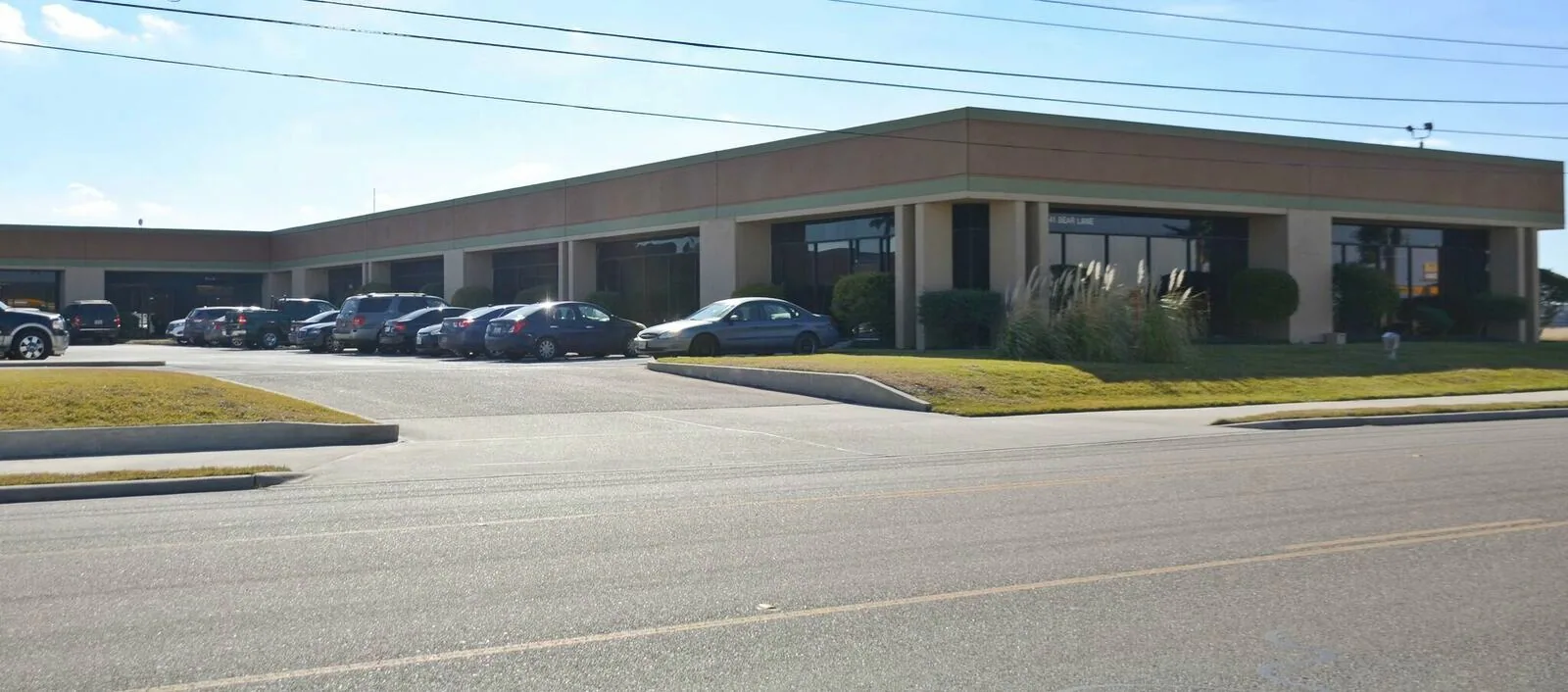
Scope distribution-center roof repairs in Johns Creek around receiving schedules, drain paths, rooftop equipment, and daily dry-in limits.
Can the roof be opened without leaving inventory lanes or receiving areas exposed? A distribution center roof plan has to join the water path with dock activity, equipment access, and the daily sequence for keeping the building dry. We map leaks and roof zones, inspect seams, drains, curbs, and perimeter details, then define what can be repaired within each work window. Suwanee Gateway contains a substantial industrial inventory near I-85, and Johns Creek connects to regional employment areas; operators with more than one site need a separate condition record for every building.
Which areas need attention first?
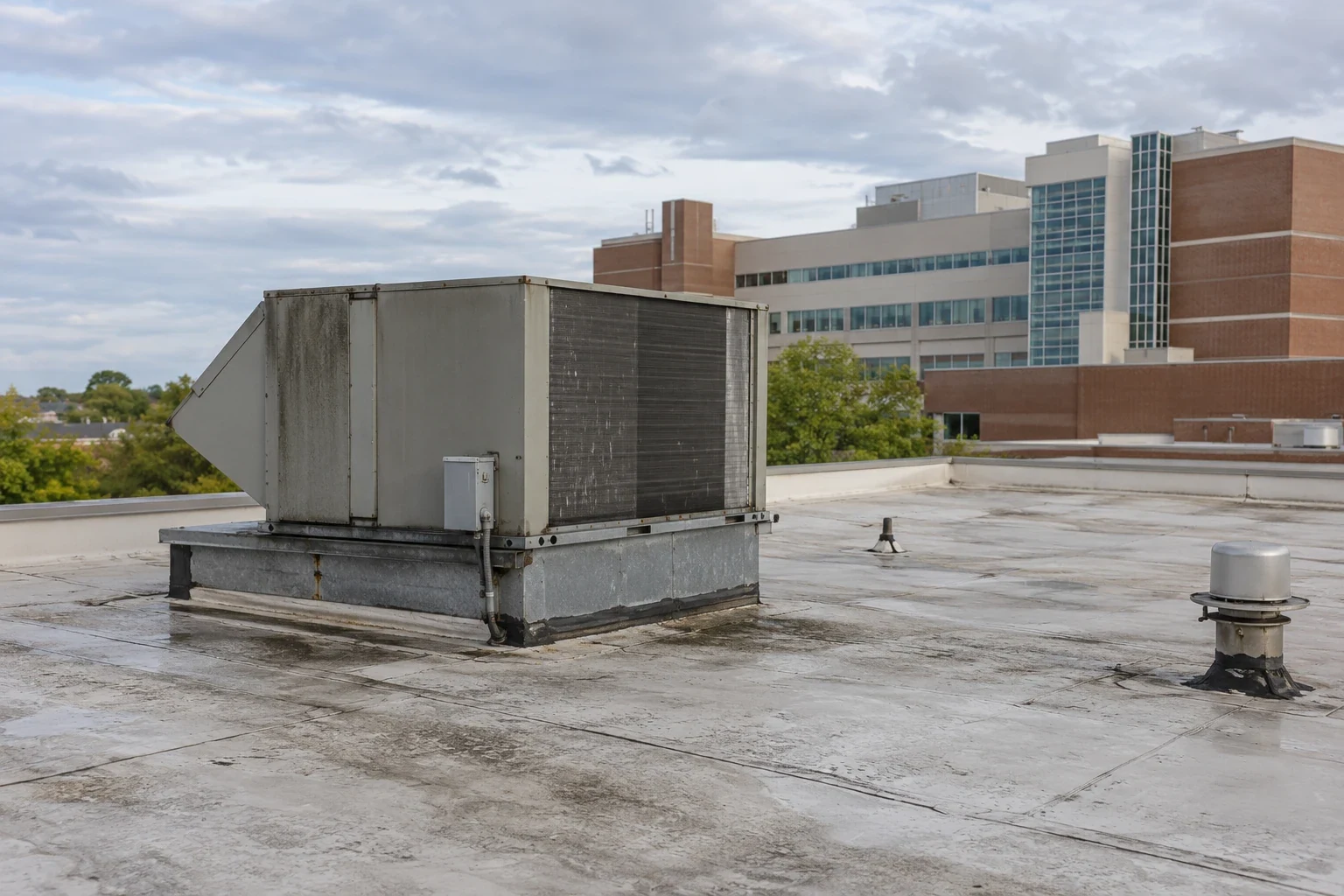
Property Types We Roof from Commercial Roofers Johns Creek.
We begin with active leaks and any roof condition that threatens stock, electrical service, or shipping operations. A roof plan lets the site contact connect an interior report to a drain path, seam, penetration, or previous patch overhead. Water can travel under the membrane before appearing inside, so the source may be away from the visible stain. We photograph the suspected entry and mark any area that still needs testing before repair quantities are set.
Distribution buildings may include dock offices, conveyor equipment, rooftop units, skylights, and later additions. We confirm which roof zone serves each space and where access is safe. The commercial roof inspection can establish a baseline, and an emergency leak response can protect active areas while a permanent scope is prepared. The immediate measure and the lasting correction stay separate in the work record.
How do drains affect a distribution roof?
Drainage should be checked before crews plan membrane work. We inspect roof drains, scuppers, overflows, gutters, and the low points leading to them. A blocked strainer may need clearing; a misplaced drain bowl, uneven deck, or undersized route may need a larger correction. If standing water remains, the scope identifies its location and the next step rather than describing the roof as corrected after a surface patch.
Atlanta normals show rain in every month, so clogged outlets can interrupt work in any season. A distribution center also has to manage water where it leaves the roof, particularly near dock aprons and pedestrian doors. The property contact can point out sensitive areas and traffic windows before discharge or temporary routing changes. We coordinate a drain and overflow inspection with the membrane plan and keep open exits visible while the crew is on the roof.
How can operations continue during repairs?
We confirm truck arrivals, receiving hours, roof access, lift routes, material staging, and equipment shutdowns before setting the crew sequence. Daily work is divided into sections that can be opened, repaired, and dried in before the team moves elsewhere. If an interior zone needs protection, we agree on the area and the contact who can restrict access below. This keeps roof work connected to the operating schedule instead of relying on a broad start and finish date.
Suwanee's business geography includes high-tech and distribution uses along the Peachtree Industrial Boulevard corridor, and Suwanee Gateway surrounds I-85 Exit 111. Those district facts help explain why logistics access may be an operational factor, but the actual receiving calendar belongs to the facility. We prepare a phased roof work plan that lists noisy tasks, delivery staging, temporary protection, and the daily dry-in limit. The manager can review that sequence with dispatch and warehouse staff before mobilization.
When is a repair enough?
Repair is usually considered when the failure is defined and adjacent material can hold a compatible correction. We remove failed membrane only within the approved boundary, inspect the substrate, and rebuild seams or flashing details. A test cut may be needed if insulation moisture or deck damage could change the scope. If surrounding material is wet or loose, a narrow patch can leave an active defect behind it. We document what is confirmed and where evidence stops.
Where leaks recur in multiple zones, a larger repair or replacement review may be more useful than repeated emergency visits. Suwanee Gateway's industrial concentration includes mostly industrial space along with office and retail inventory, but those area figures do not describe the roof or building condition at a specific site. We inspect the individual assembly. Compare the maintenance needs of a warehouse roof with a manufacturing plant when one owner manages distinct facility types, since equipment and interruption limits can differ.
What should follow severe weather?
After damaging wind, hail, or a tornado warning, we inspect rather than presume damage. The roof survey looks for lifted edges, punctures, displaced equipment, torn flashings, and new leak paths. We record the date, roof zones reached, photographs, and any area where access was limited. If inventory protection is urgent, temporary measures are noted separately from the permanent repair recommendation.
Atlanta climate normals include many hot days, which can narrow safe periods on exposed roofs. The weather window also affects adhesives, welds, and protection for open areas. We check actual surface conditions and forecast before setting how much work can be completed. A storm damage inspection can record observed conditions for the owner to review with other parties, with prior maintenance defects listed separately. No alert or regional report substitutes for findings at the building.
What should the distribution team retain?
Closeout should map the repaired area, identify materials and transitions, show photographs, and list any excluded zone or follow-up test. The operations contact needs to know which roof access points remain restricted and whether another trade must finish a curb, duct, or equipment change. Dated records support later decisions when a leak returns or a new conveyor penetration is proposed.
Send the roof plan, receiving hours, leak reports, equipment access limits, and decision timeline. We will trace the problem, coordinate the work window, and document the scope by roof zone. A roof condition report can support asset planning. Owners with facilities in Suwanee Gateway can align nearby inspections while keeping each roof's findings and repair quantities separate.
Commercial Roofing Questions
Can roof work be limited to nights at a distribution center?
The site may use night or off-peak work windows where access, lighting, staffing, noise, and material handling allow. We coordinate the sequence with operations and still need a safe dry-in period. The written schedule identifies the area affected and the daily stop point.
How do you protect goods beneath an active roof repair?
We locate the work above the interior use, agree on restricted areas if needed, and install temporary protection before opening the roof. The facility contact identifies sensitive inventory or equipment. If weather changes, the crew secures the exposed section before leaving it.
What should the roof survey show for a distribution building?
The report should map roof zones, reported leak locations, drains, seams, equipment, prior repairs, and test openings. We note the access limits and distinguish confirmed conditions from suspected moisture. That map helps the facility compare repair quantities with its operational priorities.
Can a single drain problem cause water over a wide area?
Water may pond or travel across a large roof zone when an outlet is blocked or the deck has low areas. We inspect the flow path and check whether the cause is debris, elevation, or structural movement. A drain correction and a membrane repair may be separate work items.
What if a leak continues after an emergency patch?
We return to the roof and inspect the temporary repair, nearby seams, and upstream details. The original opening may not be the only entry point, and a patch does not confirm that insulation below is dry. The follow-up record identifies testing or a broader correction if needed.
Back to Property Types We Roof, or request a roof assessment and call 555-555-5555.