Commercial roofing in Johns Creek, GA
Repairs, replacement and maintenance
Commercial Roof Capital Planning in Johns Creek, GA
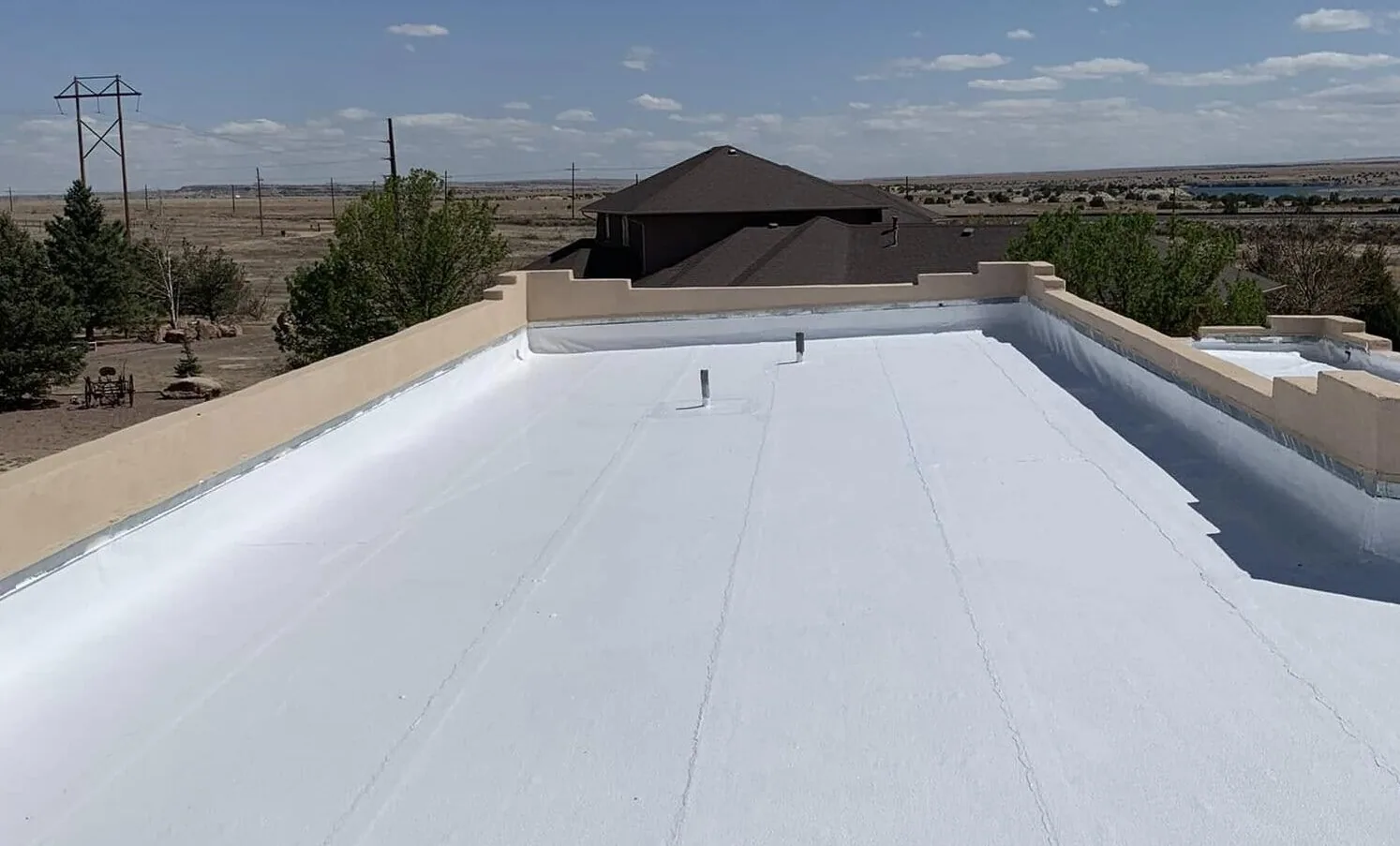
Capital planning for commercial roofs in Johns Creek, GA, using documented conditions, repair options, timing assumptions, and building-level budgets.
Do you need to budget for a roof repair, a larger renewal, or more testing before setting a project year? Roof capital planning organizes confirmed condition and open questions into a decision record for each building. We document the inspection basis and describe options with their assumptions, so a portfolio budget can distinguish verified work from an early planning allowance. Johns Creek's Technology Park includes nearly six million square feet of office and industrial property, while the Town Center plan covers a 192-acre redevelopment area. Each asset still requires its own scope.
What evidence should support a roof budget?
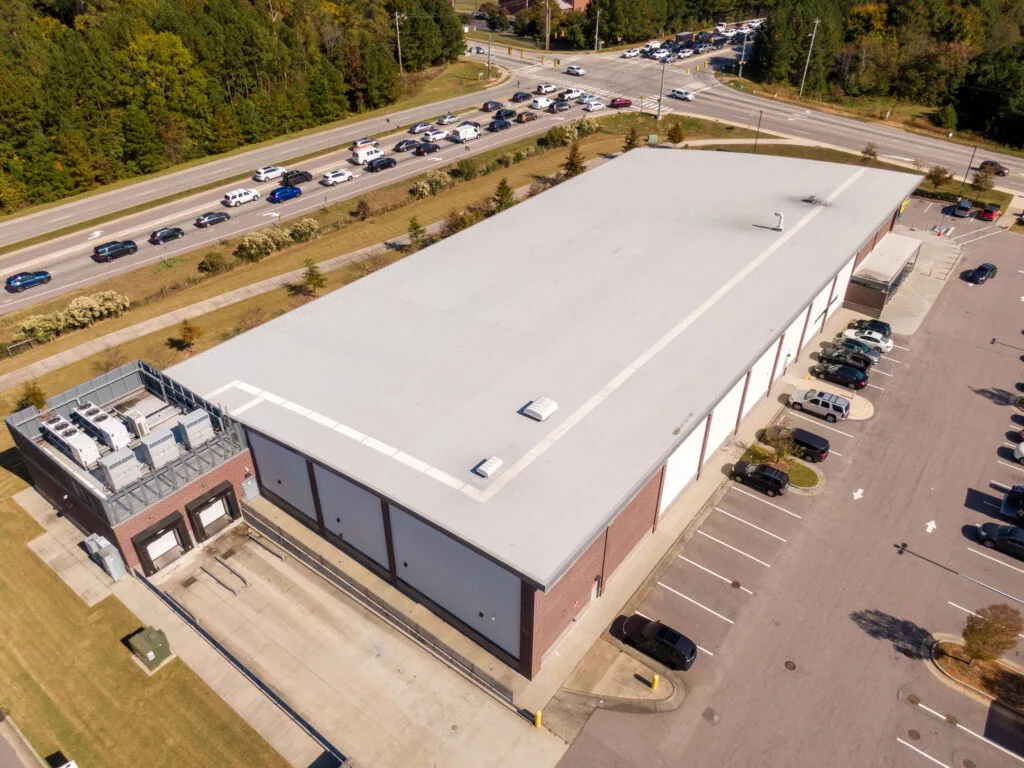
Roofing Capabilities from Commercial Roofers Johns Creek.
Start with current roof plans, prior repair records, warranty documents, service calls, known leaks, and the last inspection date. We compare the record with visible roof conditions and identify where more testing would change a repair or replacement decision. The report separates measured quantities from allowances and states whether areas were inaccessible. A planning number without those limits can look more certain than the available evidence supports.
A commercial roof inspection can describe current conditions, and a written condition file can retain photos and testing limits. Where moisture is suspected, an infrared moisture survey can help prioritize locations for confirmation. The budget record should note the additional test, its purpose, and the decision it may resolve. Do not assign a replacement year solely from an undocumented age estimate.
Atlanta's 1991-2020 climate normals record precipitation throughout the year, and local facility teams may report leaks in different seasons. For capital planning, compare the date and location of each report with completed repairs and roof zones inspected. North and central Georgia also experience damaging thunderstorm winds and hail, which can prompt event inspections. The event date is context, not evidence of roof damage until the site has been reviewed.
Johns Creek includes different commercial settings, from the mixed office, retail, and industrial campus in Technology Park to active shopping properties near Medlock Crossing. A common budget format can help compare these assets, but it should not assume the same assembly, access, or operating requirements. Record each property's system when known and flag any asset where field verification is still needed.
How should repair and replacement options be compared?
For each roof, distinguish a localized repair, a broader repair, and replacement only when the inspection supports those options. Describe the work boundary, materials, access, disposal, interior protection, testing, and concealed-condition assumptions. If a repair can extend useful service but leaves other sections outside scope, list those limits. If replacement is considered, identify the roof areas and transitions that drive the option rather than using a general condition label.
A commercial roof repair estimate may address a defined defect. A separate replacement review can evaluate broader deterioration, wet insulation, or repeated failures. If a test opening is needed, show whether it is included in the budget or planned before final pricing. The owner can then compare cost ranges on a consistent basis and understand which assumptions remain open.
Budget alternatives should name the decision date, planned procurement, expected access window, and any building operations that limit sequencing. A roof over a clinic, school, warehouse, or occupied office may require phasing and interior safeguards that affect cost. The estimate should identify those project conditions rather than assume an empty building. If multiple options use different phasing, show the schedule basis with each one.
A useful capital file also records what is excluded. A repair estimate may not include structural work, mechanical replacement, wall reconstruction, or interior restoration unless those tasks are expressly listed. If another contractor owns an interface, identify the handoff and timing. A budget should not silently combine scopes that different teams control.
How can a portfolio prioritize roof projects?
Sort work by evidence, water exposure, safety or operational impact, testing need, and the time required to prepare a project. Keep the basis for a priority visible. One roof may have a confirmed localized leak above a critical room; another may need a test opening before the owner can decide. The two may appear in the same year's planning table, but their certainty and next actions differ.
Johns Creek reports around 200 companies and nearly 11,000 workers within Technology Park. That concentration can create shared inspection logistics for owners with several nearby facilities, but it does not make their roof conditions the same. A roof asset management register can track the building, roof zone, inspection date, and next decision. A multi-site roof program can coordinate access while leaving each building's cost and findings distinct.
If an owner has property near Technology Park Johns Creek, plan access with the site contact and preserve the building identifier in every quote. For a wider portfolio across Alpharetta, Suwanee, and Roswell, a regional schedule may reduce repeated mobilization, but group visits only when the access window and scope permit. The budget should still show the amount assigned to each asset.
Review the plan when new testing, a leak, a completed repair, or a change in occupancy alters the evidence. Preserve the previous assumption and note why the year or amount changed. This makes the plan useful to finance and facilities staff, especially when a deferred project moves into the current budget.
What affects a realistic project year?
Roof size, material lead time, procurement rules, local permitting, weather windows, access restrictions, and the condition of adjacent equipment all affect timing. We state which of those items were included in the planning basis. If the roof needs design or test openings before bidding, show that as an earlier task. A budget year should not be treated as a field schedule until the owner confirms scope, funding, and access.
Georgia's mandatory state minimum codes include the 2024 International Building Code with state amendments, and local building officials confirm applicable dates and provisions for projects. For a larger alteration, the owner should consult the official about permit requirements and project applicability. The planning document can flag code review as a due diligence item without claiming a proposed repair meets every requirement.
Johns Creek Town Center is planned as a mixed-use redevelopment across an existing business park. Property changes in an active district may affect access, tenancy, or project timing, but each roof capital decision depends on the building under review. The city location can help organize a service visit; the property owner and project team establish the work year and scope.
What should a capital plan deliver?
A useful deliverable includes the building list, roof area, current condition basis, photo record, recommended next action, planning range or estimate, assumptions, exclusions, and review date. Mark where information is unknown. Retain repair history and any test that remains open. If the owner approves only part of the recommendation, record the authorized boundary and keep the deferred work visible for later review.
For buildings in Johns Creek, send available roof plans, previous proposals, budget cycle, procurement requirements, and facility contacts. A real estate owner can use building-level options in an investment review, while a property management team can coordinate access and maintenance history.
Capital planning works best when the next action has an owner and a date. That may be a test opening, a bid request, a repair authorization, or a later condition review. The plan should make those steps clear so facility and finance teams can see how an estimate moves toward a project decision.
Commercial Roofing Questions
Can you set a roof replacement year from age alone?
Age is one input when documented, but condition, repair history, moisture, system details, and access affect the decision. We state what is known and identify any field work needed before assigning a planning assumption.
How should uncertain repair costs appear in a budget?
Separate measured work from allowances, state the condition that would trigger added work, and identify the test or approval that resolves it. Keep exclusions visible for other trades or interior work.
Can several roofs be included in one capital plan?
Yes. Use a shared comparison format while keeping each building's condition, scope, cost basis, and timing assumptions separate. A portfolio summary should point back to the individual record.
Is final project cost fixed by a planning estimate?
No. The estimate reflects its scope and assumptions. Testing, procurement, site conditions, and owner decisions can change the final work, so the planning basis should be reviewed before award.
Back to Roofing Capabilities, or request a roof assessment and call 555-555-5555.