Commercial roofing in Johns Creek, GA
Repairs, replacement and maintenance
Commercial Metal Roof Retrofit in Johns Creek, GA
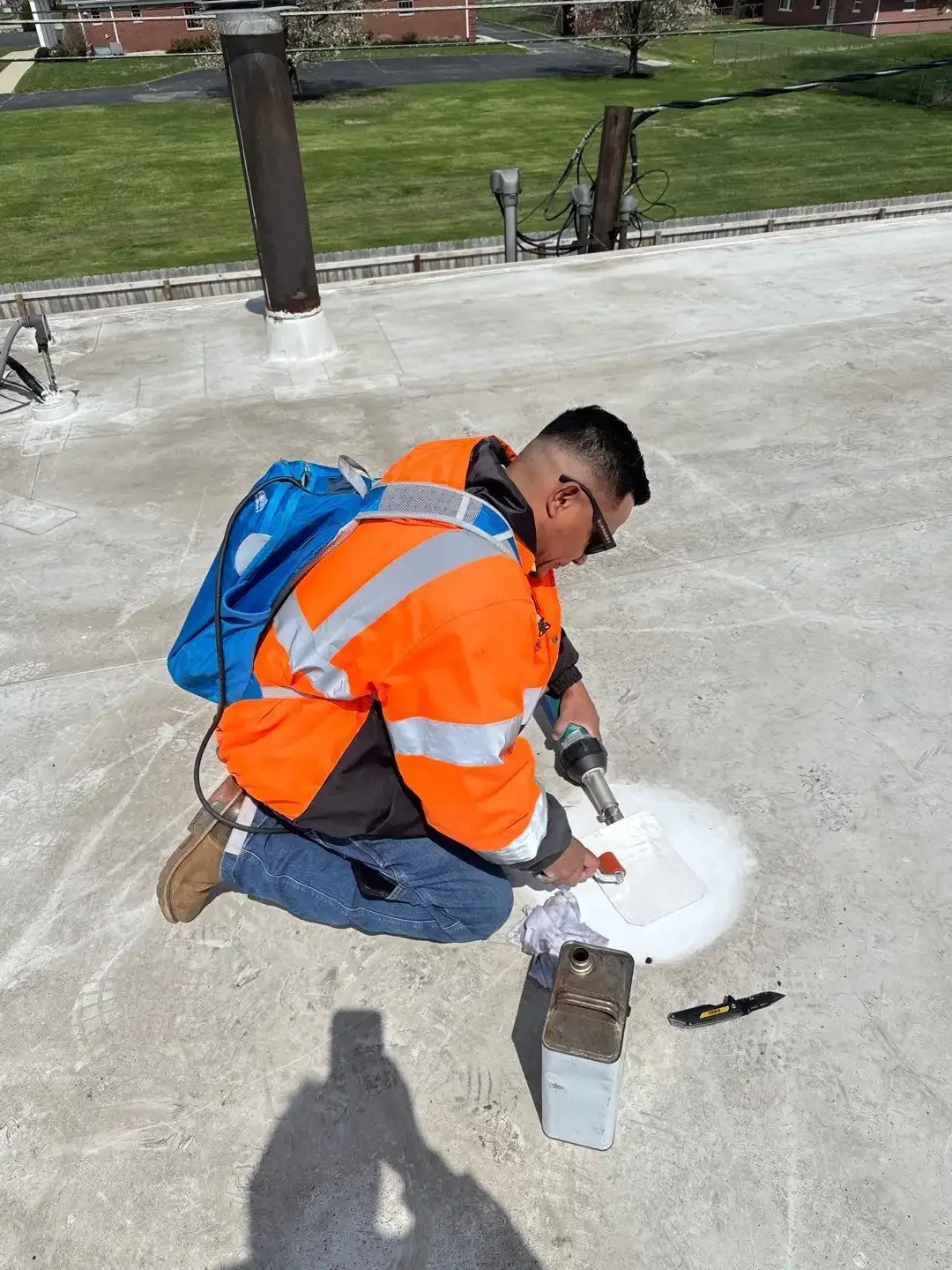
Evaluate an exposed-fastener metal roof in Johns Creek for panel condition, fastener failure, retrofit framing, drainage, and repair alternatives.
Are backed-out screws and worn washers limited to a few panels, or has water entry spread across the roof? Exposed-fastener metal roofs depend on fasteners, washers, panel laps, closures, and flashings that remain secure as the panels move. A retrofit can mean targeted fastener and detail work, a coating where the substrate qualifies, or a designed secondary roof system over existing panels. We inspect the existing roof and establish the option that fits its condition. Along the Peachtree Industrial Boulevard corridor, office, distribution, and light-industrial sites have varied roof geometry, access, and operations that must be checked building by building.
What has failed at the fasteners?
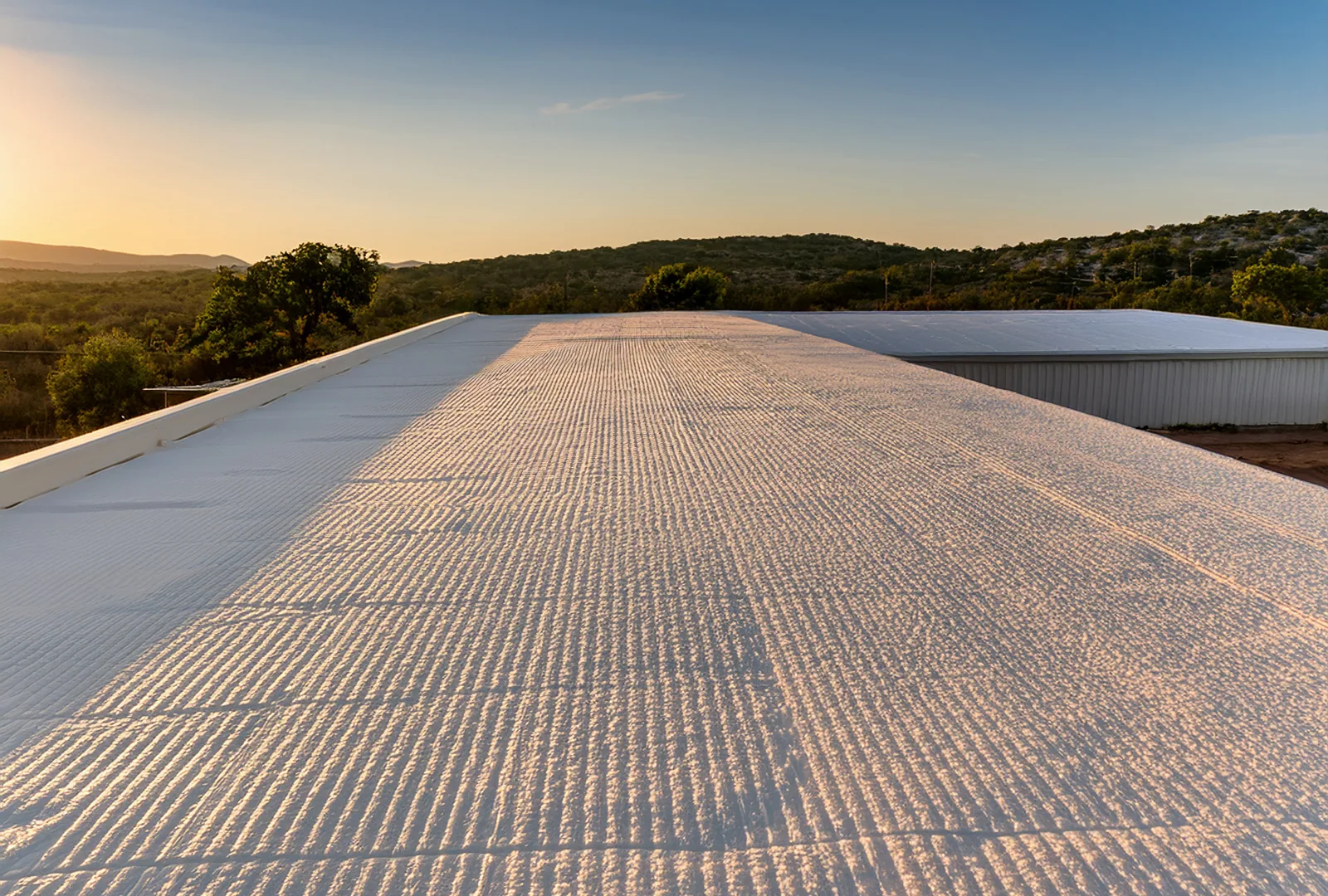
Roof Systems from Commercial Roofers Johns Creek.
We inspect for loose or missing screws, compressed or split washers, corrosion, enlarged holes, and fasteners that were installed at an angle. Repeated movement can widen a hole and reduce the washer's ability to seal. Driving a replacement screw into damaged metal may not provide a durable connection. The repair plan should identify whether each fastener can be reset, needs a larger approved fastener, or requires a panel repair or replacement. We look at side laps and end laps too, because a leak can travel away from its entry point.
Panel profile, metal thickness, substrate, and attachment requirements affect the repair. We map representative conditions and photograph the failed points before covering them. For a broader view, the commercial roof inspection records panel, fastener, and flashing findings. A standing-seam assembly works differently because its raised joints and concealed clips manage attachment and movement; owners can compare a standing-seam option if the existing exposed-fastener roof is at the end of its serviceable life.
Which retrofit path is appropriate?
Targeted repair may suit isolated loose fasteners, failed closures, or localized panel damage. A coating may be considered for a compatible, structurally sound metal surface after cleaning, corrosion treatment, detail repair, and adhesion review. It cannot restore metal that has corroded through or secure a failing panel attachment. A structural over-roof system can add a new roof plane, but it requires design review of framing, loads, attachment, drainage, insulation, and perimeter height. Each option has different costs, access needs, and disruption.
We explain what remains in place and what is removed. For a coating scope, a roof coating evaluation identifies preparation and exclusions. For a secondary system, the proposal states the support layout, new panel type, drainage path, curbs, and tie-in details. An engineered standing-seam system may be selected for a new roof plane when the design and project requirements fit; it should not be assumed as a direct overlay on every existing metal roof.
What happens to insulation and condensation?
Some retrofit work leaves the existing panels in place, which means concealed moisture, corrosion, or damaged insulation can remain unless the plan addresses it. We inspect interior conditions where access allows and review roof penetrations, eave details, and ventilation. Test openings may be needed to see the deck or insulation. A new system needs a clear approach to condensation control, thermal performance, and drainage rather than a layer added solely to hide an old leak.
Atlanta climate normals report precipitation in every month and overnight lows at or below freezing on about 36 days each year. Those are station averages; current roof and surface conditions still control work. The specific roof assembly and indoor use matter more than a generic climate label. We confirm whether the building is conditioned, where vapor control belongs, and how the retrofit changes the thermal boundary. Atlanta climate normals show rainfall in every month, so the new water path must be checked at eaves, gutters, valleys, and penetrations. If wet insulation is confirmed, the removal area is mapped and approved before the roof is closed.
Will a retrofit change the water path?
A secondary roof plane raises the finished height and can change the slope to gutters, scuppers, and valleys. We compare existing eave elevations, roof length, panel ribs, and outlet capacity with the proposed framing. Wall transitions, doors, equipment curbs, and parapets may need extensions or new flashings. A new roof should not bury an outlet or direct runoff behind the original gutter. Drawings and field measurements should agree before material is fabricated.
Peachtree Corners has a large technology and distribution presence, and the adjacent commercial corridors include active logistics uses. For facilities in this business area, delivery movements and equipment uptime may shape installation phasing, while the roof design remains specific to each structure. We confirm loading, crane access, staging, interior protection, and the hours when noisy work can take place. A roof section is not opened until its dry-in plan is agreed and the crew can complete the tie-in within the work window.
Can repairs extend the existing roof's use?
Repair is reasonable when panels, substrate, and attachment remain sound enough to accept specific corrections. We replace failed fasteners and washers with compatible components, renew closures, rebuild flashings, and address corrosion within the defined area. If the metal has lost section, the connection is torn, or leaks recur across many seams, repeat patching may spend money without correcting the system-wide issue. The inspection report should distinguish isolated conditions from a pattern that supports retrofit design.
Severe thunderstorm wind and large hail occur in north and central Georgia. After a storm, we document actual lifted edges, punctures, loose trim, and new water entry. A warning does not establish that the roof needs an over-roof. For damage near Peachtree Industrial and Jimmy Carter Boulevard, the broader Norcross employment area includes light-industrial and flex uses; the property survey still confirms its panel system and repair needs. A wind-damage inspection can record observed movement separately from prior wear.
How should a retrofit be documented?
The project record should include existing roof observations, test openings, fastener repairs, corrosion treatment, support or clip layout, new materials, and photos at each tie-in. Where the new roof sits above old panels, record the remaining assembly and any inaccessible areas. The owner should have maintenance directions for gutters, sealant details, panel connections, and later equipment penetrations. A future technician needs to know where the original roof ends and the retrofit begins.
Share the roof plan, panel profile if known, leak history, structural drawings, access limits, and business schedule. We will inspect the metal, confirm whether targeted repairs or a design-led retrofit is appropriate, and document the assumptions that affect scope. A roof condition record can support planning across sites, while our Suwanee service area includes nearby commercial properties for coordinated inspection.
Commercial Roofing Questions
Can I just replace the screws on an exposed-fastener roof?
New screws can help where the panel and substrate remain sound and the old holes can be properly addressed. If holes have enlarged or metal has deteriorated, a larger screw alone may not restore the connection. We inspect representative fasteners and set a repair boundary before pricing the work.
Does a metal roof retrofit always mean a new roof over the old one?
No. The term can describe targeted repairs or a designed secondary system, depending on the project. We state what remains, what is replaced, and how the new water path works. Structural, drainage, and moisture reviews are needed before an over-roof can be specified.
Can coating solve rust on a metal roof?
Coating can protect properly prepared surfaces where the metal retains sufficient integrity. It cannot replace corroded-through panel steel or repair an unstable fastener connection. We identify corrosion limits, preparation steps, and excluded areas before proposing coating.
Will an over-roof add weight to the building?
Any retrofit adds materials and may change structural loading. The design needs to account for the existing roof, proposed framing, panels, insulation, and project code requirements. We do not specify an over-roof without the necessary structural review and attachment criteria.
How does a retrofit handle old leaks?
We trace known leak paths and inspect the old panels, laps, penetrations, and interior where accessible. The plan states which conditions are repaired or removed before new materials cover them. Concealed areas that cannot be verified are listed as limitations or test locations.
Back to Roof Systems, or request a roof assessment and call 555-555-5555.