
Commercial roofing in Johns Creek, GA
Repairs, replacement and maintenance
Commercial Roofing in Avalon and Downtown Alpharetta, Alpharetta, GA

Commercial roof inspections and repair planning at Avalon and Downtown Alpharetta, with tenant, event, and property-specific work coordination.
Is the roof issue at Avalon, Historic Downtown Alpharetta, or another property in the city center? Avalon combines retail, dining, residential uses, hotel accommodation, and public gathering space. Downtown has shops, restaurants, galleries, recurring events, and a city overlay that encourages redevelopment. That mix makes access and work timing property-specific. We identify the building, inspect the reported roof zone, and document the limits before discussing repairs.
What should be arranged before an inspection?
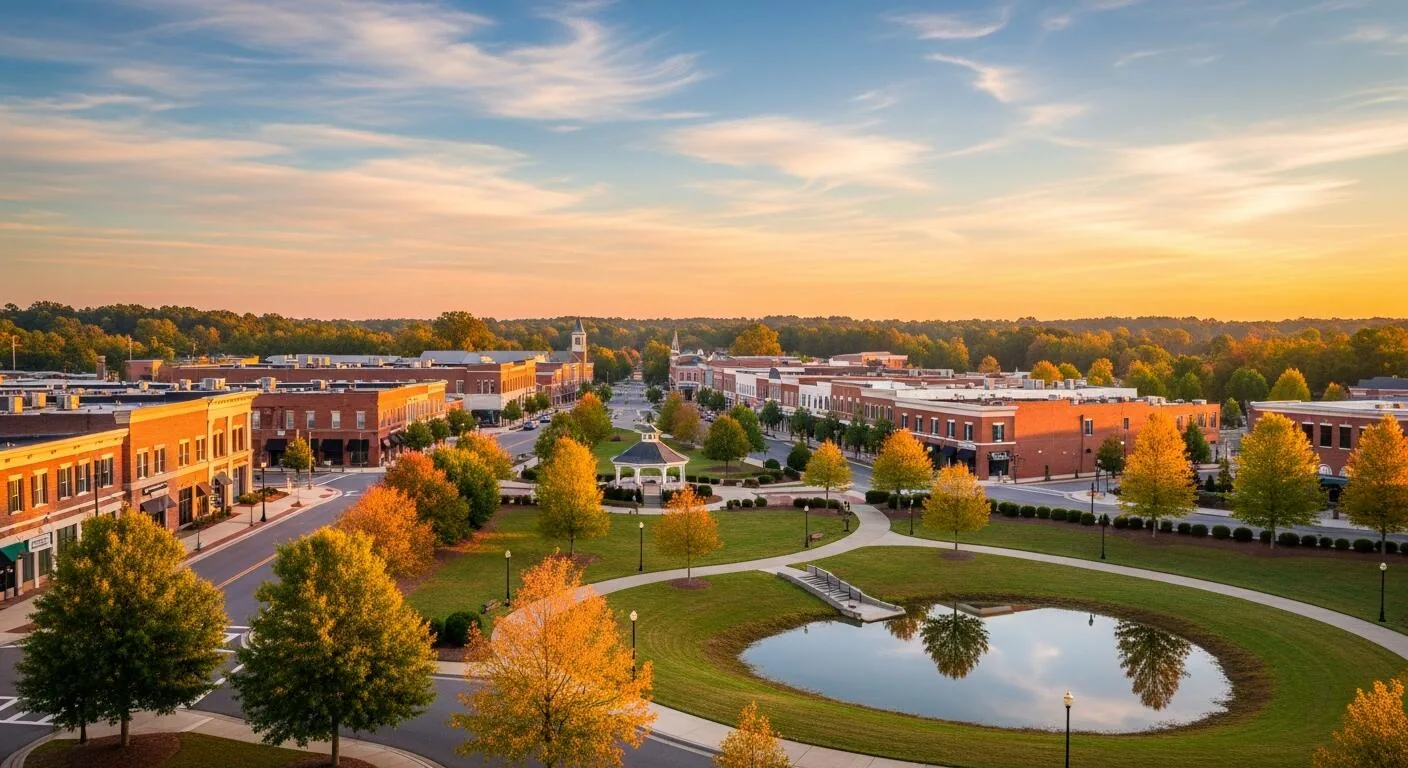
Service Areas from Commercial Roofers Johns Creek.
Provide the property name, roof plan, affected room or tenant, reported leak date, access contact, and recent mechanical or renovation work. Confirm roof hatch access, loading, public routes, lift placement, event dates, and noise restrictions. Avalon and Downtown Alpharetta are distinct commercial settings; a work plan for one does not automatically fit the other.
Trace the reported condition from inside to the likely roof detail. Check seams, skylights, wall transitions, equipment curbs, drains, edge metal, and previous patches. The visible stain may not line up with the opening. Photograph the detail and its roof-zone location. A commercial roof inspection can capture direct observations, test limits, and follow-up needs instead of treating a tenant report as a confirmed roof defect.
At a property with lodging or residential uses, ask management which areas need uninterrupted access and who handles notices. For dining or event space, coordinate deliveries, exhaust operation, customer paths, and any scheduled gathering. The property contact should identify the authorized person for equipment shutdown and roof opening approval. Those handoffs should be written into the scope before materials are staged.
Downtown Alpharetta's redevelopment overlay encourages investment in the historic commercial center. Tenant changes or construction can affect access; confirm current work at the specific building before setting the roof schedule. If a project is active, confirm approved drawings, existing conditions, and which contractor owns each roof transition before scheduling a repair.
Which roof conditions should be recorded?
Inspect the field membrane or metal, seams, flashing, drains, curbs, parapets, skylights, and penetrations around the reported area. Note whether a seam is open, metal is displaced, a drain is obstructed, or an earlier patch has separated. Record each item by roof section rather than grouping unrelated details in one finding. If an area is blocked by equipment or unsafe to reach, say so.
Identify the system and layers where records or tests support the description. TPO and PVC welds, EPDM seams, metal panel laps, and modified-bitumen surfacing need different repair methods. If a product is unknown, review the closeout file or test a representative detail before selecting materials. Where moisture could change the repair area, an infrared survey can help prioritize direct verification and should include its limits.
North and central Georgia's severe-weather record includes hail, damaging wind, and tornadoes. A post-storm inspection should examine perimeter details, corners, rooftop equipment, and fresh interior reports. A weather alert is not a condition report for Avalon or downtown. Record the date supplied by the property and connect each recommendation to an observed change, keeping ordinary maintenance separate.
Atlanta climate normals include precipitation in every month and frequent summer heat. The figures describe Atlanta station data, not a roof measurement at Avalon. Check actual substrate conditions and product requirements before coating, welding, or adhering new material. Work should stop at a dry-in point that can be protected if a shower or unsafe surface condition interrupts the shift.
How can the owner compare repair options?
A local repair can work when the defect is confirmed, surrounding materials remain sound, and a compatible tie-in is available. Specify the preparation, material, seam or flashing method, test, work area, and closeout photos. If removal may uncover wet insulation or deck damage, state the stop point and request approval before extending the scope. Keep the repair boundary tied to the evidence.
Repeated reports, widespread seam weakness, or moisture in several roof zones may justify a broader review. A commercial repair estimate should list confirmed defects. A replacement assessment should examine deck, layers, insulation, drainage, equipment, perimeter details, access, and daily protection. Compare options using the same building areas, exclusions, and testing assumptions.
Recover or coating work needs a suitable substrate, known layer count, moisture review, attachment or adhesion check, and enough height at drains and curbs. At a mixed-use property, confirm the roof surface above and below each transition before concluding the same system extends over residential, hospitality, and retail areas. The report should identify each zone and any test needed to verify its construction.
Occupied work can be split by roof section and scheduled around guest access, resident routes, business hours, and public events. A phased occupied-building plan can define the daily open area, tenant notice, lift path, noise window, and weather-tight handback. If a property uses common areas, management should approve barriers and the time those routes will be restored.
What changes the work window in these districts?
Property events, restaurant deliveries, guest check-in periods, and public gathering schedules can affect access. Ask the site contact to identify which entrance, terrace, service route, or parking area must stay available. Set debris handling and lift placement before a crew is dispatched. If an event is added or moved, revise the approved work window rather than continuing from an outdated calendar.
Avalon is a mixed-use destination that includes public gathering space, while Downtown Alpharetta has recurring community events. The area description does not establish event dates for a particular property. Confirm active dates directly with management and show any no-work period in the roofing plan. If the building remains occupied, specify how the roof is protected during non-working hours.
Other Alpharetta activity centers include Windward Parkway and North Point and GA 400. Their retail or office access arrangements should not be assumed for Avalon or downtown. Each site needs its own tenant contact, loading plan, building identifier, and roof records.
When another contractor touches an exhaust, sign, curb, or rooftop unit, identify who isolates it, who restores the roofing transition, and who inspects the completed detail. These responsibilities should be assigned before material is removed. A later leak report can then be compared with the documented handoff instead of relying on an uncertain memory of which trade was present.
What should be included in the closeout?
Keep the roof plan, system identification, inspection photos, tests, approved scope, material records, access limits, and completion details together. Identify any area left uninspected and whether a temporary measure remains. Retain the issued warranty and any review requirements if the work affects system terms.
A roof condition report can tie field photos to the specific roof zone and separate confirmed conditions from open questions. For assets across the city, a roof register can track future inspections, but each property's repair history and product file should stay distinct.
Send the property name, roof plan, reported leak, access instructions, event or tenant restrictions, recent work, and decision timeline to arrange a review. We can document the condition and identify whether a test, repair, or broader evaluation fits the evidence.
Commercial Roofing Questions
What should management send before roof work at Avalon?
Provide the building and roof plan, affected tenant or area, event calendar, loading instructions, access contact, and recent mechanical work. Note any guest, resident, or public route that must remain open.
Can roof repairs be scheduled around Downtown Alpharetta events?
Yes, when the property contact confirms event dates, access restrictions, noise periods, and material routes. The plan should identify a weather-tight stopping point and how public access is restored after each shift.
Does mixed-use development mean the roof is one continuous system?
No. Retail, dining, hotel, residential, and office areas may have different transitions or work histories. Inspect and document each roof zone before extending a repair recommendation across a building.
How do we know whether to repair or replace?
Confirm the system, failures, moisture, deck, drainage, and tie-in options. A limited defect may support repair; repeated or widespread failure can justify comparing larger work with the same roof zones and exclusions.
Back to Service Areas, or request a roof assessment and call 555-555-5555.