Commercial roofing in Johns Creek, GA
Repairs, replacement and maintenance
Commercial Roof Insurance Claim Assistance in Johns Creek, GA
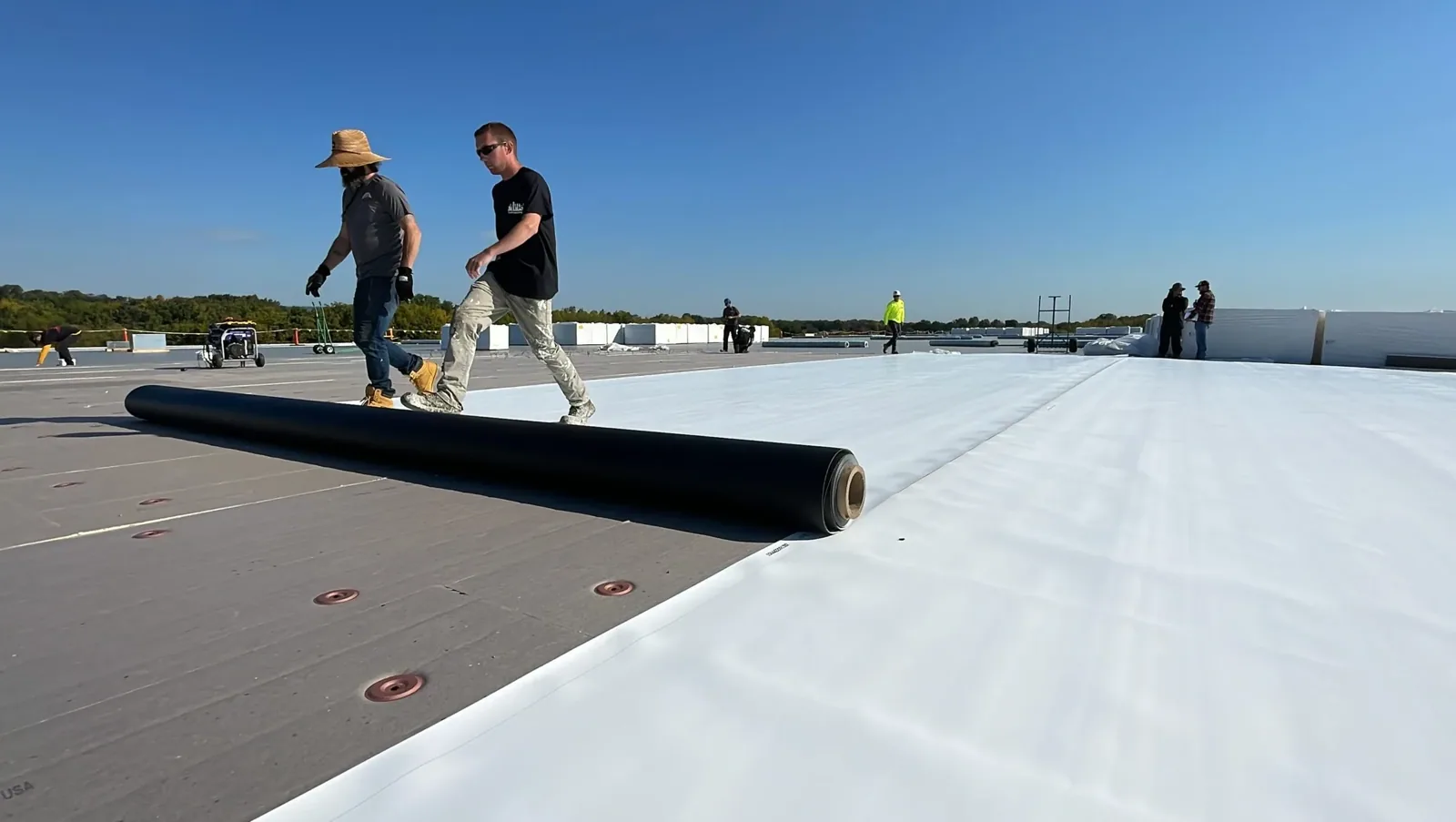
Organize commercial roof claim documentation in Johns Creek with dated photos, observed conditions, separate repair scopes, and a clear record of follow-up.
Does the roof record show what failed, where it is, and what the repair includes? We document visible conditions, photos, temporary protection, and proposed work so the property owner has a clear file to share with an insurer or other reviewer. The record separates observed storm-related conditions from earlier wear or items that could not be confirmed. In Johns Creek, offices, industrial buildings, retail properties, and healthcare facilities can have different access rules and loss exposures. A claim file should describe the specific roof and repair boundary, while leaving coverage decisions to the insurer.
What information belongs in the file?
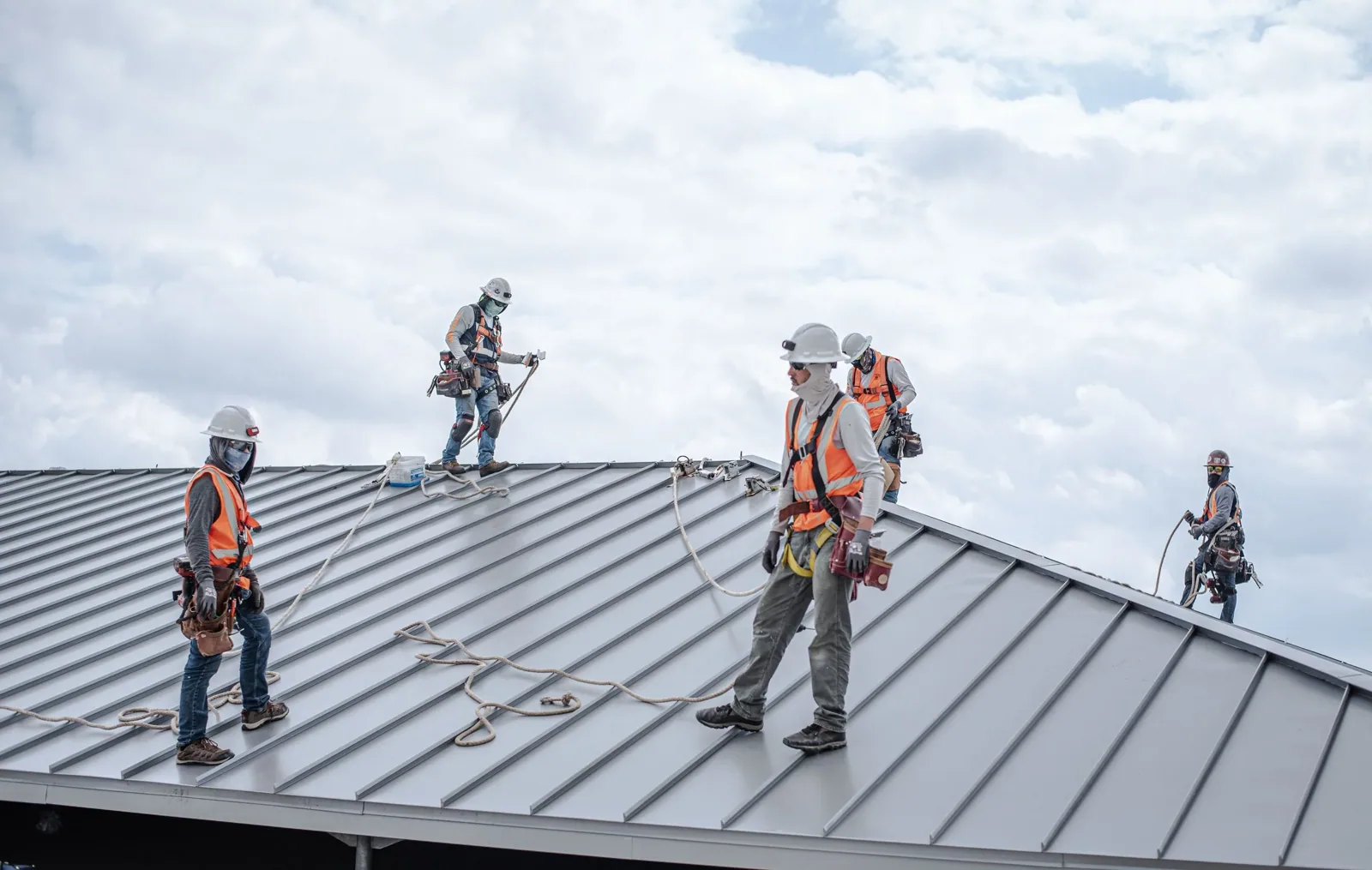
Commercial Roofing Services from Commercial Roofers Johns Creek.
We can record the inspection date, reported event, roof zones reached, visible damage, photos, test locations, temporary measures, and repair recommendations. The report should identify the detail in each image and say whether it was confirmed by hands-on review or remains a suspected condition. If a test cut shows wet insulation, the sample location and affected area belong in the record. If access or weather limited the inspection, that limit should also be clear.
A storm damage assessment can identify observed conditions and scope the related repairs. An inspection report can document general roof condition separately from storm findings. Keeping those records distinct helps the owner compare pre-existing maintenance needs with the work proposed after an event. We can also organize photos by roof plan, building, and zone so a reviewer can locate the item without relying on a caption alone.
How should repairs be described?
A repair proposal should name the damaged detail, compatible materials, preparation, access assumptions, and limits. It should distinguish a temporary cover from permanent work. If removal exposes moisture, deteriorated insulation, or deck damage, we document the added finding and provide a separate scope for approval. This creates a record of why the work changed, rather than leaving an unexplained difference between the first estimate and the final invoice.
We compare the observed condition with the recommended correction, not with a generic roof replacement description. If a localized flashing repair is supported by the evidence, the scope should say where it stops. If broad deterioration or multiple failed zones call for a larger plan, we identify those areas separately. A commercial roof repair or replacement estimate can be prepared with photos and quantities tied to the roof plan. The owner decides what to submit and which work to authorize.
What does local storm context establish?
North and central Georgia severe-weather patterns include damaging thunderstorm winds, large hail, and tornadoes. This regional climatology explains why a timely inspection may be useful. It does not establish that a particular building sustained damage or identify which party is responsible. We describe the roof condition we observed, connect it to the owner’s reported date when relevant, and avoid assigning a cause beyond the evidence.
Atlanta climate normals show precipitation in every month and frequent hot days. Rain can complicate a repair window; heat may affect safe rooftop access and material handling. We note actual weather and surface conditions when they change inspection or work. In Johns Creek, Technology Park Johns Creek includes commercial, industrial, office, and institutional uses. At a healthcare property near Peachtree Corners, building contacts may need to coordinate interior access and equipment concerns. We do not use area context as evidence of damage at an individual roof.
How does the claim review proceed?
The owner or authorized property contact shares the event date, reported leak locations, roof plan, prior repair history, and any insurer inspection schedule. We confirm roof access, interior access if needed, and whether temporary containment is already in place. If another consultant or adjuster will visit, the owner can coordinate a common inspection window. We record the observed condition and answer questions about the repair scope without making a coverage determination.
Some questions require a separate test or follow-up visit. An aerial view may show a broad roof pattern, while a test cut or hands-on opening may be needed to check insulation. A drone survey can provide overhead documentation where that view is useful; it does not replace contact inspection at a suspected failure. If water is active, emergency response can address immediate containment before a full scope is prepared. We keep each phase and its photos in the property record.
Which decisions stay with the owner?
Coverage, deductibles, deadlines, and settlement decisions depend on the policy and insurer review. The owner should rely on the policy and qualified insurance or legal professionals for those questions. We provide roofing observations and repair documentation. We do not promise that a claim will be accepted, that a payment will cover a specific scope, or that an insurer will agree with an estimate.
Our work can include a site inspection, written findings, photo organization, and a repair scope. If the roof has unrelated maintenance items, we show them separately so they are not confused with event damage. If a reviewer requests additional views or detail measurements, we can explain what we can document and coordinate access with the owner. The final file should leave the owner able to trace each repair recommendation to an observed roof condition and decide what to submit.
How should records be retained?
Keep the storm date, tenant reports, inspection notes, temporary response, estimates, approvals, and completed-work photos in one building record. We can provide a roof condition report with zone references and a concise work history. For properties with several buildings, a multi-site record can keep each asset separate while using a consistent format.
Healthcare and life sciences are important Johns Creek sectors, and Emory Johns Creek Hospital is a major campus in Technology Park. That institutional context can make access and equipment coordination part of a repair visit; the claim file still relates to the specific building and roof. Share the reported event, roof plan, prior repairs, access limits, and decision timeline. We will document the observed condition and prepare a repair scope the owner can review with the appropriate parties.
Commercial Roofing Questions
Who decides whether a roof claim is covered?
Coverage and payment decisions belong to the insurer under the policy. We document roof conditions and prepare a repair scope for the owner to share, but cannot predict the claim outcome.
Can you separate storm damage from maintenance items?
Our record can separate observed event-related conditions from unrelated maintenance or older defects when the evidence supports that distinction. Some causes cannot be determined from a visual inspection alone. The record identifies where testing or review is still needed.
What should we have ready before the inspection?
Provide the reported date, roof plan, leak locations, previous repair history, roof access instructions, and any insurer or consultant visit details. Let us know if an active leak needs immediate protection. We coordinate the site visit with the authorized contact.
Will you communicate directly with the insurer?
We can provide findings and repair documents for the owner to share, and coordinate a site visit when requested by the property contact. The property contact can schedule a joint site visit and send the resulting roof record with the submission. The owner remains responsible for claim forms and policy communication unless a separate authorization is provided.
What if new damage appears during repairs?
We stop at the approved work boundary, photograph the newly exposed condition, and explain the added scope before proceeding. If moisture or deck damage changes the repair, the owner receives a separate estimate and record of the finding.
Back to Commercial Roofing Services, or request a roof assessment and call 555-555-5555.