Commercial roofing in Johns Creek, GA
Repairs, replacement and maintenance
Commercial Rooftop Equipment Curbs and Supports in Johns Creek, GA
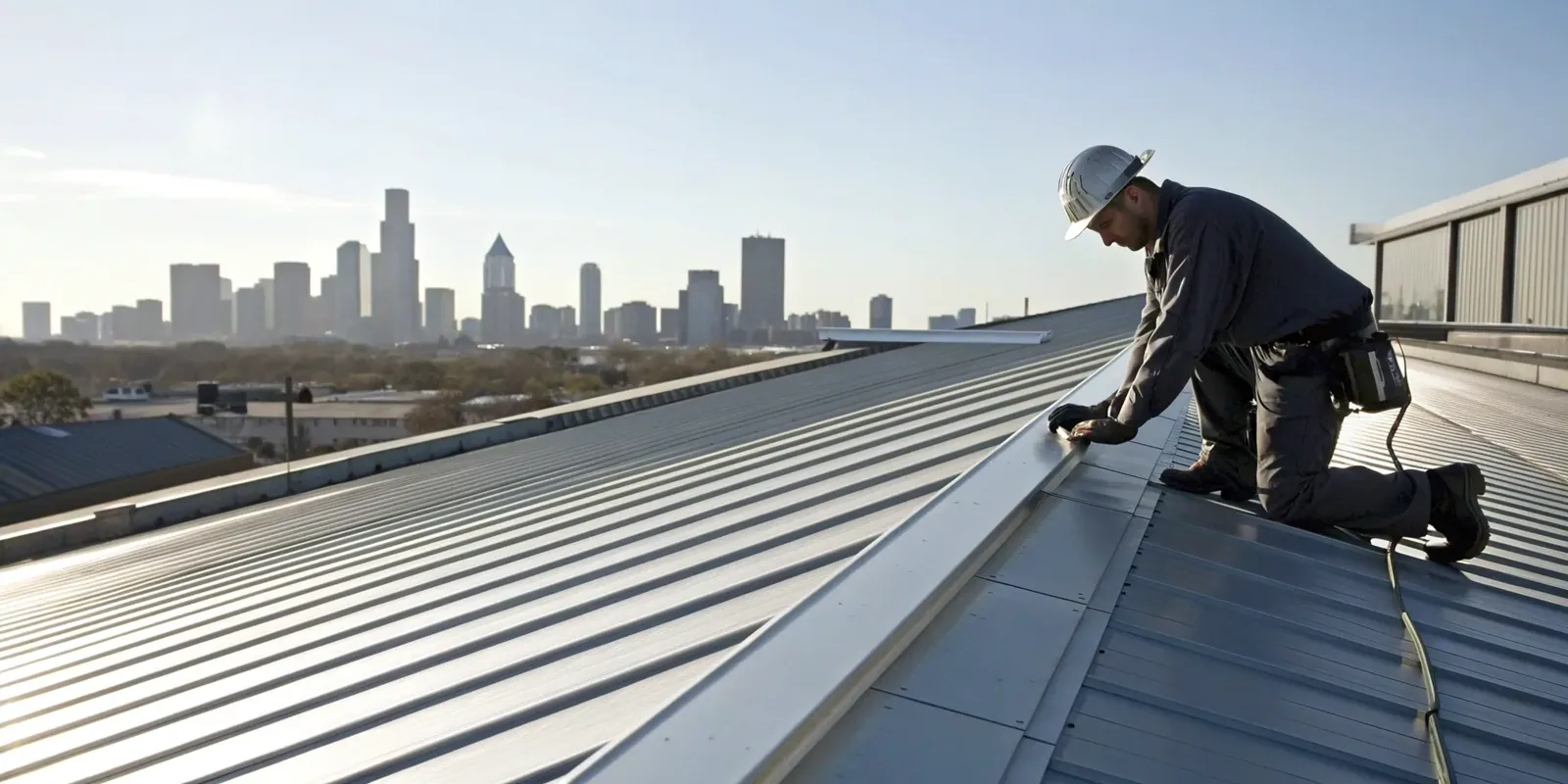
Inspect commercial rooftop curbs and supports in Johns Creek for flashing, movement, drainage, and access issues before equipment or roof work begins.
Is the curb moving, or has water separated the flashing around it? We inspect the support, curb face, membrane transition, fasteners, and nearby drain path before setting the repair boundary. A vibration complaint, rust streak, or ceiling stain can point to different conditions; each needs evidence from the roof and, when appropriate, the equipment contact. Johns Creek’s office, healthcare, industrial, and life-sciences buildings may have active rooftop systems that cannot be treated as incidental obstacles. The scope should state what roof work is included and what equipment coordination remains with another trade.
What is happening at the curb?
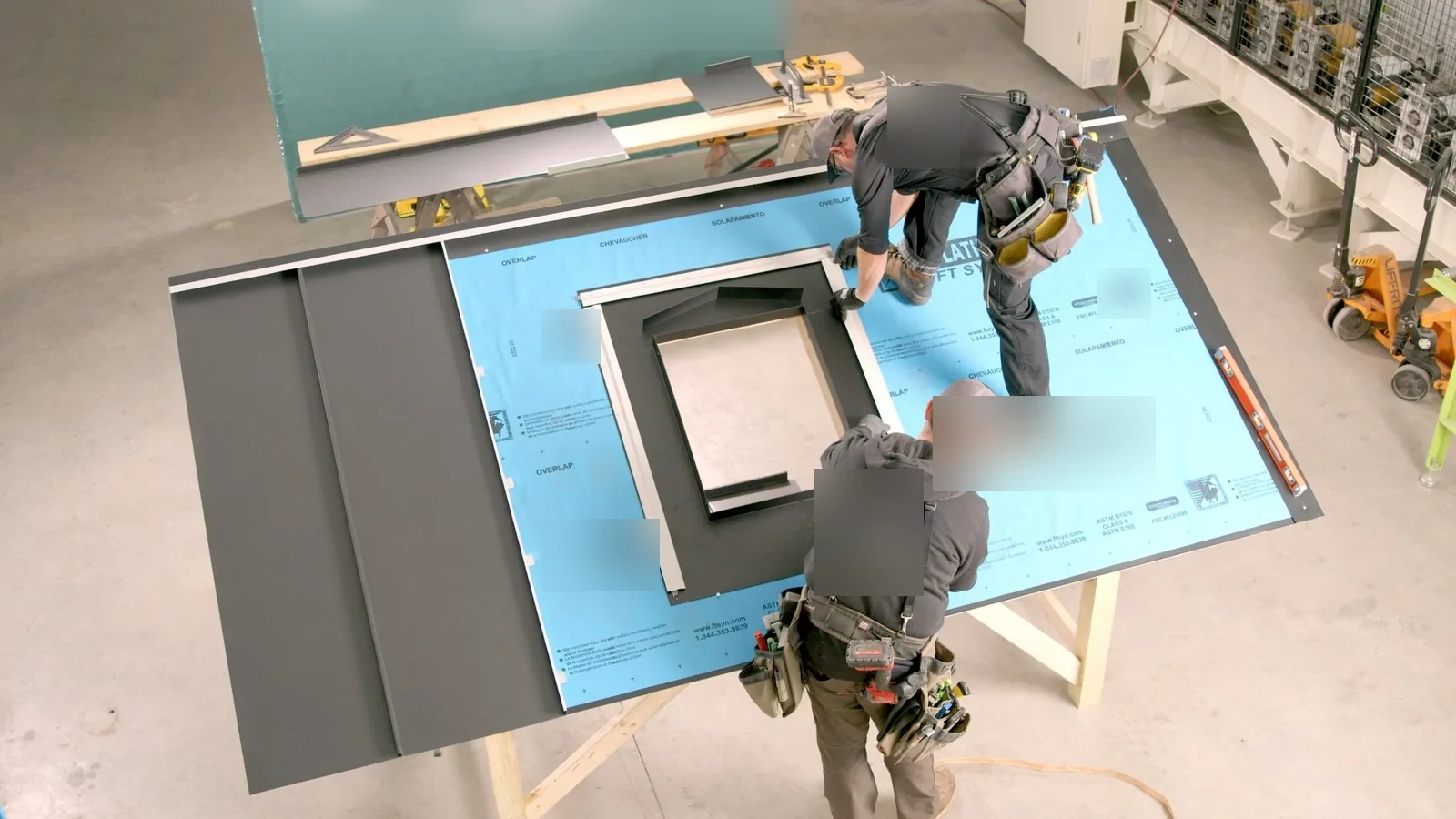
Commercial Roofing Services from Commercial Roofers Johns Creek.
We check whether the curb is stable, whether the membrane turns up and terminates cleanly, and whether counterflashing protects the joint. Open corners, split seams, loose metal, cracked sealant, and movement at the equipment base can admit water. We look for corrosion or a crushed curb face and photograph each side, not only the point where water appeared inside. If the assembly changes from one roof zone to another, the flashing detail may need a different transition.
Equipment may sit on a roof curb, a pipe stand, a rail, or a support frame. Those arrangements move and carry load differently. We inspect accessible connections and describe visible movement without certifying the equipment structure. If the curb framing or roof deck appears damaged, a structural or mechanical contractor may need to review it before the roofing detail is rebuilt. Our roof inspection ties the observation to a roof plan and identifies any area that could not be reached.
Which flashing detail fits the roof?
The flashing material must work with the existing membrane and the curb surface. TPO, PVC, EPDM, modified bitumen, and metal roofs use different attachment and corner details. We identify the roof system before choosing a boot, membrane patch, metal counterflashing, or liquid-applied treatment. The repair should not bridge a moving joint in a way that tears under equipment vibration. We check the upstand height, termination, and overlap that protect the transition.
Where piping or conduit enters through a separate opening, it needs its own flashing. A curb repair will not seal a nearby pipe boot or abandoned penetration. We mark each opening and show how its patch connects to the field membrane. For a small failed transition, penetration flashing work may resolve the detail; a wider membrane defect could need a roof repair across the affected zone. The estimate identifies each curb and support included so later additions are not mistaken for completed work.
Could the equipment change the drain path?
Curbs can interrupt runoff and create low areas where debris collects. We check whether water can move around the unit toward a drain or scupper and whether the equipment support blocks access to the membrane. A puddle at the uphill side may call for a cricket or tapered insulation; a blocked bowl requires a different correction. We record the water footprint and outlet condition before proposing either one.
Atlanta climate normals show rain in every month, so keeping a clear path matters throughout the year. Repeated wetting around a curb can expose a weak seam or flashing corner. If the main condition is a drain-level issue, our drainage correction can be coordinated with the curb scope. The proposal should keep changes to slope, overflow, or downspout discharge separate from mechanical work. We do not move or disconnect equipment unless that work has been authorized and assigned to the correct trade.
How do building operations affect access?
Technology Park Johns Creek includes offices, industrial space, retail, and healthcare uses. Emory Johns Creek Hospital is a major care campus in that commercial setting, and Johns Creek also identifies life sciences and innovation as local business sectors. An active building may require an escort, a work window, or restrictions around rooftop equipment. We coordinate roof access with the facilities contact and record the operating limits that affect the flashing repair.
A Boston Scientific research and logistics facility is part of Johns Creek’s business market. That fact helps explain why equipment coordination can matter across the area; it does not identify the roof construction of any particular property. We inspect the actual curb, support, and deck, then confirm who can isolate equipment or approve a temporary access limit. The retail and redevelopment activity around Medlock Bridge Road near Medlock Crossing can call for tenant-specific work windows when a curb repair is over an active storefront. For broader office and industrial coverage, the Technology Park Johns Creek service area represents the surrounding business campus, not an individual building.
How is a support or curb repaired?
We prepare the surface, remove failed flashing, repair the membrane transition, and secure new metal or flexible flashing as specified. If the curb is loose, rusted through, too low, or attached to damaged framing, we document that condition before covering it. The work may require a mechanical contractor to adjust supports or equipment. The estimate names that interface, so the owner knows which work must be completed before the roof can be closed.
Access around an HVAC unit, pipe rack, or electrical conduit can limit how materials are staged. We protect adjacent equipment, keep drains clear, and close each work area before moving to another roof zone. If rain or hot surface conditions prevent proper bonding, we pause and protect the open detail. A final review checks membrane overlap, terminations, corners, and fasteners. When a larger area needs replacement, we can compare it with a replacement scope that includes equipment curb transitions rather than treating them as a later add-on.
What should the closeout identify?
The record should list each curb or support, the observed condition, repair materials, access limit, and any mechanical or structural item left for another trade. Photos should show the approach to the unit, the curb sides, corners, termination, and surrounding membrane. If water entry was reported, the record distinguishes the confirmed roof opening from any remaining possible path. That gives the owner a clear point of reference for the next inspection.
A roof condition report can keep the repair details with the building’s service history. Owners managing several Johns Creek properties can compare repeated curb or support issues without assuming all equipment bases are alike. Send the roof plan, equipment list, leak reports, access limits, and decision timeline. We will inspect the roof transition, document what is confirmed, and provide a scoped repair with the equipment coordination stated clearly.
Commercial Roofing Questions
Can a roof curb leak even when the unit still works?
Yes. The equipment may operate while the curb flashing, corner seam, or membrane termination fails. We inspect the roof detail and nearby drainage separately from the mechanical function of the unit. If equipment movement is suspected, its service contact may need to assess the support.
Will you move rooftop equipment to repair the curb?
We do not move or disconnect units as part of routine roofing work. The owner and mechanical contractor coordinate any required shutdown or repositioning. We define the access and clearance needed for the roofing detail before scheduling the repair.
How do you tell a curb leak from a pipe leak?
We inspect each opening and compare the roof conditions with the interior symptom. A nearby conduit or pipe boot can leak separately from the larger curb. We document the suspected entry point and use targeted testing when the visible details do not confirm the path.
What if the curb framing or roof deck is damaged?
We photograph the observed condition and pause before covering it. The owner may need a structural or mechanical review, followed by a separate scope for rebuilding the support or deck. The roof repair boundary remains open until the substrate is suitable for flashing.
What should we provide before the inspection?
Send the roof plan, equipment list, reported leak location, access route, shutdown rules, and site contact. Note any unit that must remain in service. Those details help us coordinate roof access and show which trade needs to be present.
Back to Commercial Roofing Services, or request a roof assessment and call 555-555-5555.