Commercial roofing in Johns Creek, GA
Repairs, replacement and maintenance
Commercial Roofing for Cities and Public Agencies in Johns Creek, GA
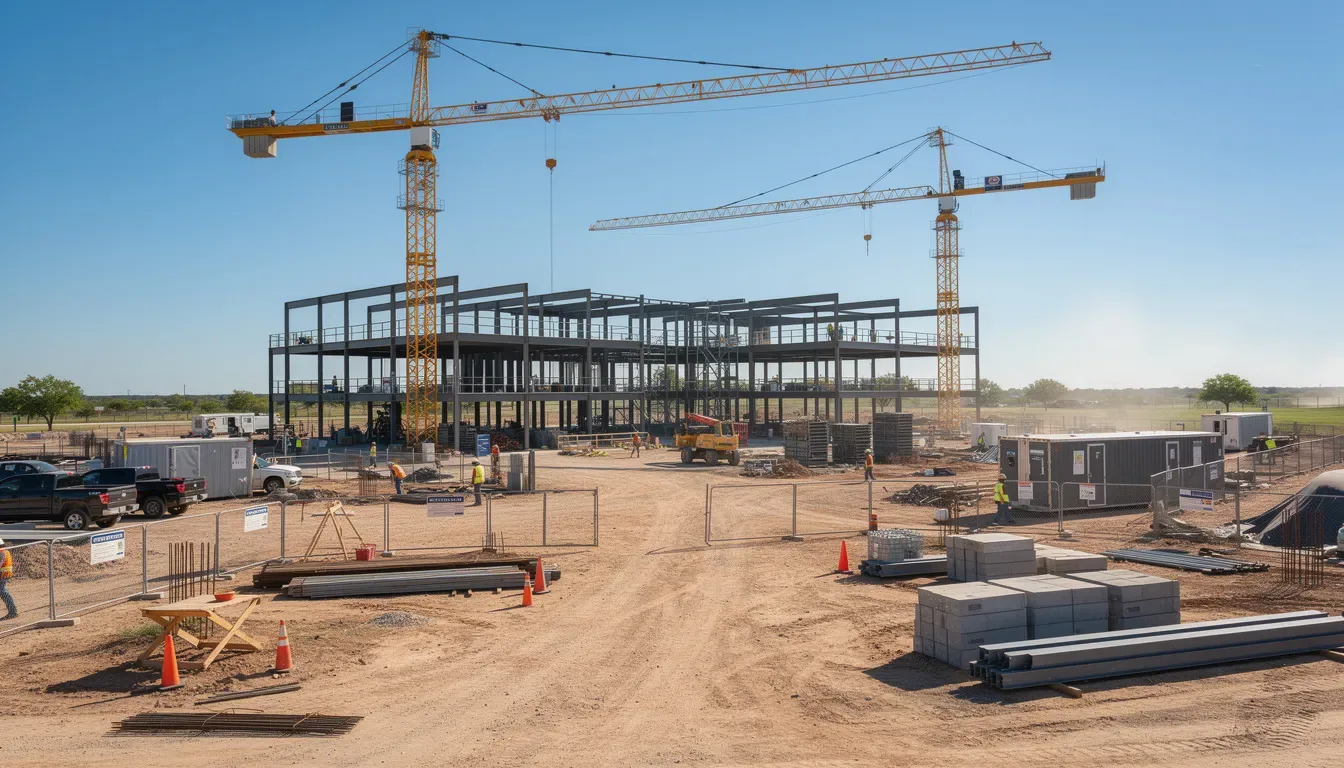
Roof inspections and repair planning for public agencies in Johns Creek, GA, with documented scope, access coordination, and clear closeout records.
Which public building, service counter, community room, operations area, or equipment space needs attention? A public roof request should identify the facility and the service that operates below it. We inspect the roof detail, tie findings to a building and zone, and show what the agency can decide from the evidence. Johns Creek has a mixed commercial base around Technology Park and a planned Town Center district along Medlock Bridge Road and McGinnis Ferry Road. Nearby Alpharetta, Roswell, Duluth, and Suwanee add more municipal and public-service properties across the regional service area.
What should a public roof inspection document?
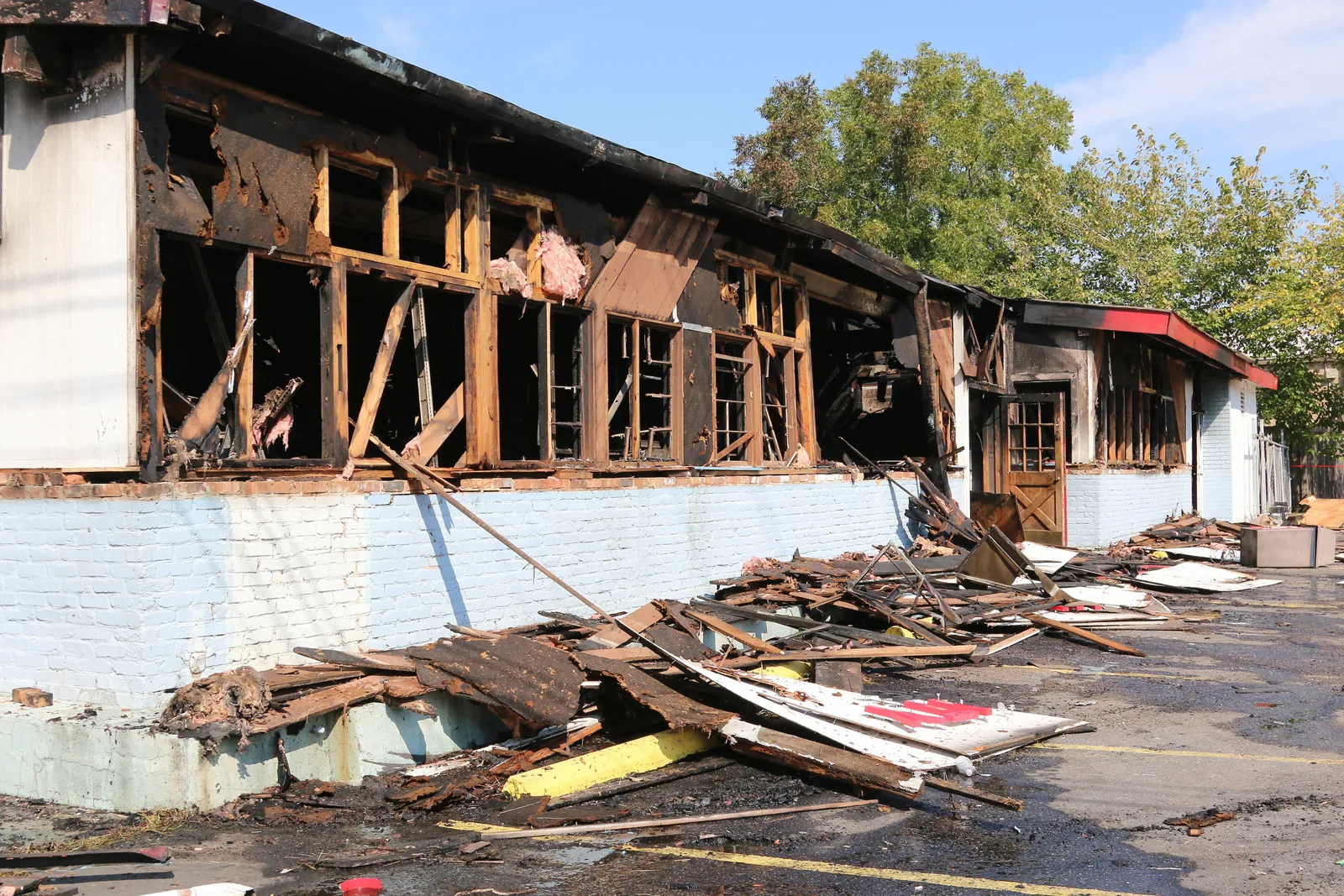
Industries We Serve from Commercial Roofers Johns Creek.
Useful starting material includes a current roof plan, building name, interior report location, prior work orders, warranty records, and the person authorized to arrange access. We inspect seams, penetrations, drains, edge conditions, equipment curbs, and previous patches related to the report. A ceiling stain can be separated from the actual entry point by distance or by a change in deck slope. The report should identify the evidence and the portion of the roof that was not accessible or tested.
A commercial roof inspection can record observable conditions by roof zone. Where readings or visible signs justify further investigation, an infrared moisture survey can help select locations for confirmation. The inspection file should distinguish a measured result from an unverified area and show why a follow-up test may be needed. A roof condition report can retain the photos, test locations, and repair limits with the agency's facility record.
Before a roof walk, the site contact confirms visitor hours, secure rooms, alarms, escorts, and rooftop equipment. We agree on lift and staging locations, then preserve any public entrance or accessible route that must stay open. The work sequence records those restrictions.
How can the scope support purchasing review?
A reviewer needs to understand what work is proposed, where it applies, and what would change the price. We identify the roof area, materials, quantities, access method, disposal, interior protection, and any allowance for concealed conditions. If testing is incomplete, we state whether additional openings or a separate inspection are needed before final quantities can be established. A proposal can separate immediate stabilization from a permanent repair and a larger renewal option, allowing the agency to compare distinct decisions.
Procurement rules vary by agency and project. The owner or purchasing contact supplies the required bid form, insurance limits, bonding terms, vendor registration, prevailing-wage provisions, and schedule milestones. We can format the roofing scope against those instructions after receiving them. A published budget, prior bid, or similar building is a planning reference; the present requirement follows current records and field conditions. If a contract needs alternates, each should describe a defined area or assembly so reviewers can compare like with like.
Johns Creek's Town Center is planned as a 192-acre mixed-use district on a former business park, with retail, office, hospitality, and residential components. Such redevelopment introduces multiple ownership and procurement contexts in one area. For a public project, verify which entity owns the facility, which party controls access, and which procurement route governs the roofing work. A property management company can coordinate an occupied building's access, while a public owner's contract contact remains responsible for its procurement instructions and authorization.
Inspection photos should identify roof zone and viewing direction. Record each test opening, the material observed, how it was closed, and whether additional sampling is warranted so reviewers can evaluate the scope before award.
How do repairs work around public operations?
We confirm which public services must stay open and identify affected entrances, meeting rooms, dispatch areas, utility spaces, and vehicle bays. The site contact provides operating hours, access restrictions, and any equipment shutdowns before mobilization. An occupied-building plan identifies work zones, barriers, notices, and daily dry-in limits.
For an active leak, emergency roof repair records temporary protection, remaining exposure, and the next inspection or permanent fix. The agency decides whether a room stays in use; we separate mitigation from permanent quantities.
For buildings with a counter, dispatch desk, or public meeting schedule, the agency identifies the service window that cannot be interrupted. We set roof work and pedestrian controls around that window and confirm the release point with the facility contact.
Each day's area must be small enough to protect before work stops. If testing reveals wet insulation or deck damage, we document it and request approval before expanding the scope. The sequence records access and schedule changes tied to that finding.
What evidence matters after a storm?
Public facilities across this part of Georgia can face tornadoes, large hail, and forceful thunderstorm winds. An event report may warrant inspection, while the roof survey must determine whether the individual building has a new defect. We record roof conditions such as a puncture, displaced edge component, opened seam, or new water path, and compare them with the agency's pre-event maintenance history where available. If no visible defect is confirmed, the record should say what was inspected and what could not be reached.
Rainfall occurs throughout the year in the Atlanta climate normals, so drain and overflow performance is relevant beyond one storm season. We inspect strainers, scuppers, drainage outlets, and the discharge route. Standing water can point to a blockage, a low area, or a detail failure; those conditions call for different work. A drain and scupper repair should match what the survey found. Where runoff could reach an accessible entrance, loading area, or public walkway, we also note temporary routing needed during the repair.
The agency can preserve the report date, affected room, interior photos, and any service interruption. We separate urgent containment from permanent repairs and set a follow-up date when testing is needed.
What records should an agency retain?
Keep the contract scope, approved changes, dated photos, inspection limits, materials, and open tasks in the building's maintenance file. Identify each facility and roof zone. Record equipment handoffs and the issued warranty documents; actual coverage follows their terms and requirements.
A service request for Johns Creek should name the public facility and authorized contact. A school district or agency can use a portfolio summary to compare confirmed repairs, additional testing, and capital needs, while each building retains its own inspection record.
For a phased contract, retain closeout by building and stage rather than waiting for the final site visit. Each handoff should show accepted work, remaining punch items, temporary measures, and the next inspection date. That gives facilities and procurement staff a usable record while other roofs remain active.
List assumptions and exclusions beside budget options so a new manager can trace the recommendation to the roof evidence, approvals, and unresolved decisions.
Commercial Roofing Questions
Can a public building remain open during roof repairs?
We identify the work boundary, equipment route, visitor access, and daily dry-in point before setting the sequence. The agency names any service that must continue and the contact who can approve temporary access changes.
What should be included in a public roofing proposal?
The proposal should name the building and roof area, describe the observed defect, list quantities and materials, and state access, disposal, protection, and concealed-condition assumptions. Agency bid requirements should be provided before pricing is finalized.
Does a storm warning establish that a roof was damaged?
No. We inspect the roof and document actual findings, test limits, and areas not reached. A warning can prompt an inspection, but the repair scope depends on evidence at the facility.
How should an agency compare several roof projects?
Keep each building's findings and quantities separate, then summarize urgency, testing needs, and capital timing across the portfolio. That preserves the evidence behind each recommendation while supporting budget review.
Back to Industries We Serve, or request a roof assessment and call 555-555-5555.