Commercial roofing in Johns Creek, GA
Repairs, replacement and maintenance
Commercial Roofing for Hospitality Groups in Johns Creek, GA
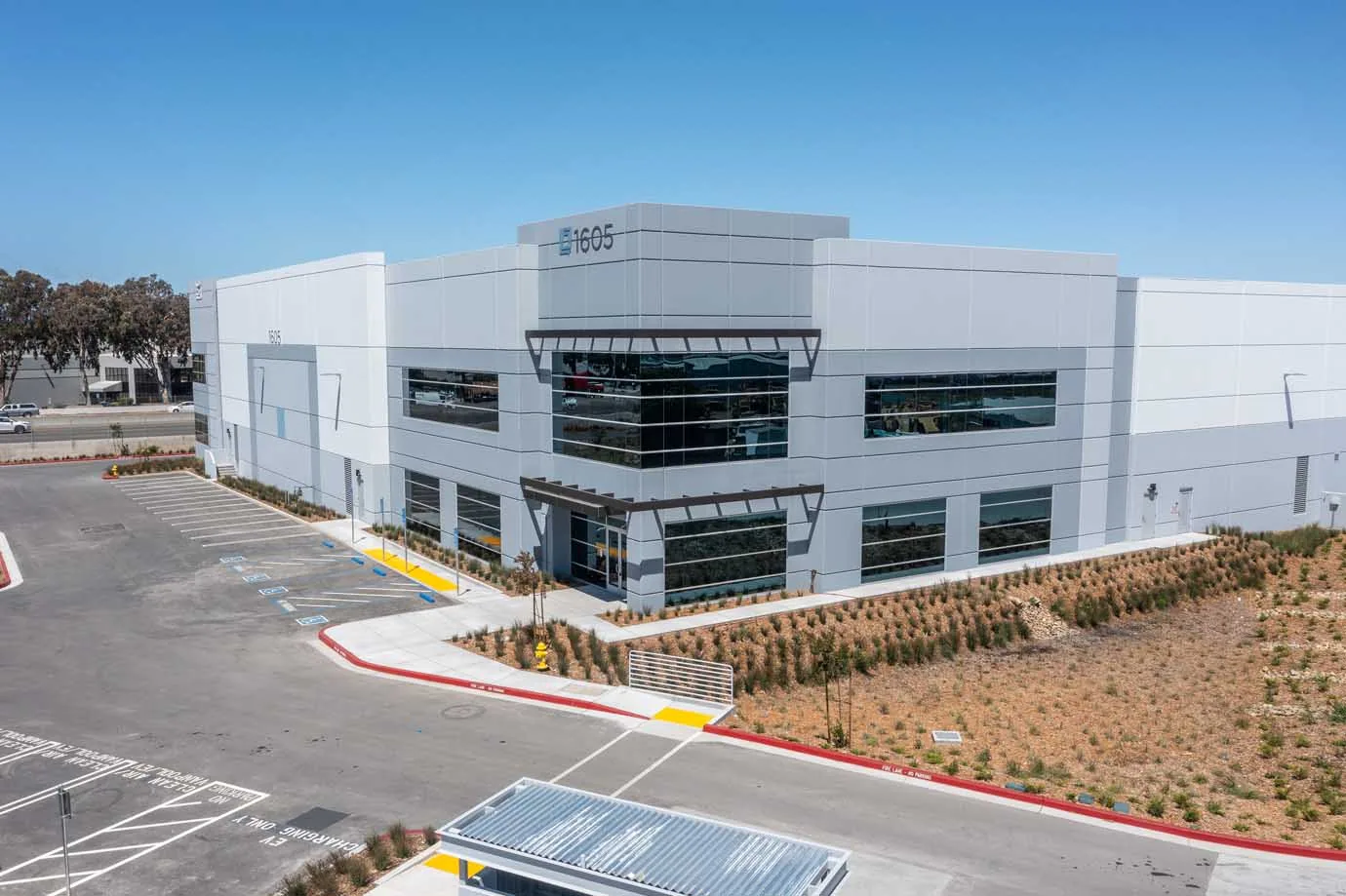
Roof inspections and repairs for hotels and hospitality groups in Johns Creek, GA, planned around guest stays, event schedules, and building operations.
A hotel leak can affect guest rooms, a lobby, a kitchen, meeting space, a pool enclosure, or a back-of-house area. Hospitality roof work has to identify the affected building zone and fit the property's guest and event schedule. We inspect the roof detail connected to the report, document the repair boundary, and note what remains untested. Johns Creek Town Center's Medley project adds a hotel to a planned mix of retail, restaurant, entertainment, office, and residential uses. The regional service area also reaches hotel properties in Alpharetta, Roswell, Duluth, and Suwanee.
How should a hotel roof survey be organized?
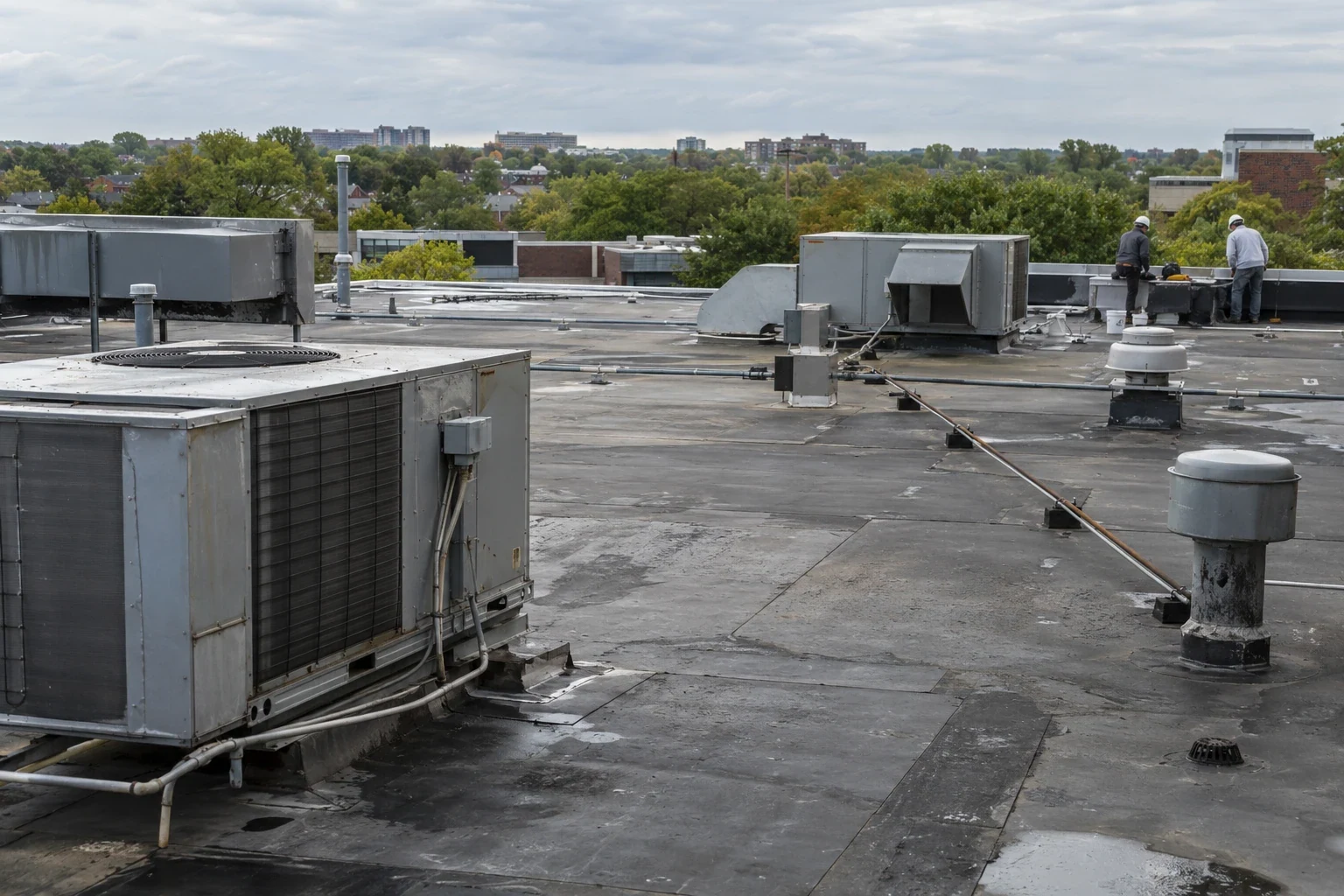
Industries We Serve from Commercial Roofers Johns Creek.
Provide the building plan, room or venue number, date the issue appeared, property engineer contact, and any prior roof or mechanical work. We inspect the likely roof zone, including membrane or panel transitions, drains, skylights, exhausts, curbs, and earlier repairs. The nearest rooftop unit may not be the source of an interior stain. We follow the observed path and identify whether testing is needed before a repair can be bounded.
A commercial roof inspection can record conditions by wing, roof level, and affected operation. If readings support more investigation, an infrared moisture survey can help prioritize spots for confirmation. The report should say what was directly observed, what was tested, and which area was not reached. A hotel engineering team can then compare the findings with guest or event reports and plan a follow-up without treating every ceiling mark as the same defect.
Large properties often combine guest areas with kitchens, laundry, plant rooms, meeting spaces, and service corridors. The engineer can identify room blocks that may be restricted, equipment shutdown requirements, roof hatch procedures, and staff routes that need to remain available. We agree on staging and crew routes with the property contact. If the roof area sits above an event room, the schedule should account for the event's setup and teardown, not only the posted event time. Those details help limit disruption and keep the daily work boundary realistic.
How can roof work protect the guest experience?
Before scheduling, identify check-in peaks, housekeeping windows, meal service, event bookings, and any guest-facing route near the work. The work plan names the zone, expected noise, lift position, barriers, and end-of-day weather protection. Where the work is above occupied rooms, hotel staff can decide whether a block should be held or whether a shorter work window is needed. The roofing scope then states the area it can open and protect during that period.
Johns Creek Town Center is planned as a mixed-use district along Medlock Bridge Road, McGinnis Ferry Road, and Johns Creek Parkway, with a hotel among its uses. For each hotel, confirm guest schedules, loading access, management contact, temporary routes, and who approves notices before staging.
Restaurants, banquet kitchens, and laundry spaces require attention to exhaust, make-up air, and rooftop equipment transitions. We inspect the roof flashing around those systems; the hotel or its mechanical vendor controls shutdown and restart. If kitchen work or a special event overlaps the roof schedule, name the vendor contact and the work window before mobilization. This handoff prevents a roofing scope from assuming control of equipment or indoor sanitation. The engineer should also state what housekeeping or cleanup check must happen before a guest space returns to normal use.
A phased occupied-building reroofing plan can divide work by wing or roof section. Each phase should end with a documented dry-in and the access route restored. If weather or a concealed condition changes the shift, the property contact needs an escalation path and a revised handback time. We identify the roofing decision required and leave guest-service decisions with hotel management.
Which issues call for urgent work or capital review?
A localized seal failure or puncture may be repaired when adjacent material is dry and sound. Multiple leaks, recurring entry, wet insulation, or a damaged deck can support a wider assembly review. We identify evidence by roof zone and separate confirmed quantities from untested areas. A proposal should state the material, access, disposal, guest-area protection, equipment coordination, and any concealed-condition allowance.
If water is active over a guest room, kitchen equipment, or electrical space, temporary containment may be needed first. A call for emergency roof repair can stabilize the immediate concern while the permanent detail is inspected. The hotel record should note which room or area was protected and whether it can return to service. A temporary patch is not a substitute for identifying the completed repair or the follow-up inspection required.
Use one record format across a hotel group, but keep findings tied to each building. Brand standards may set finishes or guest notices; they do not identify the roof assembly or authorize removal. The facilities contact supplies the roof plan and approval route. A property management team can coordinate access where ownership and hotel operations are separate. A portfolio summary can sort urgency and budget timing, while each inspection report supports its own recommendation.
What should the team do after severe weather?
North and central Georgia can experience tornadoes, large hail, and damaging convective winds. An event can prompt a property review, but the hotel inspection establishes its damage scope. Document impact, displaced edges, open seams, punctures, and new interior reports by guest or service area. A regional alert cannot show one hotel's condition.
Atlanta's climate normals record precipitation throughout the year. Hotel engineering staff should keep drain and overflow routes in the regular inspection rotation, especially where water could reach a lobby entrance, terrace, or event loading path. We inspect the actual outlet and its flashing; clearing debris and repairing a failed drain detail are separate actions. A drain and scupper repair is scoped when the observed condition supports it. Temporary work should keep discharge away from guest access while the permanent correction is underway.
When a property reports an interior leak, capture the room or venue, time, weather, operating status, and any ceiling or floor protection already placed. Those details help connect the symptom with the inspection. If no roof defect is visible, the report can identify what was checked and whether a test is recommended. This gives management a defensible next step without closing out an unresolved report prematurely.
What belongs in the hospitality closeout file?
Record the property name, building and roof zone, photos, tests, work performed, material, access limits, guest-area precautions, and items assigned to another vendor. State whether the measure was temporary and what remains for follow-up. If the property retains a roof warranty, file the actual document and completion record. A future engineer should be able to match the repair to a location and tell whether it was included in the last inspection.
The Medley hotel in Johns Creek Town Center is part of a new mixed-use development, while other hotels across the regional market may sit in established business districts such as Windward Parkway in Alpharetta or Perimeter Center in Sandy Springs. These are broad service-area references, not assumptions about one property's management or roof. A hotel near Johns Creek Town Center can arrange a site review through its authorized engineering or ownership contact.
Owners and operators that coordinate several buildings can use a roof condition report to retain condition, testing, and repair limits. A real estate investment group may need a separate portfolio summary, while each hotel file keeps its own record. That lets ownership compare investment needs without confusing the brand operating standard with a roof condition that has not been verified.
Commercial Roofing Questions
Can roof work happen while rooms are occupied?
We set the work area, daily protection point, equipment route, and expected noise with the property engineer. Hotel management decides whether to hold a room block or adjust guest routing.
What information helps investigate a guest-room leak?
Room number, date, time, weather, ceiling photos, and recent mechanical or roof work help narrow the report. We inspect the associated roof zone and document any limits or tests needed.
Can hotel events continue during a reroof?
That depends on where the work and staging fall relative to event spaces and guest paths. A phased sequence can identify daily boundaries and the handback needed before an event area is used.
Does a hotel group's brand standard define the roof repair?
Brand specifications may cover appearance and operations; the inspection report states observed conditions and the work scope. The owner or authorized manager supplies approval and warranty requirements.
Back to Industries We Serve, or request a roof assessment and call 555-555-5555.