Commercial roofing in Johns Creek, GA
Repairs, replacement and maintenance
Commercial Roofing for Insurance and Restoration Work in Johns Creek, GA

Commercial roof inspections and documented repair scopes for insurance and restoration projects in Johns Creek, GA, with clear evidence and work limits.
Are you coordinating a commercial roof inspection after wind, hail, or a reported leak? We document visible roof conditions, identify what was tested, and prepare a repair scope tied to the building. The report can support discussion among the property owner, adjuster, and restoration team; coverage and claim decisions belong to the insurer and policyholder. Johns Creek's commercial buildings range from offices and retail in Technology Park to mixed-use redevelopment at Town Center, with more properties across Alpharetta, Suwanee, and Norcross.
What should a roof inspection record?
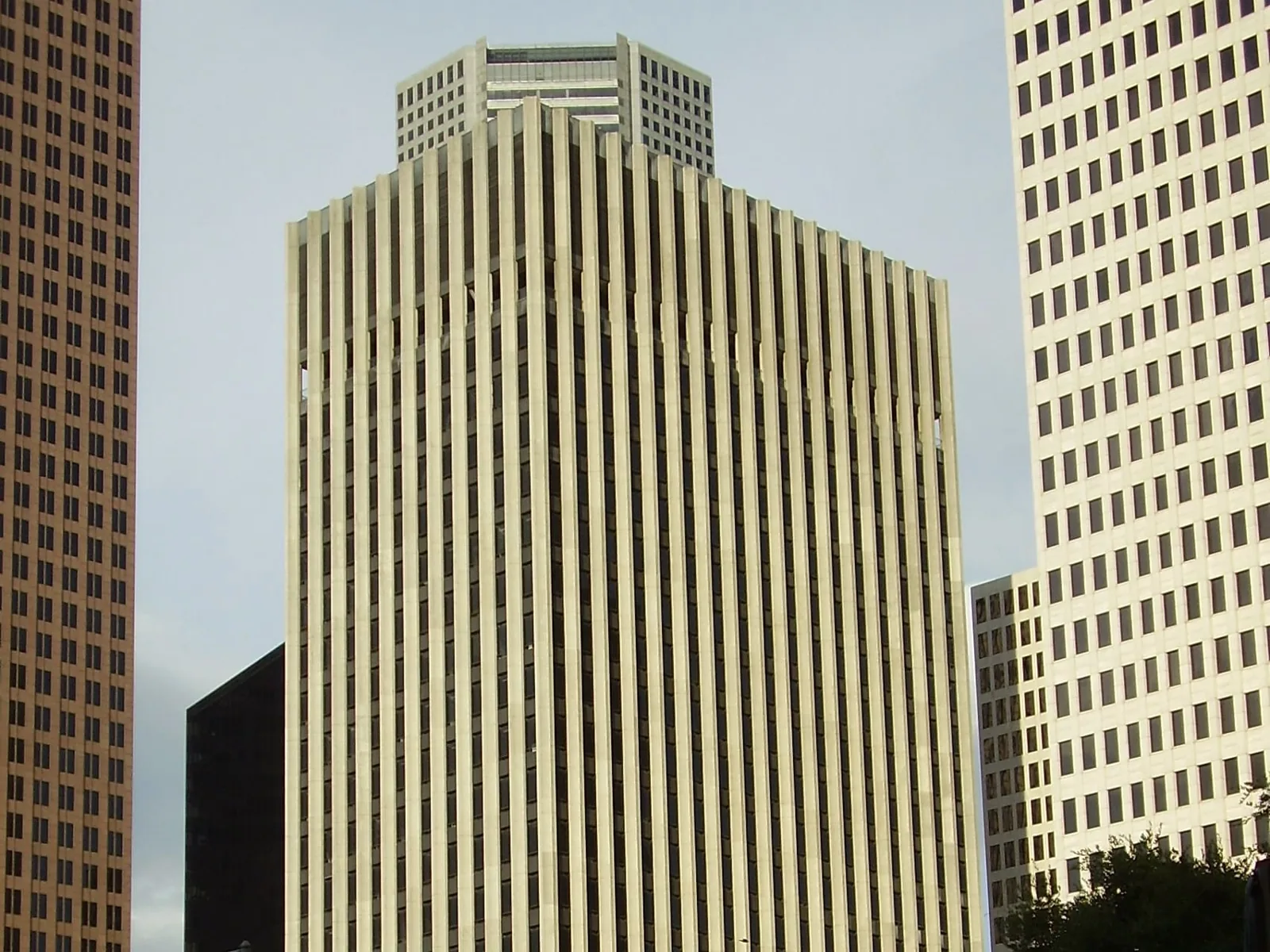
Industries We Serve from Commercial Roofers Johns Creek.
Start with the property name, date of reported event, roof plan, prior repair history, and affected interior areas. We inspect the surfaces and details relevant to the report, such as seams, penetrations, drains, edge metal, skylights, curbs, and existing patches. Photographs should show the detail and its location, not just a close-up without context. We identify the limits of the inspection and distinguish visible conditions from items that require testing or removal to confirm.
A commercial roof inspection can document roof areas and observed conditions. Where moisture below the surface is a concern, an infrared moisture survey can help select locations for verification. Readings alone should not be presented as confirmation of wet materials without appropriate testing. A roof condition report can preserve photos, test locations, conclusions, and limitations for the project file.
For a multi-tenant property, note the building and tenant area connected to each report. The closest ceiling stain does not necessarily align with the roof opening; water can travel before it appears inside. We trace the path supported by field evidence and identify any area not accessed. If an owner or adjuster provides a pre-loss report, we can compare it with current observations while keeping dates and sources distinct. That avoids presenting an older condition as a new event finding or attributing an unresolved leak to a specific cause without support.
At Technology Park or another Johns Creek property, the adjuster or restoration lead should confirm the facility contact and safe access time before arrival.
How do you separate emergency mitigation from permanent repair?
Temporary protection addresses immediate exposure and should be described by location, material, date, and limitation. The permanent scope follows inspection and any needed testing. A call for emergency roof repair may include temporary dry-in, water redirection, or protection of an interior area, depending on what is authorized and safe to perform. The record should say what remains open or unverified and what follow-up is recommended.
A repair estimate identifies the measured area, material, access, disposal, insulation or deck work if confirmed, interior protection, and any concealed-condition allowance. If a proposal includes alternatives, label the conditions each option assumes. For example, a limited flashing repair and a larger membrane replacement should have separate boundaries and quantities. That lets the owner and claim participants discuss the actual roofing work without treating an estimate as a coverage determination.
The owner or authorized representative should approve additional work when testing uncovers a condition outside the original scope. We record the discovery with photographs, location, quantity, and the decision requested. If an adjuster, restoration contractor, or property manager has a different observation, document the disagreement and the evidence each person reviewed. A clear, dated file helps the parties resolve the scope question without changing the underlying field record.
Where interior drying or other mitigation is handled by a separate company, identify its work area and the roofing handoff. The roofer can describe the roof opening and temporary closure; the restoration firm can document interior moisture treatment. Neither scope should be assumed complete because the other trade has finished. The property contact sets the sequence and confirms what must happen before rooms, equipment, or inventory return to use.
What evidence matters after wind or hail?
Weather records for north and central Georgia include tornadoes, damaging thunderstorm gusts, and substantial hail. A regional hazard explains why an inspection may be requested; it does not show what happened to a particular roof. We document observable impacts such as a puncture, displaced component, opened seam, or new water entry and identify the roof areas inspected. If no event-related damage is confirmed, the report should say what was checked and what further testing, if any, is warranted.
Atlanta climate normals record precipitation in every month, so a leak may arise during ordinary rainfall as well as severe weather. We inspect drainage details and the reported path, then compare present conditions with prior repair notes when available. A drain and scupper repair should be included only when an observed drainage defect supports it. If a later rain reveals new water, the date and location should be added to the claim or maintenance file as a separate observation.
At Johns Creek Town Center or Medlock Bridge-State Bridge corridor properties, confirm facility ownership and authorized roof access; the geographic label does not identify the insured building.
How should the adjuster and roofer coordinate?
Set the inspection time, roof access procedure, attendee list, and requested records in advance. The adjuster or owner can identify the reported date and scope of concern; the roofer records field observations and explains the repair method. If a safe access restriction prevents inspection of a section, it should be noted with the reason and any route to a later visit. Measurements and photographs should be tied to the building plan where possible.
For occupied sites, the work sequence can identify tenant notice, protected interiors, staging, and the daily dry-in limit. A property management team may coordinate tenants and keys, while the owner controls claim and contract decisions. Confirm who can authorize temporary work and who needs to approve a permanent change before material is ordered.
If a contractor's estimate differs from an adjuster's initial scope, a joint review can compare quantities, details, and access assumptions. The parties can identify the exact line item or roof zone in dispute and request additional testing where it would change the decision. The roofing report should describe its basis and limits, not predict what a carrier will pay. The policyholder can submit the materials through its own claim process or seek qualified advice about policy interpretation.
What belongs in the final project record?
Retain the inspection date, building identifier, roof zones, photographs, test results, repair scope, authorizations, change records, and completion photos. Mark areas excluded from the work and conditions that still need attention. If a temporary cover remains, identify the responsible party and planned next step. A precise closeout file helps the owner, property manager, adjuster, and future roofing contractor understand the work without relying on a verbal summary.
A general contractor or restoration lead may coordinate several trades, but each should keep its own work boundaries and completion evidence. If the property has multiple buildings, maintain a separate roof record for every structure and attach any portfolio summary as an index. That allows the owner to track a claim, repair, or capital project while keeping confirmed building conditions distinct.
At a site in the Medlock Bridge to State Bridge corridor, provide the facility name and access instructions. The district does not establish roof condition or claim status.
Commercial Roofing Questions
Does a roofing report decide whether an insurance claim is covered?
No. We document roof observations and prepare a repair scope. The insurer and policyholder make decisions under the applicable policy and claim process.
Can you meet an adjuster at the property?
Yes, with a scheduled access time, safe roof route, and the owner or authorized contact's approval. We can explain observed conditions and identify areas that require testing.
What should be documented for temporary roof protection?
Record the date, building and roof area, measure performed, materials, limits, and any remaining exposure. The permanent correction should be inspected and scoped separately.
What if the roofer and adjuster disagree about the scope?
Identify the disputed detail or quantity, compare the evidence and assumptions, and consider a focused follow-up inspection. A written record should preserve both the finding and any unresolved question.
Back to Industries We Serve, or request a roof assessment and call 555-555-5555.