
Commercial roofing in Johns Creek, GA
Repairs, replacement and maintenance
Commercial Hail Damage Roof Repair in Johns Creek, GA
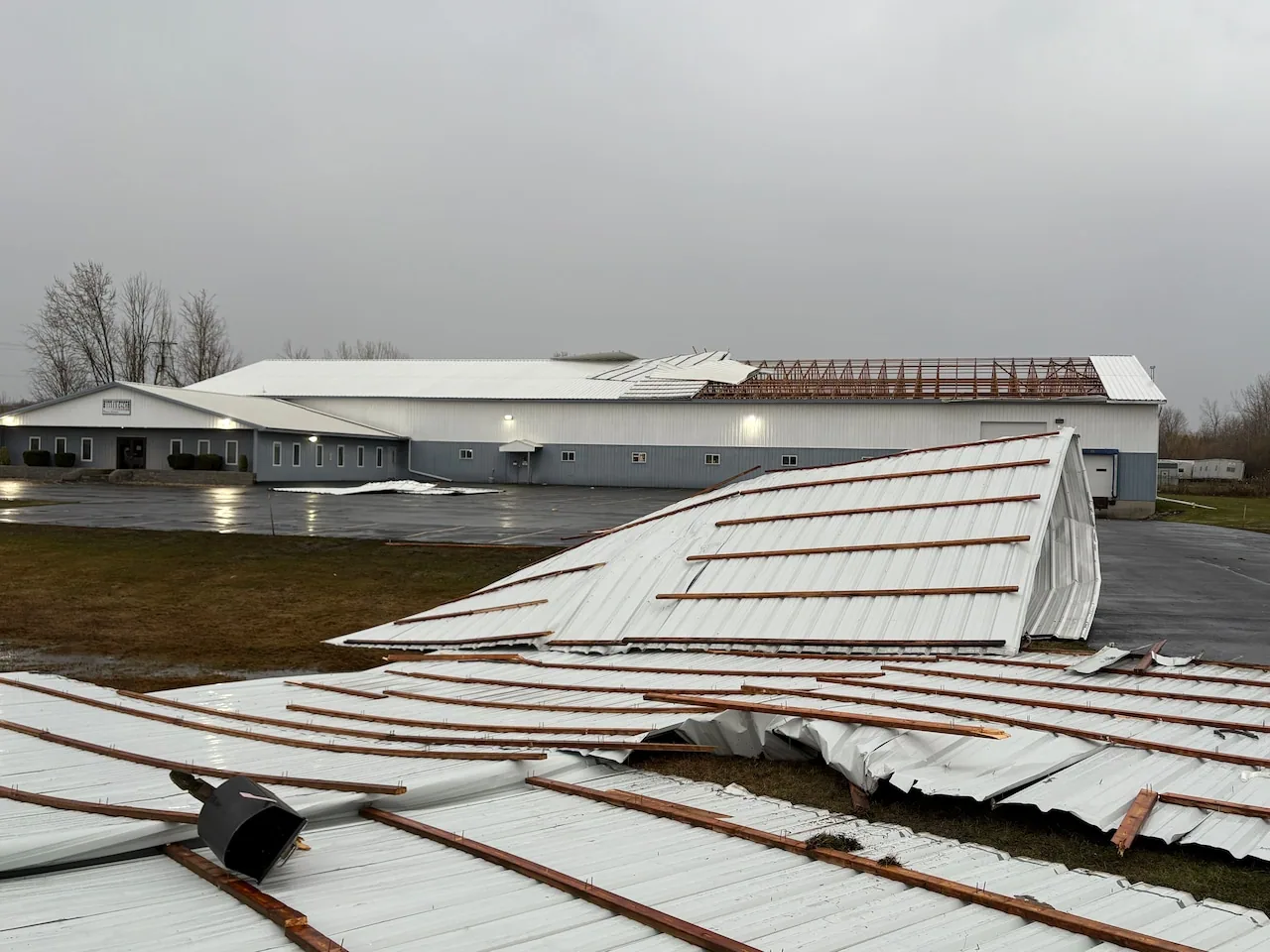
Commercial roof inspections after hail in Johns Creek, GA, with documented impact observations, material testing, and repair scopes tied to verified damage.
Did hail strike the roof, skylights, rooftop units, or metal edges? A storm report can prompt an inspection, but hail size alone does not show whether an installed roof was damaged. We examine the actual assembly for impact marks, splits, punctures, coating loss, displaced details, and related water entry. Johns Creek includes commercial properties around Technology Park and Medlock Crossing, with nearby sites across Alpharetta, Roswell, and Norcross. Findings are recorded by property and roof zone.
What does hail damage look like on a commercial roof?
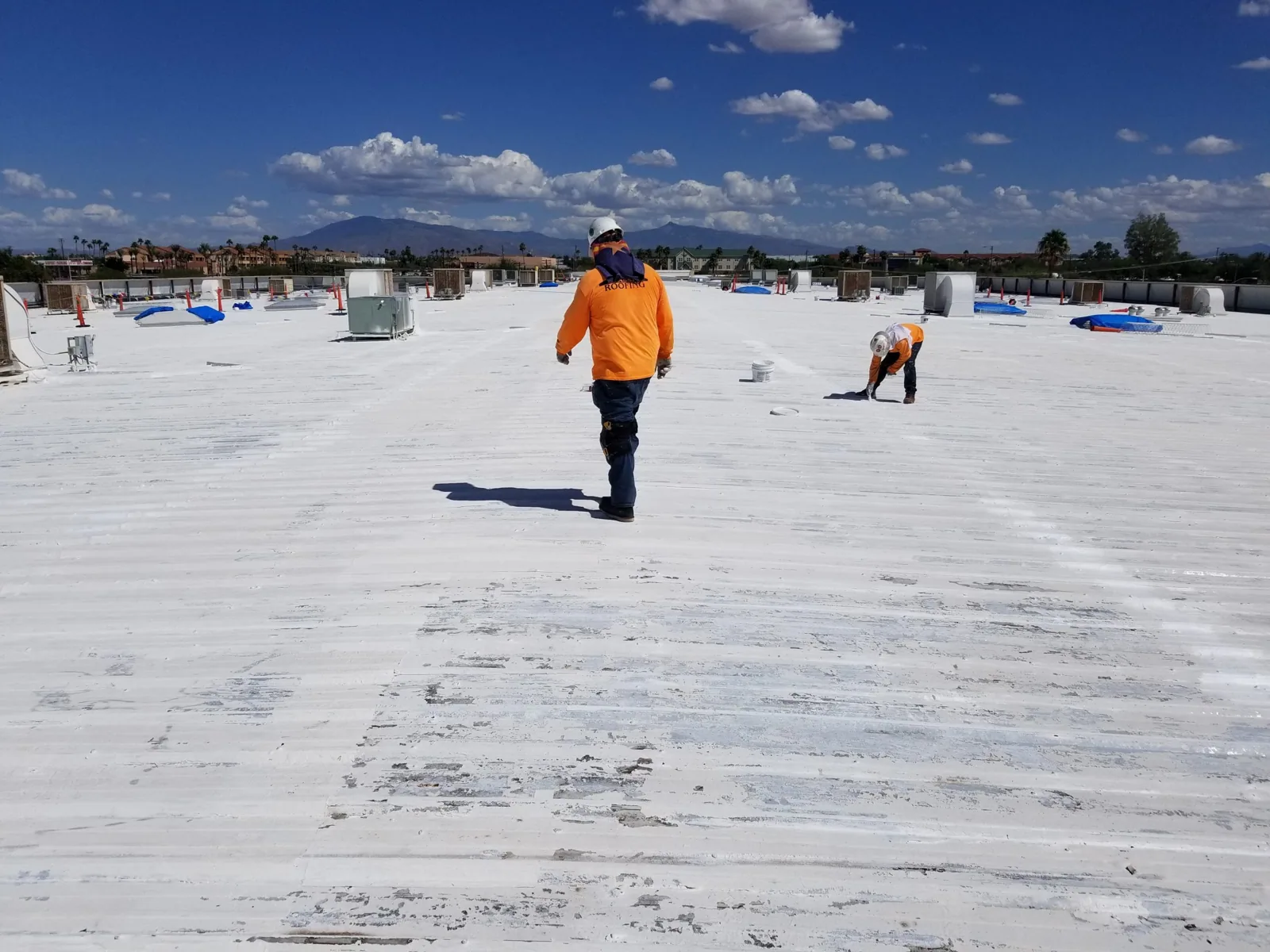
Roof Damage Repair from Commercial Roofers Johns Creek.
The indicators vary by material. A membrane may show a puncture, cut, crushed area, or open seam; metal can have dents that may or may not impair a joint or coating. Skylights and rooftop equipment can also show impact. We inspect roof surfaces alongside edges, flashings, curbs, drains, and the interior locations associated with a leak report. Photographs should identify the feature and roof area, not simply show a mark without context.
A commercial roof inspection can map the visible conditions. If concealed moisture could affect the scope, an infrared moisture survey can help prioritize test locations. We identify whether a reading was confirmed by direct testing, and note any surface or access condition that limits interpretation. A dent in metal is not automatically a leak, and an unverified reading should not be described as wet insulation.
North and central Georgia's severe-weather history includes large hail as well as damaging wind and tornadoes. The regional risk may explain why a facility requests an inspection, but the report should establish what was observed at that building. We compare the reported event date with available maintenance records and note any pre-existing wear, repairs, or water reports. That record can help distinguish a new observation from an earlier condition without making assumptions from the storm forecast.
How do roof materials change the inspection?
On a single-ply roof, inspect the exposed membrane, seam welds, patches, and protection board where hail may have concentrated. A cover board can shield the membrane but may conceal damage below the visible surface. On metal, look at panel seams, fastener washers, coatings, curbs, and perimeter transitions. A coating roof needs review for impact-related breaks and substrate condition; visual marks alone may not show whether the assembly remains watertight.
The roof system and age affect the appropriate test method. We verify whether the building has TPO, PVC, EPDM, metal, modified bitumen, or another assembly rather than infer it from the property type. A TPO system review or standing-seam metal assessment can help frame assembly-specific questions when those materials are present. The inspection file records the installed system if known and calls out uncertainty when it is not.
Check transitions around HVAC curbs, exhaust, pipe supports, and roof access points. Hail may leave those details intact while impact or debris damages an adjacent membrane section. If a service vendor has been on the roof since the event, log that visit and inspect its access route. The report can distinguish visible impact evidence from foot traffic or later maintenance damage only when the surface and timeline support that conclusion.
How is hail repair scoped?
We identify each confirmed repair area, measured quantity, material, preparation, access, and tie-in to surrounding material. If the inspection finds several types of impact, list them separately: a puncture repair, a damaged skylight curb, and a dented panel joint are different work items. Testing limits and areas not reached should be stated. Where the assembly beneath the visible surface remains uncertain, describe the test or allowance that will resolve it before expanding removal.
A localized correction may be appropriate where impact is limited and surrounding material is serviceable. If moisture or broader deterioration is found, compare a larger repair or replacement option. An event-related roof repair should describe the verified condition and work boundary. It should not assume every mark came from the same event or that a region-wide warning proves roof damage at this location.
If water is actively entering, a temporary response can reduce immediate exposure when access is safe and the owner authorizes it. The record identifies what was covered and what still needs a permanent repair. The owner can then review that step separately from a capital decision. If damaged materials are hidden under another layer, obtain direction before removal and document the opened area before replacement.
How do you plan access after a hail report?
Confirm roof hatch access, tenant schedules, occupied areas, rooftop equipment restrictions, and any location that should not be crossed. A multi-building campus can have separate site contacts or maintenance rules. We identify lift placement and safe roof routes, then note if a section could not be inspected. If a hail report affects a retail center, the manager can also identify public entrances and staging restrictions before a crew arrives.
Medlock Crossing is a 21-acre retail property at State Bridge Road and Medlock Bridge Road within a wider revitalization study. Tenant mix and redevelopment plans do not establish roof conditions on neighboring buildings. Nearby commercial buildings may have different ownership, tenants, and roof systems, so identify the actual building rather than the district alone. For a property near Medlock Bridge Road near Medlock Crossing, provide the site contact, roof plan, and any prior leak report.
In Johns Creek, the Technology Park area includes a mix of office, retail, industrial, and community uses. A company may operate several buildings in that district, but each roof needs a distinct observation record. A property manager can coordinate keys and tenants, while the owner supplies authorization for testing or repair. If the site is close to Johns Creek, the city name helps with dispatch; the building number and roof area guide the work.
What should a hail inspection record include?
Keep the inspection date, event date supplied by the owner, roof system, impact observations, test methods, photographs, quantities, and access limits. Include any distinction between cosmetic marks and a condition that requires repair, with the reason for that conclusion. If no damage was confirmed in a section, note that it was inspected and what limitations remained. A closeout file should not turn a visual survey into an assurance about future performance.
Johns Creek Town Center is planned as mixed-use redevelopment with retail, entertainment, hotel, office, and housing uses. Properties within a changing district can have multiple owners and facility contacts. A roof condition report can retain the property-specific findings and follow-up items for a facilities team. If a related wind damage inspection or puncture repair is needed, list it as a separate condition with its own location and evidence.
For regional operators with roofs in Alpharetta, Suwanee, or Roswell, a portfolio list may group the visits by access window. The report for each property still carries its own findings. That helps the owner compare follow-up needs without assuming a storm affected every building equally.
Commercial Roofing Questions
Does hail size alone establish roof damage?
No. We inspect the roof material and document actual marks, openings, or detail failures. Storm information provides context, while the repair scope follows the field evidence.
Can dents in metal roofing cause a leak?
They may be cosmetic or may affect a seam, fastener, coating, or flashing. The inspection checks the joint and nearby details before recommending a correction.
Should every hail mark be repaired?
Not necessarily. The report should distinguish appearance from a functional defect and identify any test limits. Repair is scoped where an observed condition warrants it.
What should I provide before a hail inspection?
The property and roof plan, reported event date, prior roof history, interior water reports, and access contact help focus the visit. We verify the installed roof type on site when records are incomplete.
Back to Roof Damage Repair, or request a roof assessment and call 555-555-5555.