
Commercial roofing in Johns Creek, GA
Repairs, replacement and maintenance
Commercial Roof Membrane Puncture Repair in Johns Creek, GA

Commercial membrane puncture inspection and repair in Johns Creek, GA, with field testing, defined repair boundaries, and interior protection planning.
Did a fastener, dropped tool, sharp debris, or rooftop service visit leave an opening in the membrane? A puncture can be small at the surface and still admit water into insulation or a deck joint. We inspect the surrounding assembly, identify the opening, and document how far the affected material extends. Johns Creek's Technology Park and nearby Peachtree Corners include a range of office, industrial, and commercial properties. The site plan and roof access history help show where foot traffic or equipment work may have affected the field sheet.
How do you confirm a membrane puncture?
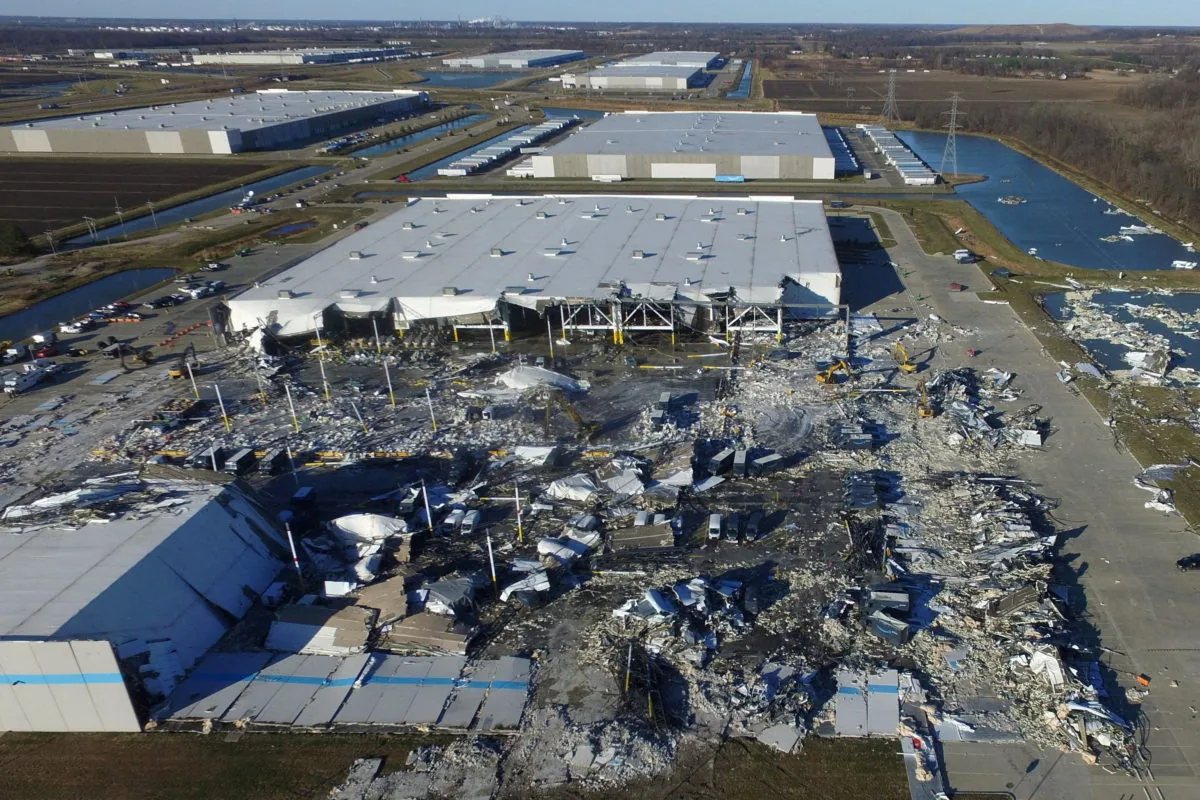
Roof Damage Repair from Commercial Roofers Johns Creek.
We locate the interior report and compare it with the roof plan, equipment routes, access paths, and recent service activity. The roof review looks for cuts, punctures, abrasions, displaced patches, crushed insulation, and damage around pipe supports or temporary staging. We photograph the opening with a scale or nearby feature for reference and note whether the membrane surface is wet, dirty, or covered by another material. The repair boundary should reach a surface suitable for the specified patch or replacement strip.
A commercial roof inspection can record the roof section and surrounding details. If moisture below the sheet may affect the work area, an infrared moisture survey can help choose candidate locations for further testing. We confirm suspected conditions by an appropriate method and state which areas were sampled. The report does not treat every change in surface temperature as wet insulation.
Foot traffic may leave a crease or abrasion without a through-opening. We check whether the membrane is cut, whether reinforcement is exposed, and whether the underlying insulation has been compressed. If a service contractor recently worked on rooftop equipment, identify the task and route. A puncture near a curb may require both field-sheet repair and a separate flashing correction. We note each detail rather than assuming one patch will address two different conditions.
What makes a puncture repair durable?
The patch method depends on membrane type, surface condition, damage size, and whether the surrounding sheet can accept a compatible tie-in. The work may require cleaning, drying, removal of a failed patch, new membrane, reinforcement, and a tested perimeter. We identify the system where known and confirm it at the site when records are incomplete. An older coating, adhesive, or incompatible repair can affect preparation and bonding.
For a thermoplastic roof, a qualified repair may use compatible membrane and heat-welded edges when the sheet and field conditions allow it. An EPDM assembly uses a different preparation and seam method. The actual installed material and repair instructions should guide the work. A TPO system review or EPDM roof assessment can help owners organize a larger system question, but the field inspection needs to verify the material at this property.
If a puncture is near a walkway or service zone, identify a way to protect the repaired area from repeat damage. A temporary walkway or equipment route may require an owner-approved layout. The roofing scope can identify protection needs, while the equipment vendor confirms where service access is required. If the interior contains stock, electronics, or occupied rooms, the property contact decides what covering or temporary restriction is appropriate before repair begins.
How can the owner prevent repeat punctures?
Record the roof route used by maintenance vendors and identify access points, walkway pads, and areas where tools or removed equipment may be staged. A roof plan can show which parts of the field are designated for service access and which remain outside normal traffic. Where a unit needs frequent maintenance, the owner can review whether the route and protection match the vendor's actual work pattern.
Johns Creek Technology Park includes industrial and office buildings as well as retail, recreation, and municipal uses. At a multi-tenant site, the building manager may not know every vendor that has accessed the roof. Keep a service log with dates, trades, equipment handled, and any condition found after work. A property management team can help coordinate roof access and tenant reports across a managed building.
After a repair, inspect the patch during normal maintenance and after a reported leak. If water appears again, compare the location and date with the closeout photos before adding another patch. Repeated entry at the same place may indicate that a larger piece of membrane, an adjacent seam, or an underlying wet area needs review. A new opening elsewhere should be documented separately rather than treated as a continuation of the earlier repair.
When should a puncture lead to a wider review?
A single opening can be localized when the membrane around it is intact and the substrate is dry. Multiple punctures, widespread surface wear, wet insulation, or a damaged deck may call for testing across a larger zone. The proposal identifies confirmed openings, test boundaries, material, access, removal, and any concealed-condition allowance. We describe the reasoning for a local patch or broader repair without assuming an entire roof has failed from one finding.
When water is active, temporary roof protection may be needed before the complete repair can be scheduled. The record should say which opening was covered, the limits of the protection, and what permanent work remains. If an event caused multiple reported locations, an event-related roof review can check surrounding details, but each puncture needs its own measured repair boundary.
Work above an occupied property may need interior coverings or staged access. A phased work sequence can specify the roof area that will be opened and when the patch is completed. We identify the stop point each shift so the building contact can plan around access and operations. If the substrate requires more removal than authorized, we document it and request direction before increasing the work area.
What belongs in the puncture repair record?
Retain the opening location, cause if known, dimensions, membrane identification, preparation, patch material, perimeter test, and photos before and after work. Identify any underlying material that was removed or left untested and whether a walkway or service route was added. A later technician should be able to find the patch and distinguish it from older repairs.
For properties near Technology Park Johns Creek or Peachtree Corners, provide the building identifier and access procedure when booking. A roof condition report can preserve the inspection basis and limits. If a separate seam failure or flashing issue is found, list it separately in the scope and closeout.
The owner can compare the repair file with future roof walks and vendor service logs. If another opening appears after maintenance, the dated record can help determine whether the new report is at the repaired location or elsewhere. That distinction supports a focused follow-up and avoids widening the scope without evidence.
Commercial Roofing Questions
Can a small puncture cause a ceiling leak?
Yes. Water may pass through a small opening and travel along the assembly before appearing indoors. We inspect the reported path and test the area where concealed moisture could change the scope.
Can you patch a membrane that has an older coating?
The material, coating condition, and patch compatibility must be checked first. We identify the system and prepare the surface using a method suitable for the installed assembly.
Who should repair a puncture caused by an equipment vendor?
The roof owner or manager should coordinate the service contractor and assign approval for roof work. We document the opening and define the roofing repair, while equipment work stays with its responsible vendor.
Do several punctures mean a full replacement is needed?
Not necessarily. We map each opening, inspect the surrounding membrane, and test if moisture or broad deterioration is suspected. The recommendation follows the confirmed extent and repairability.
Back to Roof Damage Repair, or request a roof assessment and call 555-555-5555.