
Commercial roofing in Johns Creek, GA
Repairs, replacement and maintenance
Commercial Roof Flashing Failure Repair in Johns Creek, GA
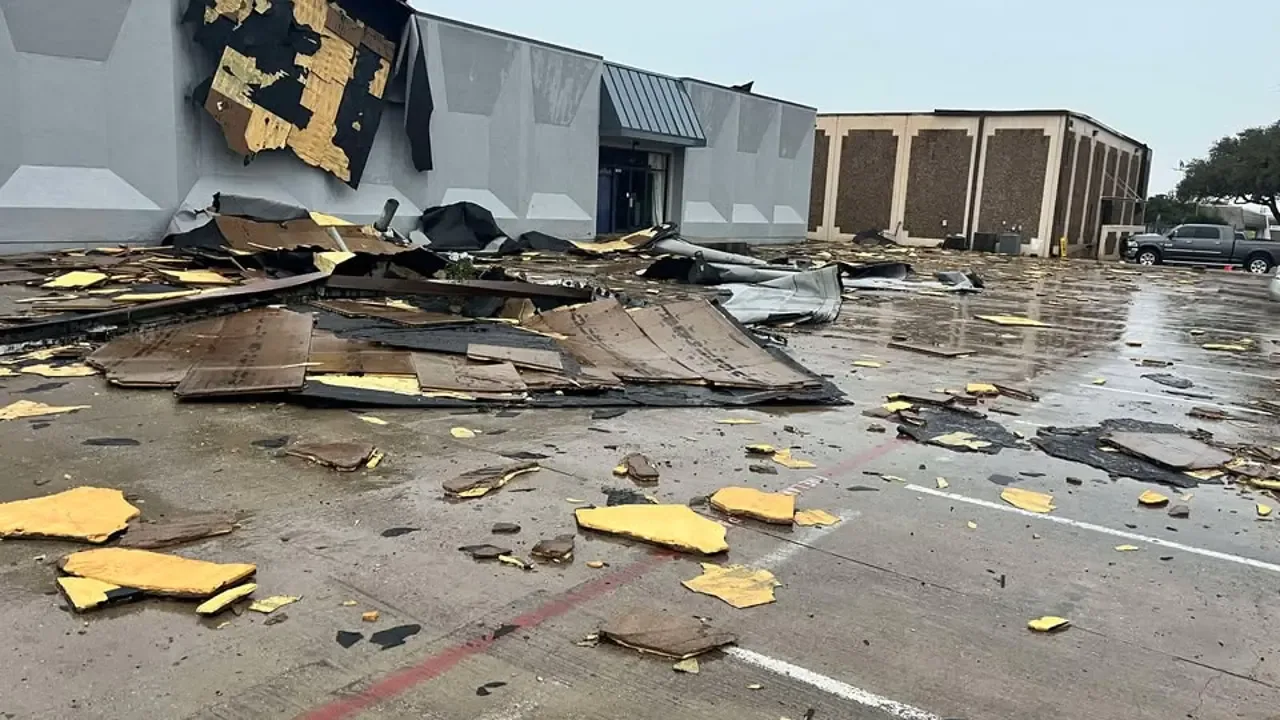
Commercial roof flashing inspection and repair in Johns Creek, GA, with detail-level documentation at walls, curbs, penetrations, and transitions.
Is water appearing where the roof meets a wall, curb, pipe, skylight, or edge? Flashing failure can involve a loose termination, split sealant, damaged counterflashing, or movement between materials. We inspect the transition and identify the detail that needs correction. Technology Park Johns Creek includes a broad mix of low- and mid-rise commercial buildings, while Johns Creek Town Center has planned mixed-use redevelopment. At each property, the installed roof assembly and field condition matter more than the district label.
How do you identify the failed flashing detail?
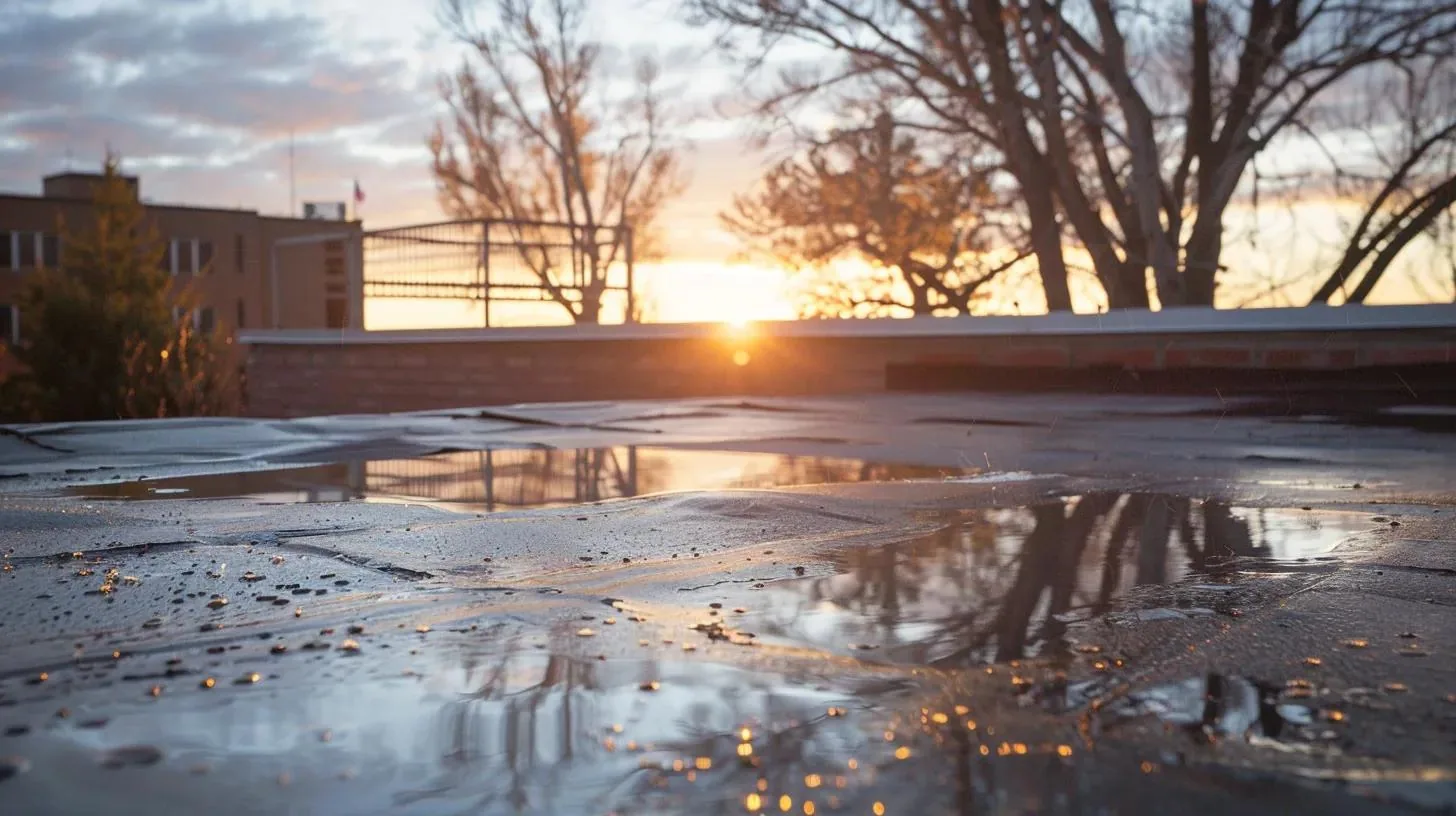
Roof Damage Repair from Commercial Roofers Johns Creek.
We begin at the reported interior area and locate the roof transition above it. The inspection checks wall base flashing, termination bars, counterflashing, pipe boots, equipment curbs, skylight perimeters, expansion joints, and edge metal. We look for open laps, pulled fasteners, failed sealant, cracking, corrosion, incompatible materials, and evidence of prior patching. A photograph should show both the defect and enough surrounding detail to locate it later.
A commercial roof inspection can map the related transition and adjoining roof area. If moisture may extend under the membrane, an infrared moisture survey can help identify candidate areas for direct testing. A surface reading does not confirm the condition of concealed materials. The report states whether testing occurred, where the opening was made, and whether the repair boundary reaches sound material.
Some leaks travel behind wall cladding or through a curb before reaching the roof deck. We trace likely paths and note where roofing ends and the wall, window, or mechanical trade begins. If a wall joint or window frame is involved, identify the building-envelope consultant or responsible contractor before assigning the whole symptom to roofing. A clear interface prevents a narrow flashing repair from being priced as a wall reconstruction, and it helps the owner request the right follow-up if evidence points outside the roof scope.
Which transitions commonly need different repairs?
A pipe boot can split around a service line; a curb corner can separate at a lap; a wall termination can pull away from the substrate. Those conditions are not interchangeable. We identify the flashing material, adjoining roof type, fastener pattern, attachment, and visible movement. A skylight and penetration flashing service can address a confirmed transition at a roof opening. Where coping or edge metal is involved, a roof edge metal review can examine the perimeter assembly.
Before removing a termination, check whether the flashing sits beneath counterflashing, cladding, or another trade's finish. Note the sequence needed to expose and reinstate the detail. If a mechanical contractor recently moved a pipe or replaced equipment, record the date and identify who can authorize disconnection. The roofing scope should name its attachment and sealant work, while separate trades retain responsibility for their own equipment and wall systems.
Sealant alone may not correct a failed transition. If the substrate is loose, wet, or corroded, a new bead can conceal the problem without restoring the attachment. We remove material only to the approved boundary and inspect what is exposed. If the condition continues beyond the planned limits, document the added area and request authorization. The permanent repair should show how new flashing connects to sound existing material, how water sheds across the joint, and which exposed edge receives mechanical restraint.
How can movement and previous patches affect the scope?
Roof and wall assemblies can move differently as temperatures change, and equipment vibration can stress a nearby curb. A flexible transition needs the correct geometry and material for the materials it joins. We record gaps, displacement, fastener condition, and any evidence that a prior repair bridged a moving joint. If the transition is part of an expansion joint, confirm the joint design before applying a surface patch that could restrict movement.
Johns Creek Town Center planning describes redevelopment of an existing business park for retail, office, hospitality, and residential uses. Renovation and new construction can create changing roof interfaces as equipment or tenant systems are added. At an existing property, confirm whether recent work changed a curb, pipe, wall finish, or drain. For newly installed penetrations, identify which party will complete flashing and inspect the transition before another layer conceals it.
Building codes and project requirements may affect an alteration. Georgia DCA lists the 2024 IBC, including state amendments, among the construction requirements. The local building official can confirm which provisions apply to a specific alteration and whether a permit is needed. A roof repair should not be called code compliant without that project review. If a larger reconstruction changes a wall or roof assembly, the owner and design team should confirm permit and code requirements with the building official before scope approval.
What should a flashing repair proposal include?
Identify the roof area, specific transition, measured length or count, existing condition, new materials, preparation, attachment, and tie-in to adjacent work. State whether counterflashing or cladding removal is included, who restores it, and whether the substrate requires testing. If moisture or corrosion is concealed, show the allowance and approval step before additional removal. That gives the owner a clear boundary instead of a general instruction to reseal all roof penetrations.
When an active leak requires a first visit, a temporary roof response may limit immediate exposure. The record should state whether it is a temporary seal or a completed permanent detail and identify the next inspection. A broader commercial roof repair can include adjacent membrane work when the field condition supports it. Each detail should remain listed so a future technician can compare the new symptom with the earlier repair.
If more than one transition failed, distinguish the locations and likely causes rather than grouping them under one heading. A split pipe boot may need replacement, while a loose wall termination may require new attachment into a suitable substrate. The estimate can group similar tasks for pricing but should retain the location for each. If the same elevation has a history of repeated water entry, include the prior repair and current inspection evidence in the review before recommending another surface patch.
Where do Johns Creek projects need transition checks?
At Technology Park Johns Creek, roof-to-wall and penetration details vary by property; we inspect the actual assembly before setting repair limits.
The Medlock Bridge and State Bridge roads commercial node includes shopping and redevelopment activity. Owners near that corridor can provide the actual building name and a site contact when arranging access. A property manager can coordinate tenant notice or roof keys where one party manages the building and another operates inside it.
If the repair is part of a broader roof review, a seam failure inspection may be needed when water enters along the field of the roof rather than at a transition. A ponding-water review can separately evaluate low areas that hold water against a flashing detail. Keeping these findings distinct helps the owner identify whether one repair addresses the leak or whether more than one roof condition remains.
What should the repaired detail record show?
Save before-and-after photographs, location, material, attachment method, test findings, and the length or quantity repaired. Note whether cladding or equipment was handled by another trade, whether the repair is temporary, and any area excluded from the work. The closeout should identify the adjacent detail that was inspected and any follow-up needed to confirm performance after weather exposure.
For service in Johns Creek, send the roof plan, renovation notes, reported interior area, and access process. A roof condition report preserves findings and repair boundaries.
Commercial Roofing Questions
Can sealant fix flashing that has pulled away?
It depends on the attachment, substrate, material, and movement at the joint. We inspect the assembly and identify whether the repair needs new mechanical restraint, replacement flashing, or a different trade's work.
Can you repair only one curb or pipe boot?
Yes, when inspection confirms the defect is localized and adjoining material is suitable for a tie-in. The scope identifies the unit, roof zone, and any testing or access limits.
Does a roof flashing leak always start above the ceiling stain?
No. Water can travel along a deck or behind a wall finish before appearing indoors. We trace the reported path and document what supports the repair location.
What if the flashing is under wall cladding?
The scope should identify how access and reinstatement will be handled. We coordinate the roofing interface and list any cladding work that remains with another contractor.
Back to Roof Damage Repair, or request a roof assessment and call 555-555-5555.