Commercial roofing in Johns Creek, GA
Repairs, replacement and maintenance
Commercial Roof Seam Failure Repair in Johns Creek, GA
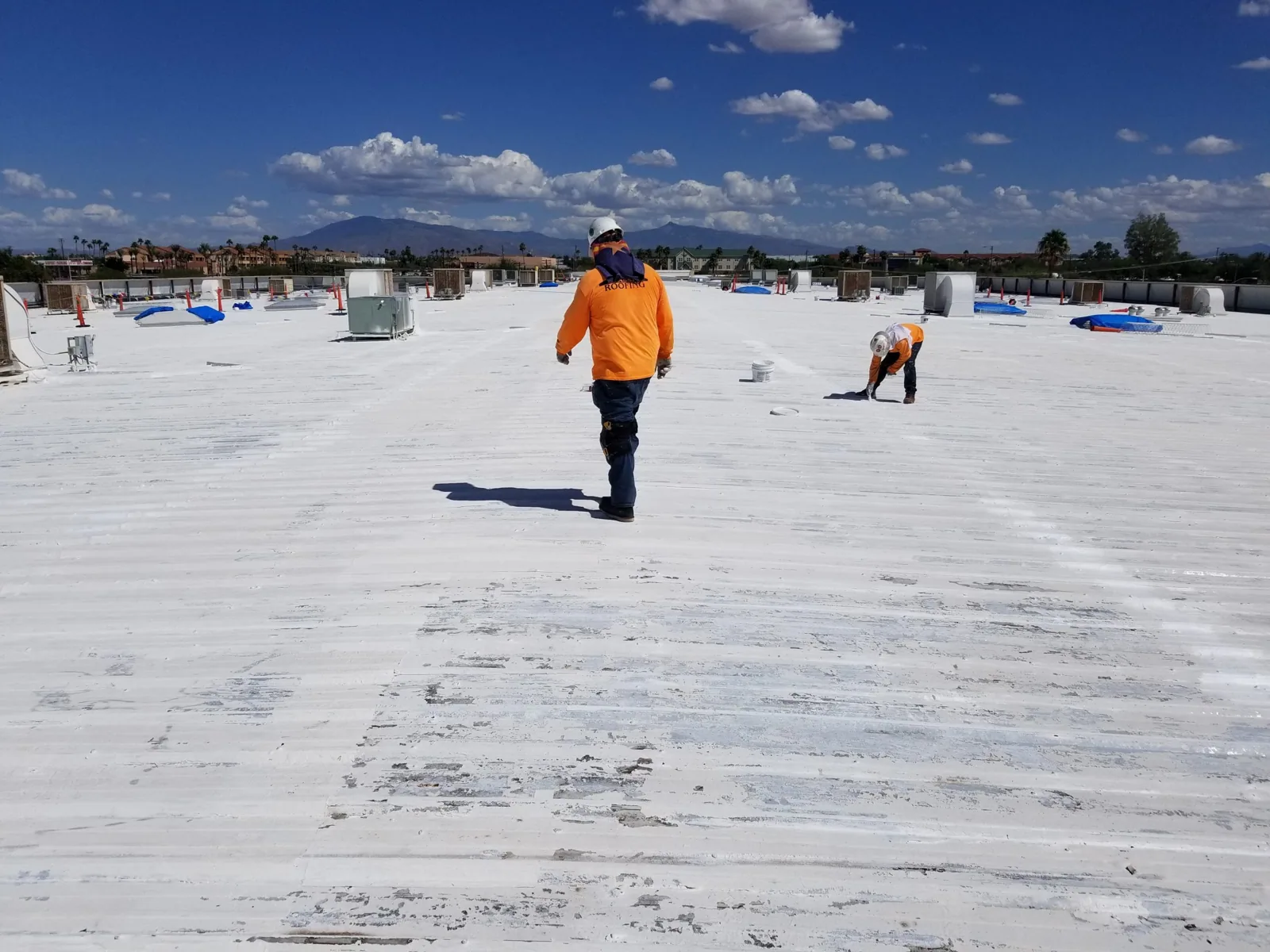
Commercial roof seam inspection and repair in Johns Creek, GA, with assembly-specific testing, defined repair boundaries, and closeout documentation.
Is a roof seam separating, lifting, or showing water entry at a lap? The repair depends on the roof assembly and how that joint was made. We inspect the seam, adjoining field, edge termination, and previous repair, then set a boundary from evidence. Technology Park Johns Creek includes office, retail, and industrial properties, and buildings near Medlock Bridge Road or McGinnis Ferry Road may have different membrane or metal assemblies. We verify the actual roof before selecting a repair method.
What kind of seam is failing?
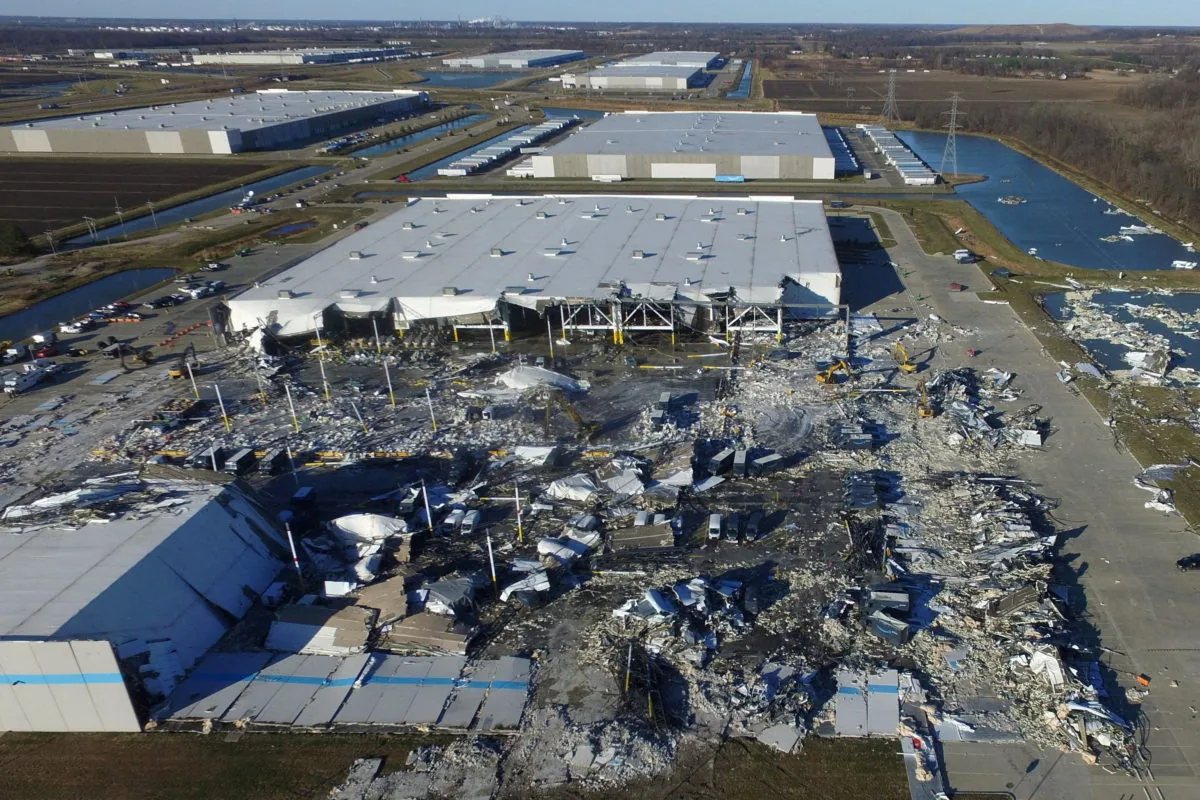
Roof Damage Repair from Commercial Roofers Johns Creek.
Seams may be heat-welded, adhesive-bonded, mechanically attached, or formed as part of a metal panel system. We identify the material and joint configuration before testing. A visible gap can indicate contamination, inadequate weld, movement, fastener pullout, substrate change, or a previous patch that no longer adheres. The inspection records seam direction, length, width, condition at both ends, and nearby penetrations or roof edges.
A commercial roof inspection can map the affected rows or panel joints. Where moisture beneath the field is possible, an infrared moisture survey may help choose locations for direct confirmation. A probe or test cut should be suited to the assembly and repaired after inspection. The report should state what method was used and whether the seam continued beyond the visible opening.
On single-ply roofs, the technician needs to know whether the seam can be cleaned and re-welded or whether the membrane has aged, shrunk, or become brittle. Adhesive-bonded materials have their own surface and cure requirements. A standing-seam metal roof may have a mechanical joint that requires a different assessment from membrane welding. We avoid specifying one generic seam repair across unlike systems and identify the actual assembly or note when it could not be confirmed.
How can testing show whether the seam is repairable?
We test a representative portion of the affected joint using a method appropriate to the material and site conditions. On a welded membrane, that may involve a probe at the lap edge and review of the weld surface. The test should not be treated as a sample of every seam on a large roof. We document which joints were checked, their condition, and whether an adjoining area needs additional sampling.
Temperature, surface moisture, dirt, coating residue, and prior sealant can affect repair preparation. The work sequence should identify cleaning, drying, removal of incompatible material, and any substrate repair before the new joint is made. If the membrane is too degraded to accept a durable tie-in, replacing a wider strip or evaluating the roof assembly may be more suitable. A TPO roofing review or PVC system inspection can be considered when those membranes are present, but the property's installed product must be verified.
Where a standing-seam roof is involved, look for disengaged clips, opened panel ends, fastener movement, or distortion at the seam profile. A sealant bead applied over a mechanically separated panel does not restore the panel engagement. The inspection can establish whether a metal contractor or structural reviewer needs to participate. When rooftop equipment blocks the view, mark the section not reached and arrange safe access before the next inspection.
What does a seam repair include?
A repair scope identifies the roof zone, seam type, measured length or count, preparation, patch or replacement material, and tie-in to the adjoining field. It also names access, protection, disposal, and any test or warranty requirement. If only one seam segment is confirmed, show the end points. If the seam failure repeats across several rows, test additional locations before assuming the same correction applies everywhere.
A commercial roof repair can address a localized joint when the surrounding material is suitable. If water has reached insulation or deck, identify the affected area and whether a test opening is needed. A roof replacement assessment may be appropriate when widespread failure or material deterioration makes isolated repairs difficult to bound. The report should compare evidence and scope, not default to a larger project based on one open lap.
If a leak is active, temporary protection can be recorded separately from permanent work. State how the temporary measure changes the exposure, which seam remains open, and when a follow-up repair is planned. A property owner or manager should approve additional removal when concealed conditions extend beyond the original measurement. That approval record matters when an initial call requested a small patch but the exposed substrate shows a wider defect.
How do commercial settings affect seam access?
Roof crews may need to coordinate around office occupants, production hours, deliveries, or tenant access. A work plan names the roof section, staging route, noise, expected duration, and daily closure point. If the seam sits above an operating space, the property contact identifies whether interior protection or temporary room restriction is needed. We limit open material to the quantity that can be restored under the agreed conditions.
Johns Creek's Technology Park spans a broad campus of offices, retail, industrial uses, homes, recreation, and municipal properties. It also includes employers such as Alcon, Nordson, Teradata, and PerkinElmer. Those public facts describe the district's commercial range; they do not establish the roof at any named employer. For a site near Technology Park Johns Creek, provide the building name and roof plan so the field visit can be routed to the correct property.
If the seam meets a wall, curb, drain, or perimeter edge, inspect the intersecting detail separately. A flashing failure assessment may be needed at a transition, while a membrane puncture review applies when a separate opening is found in the field sheet. The final record should say which defect drove each repair so a future leak report can be compared accurately.
What should the seam repair file contain?
Keep photographs before and after preparation, test locations, seam measurements, material identifiers, surface preparation, and any areas not inspected. Record whether the work was a local re-weld, new cover strip, panel adjustment, or wider replacement. If the owner received an inspection or replacement option, retain the assumptions and the decision made. A clear file prevents a future technician from mistaking a repaired lap for an untouched joint.
Johns Creek Town Center is planned along Medlock Bridge Road, McGinnis Ferry Road, and Johns Creek Parkway, and a separate Medlock Bridge and State Bridge node is part of city revitalization planning. Local districts help identify where a service call belongs; the roof report must still name the property and seam. A roof condition report can preserve findings and test limits for facilities review.
For a Johns Creek site, send the prior repair history and roof material if known. We can verify the assembly on site, describe the seam condition, and scope a repair that reaches material suitable for a tie-in.
Commercial Roofing Questions
Can every open seam be re-welded?
No. The membrane condition, contamination, prior coating or sealant, and available tie-in surface all matter. We inspect and test the joint before selecting a repair method.
Does an open seam mean the whole roof needs replacement?
Not on its own. The number and spread of failures, membrane condition, moisture findings, and repairability determine whether a limited repair or broader review is warranted.
Will a sealant bead stop a leaking seam?
That depends on the assembly and why the joint opened. We identify whether the seam needs preparation, re-welding, new material, panel adjustment, or another trade's review.
What should I provide before a seam inspection?
Roof plans, known membrane or panel type, prior repair notes, leak locations, and access rules help focus the visit. We confirm the installed assembly where possible.
Back to Roof Damage Repair, or request a roof assessment and call 555-555-5555.