Commercial roofing in Johns Creek, GA
Repairs, replacement and maintenance
Commercial Tornado Damage Roof Repair in Johns Creek, GA
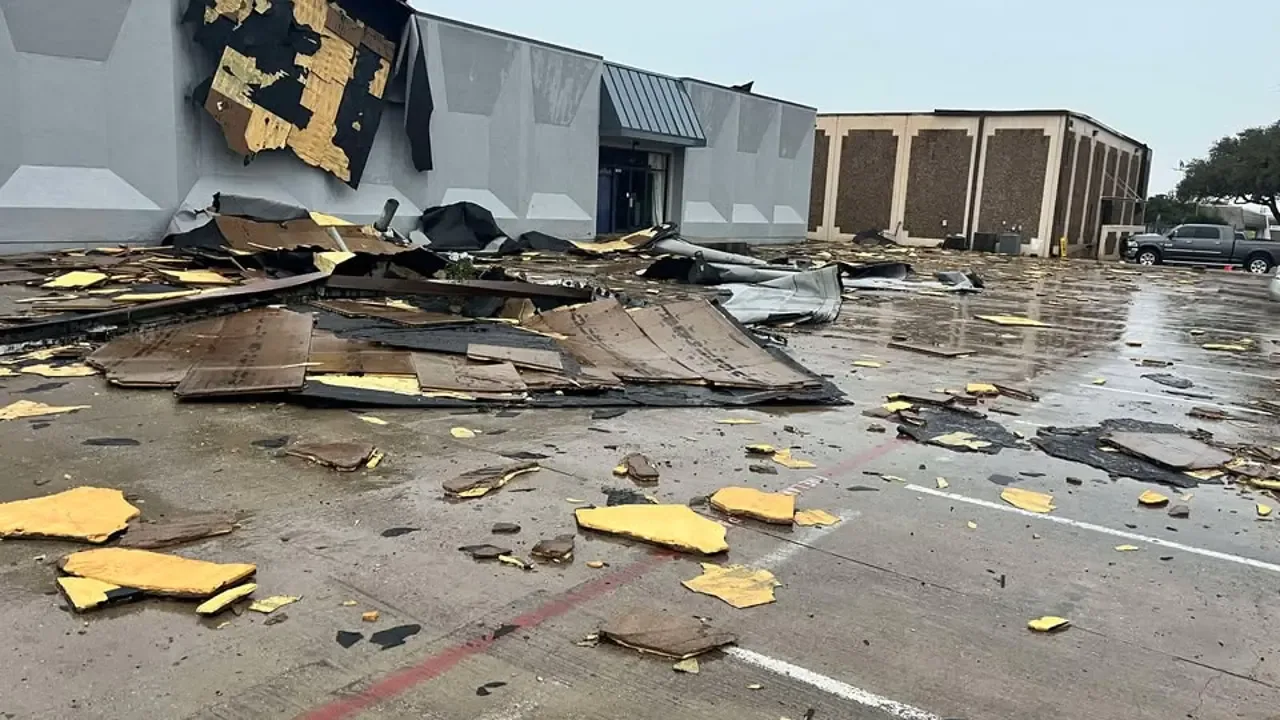
Commercial roof inspection and repair after tornado activity in Johns Creek, GA, with site-specific findings, temporary protection, and defined repair limits.
Has a tornado warning or confirmed storm led to roof movement, debris impact, or water entry at your commercial property? The weather report helps set the inspection time, but the building needs a direct review before repair quantities are established. We document visible conditions, safe access, and areas that remain untested. On an occupied commercial roof, confirm that access is released, then map each reported impact to a specific roof zone before setting repair quantities. Label photographs by slope, grid reference, and the condition visible in each frame.
When can a roof inspection begin?
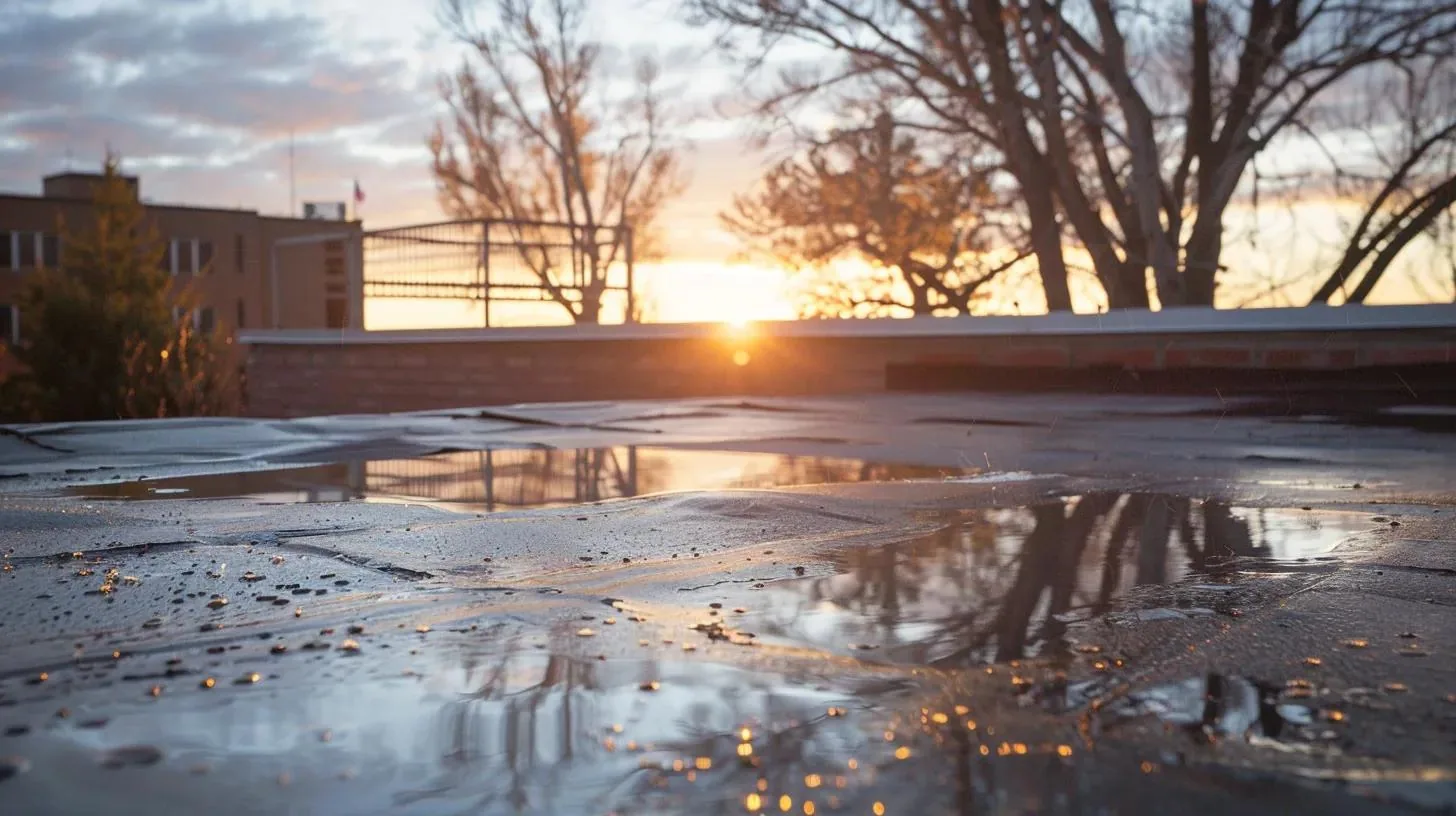
Roof Damage Repair from Commercial Roofers Johns Creek.
After a severe event, confirm that emergency responders and the property safety lead have released the roof and surrounding work area. Loose debris, unstable parapets, damaged utilities, or a compromised deck can make access unsafe. We follow the owner's access instructions and record any section that cannot be entered. A roofing inspection does not replace structural evaluation or a determination by the authority responsible for the building.
Once access is cleared, identify the reported event, affected rooms, visible water, and any temporary measures already installed. We check the roof plan against observed conditions and inspect edges, membrane, seams, curbs, skylights, equipment, and drainage. Tornado debris may create punctures away from the point where water becomes visible. We photograph the roof zone and mark observed impact so later crews can locate the same area.
A commercial roof inspection can establish an initial condition record. Where water may have entered below the roof surface, an infrared moisture survey can help select areas for confirmation. The report says where measurements were taken and whether direct testing was completed. If structural or electrical review must happen first, note the required clearance rather than assuming the roofing crew can proceed.
What damage can a tornado leave on a roof?
High winds may displace edge metal, coping, panels, or membrane attachment. Debris can puncture the roof, damage rooftop equipment, break a skylight, or tear a curb transition. Falling branches or nearby material may load a roof section or block a drain. Each observation should be described separately. A broad label such as storm damage does not tell the owner which component failed or how much work is required.
We compare the visible evidence with prior roof records and the reported date. If the roof had an earlier patch, separate that condition from new material damage where the evidence allows. When a component is missing or displaced, inspect the attachment area and nearby substrate before replacement. Where the roof is layered, confirm what the opening exposes and whether moisture extends beyond it. A wind-related roof inspection can examine attachment movement, while a puncture repair review applies to a confirmed opening in the field membrane.
Damage may affect the building envelope beyond the roof surface. Water can enter at a wall, opening, or mechanical connection after a storm. We identify the roof-to-wall interface and note when another building-envelope contractor or engineer should review the condition. If rooftop equipment moved, the equipment provider may need to inspect and reconnect it. The roofing scope should state where the trade handoff begins and ends.
What should be done before permanent work?
If the interior is exposed, temporary protection may reduce additional water entry when access is safe and authorization is clear. The record identifies the affected roof zone, material used, installation date, and limitation. A temporary roof response should not be confused with the permanent repair or with an inspection of hidden materials. The next visit may need testing, structural review, or another trade's clearance.
For an occupied building, identify rooms, equipment, and public paths beneath the work. A phased roof sequence can show which area can be opened and protected during each shift. The owner's facilities contact coordinates interior covering and any room restriction. If the damaged section cannot be closed safely by the end of the work window, the work plan needs another boundary before material is removed.
When access is postponed, retain photos from the ground, the initial report time, and any emergency work already completed. Those records do not replace the later roof survey, but they can help compare conditions. If a temporary tarp or cover changes position, report it before another crew enters the area. The project contact should identify who can authorize an urgent revisit outside normal building access times.
How do you define the permanent repair?
A repair estimate identifies each roof section, material, access method, removal quantity, replacement component, flashing transition, and interior protection. If a test opening finds wet insulation or a damaged deck, document the location and request approval before extending removal. If the damage is limited to edge metal or a skylight curb, do not bundle unrelated roof areas into the repair without findings.
A localized correction may be appropriate where adjacent material is stable and the assembly can accept a tie-in. If damage crosses several roof zones or the roof's attachment is uncertain, a broader repair or replacement review may be needed. A storm damage scope should separate confirmed impact from areas not tested. The owner can then compare the repair boundary and any alternate option with the evidence for each.
At a large commercial campus, staging may need to avoid entrances, loading operations, or damaged parking areas. Technology Park Johns Creek includes office, retail, industrial, residential, and municipal uses. That broad local mix is useful context for route planning but cannot establish which buildings were affected by one event. For a property near Technology Park Johns Creek, provide the exact building identifier and authorized access route.
What records help after a tornado event?
Keep the event report date supplied by the owner, roof plan, photos, inspection limits, temporary work, test results, repair approval, and completion images. Identify any restricted roof areas and the person or agency that must clear them. If a component was removed for safety, note who controlled the area and what replacement or inspection remains. That gives facilities staff a record that can be compared with later roof walks.
The regional service area includes Alpharetta and Roswell to the west and Suwanee and Duluth to the east. For a Johns Creek building, the report should still specify the property and roof zone. A roof condition report can organize evidence and exclusions. If hail impact was also reported, record its location and observation separately.
Where multiple buildings are involved, a site list can coordinate access and priority, but retain one record for each structure. A portfolio summary can show which sites were reached, which are restricted, and which need a follow-up. Do not mark an uninspected roof as clear. If a temporary closure remains in place, list its status and the next planned inspection date.
Commercial Roofing Questions
Can you inspect a roof during a tornado warning?
No roof work should proceed in unsafe conditions. We schedule inspection after the responsible site contact releases access and rooftop conditions can be evaluated safely.
Does a tornado report prove a roof needs replacement?
No. We document the building's actual conditions and test limits. The repair or replacement recommendation depends on observed damage and the assembly's condition.
Can temporary protection be installed before testing?
If the area is safe and the owner authorizes the work, temporary protection can reduce immediate exposure. The report identifies what it covers and what permanent inspection remains.
What information should the property manager collect?
Building identity, report time, interior symptoms, photos, roof plan, and any safety restrictions help prepare the visit. Keep records of temporary measures and emergency access decisions.
Back to Roof Damage Repair, or request a roof assessment and call 555-555-5555.