Commercial roofing in Johns Creek, GA
Repairs, replacement and maintenance
Commercial Acrylic Roof Coatings in Johns Creek, GA
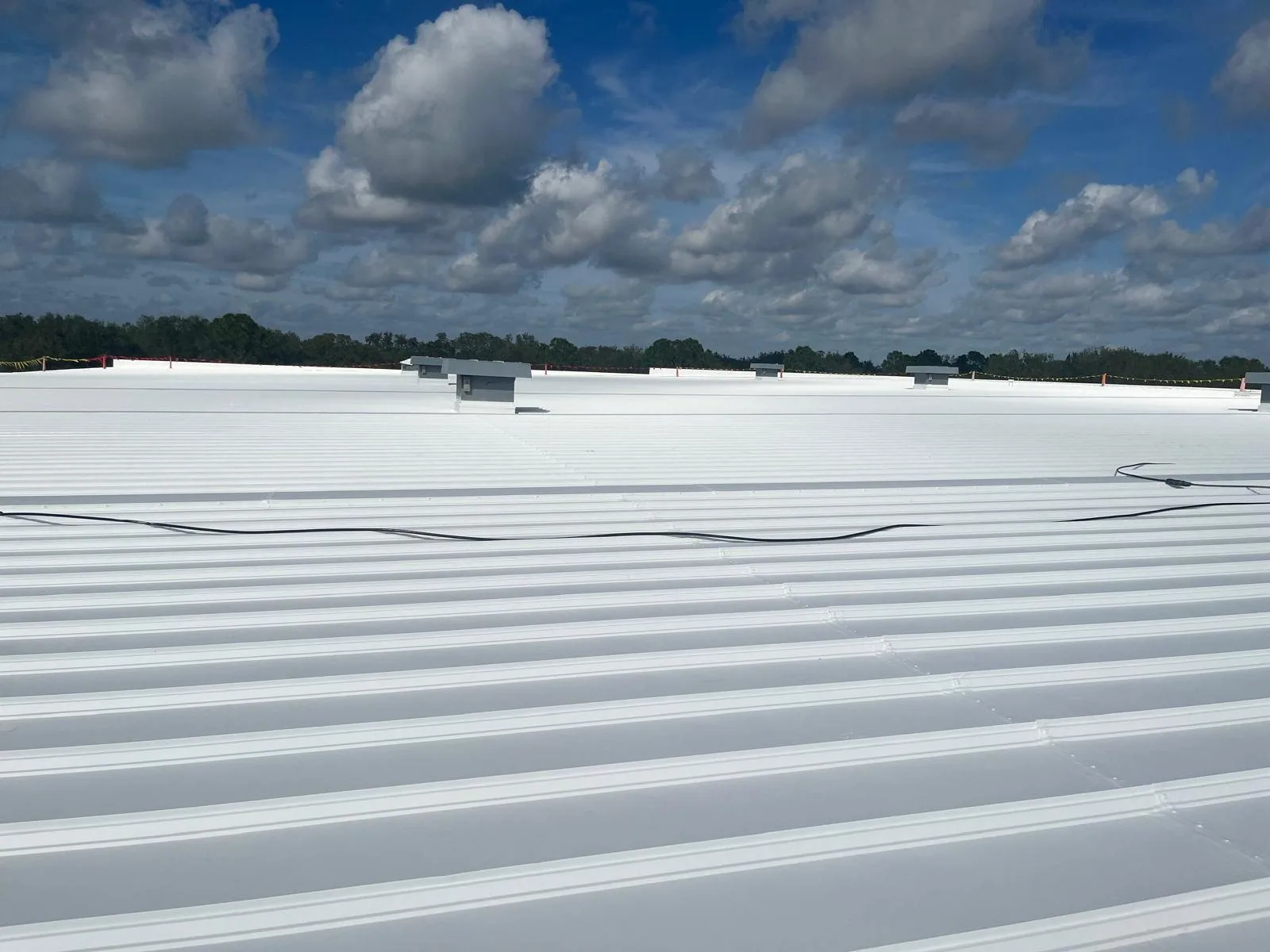
Plan a Johns Creek acrylic roof coating with slope review, adhesion testing, dry-weather scheduling, detail repair, and defined exclusions.
Does the roof drain well enough for an acrylic coating system? Surface condition and weather exposure matter, but slope and ponding also affect the choice. Acrylic roof coatings can protect an eligible prepared substrate, provided the product is compatible and applied within its temperature and moisture limits. They are not a substitute for repairing wet insulation, open seams, or a blocked drain. Atlanta climate normals record year-round rain and many hot days; for a Johns Creek project, the application window belongs in the plan while the roof determines whether acrylic is suitable.
What drainage pattern should be checked?
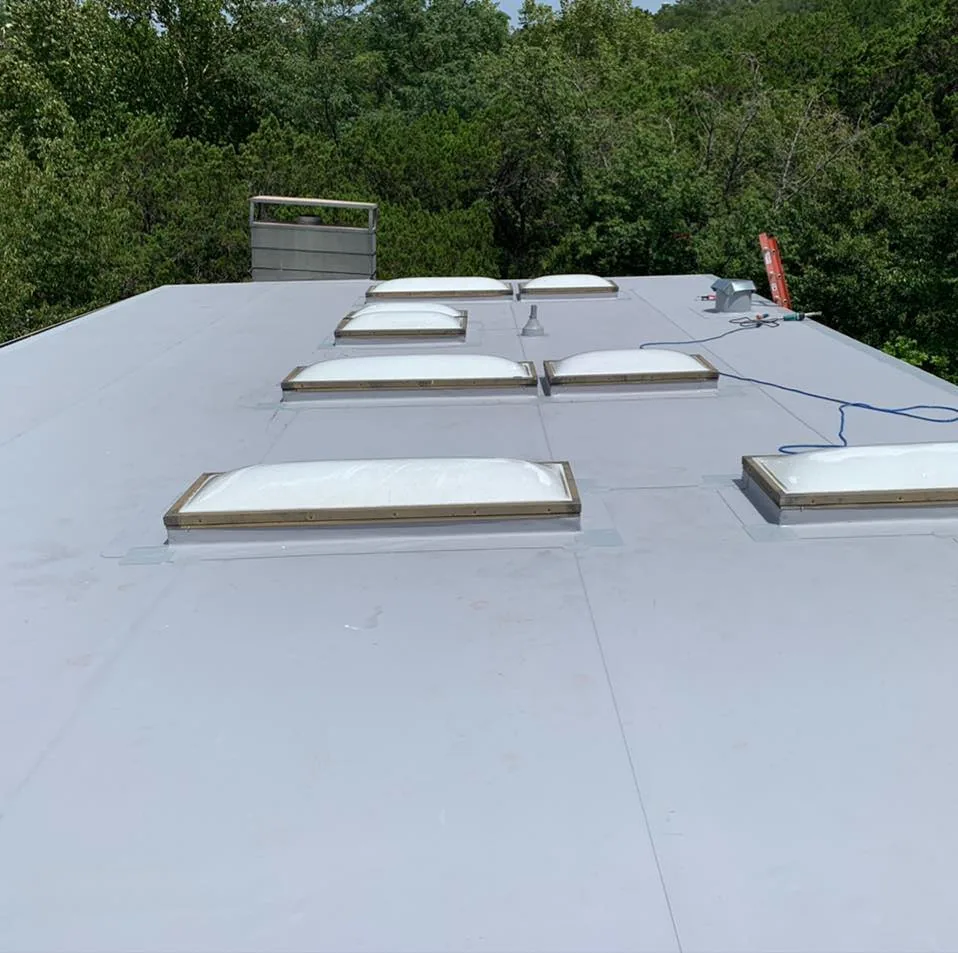
Roof Systems from Commercial Roofers Johns Creek.
Acrylic coatings are generally more sensitive to prolonged ponding than silicone products, subject to the written limits of the selected system. We inspect roof slope, drains, scuppers, overflow paths, and low areas before recommending application. Standing water can indicate a blocked outlet, a depressed deck, or insufficient slope, and each requires a different response. The coating scope should state whether drainage work is included and identify any area where water may remain after the project.
Atlanta climate normals record precipitation in every month. That makes the drain path relevant during routine inspections and before coating, not just after a major storm. We clear and check outlets where authorized, then confirm whether water can leave the roof. A drain and scupper service can address outlet or overflow concerns. For roofs with recurring ponding, a tapered insulation review may be appropriate during replacement or recovery planning, but a coating by itself does not create slope.
Will acrylic bond to the existing roof?
The substrate may be metal, modified bitumen, built-up roofing, or an existing coating. We identify what is present, remove loose material, clean the surface, and inspect for moisture and damage. Adhesion tests help evaluate the proposed primer and coating on a prepared sample. An unknown prior coating or chalking surface may need extra testing or removal. Wet insulation, blistered material, and loose membrane should be repaired or excluded instead of hidden beneath a new layer.
Preparation includes cracks, seams, curbs, parapets, drains, and penetrations, not just the open field. Some transitions need fabric reinforcement or a compatible flashing material. We document the test method and location, then list which roof zones passed and which need a different correction. A roof-coating restoration inspection can define preparation and adhesion tests before pricing. For metal, we also examine corrosion, loose fasteners, and panel integrity; coating cannot restore metal that has lost structural section.
What conditions control the application?
Acrylic coatings need a dry surface and sufficient time to cure before rain. Air temperature, substrate temperature, humidity, dew point, and forecast all affect whether the crew can apply material. We schedule by sections that can be prepared, coated, and protected within the available window. If conditions fall below product limits or the surface remains damp, the work pauses. This avoids placing fresh material over a substrate that cannot support the intended bond.
Hot air does not set roof-surface temperature, so the crew checks the actual surface and considers direct sun and shade. On a property near Johns Creek Town Center, deliveries, customer access, and occupied areas may influence where the crew stages and when sections can be isolated. We confirm the building's schedule instead of relying on district context to predict site access.
When should another system be considered?
Long-standing ponding, incompatible coatings, extensive wet insulation, loose membrane, or repeated failures may rule out acrylic restoration. We set an exclusion boundary where the substrate cannot support the coating. A silicone product may have different tolerance for water exposure, but its own adhesion, compatibility, and maintenance requirements still apply. Compare a silicone coating proposal against the actual roof slope and test results rather than assume that one chemistry works across every zone.
Where the assembly needs removal or new insulation, a coating alone is not a replacement project. We review test cuts, deck condition, drain heights, and any detail that a new roof must address. A spray-foam assembly is another distinct option with its own protective layer and maintenance needs. The owner receives the reason for each included or excluded area, plus the evidence that informed that limit.
How should an occupied property be protected?
Preparation and coating can affect air intakes, parked vehicles, walkways, equipment service, and building entries. We identify overspray controls, wash-water management, work zones, and any required shutdown with the property contact. The sequence should keep drains open and protect completed areas from traffic. If tenants or operations remain active, notices state when access changes and who can answer site questions. The roof plan tracks the work so crews do not cross onto fresh coating.
Peachtree Corners has employers in technology, life sciences, healthcare services, manufacturing, and logistics. At a business site in this neighboring market, a coating schedule may need to fit equipment work or delivery operations, but we confirm requirements with that property's contact. A phased occupied-building plan can set work zones, access limits, and interruption windows. The plan also records the daily stop point so uncoated edges are closed and protected.
What should be preserved after coating?
Closeout records the coating product, primer, surface preparation, repairs, reinforcement, application conditions, and coverage by roof zone. Photos should include seams, drains, curbs, penetrations, and edge transitions. The owner needs maintenance directions and a list of locations excluded from coating. Retaining product information is especially useful if a later repair uses a sealant, patch, or topcoat with specific compatibility requirements.
Send the roof plan, coating brand and age, recent leak notes, ponding photos, access plan, and preferred decision date. We will compare field observations with the product limits and return a zone map that separates application-ready areas from repairs or removal. A roof condition record can preserve the findings for maintenance planning. Owners with properties in Johns Creek and neighboring Peachtree Corners receive separate preparation, test-result, and coating-limit records for each building and roof zone. That makes later repairs easier to match to the correct product and surface.
Commercial Roofing Questions
Can acrylic coating go over a roof with ponding water?
Prolonged ponding can be unsuitable for many acrylic systems, and the selected product's instructions control. We map low areas and test the substrate before recommending application. Drainage correction or a different coating chemistry may need review where water remains.
Will an acrylic roof coating stop leaks at seams?
Open seams and failed flashings need repair before coating, and some details require reinforcement. We inspect the membrane and prepare each transition according to the specified system. The coating field cannot compensate for an unstable seam beneath it.
How do you test acrylic coating adhesion?
We prepare a representative area, apply the proposed primer and coating, then assess the bond after the required cure. The test location and substrate are recorded. A successful sample supports those conditions but does not establish that every roof zone has the same surface.
Can coating work be done between rain showers?
The roof and forecast need to provide enough dry time for preparation, application, and cure. We select manageable sections and protect the finished edge before moving on. A damp substrate or short cure window can require postponing work even if a brief break in rain appears.
What happens if some sections fail the test?
Those zones are marked separately and priced for the repair or removal needed before coating. We show which sample failed and whether adjoining areas require further testing. The owner can review a limited repair, a revised coating boundary, or broader replacement based on those findings.
Back to Roof Systems, or request a roof assessment and call 555-555-5555.